
Your dog’s paws are more than just cute—they’re essential for their comfort and health. But do you know how to keep them clean, safe, and well-groomed?
If you’ve ever noticed your dog limping, licking their paws, or leaving dirty paw prints everywhere, it’s a sign they need some extra care. In this guide, you’ll discover simple and effective ways to groom your dog’s paws at home.
By following these easy steps, you’ll help your furry friend stay happy and healthy, while preventing painful problems before they start. Keep reading to learn how to make paw care a breeze for both you and your dog.
Why Groom Dog Paws
Grooming your dog’s paws is an important part of pet care. Clean and healthy paws help your dog feel comfortable. They also prevent problems like infections and injuries. Taking care of paws keeps your dog active and happy.
Dogs walk on many surfaces every day. Dirt, salt, and sharp objects can harm their paws. Grooming removes dirt and checks for cuts or swelling. It also helps spot issues early before they become serious.
Prevent Injuries And Infections
Paw grooming helps stop injuries from getting worse. Trimming hair around paws reduces dirt buildup. Cleaning removes harmful bacteria and debris. This lowers the chance of infections and pain.
Improve Comfort And Mobility
Long nails make walking painful for dogs. Grooming keeps nails short and smooth. Paw pads stay soft and flexible with regular care. Comfortable paws mean your dog moves with ease.
Detect Health Problems Early
Regular paw checks show cuts, swelling, or redness. Early signs of allergies or infections appear here first. Grooming helps you notice these problems quickly. Early care leads to faster healing.
Enhance Bonding Time
Grooming paws builds trust between you and your dog. Gentle touch calms anxious pets. It creates a positive experience for both. Time spent grooming is time spent loving.

Credit: www.amazon.com
Tools You Need
Grooming your dog’s paws is important for their comfort and health. Using the right tools makes the job easier and safer. Each tool has a special purpose. It helps keep your dog’s paws clean, trimmed, and healthy.
Claw Clippers
Claw clippers are essential for trimming your dog’s nails. Choose a size that fits your dog’s nails well. Sharp clippers make clean cuts. Avoid crushing the nail. This tool prevents overgrown nails that can cause pain.
Paw Brush
A paw brush removes dirt and debris from your dog’s paws. Soft bristles work best for gentle cleaning. Brushing your dog’s paws helps spot small cuts or irritations early. It also keeps the fur around the paws neat.
Paw Balm
Paw balm protects and soothes dry or cracked paw pads. Apply a small amount after grooming. It keeps paws soft and healthy. This balm works as a barrier against rough surfaces and weather.
Styptic Powder
Styptic powder stops bleeding from small nail cuts. Accidents happen during trimming. Keep this powder nearby for quick use. It helps your dog feel comfortable fast.
Towel Or Cloth
A towel or cloth cleans and dries paws after walks. Moisture can cause infections if left on paws. Use a clean towel to keep paws dry and fresh.
Checking Paw Pads
Checking your dog’s paw pads is a key step in paw grooming. Healthy pads help your dog walk comfortably and avoid injuries. Regular checks catch problems early. This keeps your dog happy and active.
Look closely at each pad. The surface should be smooth and soft but tough enough to protect. Dry, cracked, or peeling pads need care. Check for cuts, splinters, or foreign objects stuck in the pads. These can cause pain or infection.
Look For Cuts And Scratches
Examine each pad carefully. Small cuts or scratches can get worse if untreated. Clean any wounds gently with water and a mild antiseptic. Watch for signs of infection like redness or swelling.
Check For Dryness And Cracks
Dry pads may crack and hurt your dog. Use a pet-safe moisturizer to keep pads soft. Avoid human lotions that may irritate. Regular moisturizing helps prevent cracks and soreness.
Remove Debris And Foreign Objects
Dirt, small stones, or twigs often hide in paw pads. Remove these carefully to stop discomfort. Use tweezers if needed. Clean the paws after walks, especially in rough areas.
Observe Color And Texture Changes
Changes in pad color or texture can signal health issues. Dark spots, swelling, or lumps need attention. Contact a vet if you see anything unusual. Early care avoids bigger problems later.
Credit: bestlifeonline.com
Trimming Fur Around Paws
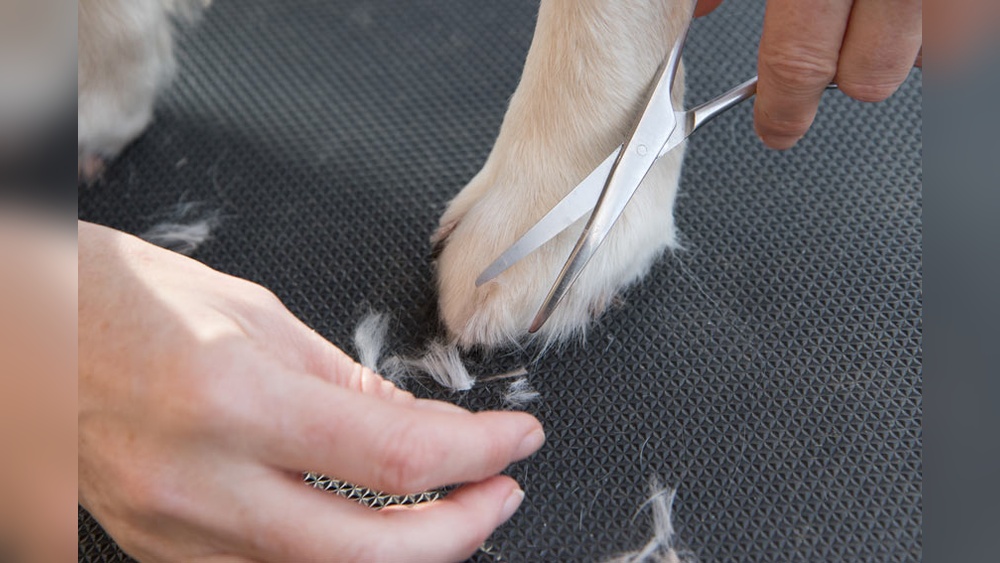
Trimming fur around your dog’s paws keeps them clean and comfortable. Long fur can trap dirt and cause mats. It also hides debris like sticks or stones. Regular trimming helps avoid these problems. Plus, it improves traction on slippery floors. This section explains how to trim fur safely and easily.
Prepare Your Dog And Workspace
Choose a quiet spot with good light. Use a non-slip mat or towel under your dog. Gather tools: blunt scissors or pet clippers, and a comb. Calm your dog with gentle petting. Talk softly to keep them relaxed.
Comb And Separate The Fur
Comb the fur between your dog’s toes. This removes tangles and reveals the true length. Separate the fur with your fingers. This makes it easier to see what to trim. Take your time. Patience helps your dog stay calm.
Trim Carefully Around The Pads
Use blunt scissors to trim fur around paw pads. Cut small amounts at a time. Avoid cutting the skin or nails. Focus on the fur that touches the ground. Trim evenly to prevent discomfort while walking.
Check For Hidden Debris
Look for sticks, stones, or dirt trapped in the fur. Remove any foreign objects gently. This keeps paws healthy and avoids pain. Regular checks prevent infections and irritation.
Nail Care Tips
Proper nail care keeps your dog’s paws healthy and pain-free. Long nails can cause discomfort and affect walking. Short, trimmed nails help avoid injuries and infections. Regular nail care is a must for every dog owner.
Choosing The Right Nail Clippers
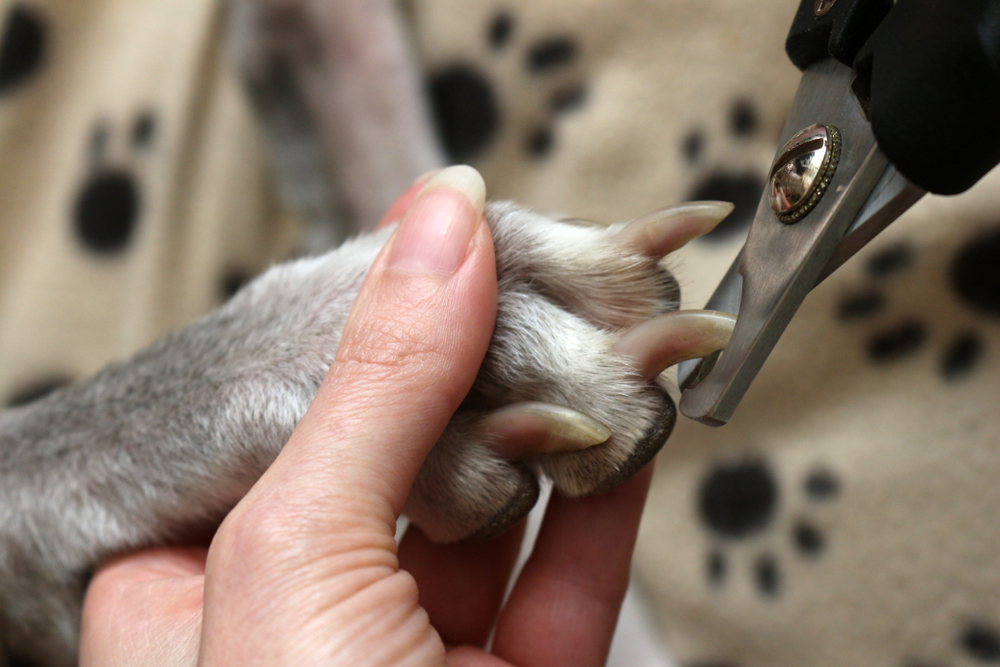
Pick clippers designed for dogs. Scissor-style or guillotine clippers work well. Avoid human nail clippers as they can splinter nails. Sharp tools give a clean cut and reduce stress for your dog.
How To Trim Dog Nails Safely
Hold your dog’s paw gently but firmly. Trim a small bit of the nail at a time. Avoid cutting into the quick, the pink part inside the nail. Cutting the quick causes pain and bleeding. Use a nail file to smooth sharp edges after clipping.
Signs Your Dog Needs Nail Care
Watch for nails clicking on floors or curling under paws. These signs mean nails are too long. Also, check for redness or swelling around nails. These can indicate infection or injury needing attention.
Making Nail Trimming A Positive Experience
Use treats and calm voices during nail care. Take breaks if your dog feels stressed. Practice nail touching before trimming. This helps your dog get used to the process and stay calm.
Cleaning Between Toes
Cleaning between your dog’s toes is important for their health and comfort. Dirt, mud, and small stones can get stuck there. This can cause irritation or infection. Regular cleaning helps keep paws fresh and healthy.
This part of grooming is simple and quick. It prevents bad smells and paw problems. Dogs walk on all kinds of surfaces. Their paws collect many things along the way. Cleaning between toes removes hidden debris.
Gathering The Right Supplies
Use a soft cloth or cotton ball for cleaning. Have warm water ready. Avoid harsh soaps that can dry the skin. A gentle pet-safe cleanser works best. Keep treats nearby to reward your dog.
How To Clean Between Toes
Gently hold one paw at a time. Use the cloth or cotton ball dampened with water. Wipe between each toe carefully. Remove dirt and small particles. Check for redness or swelling during cleaning.
Drying And Checking For Issues
Dry the paws thoroughly after cleaning. Wet paws can cause fungal infections. Look closely for cuts, cracks, or irritation. If you see anything unusual, contact your vet. Regular checks help catch problems early.
Moisturizing Dry Paws
Dry paws can cause discomfort for dogs. Cracked pads make walking painful. Moisturizing helps keep paws soft and healthy. It also protects against rough surfaces and weather. Regular care prevents paw injuries and infections.
Choose A Dog-safe Moisturizer
Select a moisturizer made for dogs. Human creams may contain harmful ingredients. Look for natural products with beeswax or shea butter. These ingredients soothe and heal dry skin.
Clean Paws Before Applying Moisturizer
Wash your dog’s paws with warm water. Remove dirt and debris gently. Dry paws completely to avoid irritation. Clean paws absorb moisturizer better.
Apply Moisturizer Gently
Use a small amount of cream or balm. Rub it gently into the paw pads. Focus on cracks and dry areas. Avoid the spaces between toes to prevent buildup.
Protect Paws After Moisturizing
Limit your dog’s outdoor time until the moisturizer absorbs. Paw booties can protect freshly treated paws. Keep your dog away from rough or hot surfaces.
Repeat Moisturizing Regularly
Moisturize paws at least twice a week. Increase frequency in dry or cold weather. Consistent care keeps paws soft and healthy. Watch for changes in your dog’s paw condition.
Protecting Paws Outdoors
Dog paws face many dangers outdoors. Rough ground, hot pavement, and cold ice can hurt them. Protecting paws is important to keep dogs happy and healthy during walks and playtime.
Good paw care starts with knowing how to shield them from harm. It helps prevent cuts, burns, and infections. Simple steps can make a big difference in paw health.
Use Protective Booties
Booties protect paws from hot, cold, and sharp surfaces. They give a barrier against ice, salt, and rough terrain. Choose booties that fit well and are easy for your dog to wear. Check boots often to keep paws safe and clean.
Apply Paw Balm
Paw balm keeps paw pads soft and moisturized. It stops cracking from dry or cold weather. Rub balm on paws before and after outdoor time. This helps shield pads from harsh conditions and keeps skin healthy.
Clean Paws After Walks
After outdoor walks, clean paws with warm water. Remove dirt, salt, and debris that can cause irritation. Dry paws completely to prevent fungal infections. Regular cleaning protects paws from damage and infections.
Trim Hair Around Paws
Long hair around paws can trap dirt and ice. Trim hair carefully to avoid mats and tangles. Clean paws are easier to check for injuries. Shorter hair helps keep paws dry and comfortable outdoors.
Signs Of Paw Problems
Dog paws need regular care to stay healthy. Noticing signs of paw problems early helps prevent pain and infection. Watch your dog’s paws closely for any changes.
Look for signs that show your dog may have paw issues. These signs often appear before bigger problems develop. Catching them early keeps your dog comfortable and happy.
Redness And Swelling
Red, swollen paws may mean irritation or injury. This can happen from walking on rough surfaces or allergies. Check for warmth and tenderness too. These signs suggest inflammation that needs attention.
Cracked Or Dry Pads
Dry, cracked paw pads hurt your dog while walking. Cold weather or rough ground can cause this. Moisturize pads with a dog-safe balm to keep them soft. Avoid human lotions that might irritate the skin.
Excessive Licking Or Chewing
Dogs lick or chew paws if they feel pain or itching. This behavior can cause sores or infections. Look at the paw skin for cuts, redness, or hair loss. This shows discomfort that needs care.
Bleeding Or Open Wounds
Bleeding paws need quick care. Cuts or scrapes can get infected if not cleaned. Use clean water to rinse the wound. Apply a pet-safe antiseptic and keep your dog from licking the area.
Unusual Odor
Bad smells from paws may signal infection or bacteria. Check between toes and pads for redness or discharge. Clean paws regularly and keep them dry to prevent odor issues.
When To Visit A Vet
Knowing when to visit a vet for your dog’s paw care is important. Some paw problems need a professional’s help. Early visits prevent bigger issues. Watch your dog’s paws closely after each walk or playtime.
Small cuts or scrapes usually heal at home. But certain signs mean it’s time to see a vet. Don’t wait if your dog shows pain or unusual behavior.
Signs Of Infection
Redness, swelling, or pus are signs of infection. Your dog may lick the paw a lot. A bad smell can also mean infection. Infection needs quick vet treatment to avoid spreading.
Severe Injuries
Deep cuts, bleeding that won’t stop, or broken nails need a vet. These injuries can cause pain and infection. A vet can clean and bandage the wound properly. They also check for damage under the skin.
Persistent Limping Or Licking
If your dog limps for more than two days, visit a vet. Constant licking or biting the paw shows discomfort. Limping might mean a sprain, fracture, or foreign object stuck inside.
Swollen Or Hot Paws
Swelling or warmth in the paw can mean inflammation or infection. It may also show an allergic reaction or insect bite. A vet will find the cause and offer treatment.
Foreign Objects Stuck In Paw
Thorns, glass, or stones can get stuck between paw pads. If you cannot remove them safely, see a vet. They have the right tools and knowledge to remove objects. This prevents pain and infection.

Credit: www.amazon.com
Frequently Asked Questions
How Often Should I Groom My Dog’s Paws?
Regular paw grooming should be done every 1 to 2 weeks. This keeps nails trimmed, pads clean, and fur neat. Frequent checks help prevent infections and injuries. Adjust grooming frequency based on your dog’s activity and coat type for best results.
What Tools Are Needed For Dog Paw Grooming?
Essential tools include nail clippers, a paw brush, and a damp cloth. Nail files and paw balm are optional but helpful. Using the right tools ensures safe and effective grooming without hurting your dog.
How Do I Safely Trim My Dog’s Paw Nails?
Use sharp, dog-specific nail clippers and trim small amounts slowly. Avoid cutting too close to the quick, which causes pain and bleeding. If unsure, seek guidance from a vet or professional groomer to prevent injury.
How Can I Clean My Dog’s Paws After Walks?
Wipe paws with a damp cloth or pet-safe wipes to remove dirt and debris. Check between toes for small stones or irritants. Regular cleaning prevents infections and keeps paws healthy, especially after outdoor activities.
Conclusion
Taking care of your dog’s paws keeps them healthy and comfortable. Regular grooming prevents dirt, cuts, and infections. Trim nails carefully to avoid pain or injury. Check pads for cracks or irritation often. Clean paws after walks to remove harmful substances.
Simple steps protect your dog’s well-being every day. Happy paws mean happy dogs. Keep grooming easy and part of your routine. Your dog will thank you with every playful step.


