

Is your dog acting out in ways that leave you frustrated or worried? You’re not alone.
Bad behavior in dogs can be stressful, but the good news is that you have the power to change it. Imagine a home where your dog listens, behaves, and brings you joy every day. This guide will show you practical, easy steps to stop bad dog behavior for good.
Keep reading, and you’ll discover simple techniques that work – no matter how challenging your dog’s habits seem right now. Your better relationship with your furry friend starts here.

Credit: trexhouston.com
Common Bad Behaviors
Dogs can show many behaviors that owners find hard to handle. These behaviors often cause stress for both dogs and people. Understanding common bad behaviors helps in managing and correcting them. Each behavior has reasons behind it and needs specific steps to stop.
Excessive Barking
Barking is normal for dogs. Too much barking can annoy neighbors and family. Dogs bark for attention, fear, boredom, or to protect their space. Learning why your dog barks helps you reduce this noise. Training and exercise often lower barking levels.
Chewing And Destruction
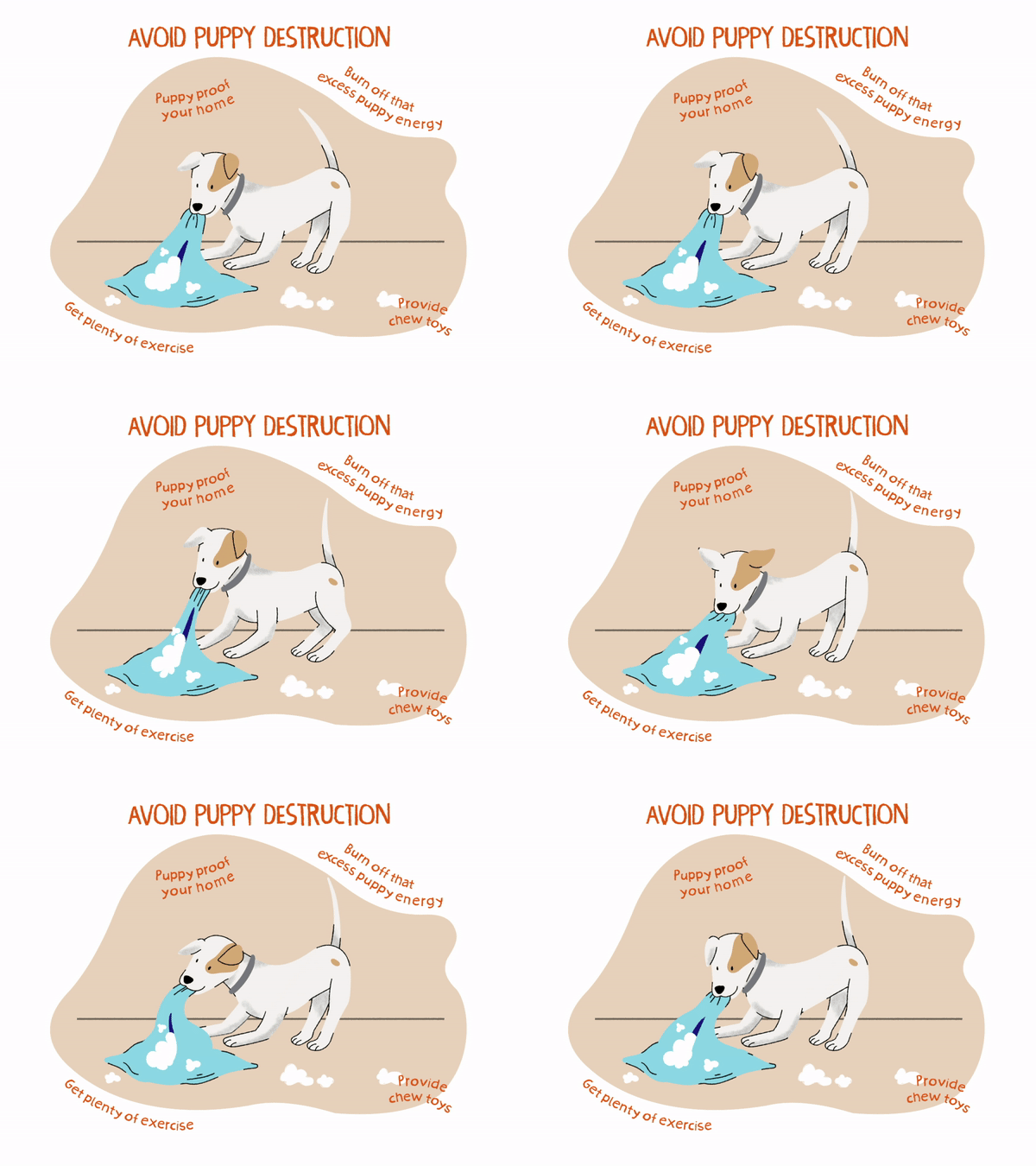
Dogs chew to explore and relieve stress. Chewing furniture, shoes, or other items causes damage. Puppies chew more as they grow. Provide safe chew toys to keep dogs busy. Regular exercise reduces destructive chewing caused by boredom.
Aggression And Biting
Aggression and biting can be dangerous. Dogs may act this way from fear, pain, or protection. Early socialization and training reduce aggressive behaviors. Never punish a dog harshly for biting. Calm, firm guidance helps dogs learn better manners.
Jumping On People
Jumping is a common way dogs greet people. It can be scary or annoying to guests. Teaching dogs to sit when meeting people helps stop jumping. Consistent training and ignoring the dog until calm works well. Reward calm behavior with praise or treats.
House Soiling
House soiling means urinating or pooping inside the home. It can happen with puppies, older dogs, or sick pets. Regular bathroom breaks and a routine prevent accidents. Clean accidents well to remove smells that attract dogs back. Patience and consistency are key to success.
Credit: www.youtube.com
Identifying Behavior Triggers
Understanding what causes bad behavior in dogs helps stop it faster. Dogs act out for many reasons. Finding the root of the problem is key. Watch your dog closely. Look for signs that start the unwanted actions. This makes training more effective and stress-free for both.
Environmental Factors
Changes in the home can upset a dog. Loud noises, new places, or strangers may cause stress. Crowded spaces or lack of quiet spots may trigger bad behavior. Dogs need calm areas to feel safe. Notice what surroundings make your dog uneasy.
Anxiety And Stress
Dogs feel anxious just like people. Separation from owners or sudden changes can increase worry. This may lead to barking, chewing, or digging. Stress can cause a dog to act out more than usual. Identify situations that cause your dog to feel scared or nervous.
Lack Of Exercise
Dogs need regular activity to stay happy. Without enough exercise, they get restless and bored. This boredom can turn into destructive behavior. Running, walking, and play help release built-up energy. Check if your dog’s daily routine includes enough physical activity.
Attention-seeking
Dogs want your focus and love. Sometimes, bad behavior is a way to get attention. Barking or jumping may happen when they feel ignored. Giving attention at the right times helps teach good manners. Notice if your dog acts up when you are busy or distracted.
Basic Training Techniques
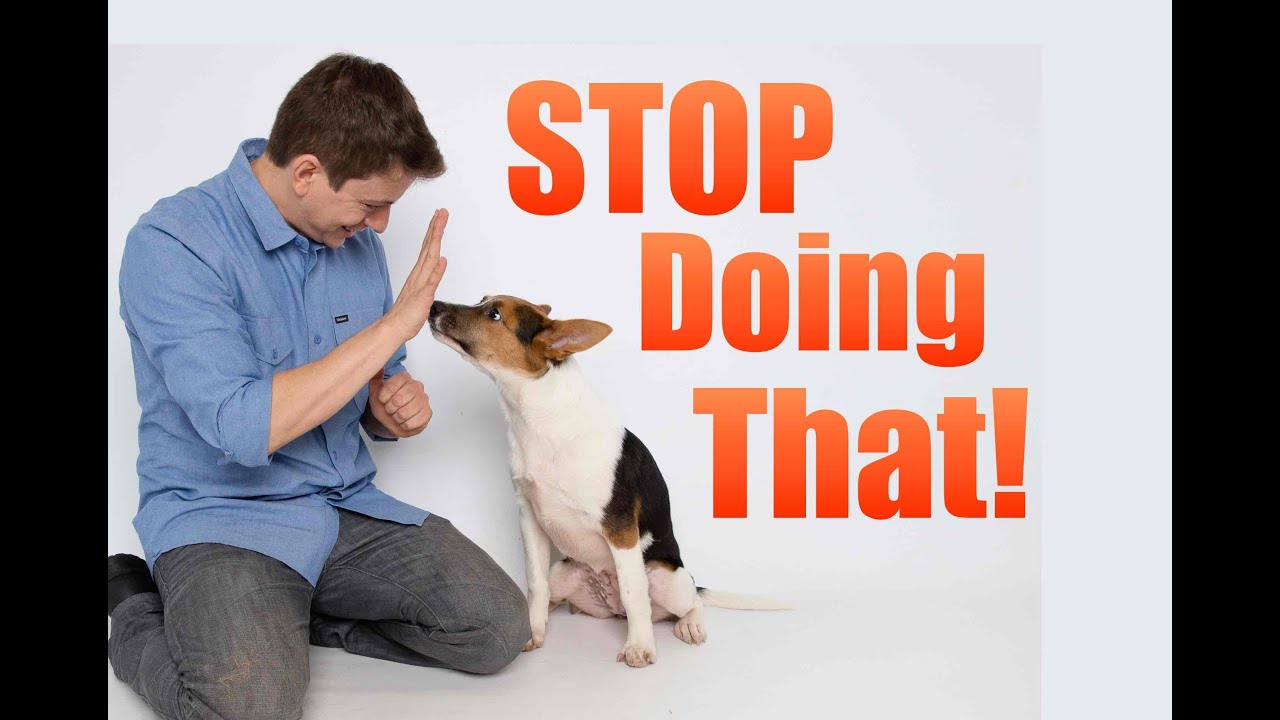
Basic training techniques form the foundation of good dog behavior. These simple methods help dogs understand what is right and what is wrong. Training builds trust between you and your dog. It also makes your dog feel safe and happy. Using easy training steps can stop bad behaviors quickly.
Focus on clear and gentle methods. Avoid harsh punishments. Dogs learn best with kindness and clear signals.
Positive Reinforcement
Reward good behavior with treats, praise, or petting. This encourages your dog to repeat the behavior. Positive reinforcement makes training fun for dogs. They learn faster and stay motivated. Avoid punishment, as it can cause fear and confusion.
Consistency In Commands
Use the same words for commands every time. Consistency helps your dog understand what you want. Family members should use the same commands. This avoids confusing your dog. Keep your tone calm and firm. Repeat commands clearly and patiently.
Timing And Patience
Give rewards immediately after good behavior. Dogs connect actions with results better this way. Be patient; dogs need time to learn. Training sessions should be short and regular. Avoid rushing or showing frustration. Calm and steady training brings the best results.
Managing Problem Behaviors
Managing problem behaviors in dogs takes patience and clear actions. Dogs act out because they need guidance and structure. By managing these behaviors properly, you help your dog learn good habits. This keeps your home peaceful and your dog happy.
Redirecting Energy
Dogs often show bad behavior when they have too much energy. Give your dog a task or playtime to burn off energy. Use toys, games, or walks to keep them busy. This helps stop destructive actions like chewing or barking.
Using Deterrents Safely
Deterrents stop bad behavior without hurting your dog. Use safe sprays or noises to discourage unwanted actions. Avoid harsh punishments that frighten or confuse your dog. Gentle methods teach your dog what is not allowed.
Setting Boundaries
Clear rules help dogs know what they can and cannot do. Use consistent commands and signals every day. Keep certain rooms or furniture off-limits if needed. Boundaries create order and reduce problem behaviors over time.
Building Good Habits
Building good habits in your dog is key to stopping bad behavior. Dogs learn through routine and repetition. Creating positive habits helps them understand what is expected. This makes training easier and your dog happier. Good habits form the foundation for a well-behaved pet. Start with simple, consistent activities that fit your dog’s needs.
Regular Exercise Routines
Exercise helps your dog burn off extra energy. A tired dog is less likely to act out. Walks, runs, or play sessions work well. Try to keep exercise times the same each day. This consistency builds a habit your dog can count on. Regular exercise improves mood and focus too.
Mental Stimulation Activities
Mental work tires your dog in a good way. Puzzle toys, training sessions, and scent games keep their mind busy. These activities reduce boredom, which often causes bad behavior. Short, daily mental challenges help your dog stay sharp. Change games often to keep them interesting.
Socialization With Other Dogs
Meeting other dogs teaches your pet good manners. Social dogs are calmer and less anxious. Visit dog parks or arrange playdates regularly. Watch your dog’s behavior and step in if needed. Positive interactions build confidence and reduce fear. Social habits help your dog stay friendly and balanced.
When To Seek Professional Help
Knowing when to seek professional help is key to stopping bad dog behavior. Some problems need expert guidance for safety and success. Recognizing these signs early can save stress for you and your dog. Professionals offer tools and knowledge to change difficult habits effectively.
Signs Of Severe Behavior Issues
Severe behavior issues include biting, constant barking, and aggression. Dogs that threaten people or other pets need urgent help. Destructive chewing that damages your home nonstop is another sign. Fear or anxiety that causes hiding or trembling also needs attention. These behaviors can worsen without proper care.
Choosing A Trainer Or Behaviorist
Pick someone with experience in dealing with serious dog problems. Look for certified trainers or licensed animal behaviorists. Ask about their methods and success stories. A good professional uses positive training techniques. Avoid those who use harsh punishment or fear tactics.
Behavior Modification Programs
Behavior modification programs focus on changing your dog’s habits gradually. They include training sessions and sometimes medication. Programs are tailored to your dog’s specific issues. Consistency and patience are vital for these programs to work. Progress may take weeks or months but leads to lasting change.
Credit: www.banfield.com
Frequently Asked Questions
How Can I Stop My Dog From Chewing Furniture?
Provide chew toys and praise good behavior. Redirect your dog when it chews furniture. Consistent training and supervision help prevent destructive chewing.
Why Does My Dog Bark Excessively?
Excessive barking can signal boredom, anxiety, or attention needs. Address triggers, provide exercise, and use positive reinforcement to reduce barking.
How Do I Stop My Dog From Jumping On Guests?
Teach the “sit” command and reward calm greetings. Consistently ignore jumping and praise polite behavior to discourage jumping on guests.
What Causes Aggressive Behavior In Dogs?
Aggression often stems from fear, pain, or territorial instincts. Identify triggers, avoid punishment, and seek professional training for safe behavior management.
Conclusion
Stopping bad dog behavior takes patience and clear rules. Consistency helps your dog learn faster. Reward good actions to encourage better habits. Avoid yelling or punishment, as it confuses your pet. Practice training daily, even for a few minutes. Trust grows with kindness and understanding.
Soon, your dog will behave well and be happier. Enjoy the bond that comes from good training. Keep these tips in mind to create a calm, friendly dog. Success is possible with time and care.


