

Training your Dogo Argentino can be one of the most rewarding experiences you’ll have as a dog owner. This strong and intelligent breed needs clear guidance and consistent training to become the loyal companion you want.
If you want to build a deep bond with your Dogo and avoid common behavior problems, you need the right approach from the start. Keep reading, and you’ll discover simple, effective steps that make training your Dogo Argentino easier and more enjoyable for both of you.
Breed Traits
The Dogo Argentino has unique breed traits that affect training. Knowing these traits helps guide your approach. This breed is strong, loyal, and smart. Training should match their nature and needs.
Understanding their temperament, energy levels, and intelligence is key. These traits shape how they learn and behave. Let’s explore each trait to train your dog better.
Temperament
The Dogo Argentino is brave and protective of family. They are calm but can be stubborn at times. This breed is friendly but wary of strangers. Early socialization helps them accept new people. They need firm, gentle guidance to stay balanced.
Energy Levels
This breed has high energy and stamina. They need plenty of exercise every day. Without activity, they can become bored and restless. Walks, runs, and playtime are important for their health. Training sessions should be active and varied.
Intelligence
Dogos are quick learners and problem solvers. They respond well to clear, consistent commands. They enjoy tasks that challenge their mind. Training with rewards and praise works best. Avoid harsh methods; it can harm trust and progress.
Training Basics
Training a Dogo Argentino starts with understanding the basics. This breed is strong and intelligent. Good habits must form early. The training process needs patience and care. Focus on building trust and clear communication. The basics set the stage for all future learning.
Starting Early
Begin training as soon as you bring your dog home. Puppies learn faster than adults. Early training helps prevent bad habits. It also teaches your dog what to expect. Simple commands like “sit” and “stay” work well at first. Early socialization with people and other dogs is important.
Consistency
Be consistent with your commands and rules. Use the same words every time. Everyone in the family should follow the same training style. Consistency helps your dog understand what you want. Avoid changing rules or giving mixed signals. This builds a strong foundation for good behavior.
Positive Reinforcement
Reward your dog for good behavior. Use treats, praise, or playtime as rewards. Positive reinforcement encourages your dog to repeat actions. Avoid punishment or harsh corrections. Rewards make training a fun experience. This method strengthens the bond between you and your Dogo Argentino.
Socialization
Socialization is key to raising a well-behaved Dogo Argentino. It helps your dog feel safe and confident in many situations. Early socialization shapes your dog’s behavior and reduces fear or aggression. Start socializing your dog as soon as possible. Make every new experience positive and calm. This builds trust and good habits for life.
Introducing To People
Let your Dogo Argentino meet different people often. Include adults, children, and strangers with calm energy. Use treats and praise to create positive connections. Allow your dog to approach people at their own pace. Avoid forcing contact to prevent fear. Friendly greetings teach your dog to stay relaxed around others.
Meeting Other Pets
Introduce your dog to other animals slowly. Start with calm, well-behaved pets in a neutral space. Watch body language carefully for signs of stress or aggression. Reward calm behavior with treats and gentle words. Regular, controlled meetings help your dog learn to share space. This reduces chances of fights or fear.
Handling New Environments
Take your Dogo Argentino to new places often. Parks, streets, and pet stores are great spots. Keep your dog on a leash for safety. Let them explore smells and sounds at their own speed. Stay calm and reassuring during the outing. Positive experiences in new places build confidence and reduce anxiety.
Obedience Commands
Teaching obedience commands is key to training your Dogo Argentino. These commands create structure and help your dog understand your expectations. Clear commands build trust and improve behavior. Consistency and patience are essential during training sessions. Use short, simple words for each command. Reward your dog with praise or treats to encourage good actions.
Sit And Stay
Start with the “sit” command by holding a treat above your dog’s nose. Move the treat back over its head. The dog will naturally sit to follow the treat. Say “sit” clearly as the dog lowers its rear. Give the treat and praise immediately. Practice “stay” by asking your dog to sit first. Hold your hand out, palm facing the dog, and say “stay.” Step back slowly. Return and reward your dog for staying still. Gradually increase the time and distance.
Recall
Recall means your dog comes to you on command. Use a happy, inviting tone to say your dog’s name, then “come.” Reward your dog instantly when it reaches you. Practice recall in a safe, enclosed area. Start with short distances and increase them over time. Never punish your dog for coming late. Make recall a positive experience every time.
Leash Training
Leash training helps your dog walk calmly by your side. Use a well-fitted collar or harness and a leash. Allow your dog to sniff and explore at first. When the dog pulls, stop walking. Wait for the leash to relax before moving again. Use treats to encourage walking beside you. Keep sessions short and frequent. Patience and consistency teach your dog good leash manners.
Exercise Needs
The Dogo Argentino is a strong and active dog. It needs plenty of exercise to stay healthy and happy. Exercise helps reduce bad behavior caused by boredom. It also keeps the dog’s mind sharp and body fit. Meeting the exercise needs of a Dogo Argentino is key to good training and a happy pet.
Daily Routine
Set a regular exercise schedule every day. Walk your dog for at least one hour. Break the walk into two sessions, morning and evening. Include some running or jogging if possible. Use a leash to keep control. Consistency helps the dog feel safe and learn rules.
Mental Stimulation
Exercise the dog’s brain as well as its body. Teach new commands and tricks during walks. Use puzzle toys that hide treats. Change routes during walks to keep things interesting. Mental work tires the dog just like physical play. A tired dog is a calm dog.
Fun Activities
Play fetch or tug-of-war to burn energy. Let your dog swim or explore safe areas. Try agility training with simple obstacles. Invite other dogs for social play. Fun activities build trust and deepen your bond. Keep sessions short and exciting to hold attention.
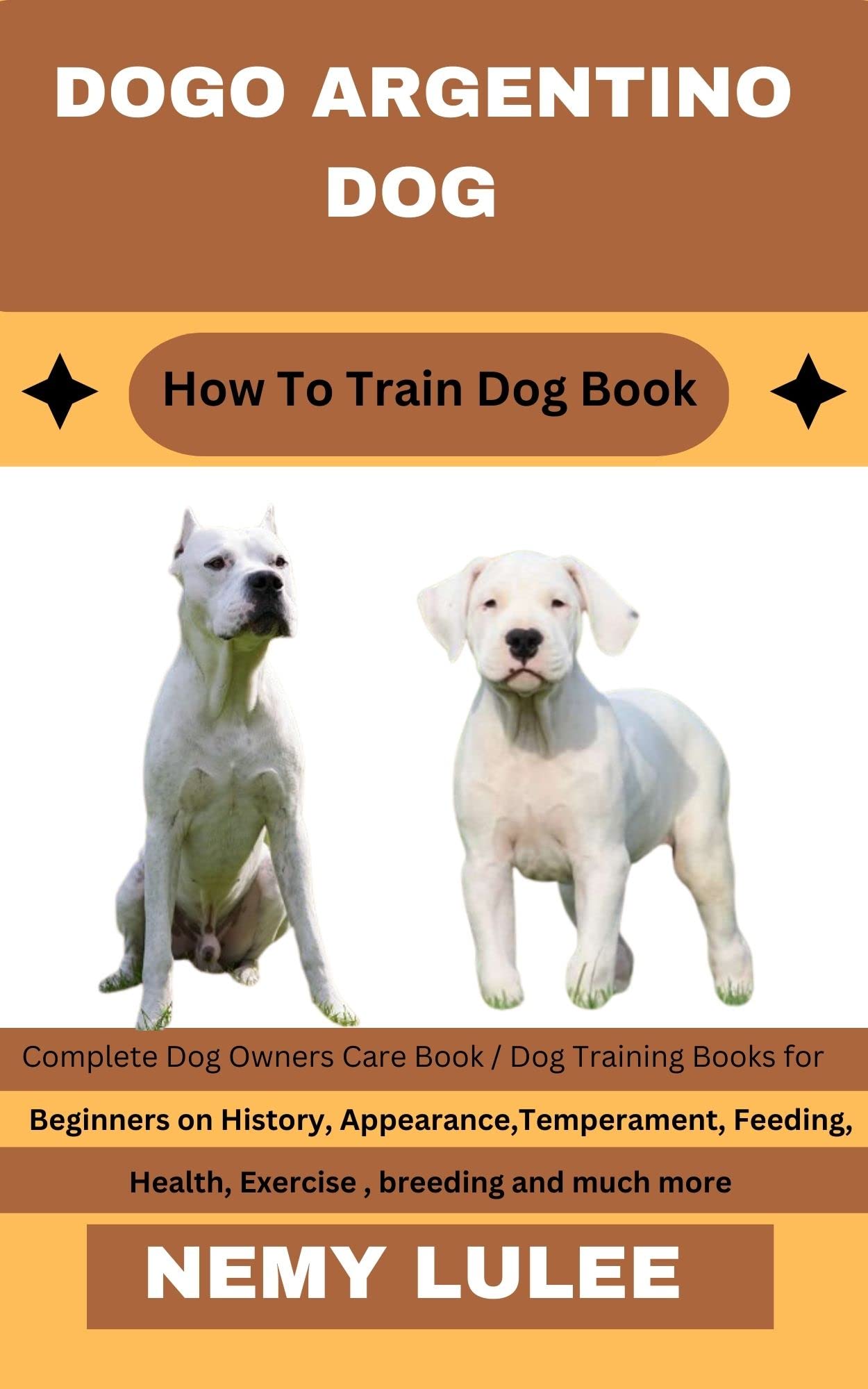
Credit: www.goodreads.com
Common Challenges
Training a Dogo Argentino comes with unique challenges. Understanding these common issues helps build a strong bond with your dog. Patience and consistency are key to overcoming them.
Managing Aggression
Dogo Argentinos have strong protective instincts. Early socialization is crucial to reduce aggression. Teach your dog to stay calm around people and other animals. Use positive reinforcement to encourage good behavior. Avoid harsh punishments that may increase aggression.
Dealing With Stubbornness
This breed can be very determined and independent. Keep training sessions short and fun to hold their attention. Use treats and praise to motivate your dog. Stay calm and firm to show leadership. Consistency helps your dog understand what you expect.
Preventing Destructive Behavior
Boredom often leads to chewing and digging. Provide plenty of exercise to burn off energy. Give your dog safe toys to play with. Redirect unwanted behavior to positive activities. Regular mental stimulation keeps your Dogo Argentino happy and well-behaved.
Health And Nutrition
Keeping your Dogo Argentino healthy starts with good care. Health and nutrition play a big role in your dog’s training success. A strong body helps your dog learn faster and stay active longer. Feeding right and regular health checks keep your dog happy and full of energy.
Balanced Diet
A balanced diet gives your dog the nutrients needed for strong muscles and bones. Choose high-quality dog food with meat, vegetables, and grains. Avoid too many treats or human food. Fresh water should always be available. Feeding the right portions prevents weight problems and keeps your dog fit for training.
Regular Vet Visits
Regular visits to the vet catch health problems early. Vaccinations protect your dog from diseases. The vet checks teeth, ears, and skin for issues. Early treatment keeps your Dogo Argentino in top shape. Discuss your dog’s diet and exercise plan with the vet for best results.
Supplements
Supplements support your dog’s health when food is not enough. Omega-3 helps with coat and joint health. Glucosamine supports strong joints and bones. Always ask your vet before adding supplements. Proper use improves your dog’s comfort and training ability.

Credit: www.offleashsocal.com
Advanced Training
Advanced training takes your Dogo Argentino to the next level. It builds strength, sharpens skills, and improves focus. This stage challenges your dog’s mind and body. Consistent practice helps your dog stay disciplined and happy. Advanced training also deepens the bond between you and your dog.
Agility Training
Agility training improves your dog’s speed and coordination. Set up simple obstacle courses with jumps, tunnels, and weave poles. Teach your dog to follow commands quickly and accurately. This type of training keeps your dog active and mentally alert. It also builds confidence and teamwork.
Protection Skills
Protection skills training enhances your dog’s natural guarding instincts. Teach controlled barking, alertness, and safe restraint techniques. Use positive methods to ensure your dog stays calm and obedient. This training is important for safety and trust. Only trained handlers should guide protection training.
Trick Training
Trick training adds fun and creativity to your sessions. Teach your dog simple tricks like roll over, shake hands, or play dead. These tricks improve your dog’s listening and learning abilities. Use treats and praise to encourage your dog. Trick training strengthens your connection and makes training enjoyable.
Training Tools
Training a Dogo Argentino requires the right tools to ensure success. Proper tools help guide your dog and make learning easier. These tools create clear communication between you and your pet. They also keep training safe and fun.
Leashes And Collars
Use a sturdy leash and collar designed for strong dogs. A well-fitted collar prevents slipping and discomfort. Leashes should be comfortable to hold and strong enough to control your Dogo. Avoid retractable leashes during training sessions. They limit control and can confuse your dog.
Clickers
Clickers provide a clear and consistent sound to mark good behavior. They help your dog understand exactly when they do something right. Use the clicker immediately after the desired action. Pair the clicker with treats to strengthen positive associations.
Treats And Toys
Tasty treats motivate your Dogo during training. Choose small, soft treats for quick rewards. Toys are useful for play-based training and keeping your dog engaged. Use favorite toys to reward good behavior and build excitement.
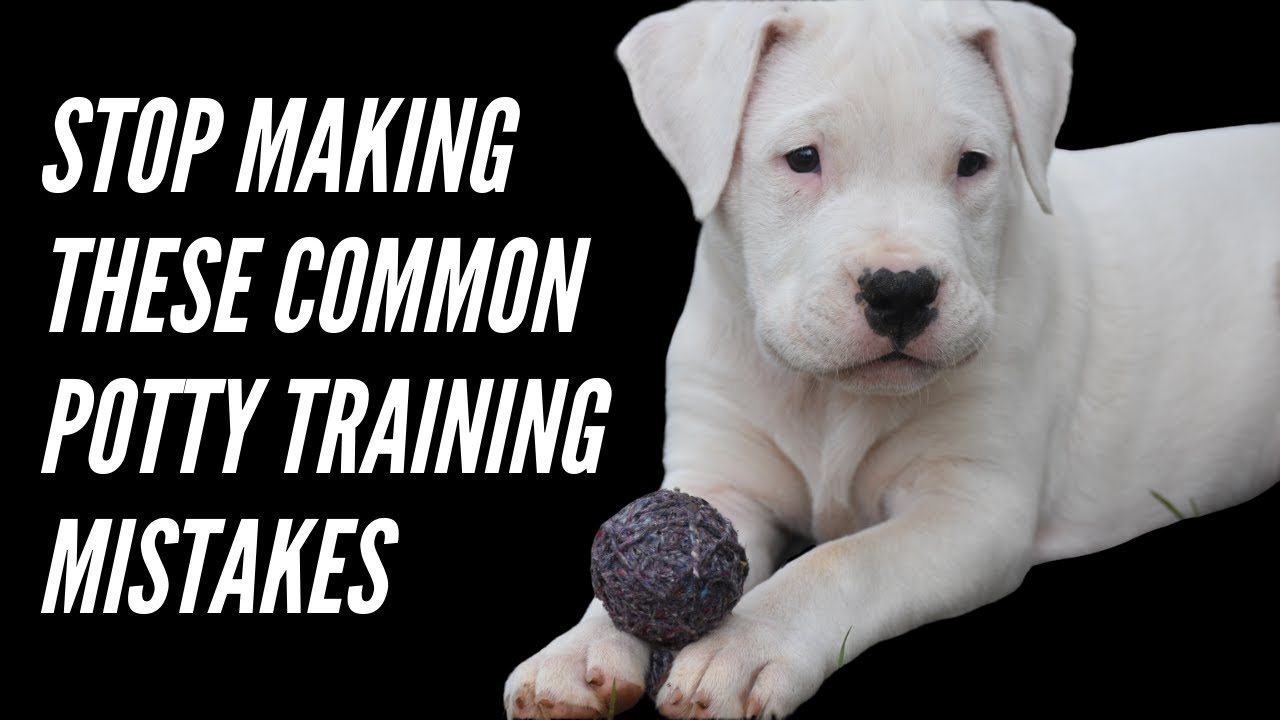
Credit: www.youtube.com
Frequently Asked Questions
How Early Should I Start Training A Dogo Argentino?
Start training your Dogo Argentino as early as 8 weeks old. Early training helps shape good behavior and social skills. Consistency and positive reinforcement are key for successful development.
What Is The Best Training Method For Dogo Argentinos?
Use positive reinforcement techniques like treats and praise. Avoid harsh punishment to maintain trust. Consistent, firm, and patient training works best for this breed.
How Long Should A Dogo Argentino’s Training Sessions Be?
Keep training sessions short, around 10 to 15 minutes. Short sessions maintain your dog’s focus and prevent boredom. Multiple sessions daily are more effective than one long session.
How Do I Socialize My Dogo Argentino Properly?
Expose your dog to different people, animals, and environments early. Positive social experiences reduce aggression and fearfulness. Supervised interactions help your dog develop confidence and good manners.
Conclusion
Training a Dogo Argentino takes time and patience. Start early and be consistent every day. Use clear commands and reward good behavior. Socialize your dog with people and other pets often. Keep training sessions short and fun to hold attention.
Remember, kindness and firmness build trust and respect. A well-trained Dogo Argentino becomes a loyal and happy companion. Stay calm and enjoy the learning journey together. Success comes step by step, with love and care.


