Training your puppy can feel overwhelming, but it doesn’t have to be. Imagine having a well-behaved dog who listens the first time you call.
Wouldn’t that make your life easier and more enjoyable? You’re just a few simple steps away from turning your playful pup into a polite companion. You’ll discover easy and effective puppy obedience training tips that anyone can use. Stick with me, and soon your puppy will be the best-behaved friend you’ve always wanted.
Choosing The Right Training Method
Choosing the right training method is key for your puppy’s success. Each dog learns differently. The right approach makes training easier and more fun. It builds a strong bond between you and your puppy. Understanding basic techniques helps you pick the best method. Focus on methods that encourage good behavior gently and clearly.
Positive Reinforcement Techniques
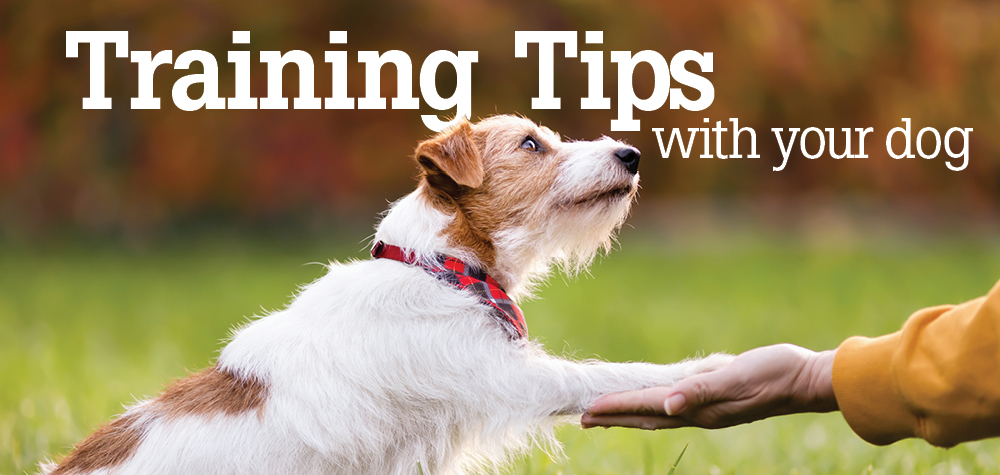
Positive reinforcement means rewarding good behavior. Treats, praise, or playtime work well. This method teaches puppies what you want them to do. It helps your puppy feel happy and safe. Rewards should be immediate to make sense to your puppy. Consistency is important to see fast results.
Clicker Training Basics
Clicker training uses a small device that makes a clicking sound. You click when your puppy does something right. The click marks the exact moment of good behavior. Then, you give a reward like a treat. This method helps puppies learn clear connections. It is simple and effective for many dogs.
Avoiding Punishment
Punishing a puppy can cause fear and confusion. Harsh methods can harm your bond. Avoid yelling, hitting, or scolding. Focus on teaching what to do instead of what not to do. Use gentle guidance and rewards to shape behavior. A calm approach builds trust and respect.
Credit: hsmo.org
Establishing A Routine
Establishing a routine is essential for puppy obedience training. Puppies feel safe and learn better with a steady schedule. A routine helps your puppy know what to expect each day. This reduces anxiety and confusion. Consistent habits build trust and good behavior.
Consistent Training Sessions
Keep training sessions short and regular. Aim for 5 to 10 minutes, two to three times daily. Short sessions keep your puppy focused and eager. Use the same commands every time. Repeat exercises often to reinforce learning. Consistency helps your puppy understand what you want.
Setting Clear Rules
Set clear rules from the start. Decide what behaviors are allowed and which are not. Everyone in the home should follow the same rules. This avoids confusing your puppy. Use simple words for commands. Be firm but gentle. Clear rules guide your puppy to behave well.
Balancing Training And Playtime
Mix training with fun playtime. Puppies learn best when training is enjoyable. Use play as a reward for good behavior. Give your puppy time to relax and explore. Balance helps keep your puppy happy and motivated. A happy puppy learns faster and better.
Teaching Basic Commands
Teaching your puppy basic commands builds a strong bond. It helps your dog understand what you want. Training starts with simple commands that your puppy can easily learn. These commands make daily life safer and more enjoyable for both of you.
Sit, Stay, And Come
Begin with the “Sit” command. Hold a treat above your puppy’s nose. Move it back over their head. When they sit, say “Sit” and give the treat. Repeat this often to build habit.
Next, teach “Stay.” Ask your puppy to sit first. Show your open hand and say “Stay.” Step back slowly. If your puppy stays, reward with a treat. Increase the distance gradually.
“Come” is important for safety. Use a happy voice and say “Come.” Encourage your puppy to come to you. Reward with treats and praise when they obey. Practice in safe, enclosed spaces.
Leash Walking Skills
Start leash training indoors. Let your puppy wear the leash to get used to it. Use treats to guide your puppy beside you. Keep sessions short and positive.
Teach your puppy to walk without pulling. Stop walking if the leash tightens. Wait for your puppy to relax the leash. Then continue walking. This teaches polite walking behavior.
Crate Training Tips
Choose a crate that fits your puppy comfortably. Make it inviting with soft bedding and toys. Encourage your puppy to enter by placing treats inside.
Keep the crate door open at first. Let your puppy explore without pressure. Gradually close the door for short periods. Praise your puppy for calm behavior inside.
Use the crate for naps and bedtime. It becomes a safe, cozy space. Avoid using the crate for punishment. This keeps your puppy happy and relaxed.
.jpg)
Credit: urbanpooch.com
Handling Common Challenges
Training a puppy is rewarding but challenging. Many owners face common problems early on. These issues can test your patience and skills. Understanding simple ways to handle these challenges helps build a strong bond. It also creates a well-behaved dog. Here are key tips for dealing with frequent puppy problems.
Dealing With Biting And Chewing
Puppies explore the world with their mouths. Biting and chewing are normal but must be controlled. Offer safe chew toys to redirect their biting. Avoid using your hands as toys. Praise them when they chew on toys instead of furniture. If biting gets hard, gently say “no” and stop play. Consistent teaching helps reduce biting over time.
Managing Excessive Barking
Barking is a puppy’s way to communicate. Too much barking can be a problem. Identify what triggers your puppy to bark. Use calm commands like “quiet” to control noise. Reward quiet behavior with treats or affection. Avoid yelling; it may increase barking. Regular exercise also helps reduce restlessness and barking.
Addressing Housebreaking Issues
Housebreaking takes patience and routine. Take your puppy outside frequently, especially after meals. Use the same spot for bathroom breaks. Praise and reward them immediately after they go outside. Watch for signs they need to go in. Clean accidents with odor removers to prevent repeat spots. Consistency is key to quick success.
Socializing Your Puppy
Socializing your puppy is a key step in training. It helps puppies learn how to behave around others. Early socialization creates a well-mannered and happy dog. Start socializing your puppy in safe and calm settings. Gradually increase exposure to new people, pets, and places. This builds good habits and reduces fear or aggression later on.
Introducing New People And Pets
Let your puppy meet different people often. Include adults, children, and people with hats or glasses. Allow your puppy to sniff and observe. Keep meetings short and positive. Watch your puppy’s body language for signs of stress.
Introduce other pets slowly and carefully. Start with calm and friendly animals. Use leashes to control interactions. Reward calm behavior with treats or praise. Avoid forcing your puppy into uncomfortable situations.
Exposure To Different Environments
Take your puppy to various places. Parks, streets, and pet stores are good options. Each new environment teaches your puppy to adapt. Let your puppy hear sounds like traffic or children. Introduce different surfaces like grass, concrete, and tile. Short visits help your puppy stay calm and curious.
Building Confidence
Confidence helps puppies face new challenges calmly. Use gentle praise when your puppy tries new things. Avoid scolding for nervous behavior. Offer treats to encourage bravery. Practice new skills in quiet places first. Slowly increase difficulty as your puppy grows stronger.
Maintaining Progress Over Time
Maintaining your puppy’s training progress takes time and patience. Consistency is key to helping your puppy remember what they learned. Training should be part of your daily routine. This keeps good habits strong and helps avoid setbacks.
Regular Practice
Practice commands and skills every day. Short sessions work best for puppies. Frequent practice helps your puppy stay sharp. Use quiet places first, then add distractions. This builds confidence and focus.
Rewarding Good Behavior
Always praise your puppy for good actions. Use treats, toys, or kind words as rewards. This encourages your puppy to repeat good behavior. Rewards make training fun and positive. Avoid punishment, as it can cause fear.
Adjusting Training As Puppy Grows
Your puppy’s needs change as they grow. Increase training difficulty step by step. Introduce new commands and longer sessions. Adapt training to your puppy’s energy and attention span. This keeps your puppy engaged and learning.

Credit: mannersformutts.com
Frequently Asked Questions
How Do I Start Puppy Obedience Training At Home?
Begin with basic commands like sit, stay, and come. Use positive reinforcement and keep sessions short. Consistency and patience are key for effective training.
What Are The Best Treats For Puppy Training?
Choose small, soft, and tasty treats your puppy loves. Avoid large or hard treats to keep training efficient. Treats should be healthy and given in moderation.
How Long Should Puppy Training Sessions Last Daily?
Keep sessions between 5 to 10 minutes. Puppies have short attention spans. Frequent short sessions are more effective than long ones.
When Should I Begin Obedience Training For My Puppy?
Start training as soon as you bring your puppy home. Early training helps build good habits and social skills. Puppies learn best between 8 to 16 weeks.
Conclusion
Training your puppy takes time and patience. Consistency helps your dog learn faster. Use simple commands and rewards to encourage good behavior. Practice daily, even for a few minutes. Stay calm and positive during training sessions. Remember, every puppy learns at its own pace.
Enjoy the process and build a strong bond with your pet. Training creates a happy, well-behaved dog for life. Keep these tips in mind to make training easier and fun. Your puppy will thank you with love and trust.