

Have you ever noticed your dog growling or snapping when you bring out their food? If so, you’re not alone—and understanding why this happens is key to keeping your furry friend calm and safe.
Dog food aggressive behavior can be confusing and even scary, but it doesn’t have to control your relationship with your pet. You’ll discover what triggers this behavior, how to recognize the signs early, and simple steps you can take to help your dog feel secure during mealtime.
Keep reading to learn how to turn tense moments into peaceful ones and build a stronger bond with your dog.
Causes Of Food Aggression
Food aggression in dogs is a common behavior issue that worries many pet owners. Understanding its causes helps manage and reduce this behavior effectively. Several factors contribute to why dogs act aggressively around food.
Genetic Factors
Some dogs inherit a tendency toward food aggression. Certain breeds show stronger guarding instincts. Genetics can influence how protective a dog feels about its food. This natural trait can be more intense in some dogs.
Early Life Experiences
Puppies learn behaviors from their first weeks. Poor socialization or rough handling during this time can cause fear around food. Dogs that faced food scarcity may guard food aggressively. Early experiences shape how dogs react to feeding situations.
Resource Guarding Instinct
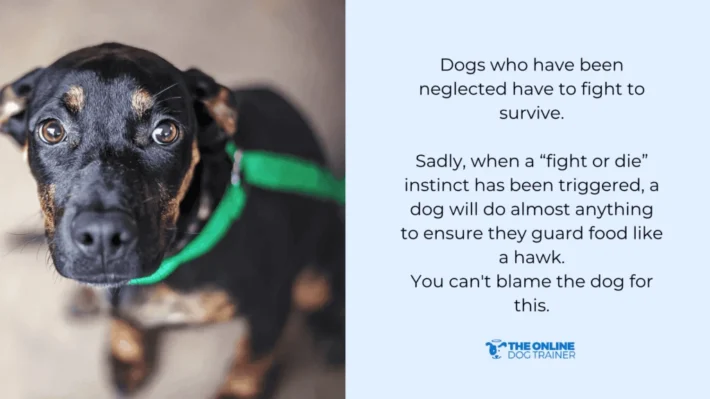
Resource guarding is a natural survival behavior. Dogs protect valuable items like food from others. This instinct helps them feel secure. It can become aggressive if a dog feels threatened while eating.
Medical Issues
Pain or illness can make a dog more defensive. A sick dog might guard food due to discomfort. Conditions affecting hunger or digestion impact food behavior. Vet checks are essential to rule out health problems.
Environmental Triggers
Stressful surroundings increase food aggression risks. Loud noises or busy environments make dogs uneasy during meals. Changes in routine or new pets also trigger guarding behavior. A calm feeding area helps reduce aggression.
Identifying Aggressive Behavior
Recognizing dog food aggressive behavior early is important for safety and training. This type of aggression happens when a dog acts protectively or hostile around food. It can cause stress for both the dog and owner. Understanding the signs helps manage the behavior properly.
Common Signs
Growling or snarling when someone approaches food is a common sign. A dog may snap or bite to protect their meal. Stiff body posture and intense staring show discomfort. Some dogs freeze or move food away from others. Watch for sudden changes during feeding time.
Behavioral Patterns
Food aggression often shows as repeated guarding behaviors. The dog may eat quickly or hide food. They might block access to their bowl or area. This behavior can increase if the dog feels threatened. It may also appear only with specific people or pets.
When To Seek Help
Seek professional help if aggression causes harm or fear. If the dog bites or lunges at family members, get advice. Uncontrolled aggression can worsen without intervention. A trainer or vet can create a safe plan. Early support improves chances of positive change.
Training Techniques
Training techniques play a key role in managing dog food aggressive behavior. These methods help your dog feel safe and calm during meal times. Consistent training can reduce fear and protectiveness around food. Patience and clear steps make a big difference in progress.
Positive Reinforcement
Use treats and praise to reward good behavior near food. Give rewards when your dog stays calm and relaxed. This encourages your dog to repeat peaceful actions. Avoid punishment to keep training positive and effective.
Desensitization Methods
Slowly expose your dog to triggers that cause food aggression. Start with low-intensity situations, like standing far away during feeding. Gradually reduce the distance over time. This helps your dog get used to the presence of others without stress.
Counter-conditioning
Change your dog’s emotional response to food-related situations. Pair the presence of people or other animals with treats. Over time, your dog learns to associate these moments with good things. This reduces fear and aggressive reactions.
Avoiding Punishment
Punishing food aggression can increase fear and worsen behavior. Focus on calm, gentle training methods instead. Use rewards for good behavior and ignore minor missteps. This builds trust and encourages lasting change.

Credit: www.aspca.org
Behavioral Management
Behavioral management is key to reducing dog food aggression. It helps dogs feel safe and calm during mealtime. This lowers stress and stops fights over food. Simple changes can make a big difference in your dog’s behavior.
Safe Feeding Spaces
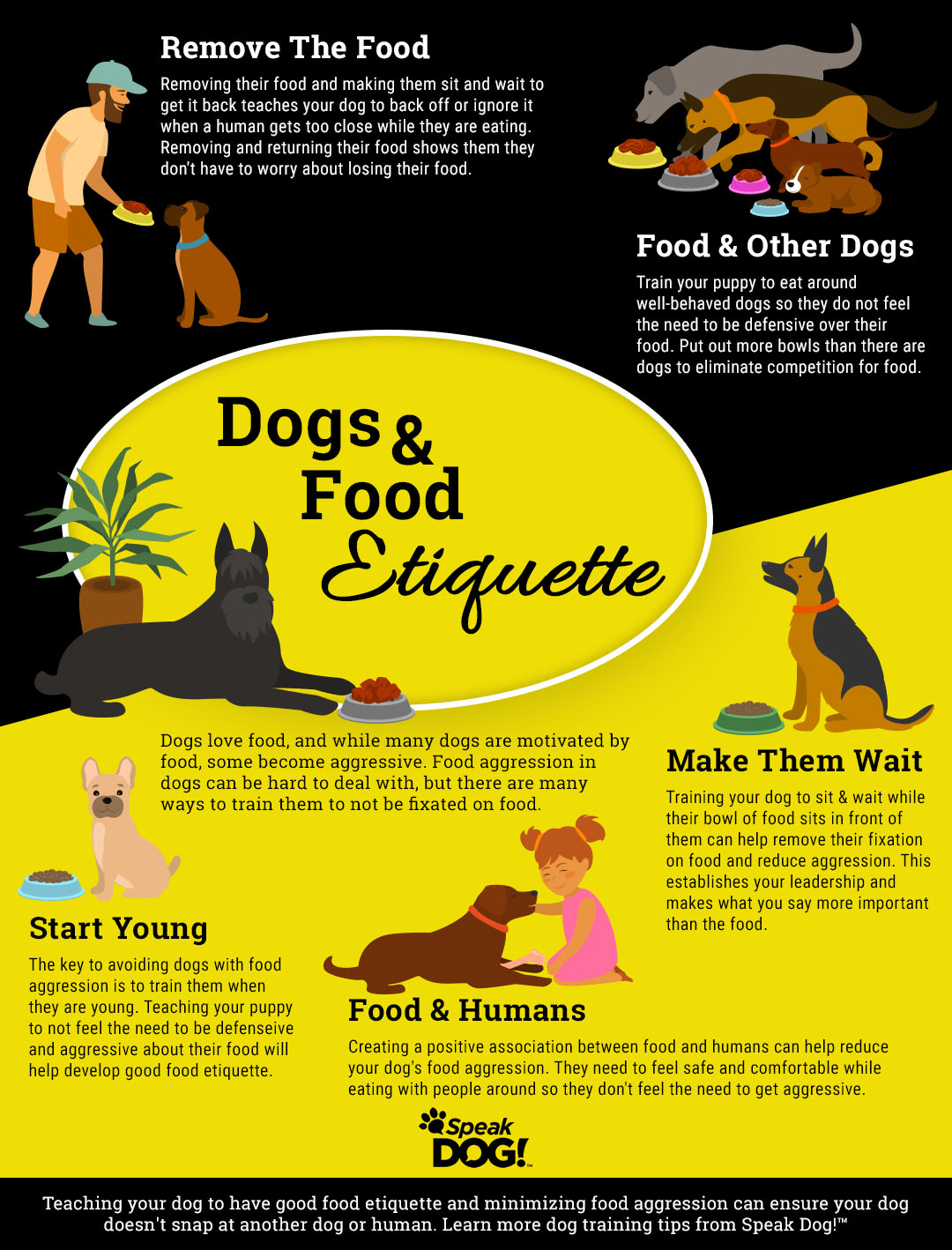
Create a quiet, separate area for your dog to eat. Keep other pets and people away while your dog eats. This space helps your dog feel secure and less worried about food. Avoid crowded or noisy spots for feeding.
Scheduled Meal Times
Feed your dog at the same times every day. Regular meal times build a routine and reduce anxiety. Dogs learn when to expect food, which lowers guarding behavior. Avoid leaving food out all day to prevent guarding.
Supervised Feeding
Watch your dog during meals to prevent aggressive actions. Step in calmly if your dog shows signs of guarding. Praise calm behavior and give treats after meals. Supervision helps teach your dog good manners with food.
Using Interactive Feeders
Interactive feeders slow down eating and keep your dog busy. These feeders make your dog work for food in a fun way. Slower eating reduces guarding and helps digestion. Use puzzle bowls or treat-dispensing toys during meals.
Preventing Food Aggression
Preventing food aggression in dogs is essential for a calm and safe home. Food aggression can cause stress and harm to both pets and people. Early action helps build trust and good behavior during mealtime. Simple steps can reduce tension and keep your dog relaxed around food.
Socialization Tips
Introduce your dog to different people and pets early. Allow gentle and calm interactions during feeding times. Praise your dog for calm behavior around others. This helps your dog feel safe and less possessive over food. Regular socialization reduces fear and guarding tendencies.
Consistent Routine
Feed your dog at the same times each day. Use a quiet, regular place for meals. Consistency creates a sense of security and predictability. Your dog will learn that food is always available. This reduces anxiety and the urge to guard food.
Early Training
Teach basic commands like “sit” and “leave it” before meals. Reward your dog for obeying and staying calm. Practice handling your dog’s food bowl gently. Early training builds respect and control around food. It prevents aggressive reactions during feeding.
Monitoring Health
Check your dog’s health regularly with a vet. Pain or illness can cause food aggression. Keep your dog well-fed and hydrated. Healthy dogs feel less need to guard food. Watch for changes in eating habits or behavior to catch problems early.
Credit: theonlinedogtrainer.com
Professional Support
Professional support plays a key role in managing dog food aggressive behavior. Experts help owners understand the root cause and guide proper steps. They provide safe, effective ways to handle aggression. Early help can prevent worsening issues and keep everyone safe.
Getting advice from trained professionals ensures the dog’s needs are met. It also helps owners feel confident in handling tough situations.
When To Consult A Vet
Visit a vet if your dog shows sudden or severe food aggression. Vets check for pain or illness that may cause behavior changes. They rule out health problems affecting your dog’s mood. Early medical checks prevent misdiagnosis and wrong treatments. A vet’s insight guides the next steps in behavior care.
Role Of Behaviorists
Behaviorists study why dogs act aggressively over food. They observe patterns and triggers in your dog’s actions. These experts create personalized plans to reduce aggression safely. Behaviorists teach owners techniques to build trust and calmness. Their support improves the dog’s quality of life and safety at home.
Training Programs
Training programs help dogs learn better food manners. They use positive methods like rewards and gradual exposure. Programs focus on teaching dogs to share or wait calmly. Consistent training reduces stress and improves owner control. Professional trainers guide owners step-by-step through the process.
Credit: www.tda-int.org
Frequently Asked Questions
What Causes Aggressive Behavior During Dog Feeding?
Aggressive behavior during feeding often stems from resource guarding instincts. Dogs may fear losing their food to others. Stress, past trauma, or improper training can also contribute. Understanding these causes helps address and manage aggression effectively.
How Can I Prevent Food Aggression In Dogs?
Prevent food aggression by establishing a calm feeding routine. Feed dogs separately if needed. Use positive reinforcement to reward calm behavior. Avoid punishing aggression, as it may worsen the issue. Consistency and patience are key to prevention.
Is Food Aggression Dangerous For Dogs And Owners?
Yes, food aggression can lead to biting and injuries. It creates stress for both dogs and owners. Early intervention reduces risks and promotes a safe environment. Professional training might be necessary for severe cases.
Can Diet Influence My Dog’s Aggressive Behavior?
Diet quality affects overall dog behavior and health. Poor nutrition may cause irritability or anxiety, increasing aggression risk. Balanced meals with essential nutrients support calmness and well-being. Consult a vet for diet advice tailored to your dog.
Conclusion
Dog food aggression can cause stress for pets and owners alike. Understanding the reasons helps improve your dog’s behavior. Consistent training and patience work best to reduce aggression. Always provide a calm and safe feeding space. Watch your dog’s body language to prevent conflicts early.
Feeding routines and proper nutrition support better behavior. Remember, small changes make a big difference over time. Stay calm and firm to build trust with your dog. Helping your dog feel safe during meals is key. Aggression around food can be managed with care and effort.


