

Are you noticing changes in your dog’s mood or habits and wondering if pregnancy is the cause? Understanding pregnant dog behavior can help you provide the care and comfort your furry friend truly needs.
From sudden tiredness to unusual nesting actions, your dog’s body and mind go through many shifts during this special time. Keep reading to discover the key signs to watch for and how you can support your dog every step of the way.
Your attentive care can make all the difference in her health and happiness.
Signs Of Pregnancy In Dogs
Pregnancy in dogs brings many changes. These changes help owners know their dog is expecting puppies. Recognizing signs early supports the dog’s health. It also prepares the owner for the new arrival.
Physical Changes
One of the first signs is a swollen belly. The abdomen grows as puppies develop inside. Nipples also become larger and pinker. Some dogs may gain weight quickly. Appetite changes are common too. Some dogs eat more, others less. Vomiting or mild nausea might occur in early stages.
Behavioral Shifts
Pregnant dogs often act differently. They may seem more tired than usual. Resting more and avoiding play is normal. Some dogs become clingy and seek more attention. Others might hide or act shy. Mood swings can happen as hormone levels rise. Watch for nesting behavior close to birth.
Duration Of Pregnancy
Dog pregnancy usually lasts around 63 days. This is about nine weeks. It can range from 58 to 68 days. Timing varies by breed and litter size. Regular vet check-ups help track progress. Knowing this helps plan for the puppies’ arrival.

Credit: alphazoo.de
Common Behavioral Changes
Pregnancy brings many changes in a dog’s behavior. These changes help prepare her for motherhood. Understanding these behaviors can help you support her better. Watch closely as your dog shows signs of her pregnancy.
Increased Affection
Pregnant dogs often want more attention and love. They may follow you around more than usual. Some dogs become very cuddly and seek comfort from their owners. This change helps them feel safe and calm during pregnancy.
Nesting Instincts
As the due date nears, your dog may start nesting. She looks for quiet, safe places to rest. She might scratch or dig in certain areas. This behavior is natural and shows she is ready to have puppies.
Changes In Appetite
Pregnant dogs often eat less at first, then more later. Some may refuse food for a few days. Later, their appetite usually increases to support the growing puppies. Feeding small, frequent meals helps keep her strong.
Health And Nutrition Needs
Pregnant dogs need special care to stay healthy. Their bodies change a lot during pregnancy. Proper nutrition supports their health and the puppies’ growth. Feeding the right food helps avoid problems. Attention to diet, supplements, and water is key.
Balanced Diet Tips
Feed high-quality dog food made for pregnancy or puppies. These foods have the right protein and fat. Increase food amounts gradually as pregnancy progresses. Divide meals into smaller, frequent portions. Avoid giving raw or unbalanced diets. Fresh vegetables and cooked meat are good options. Monitor your dog’s weight to keep it steady. Consult your vet to adjust the diet if needed.
Supplements And Vitamins
Some pregnant dogs need extra vitamins and minerals. Calcium supports strong bones for puppies and mother. Omega-3 fatty acids help brain development. Use supplements only after vet advice. Over-supplementing can harm your dog or puppies. Keep a record of all supplements given. A vet can recommend safe brands and doses.
Hydration Importance
Water is vital for pregnant dogs. It helps carry nutrients to puppies. Always provide fresh, clean water nearby. Increase water intake as pregnancy advances. Dehydration can cause serious health issues. Watch your dog’s water drinking habits. Encourage drinking by refreshing water bowls often. Proper hydration supports healthy pregnancy and delivery.
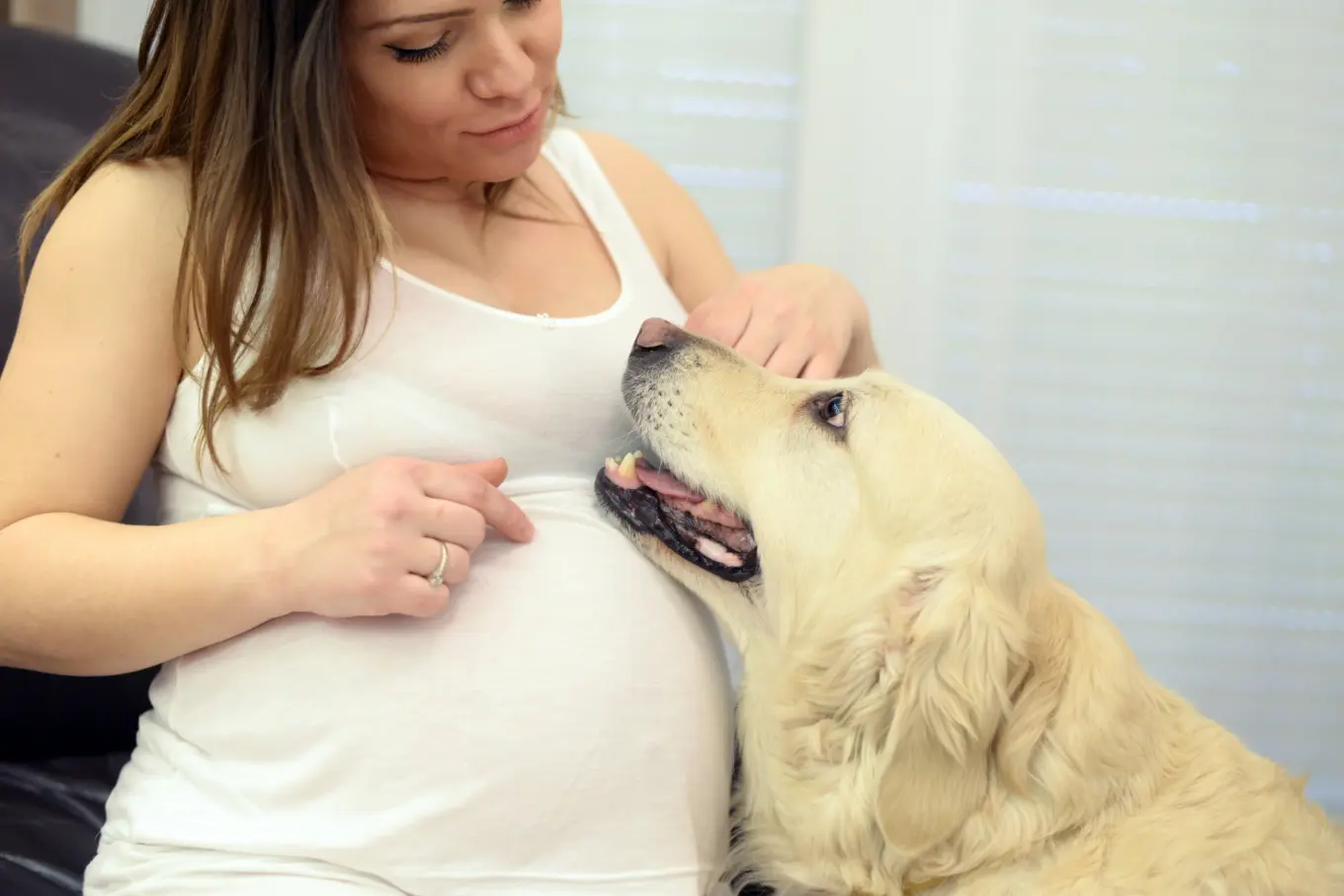
Credit: www.newsweek.com
Exercise And Activity
Exercise and activity are important for pregnant dogs. Staying active helps maintain muscle tone and supports a healthy pregnancy. But exercise should be gentle and not too tiring. The right balance keeps your dog comfortable and safe during pregnancy.
Safe Exercise Routines
Choose low-impact activities like slow walks or light play. Avoid running, jumping, or rough games. Shorter, more frequent walks work better than one long walk. Always walk on soft surfaces like grass to protect joints. Keep exercise calm and steady to avoid injury.
Avoiding Stressful Activities
Do not expose your pregnant dog to loud noises or crowded places. Avoid activities that cause excitement or fear. Stress can harm both the mother and her puppies. Keep her environment quiet and peaceful during exercise times.
Monitoring Energy Levels
Watch your dog’s behavior during and after exercise. Signs of tiredness include heavy panting, slowing down, or lying down. Let her rest if she seems tired or uncomfortable. Adjust exercise length and intensity based on her energy. Pregnant dogs need more rest but still require gentle movement.
Preparing For Whelping
Preparing for whelping is a crucial step for any dog owner expecting puppies. It requires careful attention and a calm environment. Your dog needs a safe place to give birth and care for her newborns. Understanding her behavior during this time helps you support her properly.
Creating A Comfortable Nest
Provide a quiet, warm spot for your dog to rest. Use soft blankets or towels to make the area cozy. The nest should be away from noise and heavy foot traffic. Let her explore and settle in the space before labor begins. This helps reduce her stress and anxiety.
Recognizing Labor Signs
Your dog may become restless or start digging in her nest. She might pant heavily and refuse food. Watch for a drop in her body temperature below 100°F (37.7°C). These signs usually appear 12 to 24 hours before the first puppy arrives. Knowing these signs prepares you for the birth process.
When To Contact A Veterinarian
Contact a vet if labor lasts more than 24 hours without puppies. Also call if your dog strains for over 30 minutes without a pup. Seek help if you see green or bloody discharge before labor. Immediate care is vital if your dog seems weak or in pain. Professional support ensures a safe delivery for mother and puppies.
Emotional Support For Your Dog
Pregnancy is a sensitive time for your dog. Her body changes, and so do her feelings. She may feel nervous, tired, or confused. Emotional support helps her stay calm and happy. Your calm presence can make a big difference. Understanding her needs creates a strong bond. This support helps her prepare for motherhood with less stress.
Calming Techniques
Soft voices soothe your pregnant dog. Gentle petting can reduce her stress levels. Offer a quiet space away from noise. Use a warm blanket for comfort. Play soft music to create a peaceful mood. Avoid sudden movements that may scare her.
Maintaining Routine
Keep feeding times the same every day. Walk your dog at regular times. Stick to her usual sleeping spots. Predictability makes her feel safe and secure. Changes can cause anxiety during pregnancy. Routine keeps her mind and body balanced.
Avoiding Overstimulation
Limit visits from strangers and other pets. Avoid loud noises and busy places. Give her space to rest undisturbed. Overstimulation can increase her anxiety and stress. Calm surroundings help her relax and stay healthy. Watch for signs she needs quiet time.
Postpartum Care
After a dog gives birth, her care changes. This time is called postpartum. It is very important. The mother and her puppies need special attention. This helps keep them safe and healthy. A calm, clean space is best for them. The mother may feel tired and need help. Watching her and her puppies closely is key. Small changes can mean a lot. Understanding what to do makes a big difference.
Monitoring Mother And Puppies
Check the mother often. Watch her behavior and health. Look at the puppies too. They should be warm and active. Puppies need to feed well. The mother should clean them and stay close. Any signs of weakness or coldness need quick action. Keep the area quiet and stress-free. This helps the mother feel safe. Note any unusual smells or discharge from the mother. These can signal problems. Regular checks keep everyone safe and well.
Feeding And Rest Needs
The mother needs more food now. She uses energy to feed puppies. Give her high-quality, nutritious food. Fresh water must be available all the time. Let her rest as much as she wants. Avoid loud noises or too much handling. Puppies grow fast, so the mother’s rest is important. Do not disturb her unless needed. Rest helps her heal and care for her young. Balanced feeding and calm rest support recovery.
Signs Of Complications
Watch for heavy bleeding or foul smell. These may show infection. If the mother refuses to eat or feed, act quickly. Swelling or redness around the nipples is a warning. Puppies that do not nurse or cry loudly need help. The mother may have a fever or seem very tired. These are signs of health issues. Seek help from a vet without delay. Early action can save lives and prevent pain.
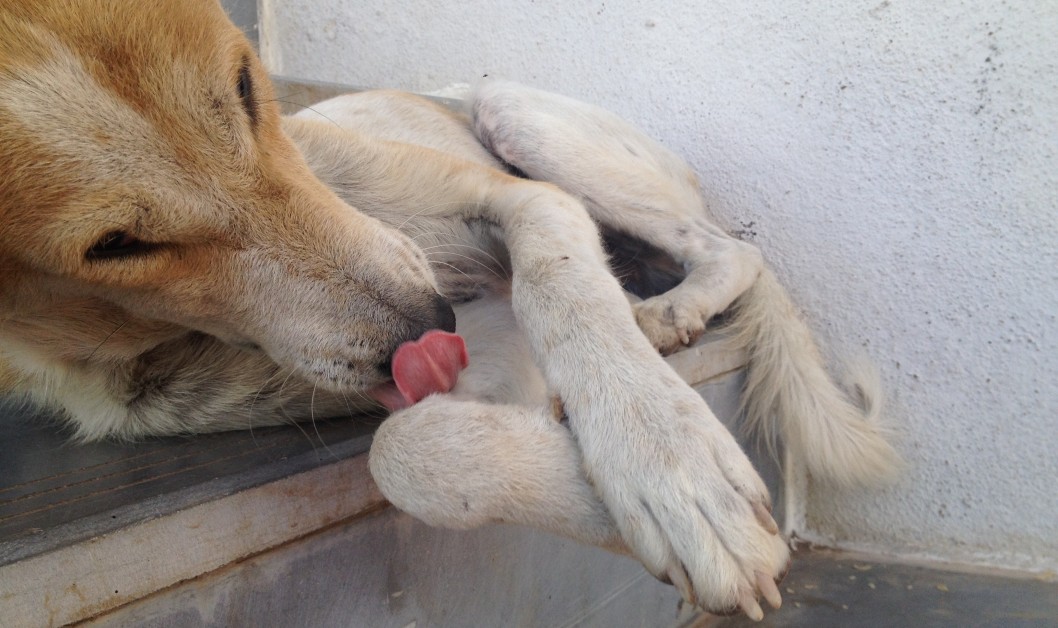
Credit: www.petassure.com
Frequently Asked Questions
What Are Common Signs Of A Pregnant Dog?
Pregnant dogs often show increased appetite, fatigue, and nesting behavior. Their nipples may swell and become darker. Some dogs also become more affectionate or withdrawn during pregnancy.
How Does Pregnant Dog Behavior Change In Early Stages?
In early pregnancy, dogs may exhibit mild nausea, reduced activity, and mood swings. They might seek more rest and show sensitivity to touch or noise.
When Do Nesting Behaviors Start In Pregnant Dogs?
Nesting behaviors typically begin in the last two weeks of pregnancy. Dogs will prepare a safe, quiet space to give birth and care for puppies.
How Should I Care For A Pregnant Dog’s Behavior?
Provide a calm environment, balanced nutrition, and gentle exercise. Avoid stress and loud noises. Monitor for behavioral changes and consult a vet regularly.
Conclusion
Pregnant dogs show many changes in their behavior. They may rest more and eat less at first. You might notice they seek more attention and comfort. These changes are normal and help them prepare for puppies. Watch for signs of stress or illness and act quickly.
Providing a calm and safe space is important. Understanding these behaviors helps you care for your dog better. Stay patient and gentle during this special time. Your care makes a big difference for her and her puppies.

