Are you struggling to understand your dog’s behavior? Do you wish your furry friend listened better and acted more calmly at home?
Dog behavior schools might be the solution you’ve been looking for. These specialized training centers help you and your dog communicate better, making everyday life easier and more enjoyable. You’ll discover how dog behavior schools work, what to expect, and why they could be the key to a happier, well-behaved companion.
Keep reading to find out how you can transform your dog’s behavior and strengthen your bond.
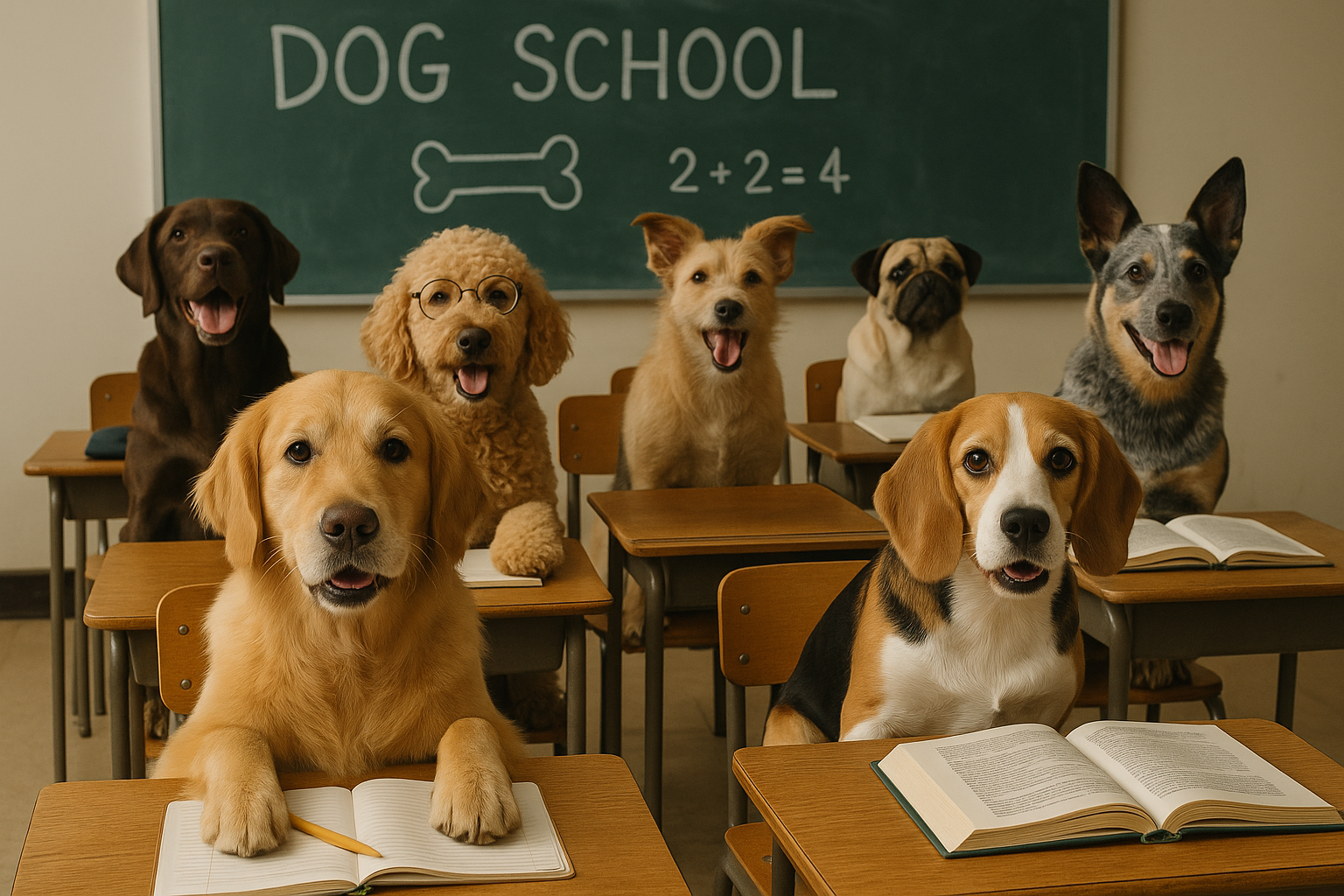
Credit: www.companiondogclub.org
Benefits Of Dog Behavior Schools
Dog behavior schools offer many benefits for dogs and their owners. These schools help improve how dogs behave at home and in public places. Training sessions teach dogs important skills and manners. Owners also learn how to communicate better with their pets.
Attending a dog behavior school can make daily life easier and more enjoyable. Dogs become more confident and less anxious. Owners feel more in control and happier with their pets. This creates a positive environment for both.
Improved Obedience And Manners
Dog behavior schools teach dogs basic commands like sit, stay, and come. Dogs learn to follow rules calmly and quickly. Good manners prevent problems like jumping on people or pulling on the leash. Training helps dogs understand what owners expect from them.
Socialization With Other Dogs
Dogs meet and play with other dogs in a safe space. Socializing helps dogs learn how to behave around others. It reduces fear and aggression toward strange dogs. Dogs become friendlier and more relaxed in new situations.
Building Owner-dog Bond
Training sessions create time for owners and dogs to connect. Owners learn how to read their dog’s signals and feelings. Dogs feel loved and understood through positive interactions. This bond increases trust and cooperation between them.
Addressing Behavioral Issues
Behavior schools help fix problems like barking, biting, or chewing. Trainers use gentle methods to change bad habits. Owners learn ways to manage and prevent issues at home. Early intervention stops small problems from getting worse.
Types Of Training Programs
Dog behavior schools offer different training programs to meet various needs. Each program focuses on specific skills and challenges. Choosing the right type helps your dog learn well and behave better.
Puppy Training Classes
These classes start early to build good habits. Puppies learn social skills, basic commands, and house training. It helps them grow into confident and well-behaved dogs. Early training prevents many future problems.
Basic Obedience Training
This program teaches essential commands like sit, stay, and come. Dogs learn to listen and follow instructions. It improves daily life and strengthens the bond with owners. Consistency and patience are key to success.
Advanced Behavior Modification
This training focuses on fixing unwanted behaviors. It addresses issues like excessive barking or digging. Trainers use special techniques to change habits. Progress takes time but leads to lasting results.
Specialized Training For Aggression
This program helps dogs with aggressive behavior. Experts work carefully to ensure safety and control. It involves understanding triggers and teaching calm responses. Proper guidance reduces risks and improves relationships.
Choosing The Right School
Choosing the right dog behavior school is key to your dog’s success. The school shapes your dog’s habits and skills. Picking a school that fits your dog’s needs helps create a happy, well-behaved pet. Several factors influence this choice. Understanding these can guide you to the best option.
Qualifications Of Trainers
Trainers must have proper education and experience. Look for certifications from recognized dog training organizations. Trainers should understand dog psychology and behavior well. Experience with different dog breeds is important. Skilled trainers handle various behavior problems confidently.
Training Methods Used
Check if the school uses positive reinforcement techniques. These methods reward good behavior and build trust. Avoid schools that use harsh punishments or fear-based methods. Training should be gentle and effective. The approach must suit your dog’s personality and needs.
Class Size And Environment
Small class sizes allow for more attention to each dog. A calm, clean, and safe environment helps dogs learn better. The facility should have enough space for exercises and socialization. Observe if dogs seem relaxed and focused during classes. This indicates a good learning atmosphere.
Reviews And Success Stories
Read reviews from past clients to gauge school quality. Success stories show the school’s ability to solve behavior issues. Positive feedback reflects satisfied owners and happy dogs. Ask for references or visit the school to see results firsthand. Reliable schools will gladly share success cases.
What To Expect During Training
Training at a dog behavior school is a clear, step-by-step process. It helps both dogs and owners learn new habits and skills. Each stage is designed to make training smooth and effective.
You will see a mix of evaluation, practice, and guidance. The trainers work closely with you and your dog. This ensures the training fits your dog’s needs and your lifestyle.
Initial Assessment And Goal Setting
The first step is an initial assessment. Trainers observe your dog’s behavior and reactions. This helps identify strengths and areas to improve.
You and the trainer discuss your goals. Clear goals guide the training process. They focus on issues like obedience, social skills, or specific problems.
Training Sessions Structure
Training sessions follow a set structure. Each session starts with warm-up exercises. Then, trainers introduce new commands or behaviors.
Sessions are short but frequent. This keeps dogs focused and prevents stress. Positive reinforcement is used to encourage good behavior.
Owner Involvement And Homework
Owners play a big role in training success. Trainers teach you how to practice skills at home. Homework helps dogs learn faster and better.
Consistent practice strengthens the bond between you and your dog. It also helps maintain progress made during sessions.
Tracking Progress And Adjustments
Progress is tracked throughout the training. Trainers take notes and may record sessions. This shows what works and what needs change.
Adjustments are made based on your dog’s response. Training plans stay flexible to fit your dog’s pace and needs.
Common Behavioral Problems Treated
Dog behavior schools help dogs and their owners fix common problems. These problems make life hard for both dogs and people. Training and guidance can improve a dog’s behavior and happiness.
Each dog is different, but some issues show up often. These schools focus on fixing behaviors that cause stress or danger. Learning about these problems helps owners understand what training is needed.
Excessive Barking
Dogs bark to communicate. But too much barking can annoy neighbors and owners. Behavior schools teach dogs when to stop barking. They use techniques to reduce noise without hurting the dog.
Separation Anxiety
Many dogs feel scared when left alone. They may howl, chew things, or have accidents inside. Trainers help dogs feel calm and safe alone. They use slow steps to build the dog’s confidence.
Leash Pulling
Walking a dog that pulls is hard and tiring. Behavior schools show owners how to teach dogs to walk nicely. Proper leash training makes walks safer and more fun for both.
Aggression Towards People Or Dogs
Aggressive behavior can be dangerous. Trainers find the cause of aggression and work to change it. They teach dogs to be calm around others. Safe methods help dogs live peacefully with people and other pets.
Credit: flying-ace.com
Tips For Maintaining Training Results
Maintaining the training results from dog behavior schools is important for a happy pet. Training does not stop after classes end. Consistency and care help keep your dog well-behaved. The following tips support lasting success in training.
Consistent Practice At Home
Practice training exercises daily. Short sessions work best. Repetition helps your dog remember commands. Use the same words and gestures. Consistency builds strong habits. Avoid long breaks between sessions. Regular practice makes good behavior normal.
Positive Reinforcement Techniques
Reward your dog for good actions. Use treats, praise, or playtime. Positive rewards encourage repeat behavior. Avoid punishments or harsh words. Gentle guidance builds trust. Rewards make training fun and effective.
Regular Follow-up Sessions
Schedule refresher training every few months. Follow-up sessions keep skills sharp. Trainers can address new issues. They also adjust techniques as needed. Regular check-ins prevent old problems from returning.
Adapting Training As Your Dog Grows
Dogs change with age and health. Training methods should change too. Adjust exercises to fit your dog’s energy. Older dogs may need slower, gentler routines. Keep training relevant for all life stages.

Credit: mckelveykennels.com
Frequently Asked Questions
What Are Dog Behavior Schools?
Dog behavior schools provide training to improve dogs’ social skills and correct unwanted behaviors. They use positive reinforcement and expert guidance to help dogs and owners build a strong bond. These schools cater to various breeds and address issues like aggression, anxiety, and obedience.
How Do Dog Behavior Schools Work?
Dog behavior schools use structured programs tailored to each dog’s needs. Trainers assess behavior, design customized plans, and use consistent techniques. Classes often include group sessions and one-on-one training to reinforce good habits and reduce problem behaviors effectively.
Who Should Attend Dog Behavior Schools?
Dog owners struggling with behavioral problems or new puppy parents benefit most. These schools help dogs with aggression, fear, or disobedience. Even well-behaved dogs can benefit from socialization and advanced obedience training offered by these schools.
How Long Does Dog Behavior Training Take?
Training duration varies based on the dog’s issues and consistency. Basic obedience may take 4 to 8 weeks. Complex behavioral problems might require several months. Regular practice and owner involvement are crucial for lasting results.
Conclusion
Dog behavior schools help dogs learn good habits and manners. They create a safe space for dogs to practice new skills. Trainers use gentle methods that build trust between dogs and owners. Attending these schools can reduce unwanted behaviors and improve communication.
Training also strengthens the bond you share with your pet. Choosing the right school makes a big difference in success. Consistency and patience are key to seeing real progress. Every dog can benefit from learning in a positive setting. Give your dog the chance to grow and thrive.