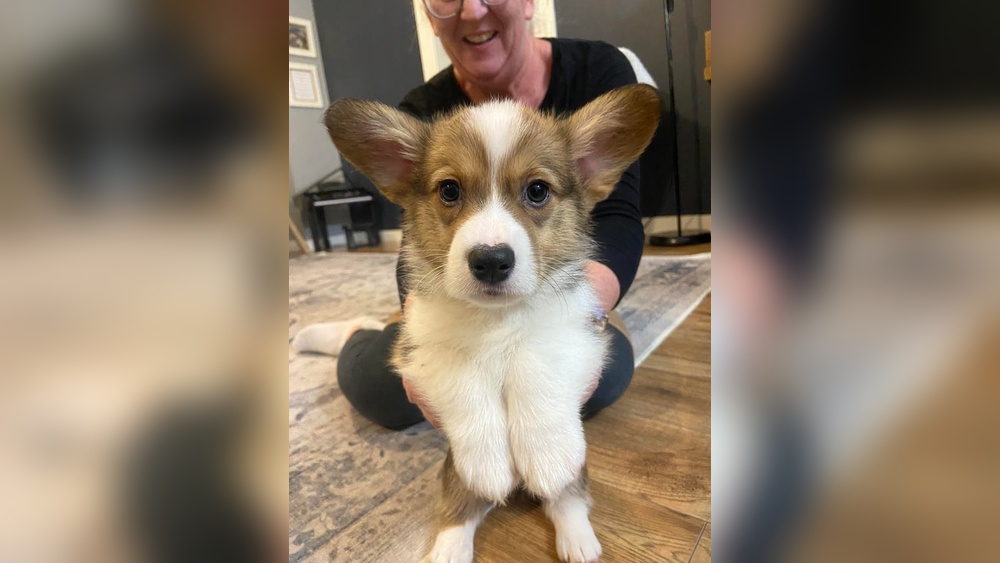
Potty training your puppy can feel overwhelming, but it doesn’t have to be. Imagine having a happy, well-trained pup who knows exactly where to go—no more messes or stress.
You want to get it right from the start, and that’s exactly what this guide will help you do. With simple, proven tips, you’ll learn how to make potty training quick and easy for both you and your puppy. Ready to turn your puppy into a potty pro?
Let’s dive in!
Choosing The Right Spot
Choosing the right spot for potty training sets the foundation for success. Puppies learn best when the place is clear and easy to find. Picking a good spot helps your puppy understand where to go. It also makes cleaning up easier for you. This step builds good habits early on and reduces accidents in the house.
Consistency In Location
Pick one spot and always use it for potty breaks. Dogs remember places by smell and sight. Changing the spot confuses them and slows training. Take your puppy to the same area every time. This routine helps your puppy learn quickly. Consistency makes potty training smoother for both of you.
Safe And Accessible Area
Choose a spot that is safe and easy to reach. Avoid busy roads or places with sharp objects. Your puppy needs comfort and security during potty time. A quiet, calm area helps your puppy relax and focus. Make sure the spot is close enough to go outside often. This keeps accidents low and training on track.
Establishing A Routine
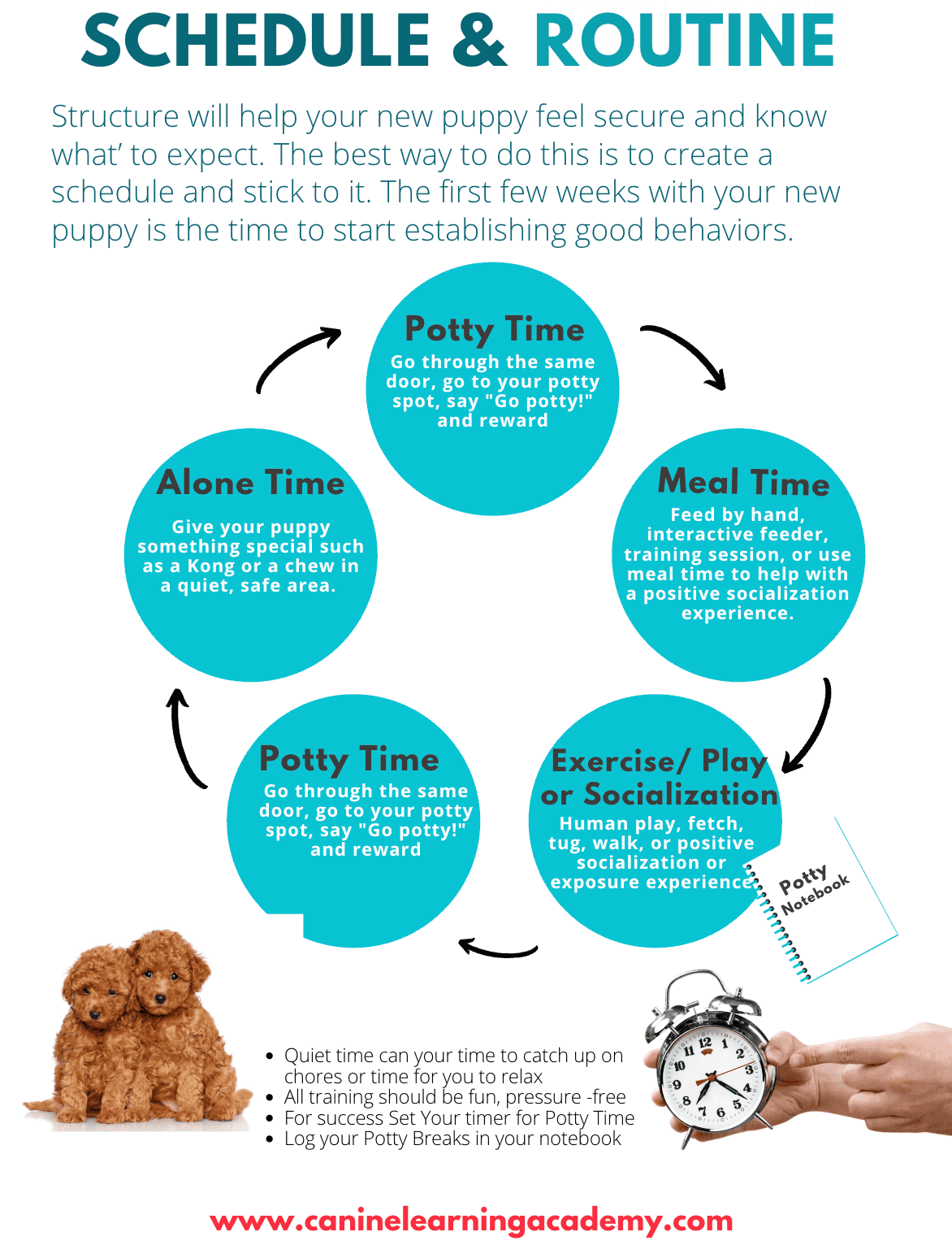
Establishing a routine is key to potty training a puppy. Dogs thrive on consistency. A clear daily schedule helps your puppy understand when and where to go. This reduces accidents and builds good habits fast.
Start by setting fixed times for feeding and potty breaks. This predictability makes training easier for both of you.
Regular Feeding Schedule
Feed your puppy at the same times each day. This controls digestion and potty needs. Avoid free feeding or random meal times. Regular meals create a pattern your puppy can follow. It also helps you predict when your puppy will need to go outside.
Frequent Potty Breaks
Take your puppy outside often, especially after meals, play, and naps. Puppies have small bladders and need frequent breaks. Set a timer if needed to remind yourself. Praise your puppy each time they potty outside. This encourages repeat good behavior and speeds up training.
Recognizing Puppy Signals
Potty training a puppy requires patience and attention. Recognizing the signs your puppy gives before needing to go is very helpful. Puppies cannot tell you in words, but their body shows clear signals. Watching these signals closely helps prevent accidents inside the house. It also makes training faster and less stressful for both of you.
Common Signs Before Potty
Puppies often sniff around and circle before going potty. They may suddenly stop playing and look restless. Some puppies whine or bark to get your attention. Others might walk towards the door or a specific spot. These behaviors usually mean they need to go out soon.
Responding Quickly
Act fast when you see these signals. Take your puppy outside immediately. Delaying can cause accidents indoors. Praise your puppy right after they go outside. This helps them learn where to go. Quick response and positive feedback build good habits fast.
Using Positive Reinforcement
Using positive reinforcement is a gentle way to teach your puppy good habits. It helps your puppy understand what behavior you want. This method builds trust and makes training a happy time for both of you. Rewards encourage puppies to repeat good actions quickly.
Treats And Praise
Give your puppy small treats for going potty in the right place. Use soft, tasty treats that your puppy likes. Along with treats, use kind words and a happy tone. Say “Good job!” or “Well done!” to show your puppy they did well. Treats and praise work best together. They help your puppy feel proud and excited to learn.
Timing Rewards Right
Give the treat and praise immediately after your puppy finishes pottying. Waiting too long can confuse your puppy. They might not connect the reward with the right action. Watch your puppy closely and reward right away. This timing helps your puppy learn faster. Quick rewards make training clear and fun.
Handling Accidents Calmly
Accidents are a normal part of potty training a puppy. Staying calm helps your puppy learn faster. Reacting with anger can confuse and scare your puppy. Calm handling builds trust and encourages good habits.
Avoiding Punishment
Do not punish your puppy for accidents. Puppies do not understand punishment. They learn better from gentle guidance. Use a soft voice to correct your puppy. Praise your puppy when it goes in the right place. This teaches what you want, not fear.
Cleaning Tips To Prevent Repeat
Clean accidents quickly and well. Use enzyme cleaners to remove all smells. This stops your puppy from returning to the same spot. Avoid cleaners with ammonia; they smell like urine. Wash bedding and toys if they get soiled. A clean home helps your puppy learn faster.
Crate Training Benefits
Crate training offers many benefits for potty training a puppy. It creates a safe space for your puppy. This helps your puppy learn bladder control. Puppies do not like to soil their sleeping area. The crate encourages holding until a bathroom break. It also reduces accidents around the house. Crate training builds good habits early. It helps your puppy feel secure and calm.
Choosing The Right Crate
Select a crate that fits your puppy comfortably. It should be large enough to stand and turn. Avoid crates too big; puppies may use one side as a bathroom. A well-sized crate supports training and comfort. Look for crates with good ventilation. Make sure it is easy to clean. Choose a crate that suits your home space.
Incorporating Crate Time
Introduce your puppy to the crate slowly. Let your puppy explore with the door open. Use treats and toys to create positive feelings. Gradually increase the time your puppy stays inside. Never use the crate as punishment. Schedule bathroom breaks right after crate time. Consistency helps puppies learn faster. Crate time should be a calm, happy moment.
Monitoring Diet And Water Intake
Monitoring your puppy’s diet and water intake helps control bathroom habits. A steady schedule reduces accidents and makes potty training easier. Knowing when and how much your puppy eats and drinks guides their bathroom needs. This control helps you predict when your puppy needs to go outside.
Feeding Times Impact
Feed your puppy at the same times every day. Regular feeding sets a routine for digestion and bathroom breaks. Avoid free feeding, where food is always available. Scheduled meals help you know when your puppy will need to go. This timing makes potty training more predictable and effective.
Controlling Water Before Bed
Limit water intake an hour before bedtime. This reduces the chance your puppy will need to go overnight. Always provide water during the day to keep your puppy hydrated. Control water at night to protect your bed and floor. This simple step improves nighttime potty success.

Credit: petcareadvisorusa.com
Dealing With Common Challenges
Potty training a puppy is not always smooth. Challenges often arise, testing your patience and consistency. Understanding common issues helps you handle them well.
Knowing what to expect prepares you to stay calm. Each problem has simple solutions that keep your training on track.
Regression Phases
Sometimes puppies forget their potty habits. This is called regression and happens often.
It may occur due to stress, new environments, or changes at home. Stay patient and keep routines steady.
Return to basic training steps. Praise and reward good behavior. Avoid punishment, as it confuses your puppy.
Training Multiple Puppies
Training more than one puppy adds difficulty. Each puppy learns at a different pace.
Train each puppy separately at first. This helps avoid confusion and sets clear expectations.
Use separate potty areas and keep sessions short. Give plenty of attention to each puppy.
When To Seek Professional Help
Potty training a puppy can be challenging. Sometimes, problems arise that need expert advice. Knowing when to seek professional help saves time and stress. It also helps keep your puppy healthy and happy.
Signs Of Medical Issues
Watch for signs that could mean health problems. Frequent accidents indoors might signal a urinary infection. Straining to pee or blood in urine are warning signs. Sudden changes in bathroom habits need a vet check. Puppies with pain or discomfort during potty time need care. Ignoring medical issues can make training harder and cause pain.
Finding A Trainer
Choose a trainer with experience in puppy potty training. Look for someone who uses gentle, positive methods. A good trainer understands puppy behavior and patience. Trainers can offer personalized tips and solve specific problems. They help create a clear and consistent training plan. Working with a trainer boosts your confidence and your puppy’s success.
Credit: caninelearningacademy.com
Credit: caredogs.blog
Frequently Asked Questions
How Long Does Puppy Potty Training Usually Take?
Puppy potty training typically takes 4 to 6 months. Consistency and patience speed up the process. Some puppies learn faster, depending on breed and age.
What Are The Best Potty Training Tips For Puppies?
Use a consistent schedule, praise success, and supervise closely. Take your puppy outside frequently, especially after meals and naps. Clean accidents promptly with enzyme cleaners to remove odors.
How Often Should I Take My Puppy Outside To Potty?
Take your puppy outside every 1 to 2 hours. Puppies have small bladders and need frequent bathroom breaks. Regular trips help prevent accidents and reinforce good habits.
What Are Common Potty Training Mistakes To Avoid?
Avoid punishing accidents, inconsistent routines, and infrequent bathroom breaks. Punishment confuses puppies and slows learning. Consistency and positive reinforcement are key to success.
Conclusion
Potty training a puppy takes time and patience. Consistency helps your puppy learn faster. Praise your puppy for good behavior. Clean accidents calmly without scolding. Use a set schedule for bathroom breaks. Watch your puppy’s signs to avoid messes. Keep training sessions short and positive.
Remember, every puppy learns in their own way. With care and effort, your puppy will succeed. Enjoy the journey with your new friend!