Bringing an English Bulldog puppy into your home is exciting, but training them can feel overwhelming. You want your new furry friend to grow into a well-behaved, happy companion, right?
That’s why having the right training tips is so important. You’ll discover simple, effective ways to teach your English Bulldog good habits from day one. Keep reading, and you’ll learn how to make training easier and more enjoyable for both you and your puppy.
Choosing The Right Training Approach
Choosing the right training approach for your English Bulldog puppy is very important. Each puppy learns in a unique way. Picking the best method helps your puppy grow happy and well-behaved.
Start by understanding your puppy’s personality and needs. Some puppies respond well to treats, while others like praise more. A good approach builds trust and encourages learning.
Positive Reinforcement Techniques
Positive reinforcement means rewarding good behavior. This can be treats, petting, or kind words. It helps puppies know what actions please you.
This method is gentle and effective. It makes training fun for your puppy. Avoid punishment, as it can cause fear or confusion.
Consistency In Training
Training must be consistent. Use the same commands and signals every time. This helps your puppy understand what you expect.
Practice short sessions daily. Consistency builds habits faster. Everyone in the family should follow the same rules.
Setting Realistic Goals
Set small, clear goals for each training session. Start with simple commands like “sit” or “stay.” Achieve one step at a time.
Be patient. Puppies learn slowly and need time. Celebrate progress, no matter how small it seems.
Housebreaking Your Bulldog Puppy
Housebreaking your English Bulldog puppy is a key part of training. It helps your puppy learn where to go potty. This process needs patience and consistency. Bulldogs can be stubborn, so stay calm and firm. Early training sets good habits that last a lifetime.
Establishing A Routine
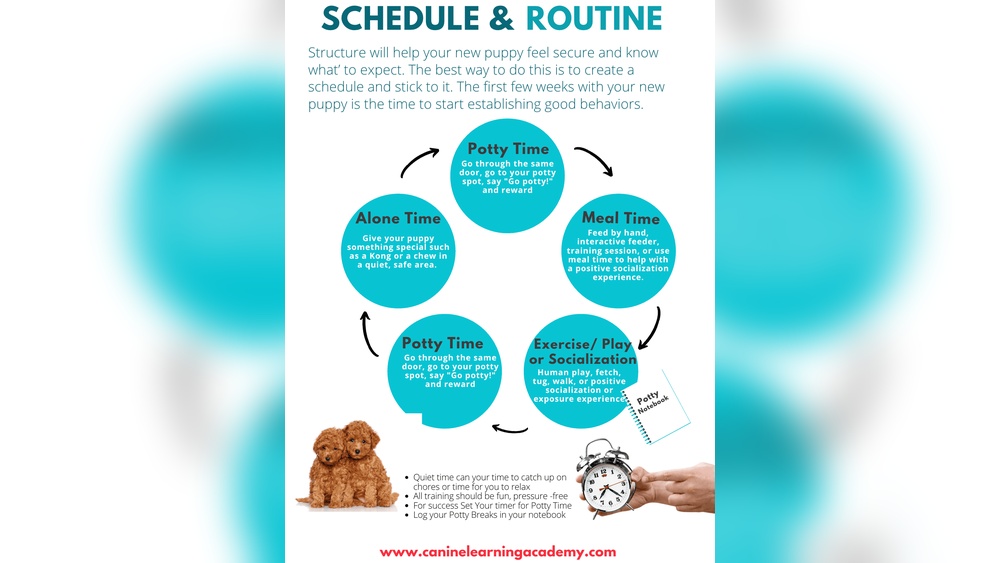
Set a regular schedule for potty breaks. Take your puppy outside first thing in the morning. Bring them out after meals and naps. Consistency helps your puppy understand when to go. Stick to the same spots outside. This makes it easier for your puppy to learn.
Recognizing Potty Signals
Watch your puppy closely for signs they need to go. Sniffing the floor or circling are common signals. Whining or pacing might also mean they need a break. Act quickly once you see these signs. Taking them outside right away prevents accidents inside.
Dealing With Accidents
Accidents happen, so don’t get angry. Clean the area thoroughly to remove smells. This stops your puppy from returning to the spot. Never punish your puppy for accidents. Instead, focus on praise when they go outside. Positive reinforcement encourages good behavior.
Basic Commands Every Puppy Should Know
Training your English Bulldog puppy starts with teaching basic commands. These commands build a strong foundation for good behavior. They help your puppy understand what you expect. Consistent training leads to a happy and well-behaved dog.
Basic commands also keep your puppy safe. They make daily life easier for both you and your dog. Begin training early, and keep sessions short and fun. Reward your puppy with praise or treats to encourage learning.
Sit And Stay
The “Sit” command is one of the easiest and most useful commands. It helps your puppy stay calm and focused. Start by holding a treat above your puppy’s nose. Slowly move it back over their head. When your puppy sits, say “Sit” and give the treat.
Next, teach “Stay” by asking your puppy to sit. Show your palm and say “Stay.” Step back a little. If your puppy stays, give a treat. Increase distance slowly. This command helps control your puppy in many situations.
Come When Called
“Come” is a vital command for safety. Call your puppy’s name and say “Come” in a happy voice. Use a treat or toy as a reward. When your puppy comes to you, praise them warmly.
Practice this command in a quiet place. Gradually add distractions. Always reward your puppy for coming quickly. This command prevents your puppy from running into danger.
Leash Walking
Leash walking teaches your puppy to walk beside you calmly. Start indoors or in a quiet yard. Let your puppy wear the leash and collar first to get used to it.
Hold the leash gently and encourage your puppy to walk next to you. Use treats to keep their attention. If your puppy pulls, stop walking. Wait until the leash is slack, then continue. This teaches your puppy to walk nicely on a leash.

Credit: www.amazon.com
Socializing Your Bulldog Puppy
Socializing your Bulldog puppy is a key part of training. It helps your puppy grow into a friendly and confident dog. Early socialization teaches your pup how to behave around others. It also reduces fear and aggression later in life. Start socializing your Bulldog puppy as soon as possible. Make every new experience positive and calm. This builds trust and good habits for your dog.
Introducing New People And Pets
Let your Bulldog puppy meet many kinds of people. Include children, adults, and elderly. Keep meetings short and gentle. Watch your puppy’s reaction closely. Praise calm and friendly behavior. Introduce other pets carefully. Start with calm dogs or cats. Use a leash to control the meeting. Always prevent rough play or chasing. These steps help your puppy feel safe.
Handling Different Environments
Expose your Bulldog puppy to various places. Parks, busy streets, and quiet homes work well. Change the sights, sounds, and smells. Keep your puppy close and secure. Let them explore slowly at first. Stay calm and patient. This helps your puppy adapt to new settings. Avoid crowded or noisy places if your puppy seems scared. Gradual exposure builds confidence.
Preventing Fear And Aggression
Fear and aggression come from poor social experiences. Stop scary situations before they start. Use treats and praise for calm behavior. Never punish your puppy for being scared. Teach gentle play and respect. Provide safe spaces for your puppy to retreat. Watch for signs of stress like growling or hiding. Early positive socialization reduces the chance of aggression. It helps your Bulldog puppy become a happy companion.
Managing Common Bulldog Behavior Issues
English Bulldog puppies can have some common behavior challenges. Managing these early helps build a happy, well-behaved dog. Understanding their needs and habits is key. Training with patience and consistency works best.
Chewing And Biting
Bulldog puppies explore the world with their mouths. Chewing is natural but can cause damage. Provide plenty of chew toys to redirect their biting. Teach “no” firmly but kindly when they bite hands. Praise them when they chew on toys. This helps them learn what is okay to chew.
Excessive Barking
Bulldogs are not usually loud, but some may bark a lot. Barking can mean boredom, fear, or attention-seeking. Ignore barking for attention and reward quiet behavior. Give enough exercise and mental stimulation daily. Use calm commands to stop barking. This reduces noise and stress in your home.
Separation Anxiety
Bulldogs love being close to their people. They may feel anxious when left alone. Start with short separations and build time slowly. Leave a favorite toy or blanket for comfort. Avoid long goodbyes that increase anxiety. Calm departures and arrivals help your puppy stay relaxed.

Credit: pethelpful.com
Health And Wellness Tips During Training
Training your English Bulldog puppy is more than teaching commands. Health and wellness play a big role in how well your puppy learns. A healthy puppy has more energy and focus for training sessions. This section covers key tips to keep your puppy fit and happy during training.
Proper Nutrition
Good food fuels your puppy’s body and mind. Feed your English Bulldog puppy high-quality food made for their age. Balanced meals support growth and keep their skin and coat healthy. Avoid giving too many treats during training to prevent weight gain. Fresh water must always be available.
Exercise Needs
Bulldogs need regular, gentle exercise to stay healthy. Short walks and playtime help build muscle and burn energy. Avoid hard exercise because Bulldogs can overheat easily. Exercise also reduces stress and improves focus during training. Keep sessions fun and safe for best results.
Regular Vet Visits
Vet checkups catch health problems early. Schedule visits to track your puppy’s growth and vaccinations. Discuss any concerns about training or behavior with your vet. Regular vet care helps your puppy stay strong and ready to learn. Keep records of all visits and treatments.
Tools And Resources For Effective Training
Training an English Bulldog puppy needs the right tools and resources. These help make learning easier and more fun. Using good equipment and helpful guides improves your puppy’s skills.
Training tools also keep your puppy safe and comfortable. Choosing the best resources saves time and avoids frustration. Tracking progress shows how well your puppy learns and grows.
Choosing The Right Equipment
Pick a collar that fits well and feels soft. Avoid tight or heavy collars that cause pain. Use a leash that is strong but light. This helps control your puppy gently.
Buy treats your puppy likes for rewards. Small, tasty treats work best for training. Get chew toys to keep your puppy busy and happy. These toys stop unwanted chewing habits.
Training Classes And Online Resources
Join local puppy training classes for hands-on help. Trainers show you the best ways to teach commands. Classes also let your puppy meet other dogs.
Use online videos and articles made for English Bulldog training. Videos show clear examples you can copy. Read articles for tips on common puppy problems.
Tracking Progress
Keep a training journal to note what your puppy learns each day. Write down successful commands and areas needing work. This record helps you see steady improvement.
Use apps designed for dog training to set goals and reminders. These tools keep training organized and consistent. Celebrate small wins to keep motivation high.

Credit: siliena.com
Frequently Asked Questions
How Do I Start Training My English Bulldog Puppy?
Begin with basic commands like sit and stay using positive reinforcement. Be patient and consistent with daily short sessions to build trust and understanding.
What Is The Best Age To Train An English Bulldog Puppy?
Start training as early as 8 weeks old. Early socialization and obedience help develop good behavior and prevent future issues.
How Can I House-train My English Bulldog Puppy Effectively?
Establish a routine for potty breaks. Praise and reward your puppy immediately after they eliminate outside to reinforce good habits.
What Are Common Challenges In Training English Bulldog Puppies?
Stubbornness and short attention spans are common. Use gentle, consistent training and keep sessions fun to maintain your puppy’s interest.
Conclusion
Training your English Bulldog puppy takes patience and care. Keep routines simple and consistent every day. Reward good behavior with treats and praise. Small steps lead to big progress over time. Enjoy each moment with your new friend. Your puppy will grow into a well-behaved dog.
Stay calm and positive through challenges. Remember, love and patience make training successful.