

Have you noticed your dog acting differently lately? Maybe your once lively pup is moving slower, or their habits seem unusual.
Understanding old dog behavior can help you care for your furry friend better and keep them comfortable as they age. You’ll discover common changes in senior dogs and simple ways to support your companion through their golden years. Keep reading to learn how to make your dog’s later life happy and healthy.
Common Changes In Old Dog Behavior
As dogs age, their behavior often changes. These changes can be surprising or confusing for owners. Understanding common changes helps in caring better for senior dogs. These changes usually happen slowly and affect how dogs act daily.
Physical Factors Affecting Behavior
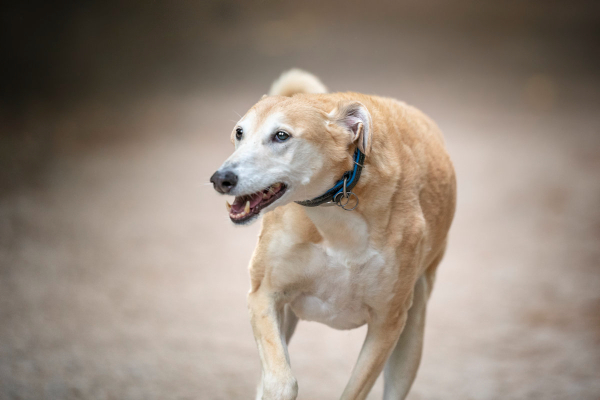
Older dogs often face physical challenges. Joint pain and arthritis can make them less active. This can lead to more resting and less play. Senses like hearing and sight may weaken. These losses cause dogs to be more cautious or scared. Pain and discomfort can also make dogs irritable or withdrawn.
Cognitive Shifts In Senior Dogs
Senior dogs may experience changes in memory and thinking. They might forget simple commands or routines. Confusion can make them pace or wander at night. Some dogs seem less aware of their surroundings. These signs show a decline in brain function. Mental decline can affect their ability to learn new things.
Emotional And Social Changes
Emotions in older dogs can shift significantly. They might become more anxious or clingy. Some dogs seek extra comfort and attention. Others may prefer to be alone more often. Social interactions with other pets can change. These emotional shifts affect how dogs respond to family and visitors.
Signs Of Discomfort And Stress
Older dogs often show signs of discomfort and stress in ways that differ from younger dogs. Watching for these signs helps you provide better care and comfort. Stress and pain can affect their quality of life. Recognizing changes early can make a big difference.
Identifying Pain In Older Dogs
Pain in senior dogs often shows through changes in movement. Limping or stiffness during walks is common. They might avoid jumping or climbing stairs. Sometimes, they become less active or sleep more than usual. Pay attention to whimpering or growling when touched. These are clear signs of discomfort.
Behavioral Signs Of Anxiety
Anxiety in older dogs can look like restlessness or pacing. They may bark or whine more than before. Some dogs hide or seek more attention from their owners. Changes in appetite or bathroom habits also signal stress. Watch for trembling or excessive licking of paws or body.
Recognizing Confusion And Disorientation
Older dogs may forget familiar commands or routines. They might get lost in the house or yard. Staring blankly or wandering aimlessly can happen. Sometimes, they seem less aware of their surroundings. These signs point to confusion or disorientation linked to aging.
Adjusting Care For Senior Dogs
Senior dogs have different needs than younger dogs. Their bodies slow down and require special care. Adjusting how you care for an old dog improves their comfort and health. Small changes in diet, exercise, and living space make a big difference.
Dietary Changes For Better Health
Older dogs need food that supports their aging bodies. Choose diets lower in calories to avoid weight gain. Look for food rich in fiber to aid digestion. Include nutrients like omega-3 fatty acids to help joints and brain function. Avoid giving too many treats or table scraps. Proper feeding keeps your dog active and healthy longer.
Exercise And Mobility Tips
Daily exercise is important, even for old dogs. Short, gentle walks keep muscles strong and joints flexible. Avoid high-impact activities that cause pain. Swimming can be a great low-stress exercise. Use ramps to help dogs climb stairs or get into cars. Regular activity reduces stiffness and improves mood.
Creating A Comfortable Living Space
Older dogs need a cozy and safe place to rest. Provide a soft bed with good support for aching joints. Keep their area warm and free from drafts. Place food and water bowls within easy reach. Remove obstacles that cause tripping or slipping. A calm space helps reduce stress and improves sleep quality.
Credit: www.purina.com
Training Techniques For Older Dogs
Training older dogs requires patience and gentle methods. They may learn slower but still enjoy training. Using the right techniques helps keep them active and happy. Training can also reduce unwanted behaviors and build trust.
Positive Reinforcement Strategies
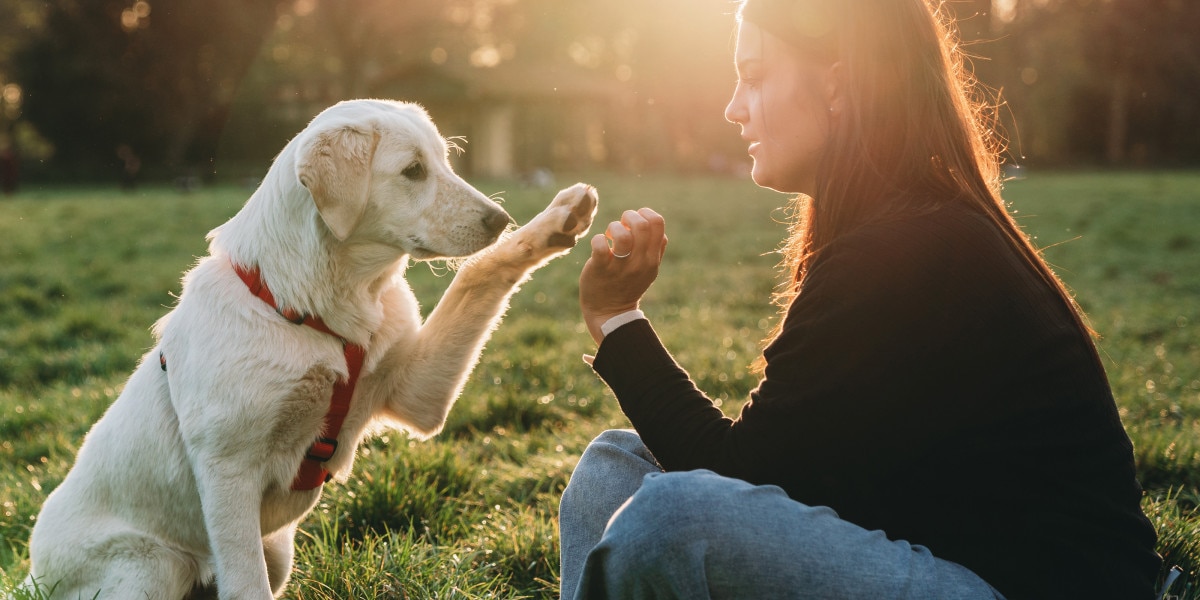
Reward good behavior with treats, praise, or petting. This encourages your dog to repeat the action. Avoid punishment or harsh words. Older dogs respond better to kindness. Keep training sessions short and fun to hold their attention. Consistency is key for steady progress.
Maintaining Mental Stimulation
Challenge your dog with new tasks and puzzles. Mental exercise keeps their brain sharp. Teach simple commands or tricks regularly. Use interactive toys to make learning exciting. Mental stimulation helps prevent boredom and anxiety. It also strengthens your bond with your dog.
Handling Behavioral Challenges
Understand that some behaviors come from aging. Be patient with changes like confusion or anxiety. Provide a calm and safe environment. Redirect negative behavior gently. Seek advice from a vet or trainer if problems persist. Early action can improve your dog’s comfort and behavior.
When To Seek Veterinary Help
Old dogs often show changes in behavior as they age. Some changes are normal. Others may signal health problems. Knowing when to seek veterinary help is very important. Early care can improve your dog’s comfort and quality of life.
Behavioral Changes That Require Attention
Watch for sudden changes in your dog’s behavior. Aggression, confusion, or increased anxiety can mean pain or illness. Loss of appetite or changes in bathroom habits need a vet check. If your dog seems disoriented or forgetful, do not ignore it. These signs may indicate cognitive decline or other health issues.
Routine Health Screenings
Regular vet visits help detect problems early. Older dogs benefit from yearly or twice-yearly checkups. These visits include blood tests, dental exams, and weight checks. Routine screenings catch issues before they become serious. Keep a schedule and follow your vet’s advice.
Medications And Therapies
Some old dogs need medicine to stay healthy. Pain relief, supplements, or treatments may help ease symptoms. Your vet can recommend the right therapies. Never give your dog human medicine without advice. Proper medication improves your dog’s mood and activity level.
Credit: toegrips.com
Credit: petharmonytraining.com
Frequently Asked Questions
What Common Behaviors Change In Old Dogs?
Older dogs may show less energy, sleep more, and have slower movements. They can become more anxious or stubborn. Changes in senses like hearing and sight also affect behavior. Understanding these changes helps provide better care and comfort for aging pets.
How To Manage Aggression In Senior Dogs?
Aggression in old dogs often stems from pain or confusion. Consult a vet to rule out health issues. Use gentle training and avoid harsh punishments. Providing a calm environment and consistent routine can reduce stress and aggressive behavior in senior dogs.
Why Do Old Dogs Become More Anxious?
Aging affects a dog’s brain and senses, causing anxiety. They may feel confused or scared in new situations. Separation anxiety can worsen. Creating a safe, quiet space and maintaining daily routines can help ease anxiety in senior dogs.
How Can Diet Affect Old Dog Behavior?
Proper nutrition supports brain and joint health in senior dogs. A balanced diet with omega fatty acids may improve mood and mobility. Avoid overfeeding to prevent obesity, which worsens behavior issues. Consult a vet for a diet plan tailored to your old dog’s needs.
Conclusion
Old dogs show changes in behavior as they age. They may sleep more and move slower. Patience and gentle care help them feel safe. Watch for signs of pain or confusion. Regular vet visits keep them healthy. Simple routines comfort older dogs every day.
Loving attention strengthens your bond. Embrace these changes with kindness and understanding. Your old dog still enjoys life. Cherish each moment together.


