

Training your dog can be challenging, especially when you’re trying to get them to listen and behave. You want a tool that works without causing harm or stress to your furry friend.
That’s where a shock collar can come in handy—when used correctly. If you’re wondering how to use a shock collar to train your dog safely and effectively, you’re in the right place. Keep reading, because mastering this method could change your training experience and strengthen your bond with your dog.

Credit: www.wikihow.com
Choosing The Right Shock Collar
Choosing the right shock collar is key for safe and effective dog training. The right collar fits your dog’s size and personality. It also suits your training goals. Picking the wrong one can cause discomfort or poor results. This guide helps you make a smart choice.
Types Of Shock Collars
Shock collars come in different styles. Some use static stimulation, which sends a mild electric pulse. Others combine vibration or sound with the shock. Remote collars let you control the correction from a distance. Some collars are automatic and react to barking. Each type works best for different training needs.
Features To Consider
Look for adjustable shock levels to match your dog’s sensitivity. A collar with multiple modes gives more control. Check battery life so the collar lasts during training sessions. Waterproof collars are good for outdoor use. A clear, easy-to-read remote makes training simpler. Safety features like automatic shut-off prevent overcorrection.
Sizing And Fit
Proper fit keeps your dog comfortable and safe. Measure your dog’s neck before buying. The collar should fit snugly but not too tight. Adjustable straps help achieve the right fit. The contact points must touch the skin for the collar to work. Remove the collar if your dog shows signs of irritation.
Preparing Your Dog For Training
Preparing your dog for training with a shock collar is an important first step. It helps your dog feel comfortable and safe. This stage sets the tone for successful learning. Take time to introduce the collar properly. Your dog needs to understand what it is and why it is there. Patience and calmness will make a big difference.
Introducing The Collar
Start by showing the collar to your dog. Let them sniff and explore it. Put the collar on loosely without turning it on. Do this for short periods. Praise your dog for staying calm. This helps your dog see the collar as normal. Avoid forcing the collar on quickly. Give your dog time to adjust at their own pace.
Acclimating To The Sensation
Next, turn the collar on at the lowest setting. Watch your dog’s reaction closely. The goal is to let your dog feel the sensation without fear. Use the collar for very short moments only. Pair this with treats and positive words. This helps your dog associate the feeling with good things. Increase the time slowly as your dog gets used to it.
Setting Clear Expectations
Define simple rules for your dog before training begins. Use consistent commands with clear meaning. Show your dog what you want through actions and tone. Reward good behavior immediately to reinforce learning. Avoid confusing your dog with mixed signals. Consistency helps your dog understand what is expected. This makes training smoother and more effective.
Basic Shock Collar Training Techniques
Basic shock collar training techniques help your dog learn quickly and safely. These methods focus on clear communication and gentle corrections. Using the collar correctly can improve your dog’s behavior without causing harm. Start slow and be patient. Your dog needs time to understand the signals.
Using Tone And Vibration Modes
Many shock collars have tone and vibration modes. These modes can warn your dog before using a shock. Tone mode plays a sound your dog can hear. Vibration mode creates a gentle buzz on the dog’s neck. Use these modes first to get your dog’s attention. They are less stressful than shocks. This helps your dog learn without fear.
Applying The Shock Correctly
Shock should be mild and brief. Start with the lowest setting. Watch your dog’s reaction carefully. The shock is a quick reminder, not a punishment. Avoid holding the shock too long. Never use the collar to scare or hurt your dog. Proper use means the dog feels a slight correction. This helps the dog understand what behavior to stop.
Timing And Consistency
Timing is key in training. Apply the shock or signal right after the unwanted behavior. This helps your dog connect the action and the correction. Be consistent with commands and signals. Use the collar regularly during training sessions. Consistency builds clear rules for your dog. Training works best when done in short, frequent sessions.
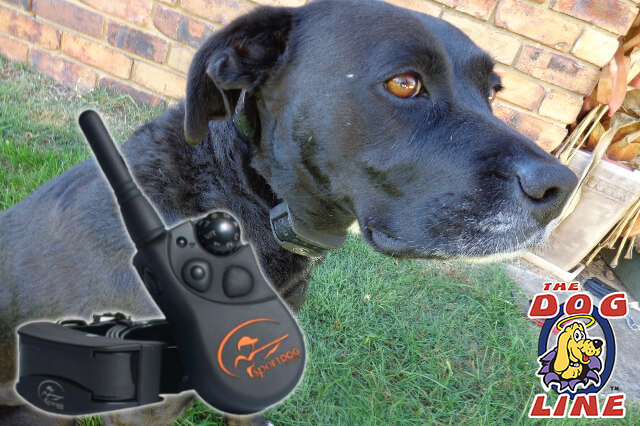
Credit: www.thedogline.com.au
Advanced Training Methods
Advanced training with a shock collar helps improve your dog’s behavior faster. It takes patience and clear signals. Using the collar correctly can create strong communication between you and your dog. This section covers ways to combine commands and stimulation, correct bad habits, and reward good actions.
Combining Commands With Stimulation
Start by giving a verbal command. Then, apply a mild stimulation from the collar. This helps your dog link the command to the feeling. Repeat this process until the dog reacts to the command alone. Use short training sessions to keep your dog focused. This method builds clear connections between words and actions.
Correcting Unwanted Behaviors
Use the collar to stop bad behavior quickly. Apply stimulation right when the unwanted act begins. For example, if your dog barks too much, use the collar at the first bark. Avoid long or strong stimulation. This keeps the dog from getting scared. Consistency is key to showing what behavior is wrong.
Reinforcing Positive Actions
Shock collars work best when paired with rewards. After your dog follows a command, turn off the stimulation. Then give praise or a treat. This shows your dog good behavior leads to nice things. Positive reinforcement helps your dog learn faster and enjoy training. Always reward immediately after the right action.
Common Mistakes To Avoid
Using a shock collar to train your dog requires care and attention. Avoiding common mistakes helps keep training safe and effective. Mistakes can cause confusion or fear in your dog. Follow simple guidelines to get better results.
Overusing The Shock Function
Applying shocks too often can harm your dog’s trust. The shock should only correct serious misbehavior. Use the lowest effective level to avoid pain. Overuse can make your dog anxious or scared. Training works better with gentle corrections and patience.
Ignoring Dog’s Reactions
Watch your dog’s body language closely. Signs of stress include whining, shaking, or trying to run away. Stop using the collar if your dog seems upset. Adjust the settings or try other training methods. Respect your dog’s limits to build a strong bond.
Failing To Reward Good Behavior
Rewards help dogs understand what you want. Praise, treats, or playtime reinforce positive actions. Without rewards, training can feel like punishment. Always reward your dog after the shock is stopped. This approach encourages learning and keeps your dog happy.
Credit: opencontabilidade.com
Safety Tips And Best Practices
Using a shock collar to train your dog needs care and attention. Safety must always come first. Follow these tips and best practices to keep your dog safe and happy. Proper use helps your dog learn without stress or harm.
Monitoring Your Dog’s Health
Watch your dog closely after using the collar. Check for skin irritation where the collar touches. Look for signs of stress, like shaking or hiding. Stop using the collar if your dog shows pain or fear. Keep training sessions short to avoid fatigue. Always give your dog breaks and water.
Proper Collar Maintenance
Clean the collar regularly to prevent infections. Use a damp cloth to wipe the contact points. Avoid harsh chemicals that can hurt your dog’s skin. Check the collar’s fit; it should be snug but not tight. Replace batteries often to ensure the collar works well. Store the collar in a dry place when not in use.
When To Seek Professional Help
Ask a trainer if you don’t see progress. A professional can teach you how to use the collar safely. Contact your vet if your dog shows unusual behavior. Health problems might need expert care. Avoid using the collar if your dog has a heart condition or anxiety. Always get advice before starting new training methods.
Frequently Asked Questions
What Is A Shock Collar And How Does It Work?
A shock collar delivers mild electric stimulation to your dog’s neck. It helps correct unwanted behaviors by associating actions with sensations. Proper use requires gradual training and positive reinforcement to ensure safety and effectiveness.
Can Shock Collars Harm My Dog During Training?
When used correctly, shock collars are safe and cause minimal discomfort. Always start with the lowest setting and observe your dog’s reactions. Avoid excessive or harsh use to prevent stress or injury.
How Do I Introduce A Shock Collar To My Dog?
Begin by letting your dog wear the collar without activation. Gradually introduce the stimulation paired with commands or distractions. Reward your dog for calm behavior to encourage learning and reduce anxiety.
Are Shock Collars Effective For All Dog Breeds?
Shock collars can work for most breeds but effectiveness varies. Sensitive or small breeds may require lower settings. Always tailor the training approach to your dog’s temperament and size.
Conclusion
Using a shock collar can help train your dog effectively. Always start with the lowest setting to avoid discomfort. Consistent use and patience bring the best results. Watch your dog’s reactions carefully to adjust the training. Combine the collar with positive rewards for good behavior.
Training takes time, so stay calm and steady. Your dog learns best through clear and kind signals. Practice regularly to build trust and understanding. Remember, training should be safe and respectful for your pet. Keep learning and improving your approach every day.


