

Bringing a Labrador puppy into your home is exciting, but training can feel overwhelming. You want your furry friend to grow into a well-behaved, happy dog, right?
The good news is that with the right tips, training your Lab puppy can be easier and even fun. Imagine having a puppy that listens, follows commands, and behaves well around people and other pets. This guide will give you simple, effective training tips that you can start using today.
Keep reading to discover how to build a strong bond with your Lab puppy and set them up for success from day one.
Choosing The Right Puppy
Choosing the right Labrador puppy is the first step toward successful training. A good start helps your puppy grow into a well-behaved dog. Picking a healthy puppy with the right temperament makes training easier and more fun.
Take time to learn what to look for. This guide will help you select the best puppy for your family and training goals.
Selecting Healthy Labradors
Health is the foundation of a happy puppy. Choose puppies with clear eyes and clean ears. Their coats should be shiny and smooth. Avoid puppies that seem weak or have breathing problems.
Ask the breeder about vaccinations and vet checks. Healthy puppies have strong legs and move easily. Watch for signs of illness like coughing or sneezing. A healthy start means fewer training interruptions.
Temperament Traits To Look For
Temperament affects how your puppy learns and adapts. Look for puppies that are curious and alert. They should show interest in people and new things. Calm and confident puppies handle training better.
Avoid shy or overly aggressive puppies. Friendly puppies enjoy playing and socializing. This makes teaching new commands easier. Choose a puppy that matches your lifestyle and energy level.

Credit: www.lordsandlabradors.co.uk
Setting Up A Training Schedule
Setting up a training schedule helps your Labrador puppy learn faster. Puppies thrive on routine. A good schedule builds habits and reduces confusion. It makes training clear and predictable for your puppy.
Consistent Training Times
Choose specific times each day for training sessions. Consistency helps puppies expect and prepare for learning. Short sessions, about 5 to 10 minutes, work best. Training after meals or naps keeps your puppy focused. Avoid random or long sessions that tire your puppy.
Balancing Play And Learning
Mix training with play to keep your puppy happy. Playtime rewards good behavior and keeps training fun. Use toys or treats during breaks to encourage your puppy. Balance helps your puppy stay interested and eager to learn. Too much training can cause stress, so include plenty of play.
Basic Obedience Commands
Training your Labrador puppy with basic obedience commands builds a strong bond. It also helps your puppy learn good manners early. Simple commands make daily life easier and safer for both you and your dog. Start with clear, short commands and be consistent in your training sessions.
Sit, Stay, And Come
Teaching your puppy to sit is the first step to control. Use a treat to guide your puppy’s nose up, making them sit naturally. Reward them immediately after they sit. The “stay” command teaches patience and self-control. Ask your puppy to sit, then hold your hand up and say “stay.” Step back slowly. Give praise or a treat if they stay still.
The “come” command is crucial for safety. Call your puppy’s name and say “come” in a happy voice. Reward your puppy when they reach you. Practice these commands daily in short sessions. Consistency helps your puppy learn faster.
Leash Training Essentials
Leash training is important for safe walks and control. Use a lightweight leash and collar for your puppy. Let your puppy walk beside you, not pull ahead. Stop walking if the puppy pulls. Wait until the leash is loose before moving again. Praise your puppy for walking calmly. Keep training sessions short and fun to maintain interest.
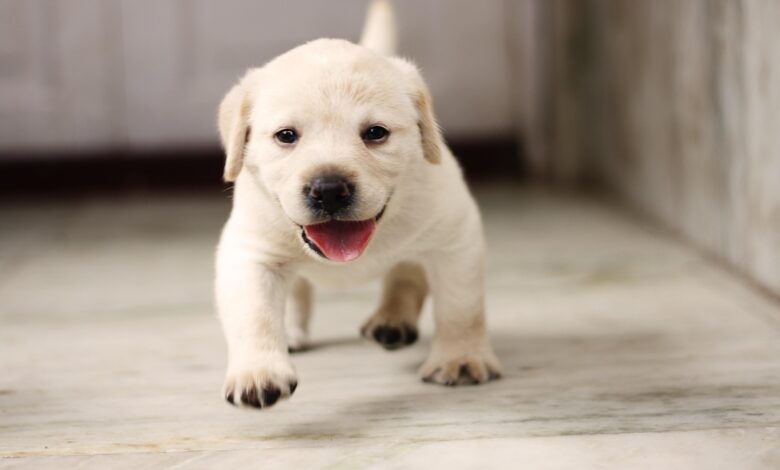
Credit: whoadoreslabradors.com
Socialization Strategies
Socialization is key for lab puppies to grow into confident dogs. It helps them learn how to behave around people and other animals. Good socialization reduces fear and aggression later in life. Start early and keep experiences positive and safe. This builds trust and curiosity in your puppy.
Introducing To New People
Let your puppy meet many different people. Choose calm and friendly individuals. Allow your puppy to approach at their own speed. Use treats to create a happy connection. Avoid loud noises or sudden movements that scare the puppy. Praise gentle behavior and calmness. This helps your puppy feel safe and happy with new faces.
Meeting Other Dogs Safely
Choose a quiet, neutral place for dog meetings. Keep your puppy on a leash but loose enough to move. Watch body language carefully for signs of stress or play. Start with one calm dog to avoid overwhelming your puppy. Let dogs sniff and greet gently. Stop the meeting if either dog shows fear or aggression. Safe introductions help puppies learn good dog manners.
House Training Techniques
House training is an important part of raising a happy Lab puppy. It helps your puppy learn where to go potty and keeps your home clean. Teaching your puppy early makes life easier for both of you. Consistency and patience are key. Use simple methods that fit your daily routine.
Crate Training Benefits
Crate training gives your puppy a safe space. Puppies do not like to soil their sleeping area. A crate helps teach bladder control. It also prevents accidents when you cannot watch your puppy. Crate time should be short and positive. Use treats and toys to make the crate inviting. Gradually increase the time your puppy stays inside. This builds trust and comfort.
Establishing Bathroom Routines
Set regular times for bathroom breaks. Take your Lab puppy outside first thing in the morning. Take them out after meals and naps too. Use the same spot outside to help your puppy recognize it. Praise and reward your puppy right after they go potty. Watch for signs like sniffing or circling. Promptly take your puppy outside at these times. A steady routine helps your puppy learn faster.

Credit: www.companionanimalpsychology.com
Positive Reinforcement Methods
Positive reinforcement methods help puppies learn good behavior by rewarding them. This approach builds trust and encourages puppies to repeat good actions. Training becomes easier and more enjoyable for both you and your Lab puppy.
Rewards make your puppy feel happy and motivated. This method is gentle and effective for all ages. It also strengthens the bond between you and your pet.
Using Treats And Praise
Treats are powerful motivators for Lab puppies. Choose small, soft treats that your puppy loves. Offer a treat immediately after your puppy does the right thing.
Praise your puppy with a happy voice and gentle petting. This helps your puppy understand what behavior you want. Combining treats and praise works best.
Timing Rewards Effectively
Give rewards right after your puppy obeys a command. Delayed rewards can confuse your puppy. Timing helps your puppy link the behavior with the reward.
Use rewards often at the start of training. Gradually reduce treats as your puppy learns. Keep praise consistent to maintain good behavior.
Addressing Common Challenges
Training a Labrador puppy can bring joy and challenges. Puppies explore the world with their mouths and need clear guidance. Many new puppy owners face common issues like chewing, biting, and separation anxiety. These problems can disrupt daily life and affect your bond with your puppy.
Patience and consistency help solve these challenges. Understanding your puppy’s needs and behavior is key. This section covers practical tips to manage chewing and biting and handle separation anxiety effectively.
Managing Chewing And Biting
Labrador puppies chew to explore and soothe teething pain. Provide safe chew toys to redirect their attention. Avoid using your hands or feet as toys. This teaches puppies what is okay to chew.
When your puppy bites, say “no” firmly and offer a toy instead. Praise them for chewing the right items. Regular exercise reduces excess energy that leads to biting. Keep training sessions short and fun to hold their interest.
Handling Separation Anxiety
Separation anxiety happens when puppies feel scared alone. Start by leaving your puppy alone for short times. Increase the time slowly as they get used to it. Create a safe, comfortable space with familiar toys and bedding.
Use calm, quiet departures and arrivals. Avoid long goodbyes or excited hellos. This helps your puppy stay calm. Provide distraction, like a treat puzzle, to keep their mind busy when alone.
Advanced Training Tips
Advanced training for Labrador puppies builds on basic commands. It helps them stay focused and obedient in different situations. This stage improves their skills and strengthens your bond. Consistency and patience are key to success. Keep sessions short and positive to hold their attention.
Teaching Recall Off-leash
Recall means your puppy comes to you when called. Off-leash recall is challenging but important for safety. Start in a fenced yard or quiet area. Use a cheerful tone and a clear command like “come.” Reward your puppy with treats or praise immediately. Practice often and increase distance slowly. Never punish your puppy if they don’t come right away. Make coming to you fun and rewarding.
Introducing Agility Exercises
Agility exercises improve your puppy’s coordination and confidence. Use simple obstacles like tunnels, low jumps, and weave poles. Guide your puppy gently through each obstacle with treats. Keep sessions short to avoid tiredness. Agility training helps with physical health and mental focus. It also strengthens your communication and teamwork.
Maintaining Training Progress
Maintaining training progress is key to raising a well-behaved Labrador puppy. Consistency helps your puppy remember commands and good habits. Training does not stop after the first few lessons. It is a continuous process that needs your attention every day.
Sticking to a routine keeps your puppy confident and eager to learn. Puppies can get distracted or forget lessons without regular practice. Keeping training sessions short and fun prevents boredom. Celebrate small successes to motivate your puppy.
Regular Practice Sessions
Practice training daily with your Labrador puppy. Short sessions of 5 to 10 minutes work best. Repeat commands and exercises often to reinforce learning. Use treats and praise to reward good behavior. Practice in different places to help your puppy adapt. Regular practice builds strong habits and trust.
Adjusting Techniques As Puppies Grow
Puppies change quickly. Adjust training methods as they grow. Use gentle guidance for young puppies. Increase challenges gradually for older puppies. Change rewards to keep their interest high. Tailor training to your puppy’s energy and mood. Flexibility in training helps your Labrador learn better.
Frequently Asked Questions
How Do I Start Training My Lab Puppy?
Begin training your Lab puppy early with simple commands like sit and stay. Use positive reinforcement and be consistent daily. Short, fun sessions help maintain their attention and build good habits.
What Are The Best Socialization Tips For Lab Puppies?
Expose your Lab puppy to different people, animals, and environments safely. Early socialization reduces fear and promotes confident, well-behaved dogs. Gradual introductions and positive experiences are key.
How Often Should I Train My Lab Puppy?
Train your Lab puppy multiple short sessions, about 5-10 minutes each, daily. Frequent practice reinforces learning and prevents boredom. Consistency is crucial for effective training results.
What Are Common Training Mistakes To Avoid With Labs?
Avoid harsh punishments and inconsistent commands. Labs respond better to positive reinforcement and clear guidance. Don’t rush training; patience and repetition ensure lasting behavior.
Conclusion
Training your lab puppy takes patience and kindness. Start early, keep sessions short, and stay consistent. Use rewards to encourage good behavior. Remember, every puppy learns at their own speed. Practice daily and enjoy the bonding time together. Small steps lead to big progress.
Your puppy will grow into a happy, well-behaved dog. Keep training fun and positive for best results. The effort you put in now will pay off later. Stay calm, be patient, and love your puppy. Training builds trust and a strong friendship.

