
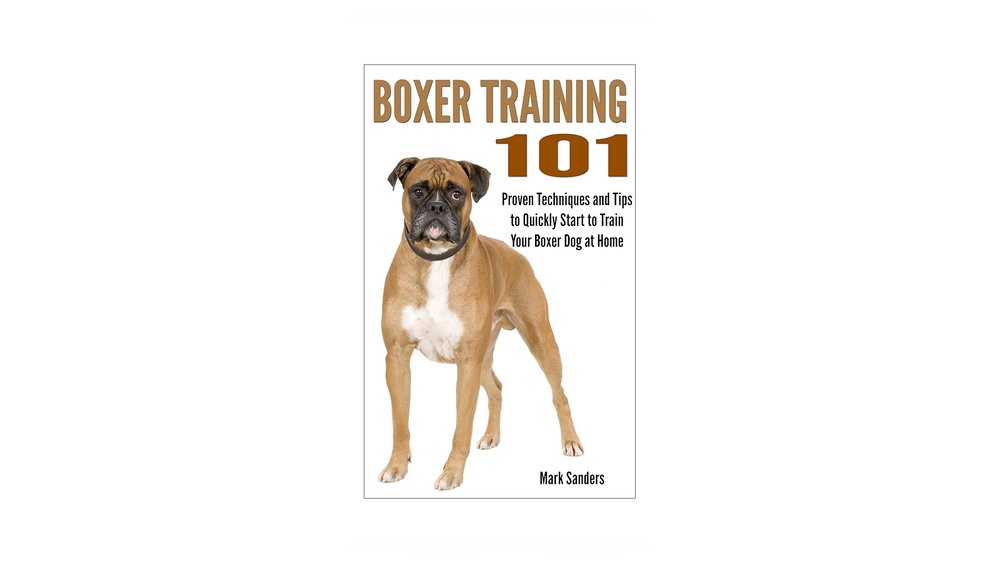
Bringing a Boxer puppy into your home is exciting, but training can feel overwhelming. You want your puppy to grow into a well-behaved, happy dog, but where do you start?
This guide gives you simple, effective Boxer puppy training tips that work. By following these easy steps, you’ll build a strong bond with your puppy and enjoy every moment of their growth. Keep reading to discover how to make training fun and stress-free for both you and your Boxer.
Preparing For Your Boxer Puppy
Bringing a Boxer puppy home is exciting. Preparation helps your puppy feel safe and loved. Planning ahead makes training easier. Start by gathering the right supplies. Create a safe area for your puppy. Set a daily routine early to build good habits.
Choosing The Right Supplies
Pick a sturdy collar and leash for walks. Buy a soft, comfortable bed for rest. Choose food and water bowls that do not tip over. Get puppy-safe toys for chewing and playing. Use puppy pads or a crate for house training. Always select items that fit your puppy’s size.
Setting Up A Safe Space
Find a quiet corner in your home. Use a crate or playpen to create a safe zone. Remove anything harmful or valuable from this area. Make sure the space is warm and cozy. This spot will be your puppy’s retreat. It helps reduce stress and encourages calm.
Establishing A Routine
Set regular times for feeding and potty breaks. Take your puppy outside after meals and naps. Keep training sessions short and fun. Consistency helps your puppy learn faster. Stick to bedtime and wake-up times. A routine builds trust and security for your Boxer.
Basic Obedience Training
Basic obedience training is the foundation of a well-behaved Boxer puppy. It helps your dog understand your expectations and creates a strong bond between you. Start training early to set clear rules and build good habits. Consistency and patience are key to success. Training sessions should be short and fun to keep your puppy interested.
Teaching Sit And Stay
Begin with the “sit” command. Hold a treat close to your puppy’s nose. Move the treat upward, causing your puppy to sit naturally. Say “sit” clearly and reward your puppy immediately. Repeat this several times a day in different places.
Once your puppy sits on command, introduce “stay.” Ask your puppy to sit. Show your open palm and say “stay.” Take a small step back. If your puppy stays, give a treat and praise. Increase the distance slowly. This builds control and patience.
Mastering Come And Heel
Teach “come” to keep your puppy safe. Use a happy voice and say “come” while kneeling. Reward your puppy when it approaches you quickly. Practice in a quiet, enclosed area to avoid distractions.
“Heel” means walking close to your side. Hold a treat at your waist and say “heel.” Walk slowly, rewarding your puppy for staying near. Stop if your puppy pulls. Wait until it returns to your side, then move again. This controls leash pulling.
Using Positive Reinforcement
Positive reinforcement encourages good behavior. Use treats, praise, and play as rewards. Avoid punishment to keep training positive and effective.
Reward your Boxer puppy right after it performs the desired behavior. This helps your puppy understand what you want. Keep rewards consistent and clear. This approach builds trust and makes learning enjoyable.
Housebreaking Techniques
Housebreaking your boxer puppy is a key part of training. It helps your puppy learn where and when to go outside. Patience and consistency are very important. Using clear housebreaking techniques makes the process smoother. Here are some effective tips to help you train your boxer puppy successfully.
Creating A Bathroom Schedule
Set a regular bathroom schedule for your boxer puppy. Take your puppy outside first thing in the morning. Bring your puppy out after meals and naps. Regular trips help reduce accidents inside the house. Stick to the schedule to build good habits. Puppies feel more secure with a routine.
Recognizing Signs And Cues
Watch your puppy for signs they need to go. Sniffing, circling, or whining often means bathroom time. Take action quickly when you see these signs. Teaching your puppy to signal you helps prevent accidents. Use a word or phrase every time you go outside. This helps your puppy connect the cue with the action.
Handling Accidents Calmly
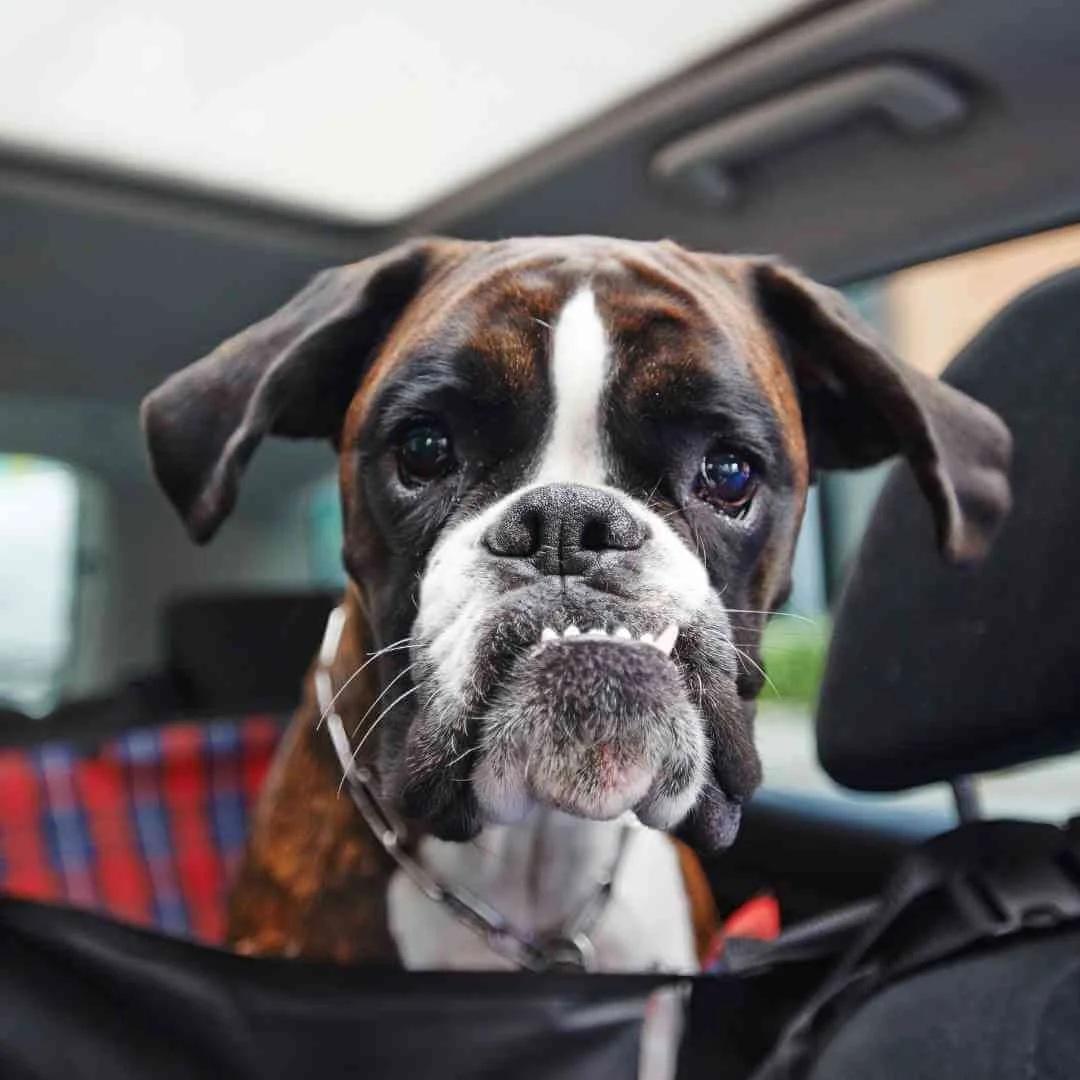
Accidents will happen during housebreaking. Stay calm and avoid scolding your puppy. Clean the area well to remove odors. Punishing can make your puppy scared or confused. Use accidents as a chance to learn and adjust your schedule. Praise your puppy when they go in the right place.
Credit: www.bestmatedogtraining.co.nz
Socializing Your Boxer Puppy
Socializing your Boxer puppy is key to raising a happy, confident dog. Early social experiences shape how your puppy reacts to new people, animals, and places. Proper socialization helps prevent fear and aggressive behavior later in life. Start socializing as soon as your puppy is comfortable with basic commands. Keep experiences positive and gentle to build trust and curiosity.
Introducing To New People
Introduce your Boxer puppy to different people often. Use calm voices and slow movements. Let the puppy approach new people at their own pace. Encourage gentle petting and soft praise. Avoid loud noises or sudden actions that may scare your puppy. Meeting many kinds of people helps your puppy feel safe and friendly.
Meeting Other Dogs Safely
Choose calm, vaccinated dogs for first meetings. Keep your puppy on a leash but loose enough to move freely. Allow short, supervised play sessions. Watch body language for stress or fear signs. Separate dogs if play gets too rough. Positive interactions with other dogs teach your Boxer good social skills.
Exposure To Different Environments
Take your puppy to various places regularly. Try parks, busy streets, and quiet trails. Let your Boxer explore new sights, sounds, and smells. Use treats and praise to create good memories. Avoid overwhelming your puppy with too many changes at once. A well-exposed puppy grows into a confident adult dog.
Managing Common Behavior Issues
Boxer puppies are full of energy and curiosity. This can lead to common behavior issues. Managing these early helps your puppy grow into a well-behaved dog. Consistent training and patience play key roles in shaping good habits.
Addressing Chewing And Biting
Chewing and biting are natural for puppies. They explore the world with their mouths. Provide plenty of chew toys to divert their attention. When biting happens, gently say “no” and offer a toy instead. Avoid rough play that encourages biting. Reward calm behavior to reinforce good manners.
Reducing Excessive Barking
Boxers may bark to get attention or out of boredom. Teach the “quiet” command with a calm voice. Reward silence with treats or praise. Regular exercise tires your puppy and lowers barking. Avoid shouting, which can increase noise. Consistency helps your puppy understand when to stay quiet.
Preventing Jumping And Nipping
Jumping and nipping often show excitement. Turn away when your puppy jumps to ignore the behavior. Use a firm “no” and offer a toy to chew instead of nipping. Teach your puppy to sit before greeting people. This creates polite habits and reduces jumping and nipping.
Advanced Training Tips
Advanced training helps your Boxer puppy grow smarter and more obedient. It builds on basic skills and adds new challenges. These tips guide you to train with more focus and fun.
Incorporating Clicker Training
Clicker training uses a small device that makes a clicking sound. It marks the exact moment your puppy does something right. This helps your puppy understand what you want quickly. Use the clicker right after a good behavior. Then, give a treat to reward your puppy. This method makes training clear and fast.
Teaching Tricks And Commands
Start with simple tricks like sit, stay, or shake. Break each trick into small steps. Teach one step at a time to avoid confusion. Use treats and praise to keep your puppy motivated. Practice regularly to help your puppy remember. Tricks make training fun and build a strong bond.
Building Focus And Patience
Boxers are playful and can get distracted easily. Train in a quiet place to help your puppy focus. Use short sessions to keep attention high. Reward calm behavior and waiting patiently. Teach your puppy to stay in one spot before moving. This improves control and patience over time.
Maintaining Consistency And Patience
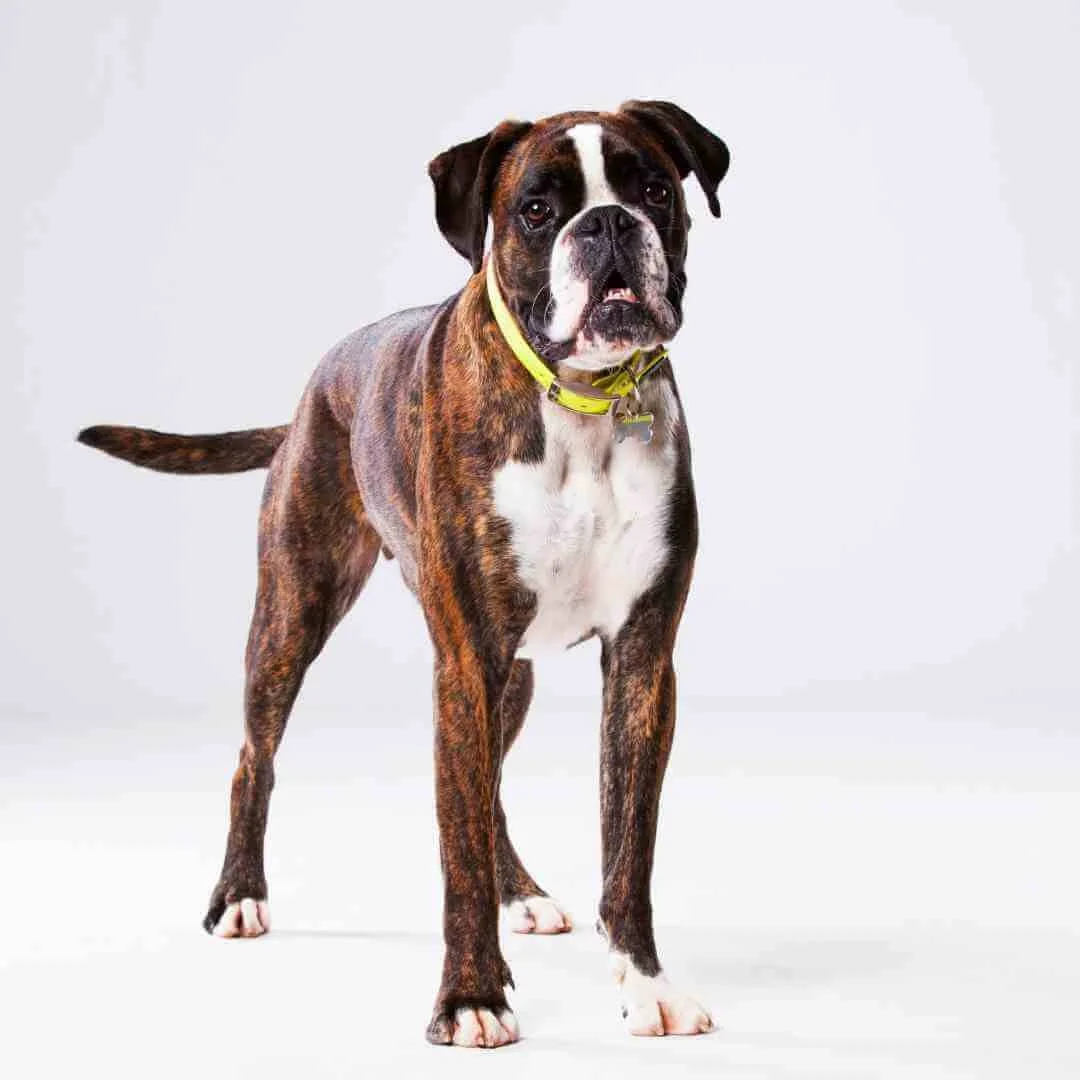
Training a Boxer puppy takes time and steady effort. Consistency helps your puppy learn faster. Patience keeps frustration away. Both are key to good behavior and trust.
Regular routines and clear rules make training easier. Your puppy feels safe with clear expectations. Small steps build strong habits over time.
Tracking Progress
Keep notes on your puppy’s learning. Write down commands your puppy knows. Mark times when your puppy learns new skills. This shows what works and what needs change.
Look for small improvements each day. Celebrate simple wins like sitting on command. These moments show growth and keep training positive.
Adjusting Training Methods
Not all puppies learn the same way. Change your approach if your puppy seems confused. Try different rewards or use shorter sessions. Be flexible but stay consistent with rules.
Watch your puppy’s reactions closely. Use what motivates your puppy best. This helps training stay fun and effective.
Staying Motivated
Training takes energy and focus. Set small goals to keep moving forward. Take breaks to avoid burnout for you and your puppy.
Remember why you started training. A well-trained Boxer is a happy companion. Keep your puppy’s success in mind to stay strong.

Credit: www.reddit.com
Credit: www.bestmatedogtraining.co.nz
Frequently Asked Questions
How Early Should I Start Training My Boxer Puppy?
Start training your Boxer puppy as soon as you bring them home. Early training builds good habits and prevents bad behaviors. Puppies learn quickly between 8 to 16 weeks, making this period ideal for socialization and basic commands.
What Are The Best Training Methods For Boxer Puppies?
Use positive reinforcement techniques like treats, praise, and play. Boxers respond well to consistency and patience. Avoid harsh punishments, as they can cause fear or aggression. Keep training sessions short and fun to maintain your puppy’s interest.
How Do I Socialize My Boxer Puppy Effectively?
Expose your Boxer puppy to different people, animals, and environments early. Gradually introduce new experiences to build confidence and reduce fear. Controlled socialization helps prevent behavioral problems and ensures your dog grows into a well-adjusted adult.
How Long Should Training Sessions Be For Boxer Puppies?
Keep training sessions between 5 to 15 minutes. Short sessions prevent your puppy from getting bored or overwhelmed. Multiple short sessions throughout the day work best for maintaining focus and reinforcing learning.
Conclusion
Training a Boxer puppy takes patience and love. Start early with simple commands and gentle guidance. Keep sessions short to hold your puppy’s attention. Reward good behavior with treats and praise. Consistency helps your puppy learn faster and feel secure.
Socialize your Boxer with other dogs and people often. Remember, every puppy learns at its own pace. Enjoy the process and build a strong bond. A well-trained Boxer grows into a happy, loyal companion. Stay calm and positive throughout the journey.
Your efforts will bring great rewards in time.

