

Have you ever wondered why your dog acts a certain way around other dogs? Understanding dog pack behavior can unlock secrets about your furry friend’s natural instincts.
When you learn how dogs think and interact in a pack, you’ll see your pet in a whole new light. This knowledge can help you build a stronger bond, improve training, and keep your dog happy and balanced. Keep reading to discover the fascinating world of dog pack behavior and how it affects your dog every day.
Pack Structure
Dogs live in groups called packs. Each pack has a clear structure. This helps keep order and peace among the dogs. Every dog has a role to play. The pack structure is important for their survival and social life.
Alpha Role
The alpha dog is the leader. This dog makes decisions for the pack. The alpha shows confidence and strength. Other dogs respect and follow the alpha. The alpha leads during hunts and protects the group.
Beta And Subordinate Dogs
Beta dogs support the alpha. They act as helpers and second in command. Subordinate dogs follow the alpha and beta. They obey rules and wait their turn. These roles keep the pack calm and organized.
Omega Position
The omega dog is last in rank. This dog often acts as a peacemaker. Omegas help reduce tension inside the pack. They may be teased but still belong to the group. Their role helps keep the pack balanced.

Credit: www.cherryhoggs.com
Communication Methods
Dogs in a pack use many ways to talk with each other. Their communication helps keep the group safe and strong. Understanding how dogs share messages can help us know them better.
Body Language
Dogs show feelings with their bodies. Tail wagging can mean happiness or excitement. A stiff body might show alertness or aggression. Ears and eyes also tell a lot about a dog’s mood. Posture changes help dogs send clear messages without noise.
Vocalizations
Barking, growling, and whining are common dog sounds. Each sound has a different meaning. Barking can warn of danger or invite play. Growling often signals a threat or discomfort. Whining shows stress or a need for attention. Dogs listen closely to these sounds to understand each other.
Scent Marking
Dogs use their nose to communicate through scents. They leave smells by urinating or rubbing their bodies. These scents share information about territory and identity. Other dogs can learn who was there and how they feel. Scent marking helps dogs keep peace in the pack.
Social Bonds
Dogs live in groups called packs. Social bonds hold these packs together. These bonds help dogs trust and support each other. Strong social bonds keep the pack safe and organized. Dogs show care and respect through their social ties.
Hierarchy Formation
Dogs form a clear order in their pack. This order is called hierarchy. Each dog has a rank, from leader to follower. The leader makes decisions for the group. Lower-ranked dogs follow the leader’s rules. This structure reduces fights and confusion.
Cooperation And Play
Dogs work together to find food and protect the pack. Cooperation makes survival easier. Play is also a key part of bonding. It helps dogs learn social skills and limits. Play builds trust and happiness among pack members.
Conflict Resolution
Disagreements happen in every dog pack. Dogs use body language to show calm or stress. They avoid serious fights by signaling submission or retreat. This peaceful way keeps the pack strong. Resolving conflicts quickly helps everyone stay safe.

Credit: www.cherryhoggs.com
Leadership Traits
Leadership traits in dog packs shape how the group lives and survives. Leaders guide the pack through challenges. Their actions affect every member’s safety and well-being. Understanding these traits helps us see how dogs think and act in groups.
Decision Making
Leaders make choices for the entire pack. They decide where to go and when to rest. Quick, clear decisions keep the pack safe. Leaders watch for danger and choose the best path. Their choices help the pack find food and shelter.
Protective Behavior
Leaders guard their pack members from threats. They stand between danger and the group. Protective behavior shows strength and care. Leaders use their presence to stop fights. This keeps the pack calm and secure.
Resource Control
Leaders control access to food and space. They allow members to eat and rest in order. This control prevents fights over resources. Leaders share based on need and rank. Their role keeps the pack balanced and healthy.
Impact On Training
Understanding dog pack behavior plays a big role in training success. Dogs naturally follow a social order. This order shapes how they listen and respond to commands. Trainers who use pack behavior can guide dogs more easily. Training becomes smoother and more effective.
Using Pack Dynamics
Dogs feel safe within a group or pack. They watch the leader for rules and signals. Trainers can use this to shape behavior. Showing calm and confidence helps dogs trust and obey. Group training sessions mimic pack settings. This helps dogs learn from each other.
Establishing Leadership
Dogs need clear leadership to follow rules. Leaders set boundaries and offer guidance. Trainers must act firm but kind. Consistent signals show dogs who leads. Without leadership, dogs may act confused or disobedient. A strong leader builds respect and focus.
Encouraging Positive Behavior
Positive actions get rewards in a pack. Dogs repeat behaviors that earn praise or treats. Trainers should reward good behavior quickly. This helps dogs link actions to outcomes. Ignoring bad behavior avoids confusion. Encouraging good habits creates a happy training environment.
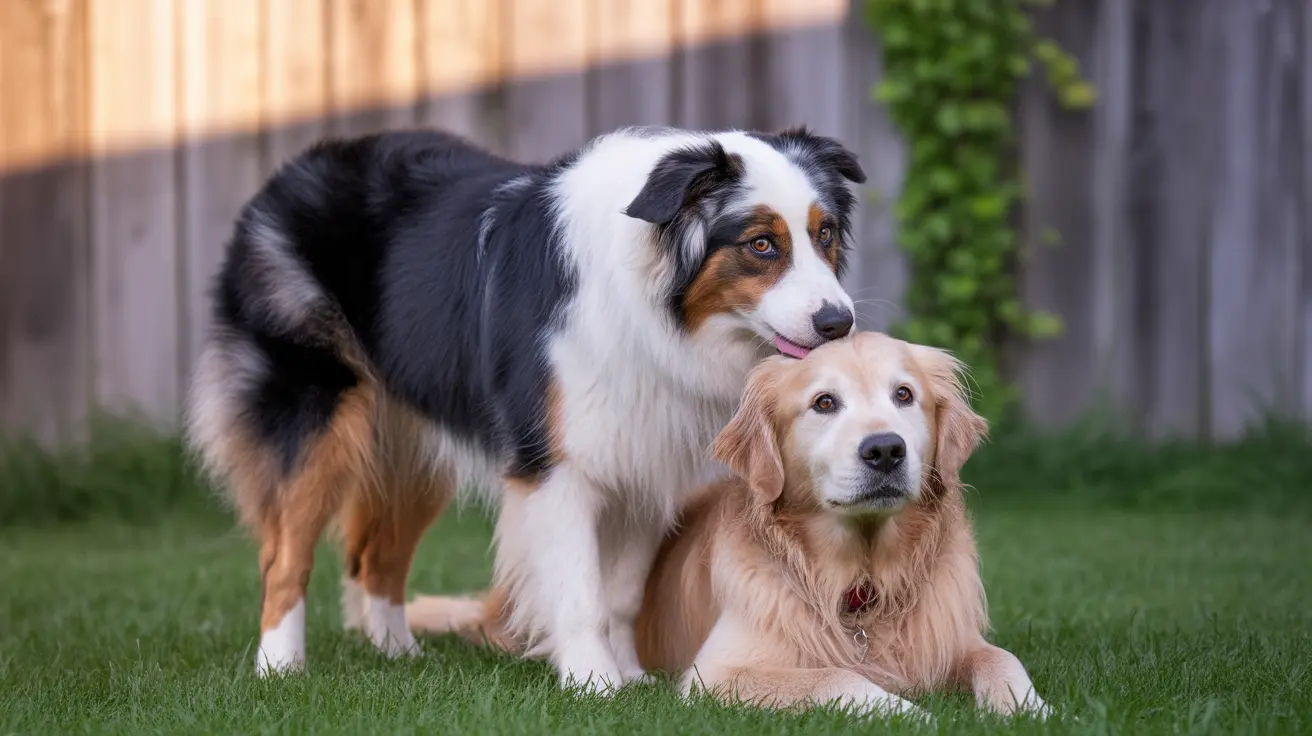
Credit: www.petscare.com
Wild Vs Domestic Packs
Dogs live in groups called packs. Wild packs and domestic packs have big differences. Understanding these helps us care for our pets better. Wild packs follow natural instincts. Domestic packs live close to humans. Both show strong social behavior but in unique ways.
Differences In Social Structure
Wild packs have clear leaders. Usually, one male and one female lead the group. All members know their place. They work together to hunt and protect each other. Domestic packs have softer rules. Humans often act as leaders. Dogs may compete for attention or treats. The hierarchy is less strict than in the wild.
Adaptation To Human Environment
Domestic dogs adapt to human homes. They rely on people for food and safety. Dogs learn to read human emotions and signals. Wild dogs depend on survival skills. They hunt and find shelter by themselves. Domestic packs are less focused on survival tasks. Their behavior changes to fit family life and routines.
Frequently Asked Questions
What Is Dog Pack Behavior?
Dog pack behavior refers to the natural social structure dogs follow. It involves hierarchy, roles, and communication. Dogs instinctively form packs for safety, cooperation, and social bonding. Understanding this behavior helps owners manage and train dogs effectively.
How Do Dogs Communicate In A Pack?
Dogs communicate through body language, vocalizations, and scent. Tail wagging, growling, and posture show emotions and intentions. These signals maintain order and prevent conflicts in the pack. Recognizing these cues improves human-dog interaction and training.
Why Is Pack Hierarchy Important For Dogs?
Pack hierarchy establishes order and reduces conflicts among dogs. It defines leadership and submissive roles, promoting cooperation. This structure helps dogs feel secure and behave predictably. Owners can use this knowledge to guide dog behavior positively.
Can Pack Behavior Affect Dog Training?
Yes, pack behavior influences training success. Dogs respond better to clear leadership and consistent rules. Understanding pack dynamics allows trainers to establish authority and trust. This results in more effective and respectful training sessions.
Conclusion
Dogs live naturally in packs with clear roles and rules. Understanding pack behavior helps owners build strong bonds. Dogs feel safe when they know their place in the group. Leaders guide, and followers respect the order. This helps reduce stress and unwanted actions.
Watching how dogs interact teaches us patience and care. Treating dogs like family members supports their well-being. Every dog wants to belong and feel loved. Remember, pack behavior shows how dogs communicate and connect. Knowing this makes life better for both dogs and owners.

