Potty training your new puppy can feel overwhelming, but it doesn’t have to be. Imagine fewer accidents, less stress, and a happier home.
You’re about to discover simple, practical tips that make potty training easier than you ever thought. Stick with me, and you’ll find yourself enjoying the process while your puppy learns fast. Ready to get started? Let’s dive in!

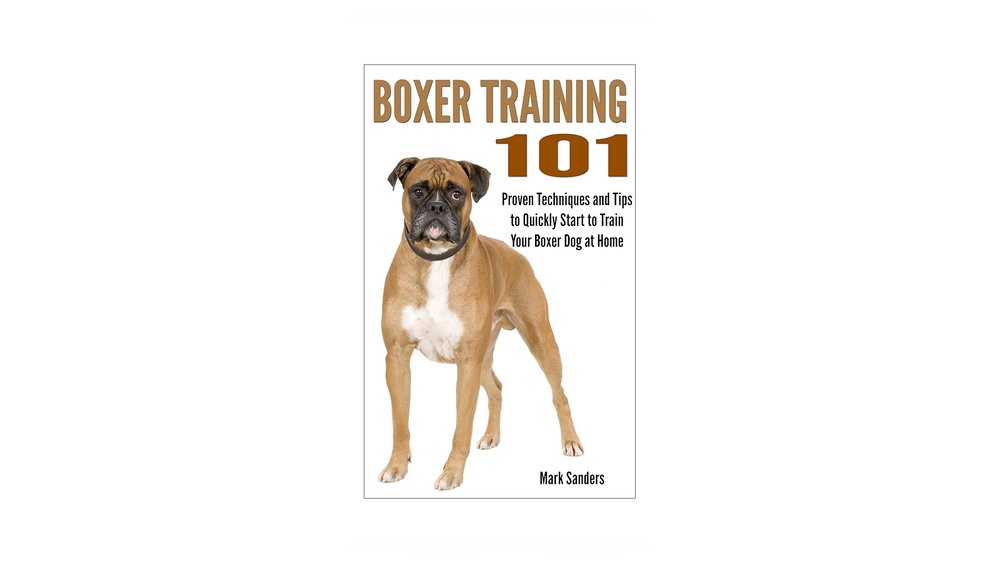
Credit: www.amazon.com
Preparing For Potty Training
Preparing your puppy for potty training sets the foundation for success. It helps your puppy learn faster and makes the process less stressful. Taking time to prepare ensures you and your puppy understand each step clearly. This makes training smooth and effective.
Choosing The Right Spot
Pick a quiet, easy-to-access area for potty breaks. This spot should be consistent every time. Your puppy will learn to associate this place with going potty. Avoid noisy or busy areas that might distract your puppy.
Gathering Essential Supplies
Get supplies ready before training starts. You will need puppy pads, cleaning sprays, and treats. Treats help reward good behavior quickly. Cleaning sprays remove odors to prevent repeat accidents.
Setting A Consistent Schedule
Set regular times for potty breaks throughout the day. Puppies need to go after eating, drinking, and waking up. Sticking to a schedule helps your puppy learn when to go. Consistency makes training easier and faster.
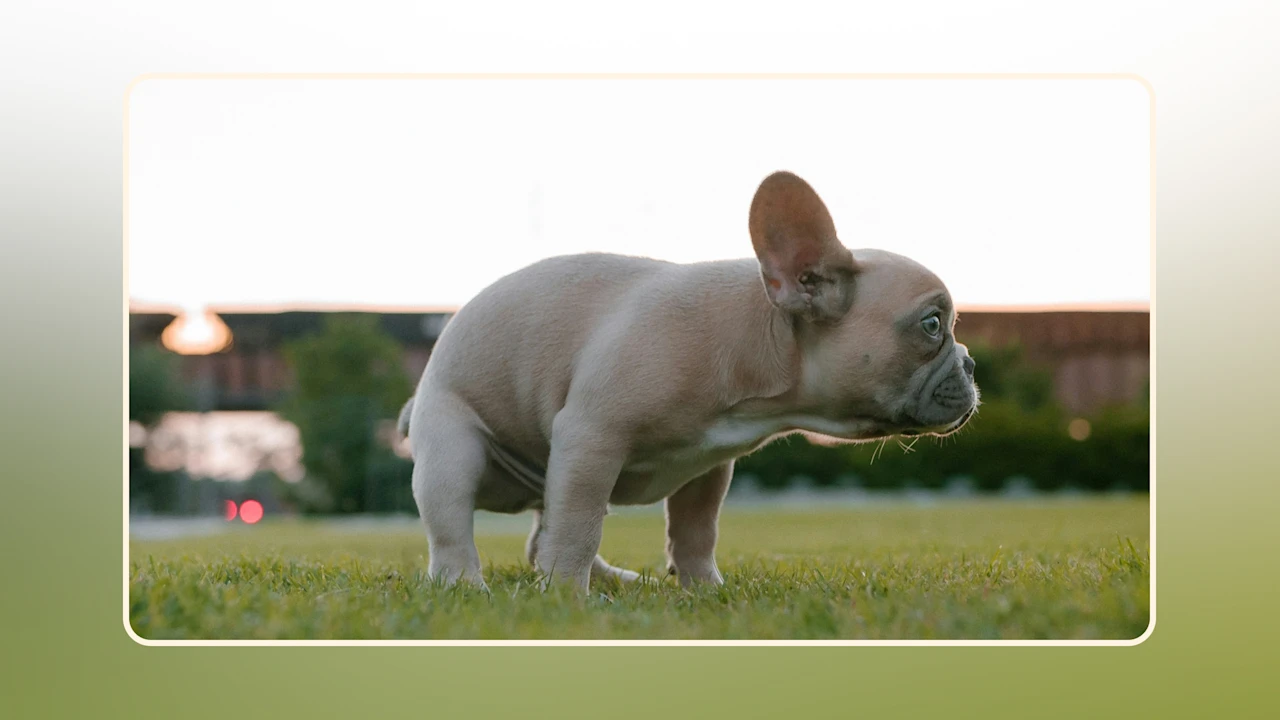
Credit: wefeedraw.com
Key Techniques To Try
Potty training a puppy can feel tough. The right techniques make it easier. Simple methods build good habits fast. These key techniques help puppies learn where to go. Start with clear steps and patience. Consistency is the secret to success.
Using Positive Reinforcement
Praise your puppy when it goes potty outside. Use treats or kind words immediately. This teaches your puppy what behavior you want. Avoid punishment. It can confuse and scare your puppy. Positive reinforcement builds trust and encourages good habits. Repeat this often for best results.
Crate Training Basics
A crate helps your puppy learn control. Puppies avoid soiling their sleeping area naturally. Make the crate cozy and safe. Use it for short times at first. Take your puppy outside right after leaving the crate. This helps connect the crate with potty breaks. Never use the crate as punishment.
Leash And Bell Training
Attach a bell to the door your puppy uses. Teach your puppy to ring it when they need out. Use the leash to guide your puppy outside. This signals the potty time clearly. Bell training gives your puppy a way to ask. Leash training keeps your puppy focused and safe.
Common Challenges And Fixes
Puppy potty training can be tricky. Many pet owners face common challenges. These problems can slow progress and cause frustration. Understanding these issues and their fixes helps keep training on track. Patience and consistency remain key throughout the process.
Handling Accidents Calmly
Accidents happen often during puppy training. Puppies do not learn quickly. Scolding or punishing can scare them and cause more accidents. Clean accidents quietly and thoroughly. Use pet-safe cleaners to remove smells. This stops puppies from returning to the same spot. Stay calm and positive to encourage good habits.
Dealing With Stubborn Behavior
Some puppies resist potty training rules. They may ignore commands or delay going outside. Use short, clear commands consistently. Reward good behavior immediately with treats or praise. Avoid frustration or yelling. Break training into small, easy steps. Patience helps reduce stubbornness over time.
Adjusting For Age And Breed
Different puppies learn at different speeds. Small breeds often need more frequent bathroom breaks. Older puppies may already have some control. Adjust training schedules based on your puppy’s age and size. Watch your puppy’s signals carefully. Tailor your approach for better results and fewer accidents.

Credit: www.youtube.com
Maintaining Progress
Maintaining progress in puppy potty training is key to long-term success. Consistency helps your puppy learn good habits. It also reduces accidents in the house. Keep training sessions regular and positive. This keeps your puppy confident and eager to learn.
Gradual Freedom Increase
Give your puppy more freedom step by step. Start with small areas where accidents are easy to clean. Watch your puppy closely as freedom grows. If accidents happen, reduce freedom and try again. This slow increase builds trust and good behavior.
Recognizing Potty Signals
Learn your puppy’s potty signals early. Signs include sniffing, circling, or whining. Acting fast when you see these helps prevent accidents. Take your puppy outside immediately. Reward them for going potty outdoors. This teaches your puppy to communicate needs clearly.
Keeping A Training Journal
Write down your puppy’s potty times and accidents. Note any changes in behavior or routine. This helps spot patterns and plan better training. A journal makes it easier to track progress. It shows what works and what needs change.
Frequently Asked Questions
How Long Does Puppy Potty Training Usually Take?
Puppy potty training typically takes 4 to 6 weeks. Consistency and patience speed up the process. Each puppy learns at its own pace. Regular bathroom breaks and positive reinforcement help achieve success faster.
What Are The Best Potty Training Tools For Puppies?
Essential tools include puppy pads, a leash, and cleaning supplies. Crate training aids create a designated space. Treats encourage good behavior. Using these tools consistently supports effective potty training.
How Often Should I Take My Puppy Outside?
Take your puppy outside every 1 to 2 hours. Frequent trips prevent accidents and help establish a routine. Always take them out after meals, naps, and playtime for best results.
How Can I Stop Puppy Potty Accidents Indoors?
Clean accidents immediately with enzymatic cleaner to remove odors. Avoid punishment, as it may confuse your puppy. Instead, increase outdoor trips and reward successful potty breaks outside.
Conclusion
Potty training your puppy can be simple and stress-free. Stay patient and consistent every day. Reward good behavior to encourage learning. Watch for signs your puppy needs a break. Make a routine that fits your schedule. Small steps lead to big progress over time.
Enjoy the bond growing between you and your puppy. Remember, every puppy learns at its own pace. Keep trying, and success will come soon.