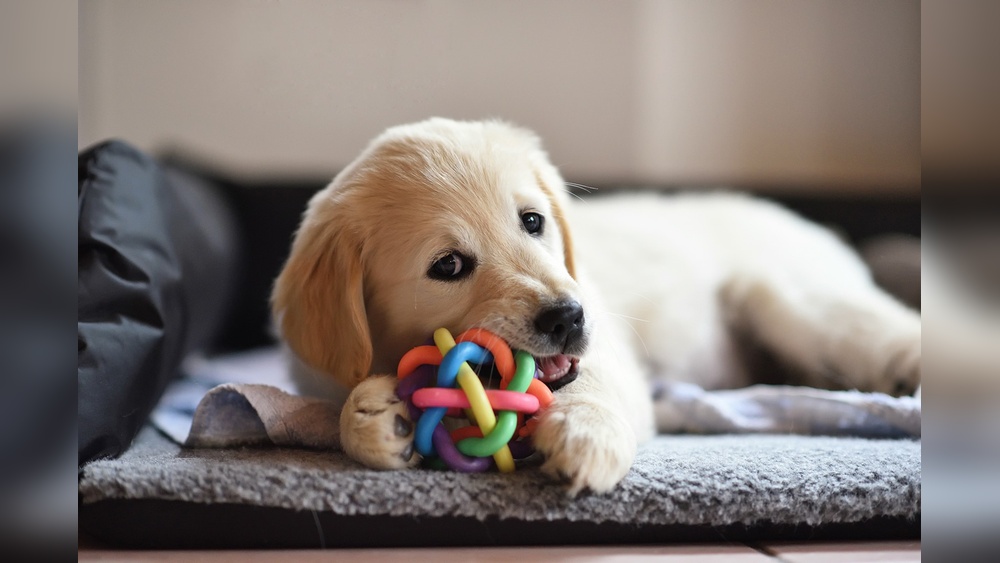
Are you ready to make your puppy the best-behaved friend you’ve ever had? Training your puppy might seem overwhelming, but with the right tips, it can be simple and even fun.
Imagine having a pup that listens, follows commands, and makes your life easier every day. This guide will give you easy and effective puppy training tips you can start using right now. Keep reading, and you’ll discover how small changes can lead to big results with your furry friend.
Start With Basics
Starting puppy training with the basics builds a strong foundation. Simple steps help your puppy learn faster. Clear guidance makes training less confusing for both of you. Focus on easy tasks first. This approach creates good habits early. It also boosts your puppy’s confidence. Consistency and patience are key in this phase.
Choose Simple Commands
Select short and clear commands like “sit,” “stay,” and “come.” These words are easy for puppies to understand. Use the same words every time to avoid confusion. Keep commands consistent in tone and length. Simple commands help your puppy focus better. This makes training sessions more effective and fun.
Use Consistent Signals
Pair your words with the same hand signals each time. Dogs learn through both sight and sound. Consistent signals help your puppy link commands with actions. Avoid changing gestures during training. This clarity helps your puppy respond quickly. It also reduces frustration for both of you.
Create A Routine
Creating a routine for puppy training helps your dog learn faster. Dogs feel safe with regular schedules. A steady routine builds good habits and reduces stress. Training becomes easier when your puppy expects what comes next.
Set Training Times
Choose specific times each day for training sessions. Keep sessions short, around 5 to 10 minutes. Short sessions hold your puppy’s attention better. Train your puppy at the same time daily. This consistency helps your puppy understand training is important. Morning and evening often work well for training.
Incorporate Play And Rest
Balance training with play and rest periods. Play time rewards your puppy and keeps training fun. Rest helps your puppy absorb new skills. Avoid training when your puppy feels tired or hungry. A well-rested puppy learns commands more quickly. Mixing play and rest keeps training positive and effective.
Positive Reinforcement
Positive reinforcement helps puppies learn good behavior quickly. It uses rewards to encourage actions you want to see again. This method builds trust and makes training fun for your puppy.
Positive reinforcement focuses on praising good deeds. It helps puppies feel safe and eager to please. This approach avoids fear and builds a strong bond between you and your pet.
Reward Good Behavior
Give treats or praise when your puppy behaves well. This shows them what you like. Use small, tasty treats to keep their attention. Praise with a happy voice and petting. Reward immediately after the good action for best results. Repeating this helps your puppy learn faster.
Avoid Punishments
Never punish your puppy for mistakes. Punishments can cause fear and confusion. Instead, ignore bad behavior and focus on the good. Redirect your puppy to a better action. Patience and calmness work better than yelling. This creates a positive learning space for your puppy.

Credit: resources.sdhumane.org
Socialize Early
Socializing your puppy early is key to raising a happy dog. It helps your puppy learn to trust people and feel safe. Early socialization shapes how your dog acts around others. It also reduces fear and aggression later in life. Start socializing soon after your puppy comes home. This builds a strong foundation for good behavior.
Introduce To New People
Let your puppy meet many different people. Include men, women, and children in these meetings. Each new face is a chance to build confidence. Keep introductions calm and gentle. Praise your puppy for being friendly and curious. This helps your puppy see people as friends. Avoid rushing the process or forcing your puppy.
Expose To Different Environments
Take your puppy to many places early on. Parks, streets, and pet stores are good choices. Different sounds, sights, and smells help your puppy learn. These experiences make your puppy less nervous in new places. Let your puppy explore at a safe pace. Reward calm and brave behavior with treats and praise. This grows a well-rounded and confident dog.
Handle Common Challenges
Training a puppy is exciting but comes with challenges. Puppies test limits with chewing, biting, and potty habits. Handling these common problems early helps build a strong bond. Patience and clear steps guide your puppy toward good behavior. Small efforts lead to big progress.
Focus on understanding why your puppy acts out. Then, use simple strategies to change habits. Consistency is key. Every family member should follow the same rules. This creates a calm and safe learning space for the puppy.
Address Chewing And Biting
Puppies chew to explore and soothe teething pain. Biting is natural but must be gentle. Provide safe chew toys to redirect their energy. Praise your puppy when they chew the right items.
Stop biting by saying “no” firmly and giving a toy. Avoid rough play that encourages biting. Teach your puppy that biting skin or clothes is not okay. Repeat training often with kindness and calm.
Manage Potty Training
Potty training needs patience and a clear routine. Take your puppy outside often, especially after meals and naps. Choose a quiet spot for bathroom breaks. Praise and reward your puppy for going outside.
Watch for signs like sniffing or circling to predict bathroom needs. Clean accidents with enzyme cleaner to remove smells. Avoid punishment; it can cause fear and confusion. Consistent timing and praise help your puppy learn fast.

Credit: petcareadvisorusa.com
Use Training Tools Wisely
Training tools help guide puppies and make learning easier. Using these tools the right way builds trust and good habits. Tools should support training, not replace patience and care.
Leashes And Collars
Leashes control your puppy during walks and training sessions. Choose a collar that fits well and feels comfortable. Avoid tight collars that hurt or stress your puppy. Use the leash gently to guide, not pull. Let your puppy explore safely while staying close.
Clickers And Treats
Clickers mark good behavior with a clear sound. They help puppies understand which actions please you. Pair clicking with small, tasty treats to reward your puppy. Treats motivate and encourage learning quickly. Use treats wisely to avoid overfeeding or distraction.
Stay Patient And Consistent
Training a puppy takes time and effort. Staying patient and consistent helps your puppy learn better. Your calm and steady approach builds trust. Puppies respond well to clear and repeated commands. Being patient avoids frustration for both you and your puppy.
Consistency means using the same words and routines every day. It helps your puppy understand what you want. Training sessions should be short but regular. This keeps your puppy interested and eager to learn.
Track Progress
Keep a simple record of your puppy’s learning. Note which commands they know well. Watch for signs of confusion or slow progress. Tracking helps you see improvement over time. Celebrate small wins to stay motivated. It shows what works best for your puppy’s learning style.
Adjust Techniques As Needed
Every puppy learns differently. Change your training methods if needed. Try different rewards like treats or praise. Use more hand signals or clearer words. If your puppy seems bored, make training fun again. Adjusting keeps training effective and enjoyable for both.

Credit: mannersformutts.com
Frequently Asked Questions
How Long Does Puppy Training Usually Take?
Puppy training duration varies by breed and consistency. Typically, basic commands take 6 to 8 weeks to learn. Regular short sessions improve retention and behavior. Patience and positive reinforcement speed up training progress.
What Is The Best Age To Start Puppy Training?
The ideal age to start training is 7 to 8 weeks old. Early training helps puppies learn good habits quickly. Socialization and basic commands are easier to teach at this stage. Starting early prevents behavioral issues later.
How Often Should I Train My Puppy Daily?
Training sessions should be 5 to 10 minutes long, 2 to 3 times daily. Short, frequent sessions keep puppies engaged and reduce frustration. Consistency and repetition are key to effective learning and good behavior.
What Are The Essential Commands For Puppy Training?
Basic commands include sit, stay, come, down, and leave it. These improve safety and communication between you and your puppy. Teaching these commands builds a strong foundation for advanced training.
Conclusion
Training your puppy takes patience and consistency every day. Small steps build strong habits that last. Praise good behavior to encourage learning. Keep training sessions short and fun to hold attention. Remember, mistakes are normal and part of growth. Stay calm and gentle during challenges.
A well-trained puppy becomes a happy, trusted friend. Enjoy the journey and the bond you create together.