

Are you thinking about adding a Toy Poodle to your family but wonder if they’re the right fit? You want a dog that’s smart, friendly, and fits well into your lifestyle.
Toy Poodles are often praised for their charm and intelligence, but are they really good dogs for you? You’ll discover what makes Toy Poodles special, their needs, and whether they match what you’re looking for in a furry friend. Keep reading to find out if a Toy Poodle could be your perfect companion.
Credit: www.pets4homes.co.uk
Toy Poodle Traits
Toy Poodles are small dogs with big personalities. Their traits make them popular pets worldwide. Understanding these traits helps you see if they fit your lifestyle.
They have unique features in size, temperament, and health. These qualities define what it is like to live with a Toy Poodle.
Size And Appearance
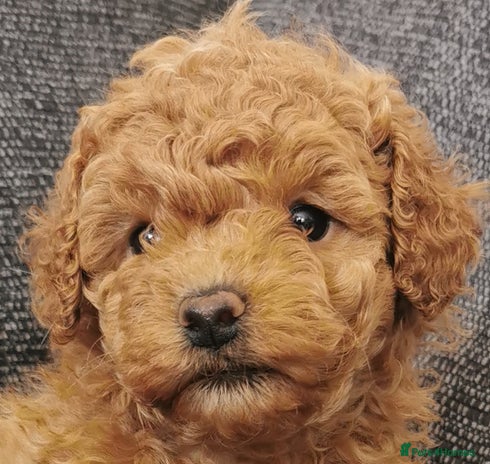
Toy Poodles are tiny, usually under 10 inches tall. They weigh about 4 to 6 pounds. Their coat is curly and soft, often trimmed neatly. Colors vary from white, black, brown to apricot. Their small size makes them perfect for apartments and small homes.
Temperament
Toy Poodles are smart and eager to learn. They enjoy playing and being active. They are friendly but can be shy with strangers. These dogs bond closely with their owners. They do well with children if treated gently. Their alert nature makes them good watchdogs.
Lifespan And Health
Toy Poodles live around 12 to 15 years. They are generally healthy but can have some issues. Common problems include eye diseases and joint issues. Regular vet visits help keep them healthy. Proper diet and exercise boost their lifespan. They respond well to care and attention.
Training And Intelligence
Toy Poodles are known for their sharp minds and eagerness to learn. Their intelligence makes training easier than with many other small breeds. Understanding their training needs helps build a strong bond and good behavior. Consistent practice brings the best results with Toy Poodles.
Learning Ability
Toy Poodles pick up new commands quickly. They enjoy mental challenges and puzzles. This breed learns tricks and routines faster than most dogs. Early training helps develop their skills. They respond well to positive reinforcement and treats.
Obedience Tips
Keep training sessions short and fun. Use clear, simple commands every time. Praise your Toy Poodle often to encourage good behavior. Regular practice is key to obedience. Socialize them early to make training easier.
Common Challenges
Toy Poodles can be sensitive to harsh words. They may become stubborn if bored. Lack of socialization can cause shyness or nervousness. Some may show small dog syndrome if not trained well. Patience and kindness solve most problems.
Exercise Needs
Toy Poodles need regular exercise to stay happy and healthy. They are small but active dogs. Exercise helps them burn energy and avoid bad behavior. A good routine keeps their body and mind strong.
Daily Activity
Toy Poodles enjoy daily walks. A 20 to 30-minute walk suits them well. Short walks around the neighborhood work fine. Playing outside in a safe yard also helps. Regular movement keeps their muscles fit and joints healthy.
Playtime Ideas
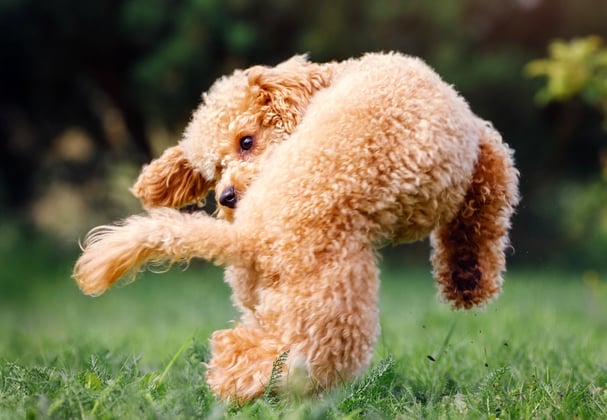
Playtime is fun and great exercise for Toy Poodles. Toss a small ball for them to fetch. Use soft toys for gentle tug-of-war. Hide treats around the house for a fun search. These games keep them active and happy.
Mental Stimulation
Toy Poodles are smart and need mental challenges. Puzzle toys with treats inside work well. Teach them new tricks or commands often. Training sessions can be short but frequent. Mental exercise prevents boredom and bad habits.
Grooming Essentials
Toy Poodles have a unique coat that needs regular care. Their grooming helps keep them healthy and happy. It also stops mats and tangles that can hurt their skin.
Understanding grooming basics makes caring for your Toy Poodle easier. This section covers the most important grooming tasks you should know.
Coat Care
Toy Poodles have curly, dense fur. It traps dirt and debris easily. Brush their coat daily with a slicker brush. This stops mats from forming and removes loose hairs. Regular brushing also spreads natural oils. These oils keep the coat shiny and soft.
Bathing Schedule
Bath your Toy Poodle every three to four weeks. Use a gentle dog shampoo made for sensitive skin. Too many baths dry out their coat and skin. After bathing, dry the coat completely. Damp fur can cause skin infections.
Trimming And Styling
Trim your Toy Poodle’s coat every six to eight weeks. A neat cut keeps them cool and comfortable. Many owners prefer a classic poodle cut. You can also choose a simple trim to reduce grooming time. Regular trimming helps prevent mats and makes your dog look its best.
Health Concerns
Toy Poodles are small and lively dogs. Their health is an important topic for all owners. Knowing about health concerns helps keep your dog happy and active. This section covers common health issues, ways to prevent problems, and the need for regular veterinary visits.
Common Issues
Toy Poodles may face some health problems. They often have dental issues because of their small mouths. Eye problems like cataracts or progressive blindness can occur. Some may develop patellar luxation, a knee joint issue. Skin allergies and ear infections are also common. Early signs need careful watching to avoid serious trouble.
Preventive Care
Good care can reduce many health risks. Brush your Toy Poodle’s teeth regularly. Clean their ears to prevent infections. Feeding a balanced diet supports strong bones and a healthy coat. Regular exercise keeps their joints strong. Avoid overfeeding to prevent obesity, which causes many health problems.
Veterinary Visits
Regular check-ups are a must for Toy Poodles. Vets can spot problems early before they get worse. Vaccinations protect against dangerous diseases. Discuss dental care and any behavior changes with your vet. Keep your dog’s health records up to date. Consistent vet visits extend your dog’s life and improve its quality.
Suitability For Families
Toy Poodles are popular pets for many families. Their small size and smart nature make them fit well in different homes. Understanding their suitability helps families decide if a Toy Poodle is right for them.
With Children
Toy Poodles can be good with children. They are gentle and enjoy playtime. Their small size means they need care around rough kids. Teaching kids to be gentle helps build a good bond. They love attention and can be very loyal.
Living With Other Pets
Toy Poodles usually get along with other pets. Their friendly nature helps them make friends. Early socialization makes sharing space easier. They enjoy company and hate being alone. This breed adapts well to different animals.
Apartment Living
Toy Poodles fit well in apartments. Their small size requires less space. They need daily exercise to stay healthy and happy. Regular walks and indoor games work well. Quiet and clean, they suit apartment rules easily.
Adoption Tips
Adopting a Toy Poodle can bring joy to your home. These small dogs have big hearts and bright minds. Knowing how to adopt correctly helps you find a healthy, happy pup. It also ensures your new friend fits your lifestyle.
Finding Reputable Breeders
Choose breeders who care about dog health. Check their facilities and ask about health tests. Good breeders raise puppies with love and proper care. They should provide vaccinations and clear medical records. Avoid places that sell many dogs quickly or hide information. Visit the breeder in person before deciding.
Rescue Options
Rescue groups offer Toy Poodles needing new homes. These dogs may be older or need special care. Rescues can give you a chance to save a life. Ask rescue centers about the dog’s history and behavior. Adopting from rescue helps reduce pet overpopulation. It also supports animals waiting for a loving family.
What To Expect
Toy Poodles need daily exercise and mental activities. They enjoy learning new tricks and being with people. Expect grooming sessions often, as their hair grows fast. They may bark to alert or seek attention. Early training helps develop good habits. Prepare your home with toys and safe spaces. Patience and love build a strong bond with your dog.
)
Credit: lyka.com.au
Credit: www.waggel.co.uk
Frequently Asked Questions
Are Toy Poodles Good For Families With Kids?
Toy Poodles are gentle and playful, making them great with kids. They enjoy interaction but require supervision with very young children to prevent accidental injury. Their friendly nature and intelligence make them excellent family pets.
How Much Exercise Do Toy Poodles Need Daily?
Toy Poodles need moderate daily exercise, about 30 minutes. Regular walks and playtime keep them healthy and mentally stimulated. They adapt well to indoor activities, making them suitable for apartment living.
Do Toy Poodles Require Special Grooming?
Yes, Toy Poodles need regular grooming due to their curly coat. Frequent brushing prevents mats and tangles. Professional grooming every 4-6 weeks helps maintain their coat’s health and appearance.
Are Toy Poodles Easy To Train?
Toy Poodles are highly intelligent and quick learners. They respond well to positive reinforcement training methods. Consistent training and mental stimulation keep them obedient and happy.
Conclusion
Toy Poodles make great pets for many families. They are smart, friendly, and easy to train. Their small size fits well in apartments or houses. These dogs enjoy playing and being with people. They need regular care and attention to stay happy.
Choosing a Toy Poodle means bringing joy and love into your home. Think about your lifestyle before deciding. A happy dog needs time and patience. Toy Poodles can be a wonderful addition to your life.


