

Have you ever wondered why your dog curls up in a tight ball or stretches out flat when they sleep? Understanding your dog’s sleeping behavior can reveal a lot about their comfort, health, and even their mood.
When you learn what your furry friend’s sleep habits mean, you can make their rest time better and strengthen the bond between you. Keep reading, and you’ll discover surprising facts about your dog’s sleep that might change how you care for them every day.
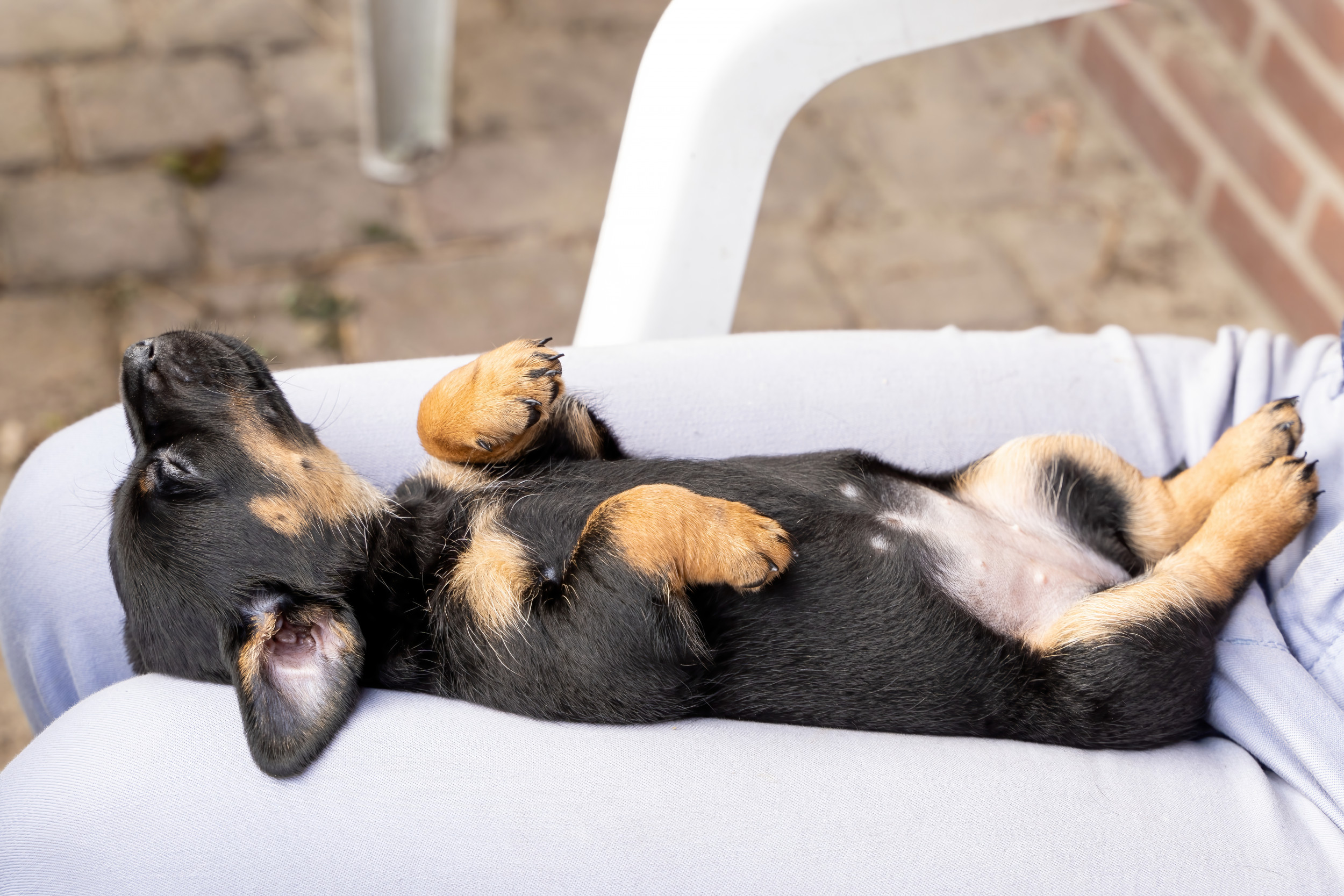
Credit: www.newsweek.com
Sleep Patterns In Dogs
Dogs have unique sleep patterns that differ from humans. Understanding how dogs sleep helps owners care for them better. Sleep affects a dog’s health, mood, and energy. Each dog’s sleep is shaped by age, breed, and lifestyle. Let’s explore the key details about dog sleep patterns.
Typical Sleep Duration
Dogs usually sleep between 12 and 14 hours a day. Puppies and older dogs need more rest, sometimes up to 18 hours. Working or active dogs may sleep less but still need good quality rest. Short naps during the day help dogs recharge quickly.
Sleep Cycles Explained
Dogs cycle through light and deep sleep stages several times each night. Light sleep lets them stay alert to sounds or movements. Deep sleep helps the body heal and grow stronger. Dreaming happens during rapid eye movement (REM) sleep, just like in humans.
Breed Differences
Different breeds show varied sleep needs and patterns. Small breeds tend to sleep more than large breeds. Active breeds may have shorter naps but longer deep sleep periods. Working dogs often have strong sleep-wake cycles suited to their tasks.
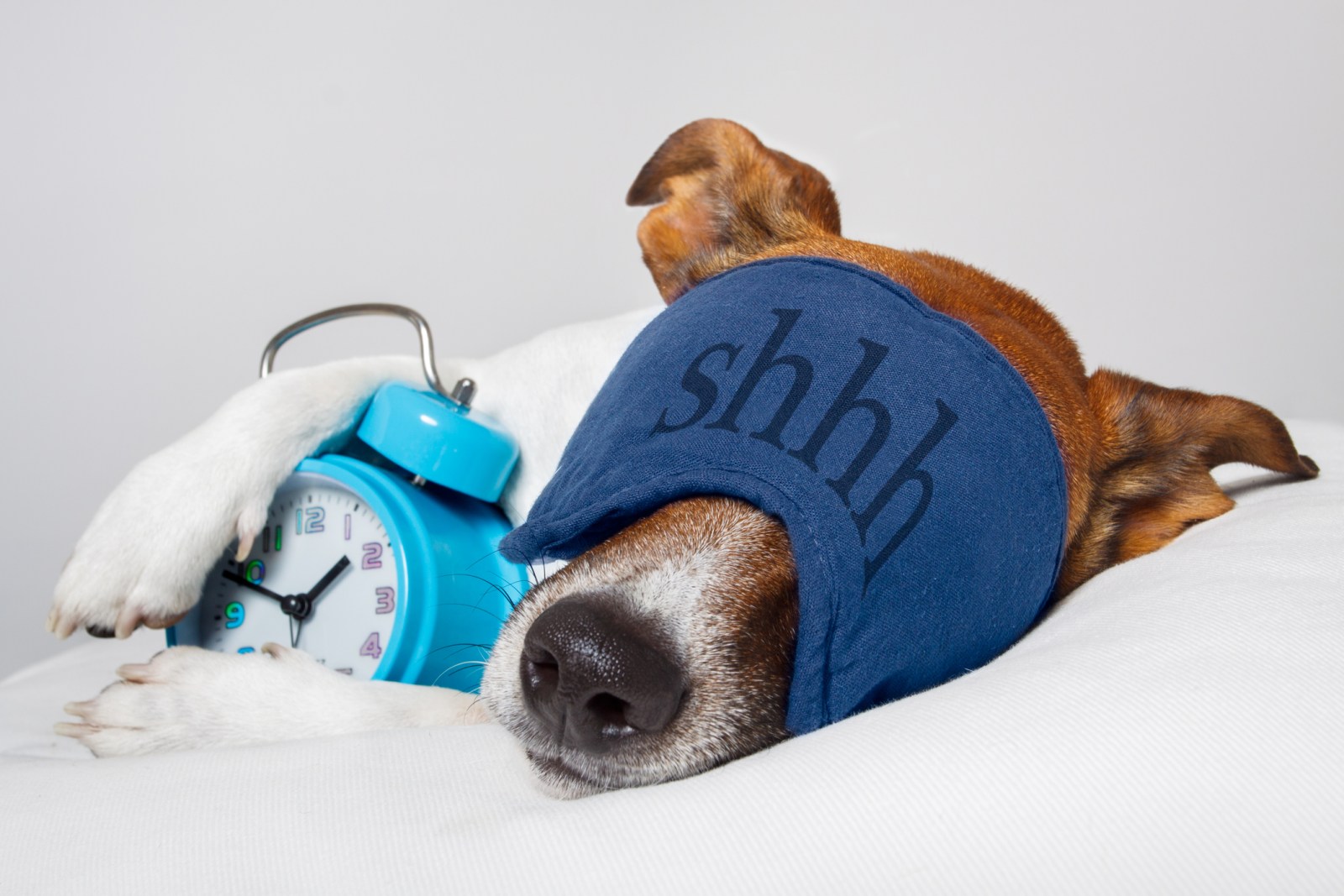
Credit: www.newsweek.com
Common Sleeping Positions
Dogs sleep in many ways. Their sleeping position shows comfort and mood. Some positions help dogs stay warm. Others help them relax their muscles. Understanding these poses helps you know your dog better.
Curled Up
Dogs curl up to keep warm and feel safe. This position protects their belly and vital organs. It looks like a tight ball with their nose near their tail. Many dogs choose this pose in colder weather. It is a natural way to save body heat.
On Their Side
Sleeping on the side means a dog feels safe and relaxed. Their legs stretch out, and their body lies flat. This pose shows the dog trusts their environment. It allows deep, restful sleep and easy breathing. Many dogs use this pose after play or exercise.
The Superman Pose
In the Superman pose, dogs lie on their belly. Their legs stretch forward and backward, like flying. This position cools their belly on the floor. It helps dogs stretch their muscles after activity. Puppies and active dogs often sleep this way.
Factors Affecting Dog Sleep
Dogs need good sleep to stay healthy and happy. Many things can change how well dogs sleep. Knowing what affects their rest helps you care for them better. Sleep changes with age, health, and daily life. Let’s explore the main factors that affect dog sleep.
Age And Health
Young puppies sleep a lot. Their bodies grow fast during sleep. Older dogs may need more rest too. Health problems can cause sleep changes. Pain or illness can make dogs restless. Regular check-ups help spot sleep issues early.
Environment And Comfort
Dogs sleep best in calm, quiet places. Too much noise or light can disturb them. A soft, cozy bed makes a big difference. Temperature matters; dogs prefer a cool, dry spot. A safe space helps dogs relax fully.
Diet And Exercise
A balanced diet affects sleep quality. Too much food late in the day can cause discomfort. Regular exercise helps dogs use energy and sleep better. Lack of activity may lead to restlessness. Exercise should match the dog’s age and health.
Signs Of Healthy Sleep
Healthy sleep is vital for a dog’s well-being. It helps their body heal and their mind rest. Knowing the signs of healthy sleep helps you see if your dog feels safe and comfortable. Watch your dog carefully during naps and nighttime sleep. Their behavior tells a lot about their health.
Relaxed Body Language
A dog that sleeps well shows loose muscles and soft posture. Their legs and paws rest naturally. No tension or stiffness appears. Ears lie flat or slightly back. Their face looks calm, with closed or half-closed eyes. A relaxed body means the dog feels safe and stress-free.
Steady Breathing
Healthy sleep comes with slow and even breaths. The chest rises and falls gently. No heavy panting or gasping occurs. Regular breathing shows the dog is calm and comfortable. Sudden changes in breathing might mean discomfort or illness. Pay close attention during sleep.
Dreaming Behavior
Dogs often twitch, move paws, or make soft sounds in dreams. This shows their brain is active and resting well. Dreaming helps dogs process daily experiences. It is a good sign of deep and healthy sleep. Watching these small actions means your dog sleeps soundly.
Sleep Issues To Watch For
Dogs need good sleep for their health and happiness. Watch for signs of sleep problems early. These signs can show your dog may be uncomfortable or sick. Acting fast can help your dog feel better.
Restlessness And Anxiety
Restlessness during sleep means your dog moves or wakes often. This can show stress or fear. Anxiety may cause pacing or whining at night. A calm space helps reduce these feelings. Try soft bedding and quiet surroundings.
Excessive Sleeping
Dogs sleep a lot, but too much is a concern. Sleeping more than normal can signal illness or sadness. Older dogs may slow down, but sudden changes need attention. Monitor your dog’s activity and mood closely.
Sleep Disorders
Some dogs suffer from sleep disorders like sleep apnea or narcolepsy. These cause odd sleep patterns or sudden collapses. Notice if your dog snores loudly or stops breathing briefly. Veterinary help is needed for diagnosis and care.
Improving Your Dog’s Sleep
Good sleep is vital for your dog’s health and happiness. Dogs need rest to recover energy and stay active. Improving your dog’s sleep improves their mood and behavior. Simple steps can create a better sleep environment for your pet. Focus on comfort, routine, and calmness for better rest.
Creating A Comfortable Space
Choose a quiet and cozy spot for your dog to sleep. Use a soft bed or blanket that fits their size. Keep the area clean and free from drafts or loud noises. A warm, safe space helps dogs relax and feel secure. Avoid placing the bed near busy or noisy areas.
Establishing A Routine
Dogs thrive with a consistent sleep schedule. Set regular times for bedtime and waking up. Follow the same steps before sleep, like quiet walks or gentle petting. A routine signals the dog that it is time to rest. Consistency reduces anxiety and improves sleep quality.
Using Calming Techniques
Calm your dog before bedtime using soft voices or gentle strokes. Play soothing music or white noise to block distractions. Try natural remedies like lavender scents or calming treats. Avoid exciting activities right before sleep. These techniques help your dog wind down and fall asleep faster.

Credit: www.wikihow.com
Frequently Asked Questions
Why Do Dogs Change Sleeping Positions Often?
Dogs change sleeping positions to stay comfortable and regulate body temperature. It also helps relieve muscle stiffness and show their mood or alertness.
How Many Hours Do Dogs Sleep Daily?
Dogs typically sleep 12 to 14 hours a day. Puppies and older dogs may sleep even more for growth and recovery.
Is It Normal For Dogs To Twitch While Sleeping?
Yes, dogs twitch during REM sleep. Twitching shows they are dreaming and helps their brain process daily activities safely.
Can Sleeping Behavior Indicate Dog Health Problems?
Yes, changes in sleeping patterns can signal health issues. Excessive sleep or restlessness may require a vet’s attention.
Conclusion
Dogs need good sleep to stay healthy and happy. Watching their sleeping habits helps you understand them better. Each dog has unique ways to rest and relax. Providing a quiet, safe place improves their sleep quality. Pay attention to changes in sleep; it may signal health issues.
Healthy sleep supports your dog’s energy and mood daily. Caring for your dog’s sleep shows your love and respect. Keep their routine calm and consistent for best results. Sleep is as important for dogs as it is for people.


