

Are you wondering if a grain-free diet is really the best choice for your dog? With so much information out there, it’s easy to feel confused about what’s healthy and what’s not.
You want the best for your furry friend, but could cutting grains from their food actually do more harm than good? Keep reading to discover the surprising facts about grain-free diets and how they might affect your dog’s health. This could change the way you think about your pet’s nutrition forever.
Grain Free Diet Basics
A grain free diet for dogs has gained attention in recent years. It means dog food that does not contain grains like wheat, corn, or rice. Some owners choose it to help dogs with allergies or digestive issues.
Understanding the basics of grain free diets helps in making better food choices for your dog. This section explains what a grain free diet is and what ingredients it usually contains.
What Is A Grain Free Diet?
A grain free diet excludes all types of grains. This means no wheat, corn, barley, or rice in the food. Instead, the diet focuses on other sources of nutrients. These diets aim to reduce allergens and improve digestion.
Some dogs may benefit from avoiding grains. Others may not need it at all. Knowing the diet’s definition is key before switching your dog’s food.
Common Ingredients In Grain Free Dog Food
Grain free dog foods use different ingredients to replace grains. Common fillers include potatoes, peas, and lentils. These provide carbohydrates and energy.
Protein usually comes from meat, fish, or eggs. Some recipes add fruits and vegetables for vitamins and fiber. Always check the ingredient list to know what your dog eats.
Reasons For Choosing Grain Free
Many dog owners choose grain free diets to improve their pets’ health. These diets remove grains like wheat, corn, and rice. Some dogs may benefit from avoiding grains. The choice often depends on specific health needs or beliefs about dog nutrition.
Understanding the reasons for selecting grain free foods helps pet owners make better decisions. Two key reasons stand out: allergies and sensitivities, and perceived health benefits. Both play a big role in why grain free diets are popular.
Allergies And Sensitivities
Grains can cause allergic reactions in some dogs. Symptoms include itching, ear infections, and digestive problems. Grain free diets can reduce these issues by removing common allergens.
Some dogs have sensitive stomachs. They may get upset or have loose stools after eating grains. Grain free food offers an alternative that may be easier to digest. This helps dogs feel more comfortable and healthy.
Perceived Health Benefits
Many owners believe grain free diets improve their dog’s overall health. They think these diets support better energy and coat condition. Some also believe grain free food is closer to a dog’s natural diet.
Grain free foods often contain more protein and fat from meat sources. This can help active dogs maintain muscle and stamina. People choose grain free diets hoping for these benefits, even without clear scientific proof.
Potential Risks Of Grain Free Diets
Grain free diets for dogs have grown in popularity, but they come with some risks. Understanding these risks helps pet owners make safe choices for their dogs’ health. Below are some key concerns linked to grain free diets.
Nutritional Deficiencies
Grains provide important nutrients like fiber and vitamins. Removing grains can lead to missing essential nutrients. Some grain free foods rely on other ingredients that may not offer balanced nutrition. This can cause health problems over time.
Dilated Cardiomyopathy Concerns
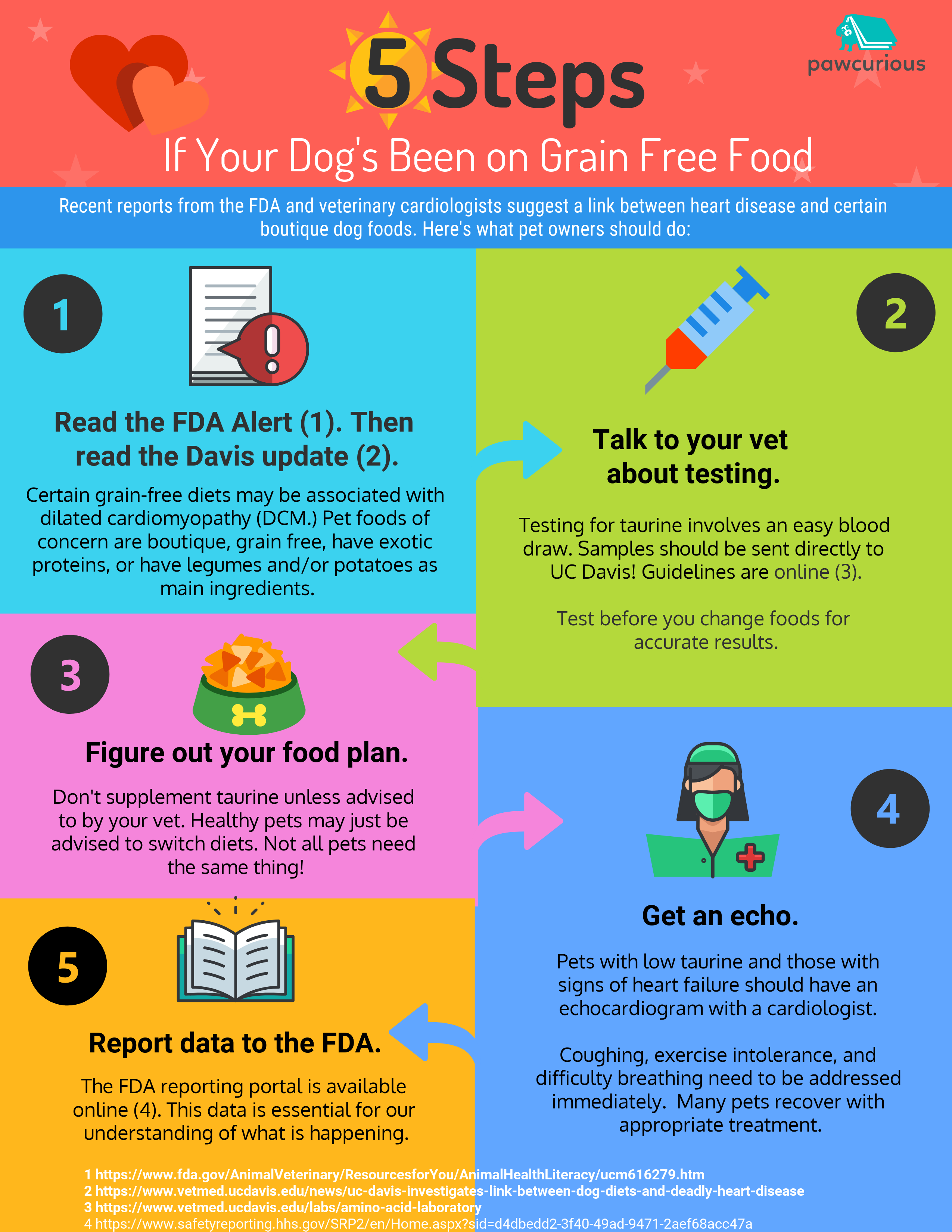
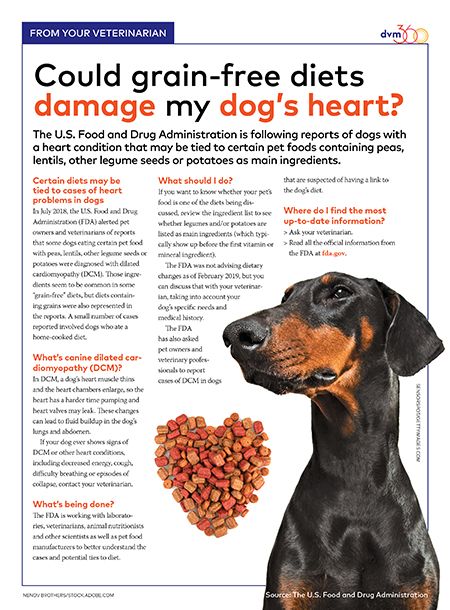
Dilated cardiomyopathy (DCM) is a serious heart disease in dogs. Studies suggest a link between grain free diets and higher DCM cases. The exact cause is unclear, but some grain free ingredients may affect heart health. Dogs on grain free diets need monitoring for heart issues.
Fda Investigations And Findings
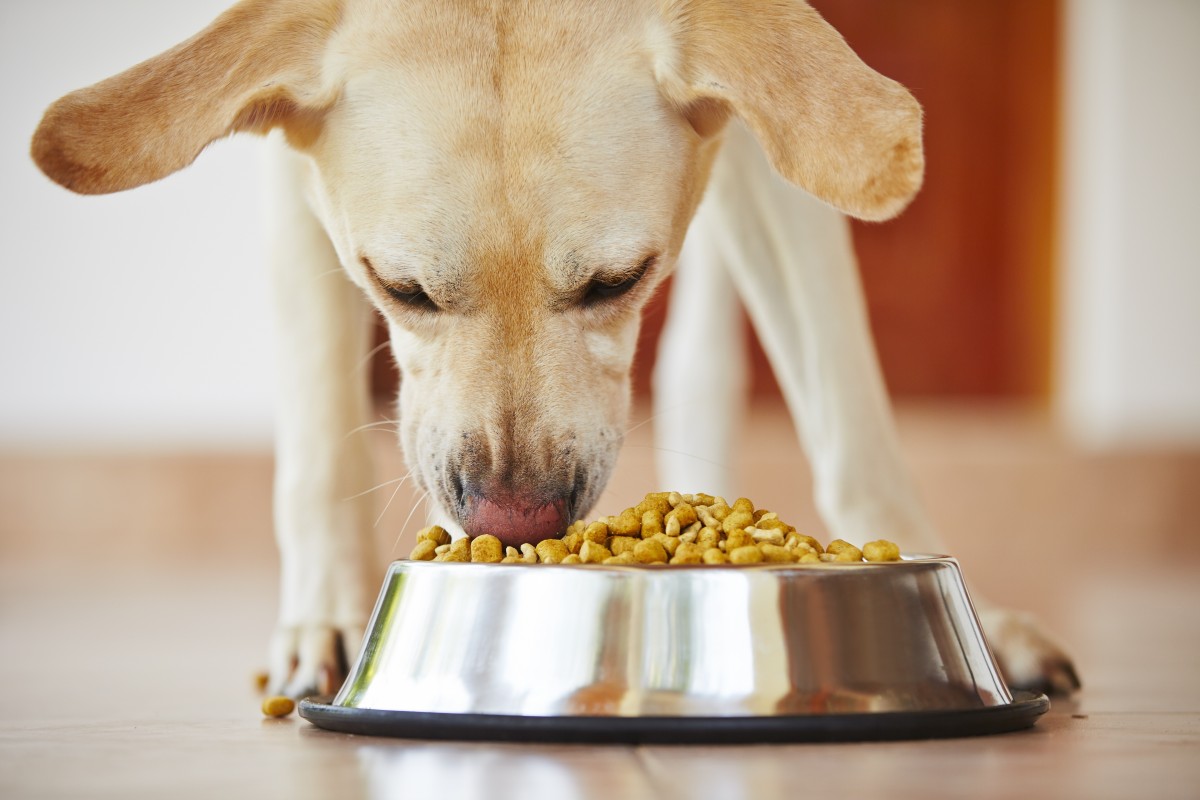
The FDA has investigated grain free diets due to rising DCM reports. Their findings show a possible connection, but no direct cause was confirmed. The FDA advises pet owners to consult vets before making diet changes. Ongoing research aims to clarify these risks further.
Credit: vetmed.tamu.edu
Comparing Grain Free And Grain Inclusive Diets
Comparing grain free and grain inclusive diets helps pet owners make better choices. Both diets aim to support a dog’s health but differ in ingredients and benefits. Understanding these differences can guide you in selecting the right food for your dog’s needs.
Grain free diets exclude grains like wheat, corn, and rice. Grain inclusive diets contain these grains along with other nutrients. Each type affects your dog’s body in unique ways.
Nutritional Value Differences
Grain inclusive diets often have more fiber from grains. Fiber supports healthy digestion and regular bowel movements. Grains also provide essential vitamins like B-complex and minerals. These nutrients help keep your dog’s skin and coat healthy.
Grain free diets replace grains with ingredients like peas, potatoes, or lentils. These alternatives offer protein and carbohydrates but vary in nutrient content. Some grain free foods lack certain vitamins found in grains unless added separately. Check the label for complete nutrition.
Digestibility And Energy Levels
Grain inclusive diets usually digest well for most dogs. Grains provide steady energy, helping dogs stay active throughout the day. Dogs with sensitive stomachs may digest grains less easily, causing discomfort.
Grain free diets can be easier to digest for dogs with grain allergies. These diets may boost energy for some dogs due to higher protein levels. Watch your dog’s reaction to diet changes. Energy and digestion can vary based on individual needs.
When To Consider Grain Free
Considering a grain free diet for your dog depends on several factors. Not every dog needs to avoid grains. Some dogs may thrive on a grain free diet. Others may not see any benefit or might even face issues. Knowing when to consider grain free helps you make the best choice for your pet’s health.
Veterinary Recommendations
Veterinarians can guide you on your dog’s diet needs. They check for allergies or digestive problems. If your dog has a grain allergy, your vet may suggest a grain free diet. Some dogs with sensitive stomachs also benefit. Always seek professional advice before changing your dog’s food.
Signs Your Dog May Benefit
Watch for itchy skin, constant scratching, or red patches. These can indicate grain allergies. Digestive issues like diarrhea or vomiting may also signal a problem. If your dog feels tired or loses weight, diet might play a role. These signs suggest it might be time to try grain free food.
Credit: pawcurious.com
Tips For Choosing The Right Dog Food
Choosing the right dog food takes careful thought. Dogs need balanced nutrition to stay healthy and happy. Grain free diets may suit some dogs but not all. Understanding how to pick the best food helps avoid problems.
Here are some tips to guide your choice. These steps help you find food that matches your dog’s needs and lifestyle. Pay close attention to ingredients and health signs.
Reading Labels Carefully
Check the ingredient list on every dog food package. Look for real meat or fish as the first ingredient. Avoid foods with too many fillers like corn or soy. Grain free does not always mean better. Some grains provide important nutrients. Avoid artificial colors, flavors, and preservatives. Choose foods with clear, simple ingredients you recognize.
Consulting With A Vet
Your vet knows your dog’s health history best. Ask about diet options and grain free benefits or risks. Share any allergies or digestive problems your dog has. The vet can recommend brands or types suited for your dog. Regular vet visits help adjust diet as your dog ages or changes health.
Monitoring Your Dog’s Health
Watch your dog closely after changing food. Check their coat, energy, and digestion. Look for signs of allergies like itching or upset stomach. If your dog seems less active or uncomfortable, try a different food. Keep a log of changes to discuss with your vet. Healthy dogs show bright eyes, shiny coat, and regular bathroom habits.
Credit: janyafertilityclinic.com
Frequently Asked Questions
Is Grain Free Diet Healthy For All Dogs?
Grain free diets suit some dogs with allergies or sensitivities. However, not all dogs need grain free food. Consult your vet before switching.
Can Grain Free Food Cause Heart Problems In Dogs?
Some studies link grain free diets to canine heart disease (DCM). The exact cause is unclear. Vet guidance is crucial before feeding grain free.
Are Grains Bad For Dogs’ Digestion?
Most dogs digest grains well. Grains provide fiber and nutrients. Only dogs with specific allergies or intolerances should avoid grains.
What Are Common Ingredients In Grain Free Dog Food?
Grain free dog foods use potatoes, peas, lentils, or chickpeas instead of grains. These ingredients provide carbohydrates and fiber.
Conclusion
Choosing the right diet for your dog matters a lot. Grain-free diets suit some dogs but not all. Dogs need balanced meals to stay healthy and happy. Talk to your vet before making diet changes. Watch your dog’s health and energy every day.
A good diet supports a long, active life. Keep learning about your dog’s needs. This helps you make smart choices. Your dog deserves the best care you can give.


