

Training your Husky dog can be both exciting and challenging. Huskies are smart, energetic, and full of personality, but that means they need the right guidance to become well-behaved companions.
If you want a happy, obedient Husky who listens to you and enjoys every moment together, this guide is for you. Keep reading to discover simple, proven steps that will make training your Husky easier and more effective than you ever thought possible.
Your journey to a better bond with your furry friend starts here.
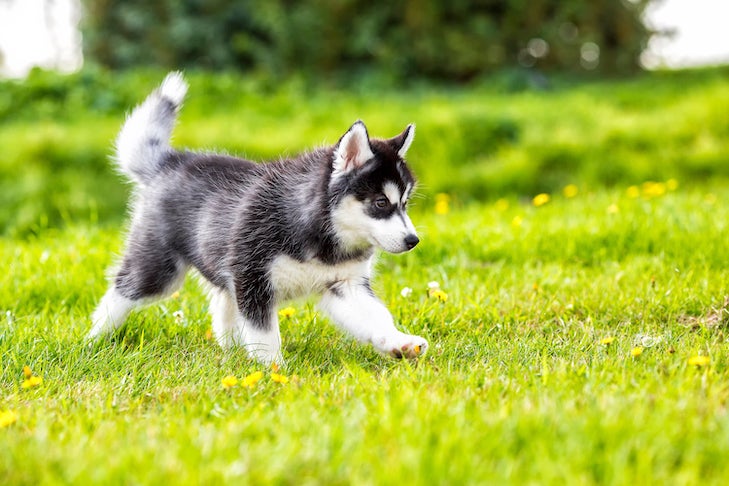
Credit: www.akc.org
Choosing The Right Training Approach
Choosing the right training approach is essential for a happy, well-behaved Husky. These dogs are smart but can be stubborn. Training methods must suit their unique personality and energy levels. Picking a good approach helps build trust and keeps training fun.
Positive Reinforcement Techniques
Positive reinforcement means rewarding good behavior. Treats, praise, or playtime can be used to encourage your Husky. This method helps your dog learn quickly and enjoy training sessions. Avoid harsh punishments. They can harm your dog’s trust and slow progress.
Consistency And Patience
Consistency is key in training a Husky. Use the same commands and rules every day. This clarity helps your dog understand expectations. Patience is just as important. Huskies may test limits. Stay calm and repeat training calmly. Progress may be slow but steady.
Setting Realistic Goals
Set small, clear goals for each training session. Break down complex tasks into simple steps. Celebrate small wins to motivate your Husky. Unrealistic goals can cause frustration for both you and your dog. Focus on gradual improvement for lasting success.
Essential Commands For Huskies
Training a Husky starts with teaching essential commands. These commands build trust and control. Huskies are smart but can be stubborn. Clear, consistent commands help them learn faster.
Focus on basic commands first. They keep your dog safe and well-behaved. These commands also make walks and playtime easier. Start early and practice often.
Sit, Stay, And Come
“Sit” is the first command to teach. It helps calm your Husky and gain control. Hold a treat above their nose. Move it back slowly. When they sit, say “sit” and give the treat.
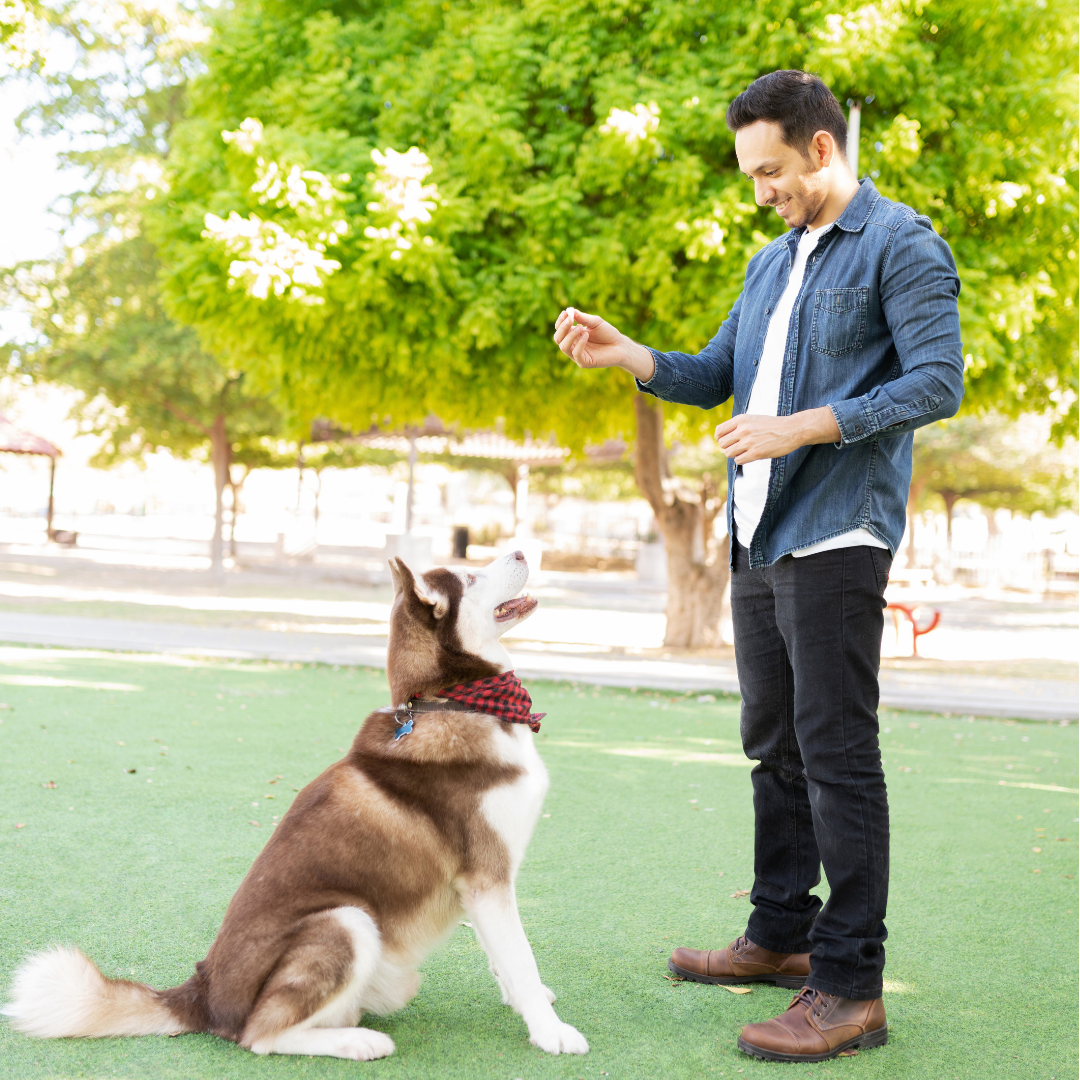
“Stay” teaches patience and self-control. Ask your Husky to sit first. Show your palm and say “stay.” Step back slowly. If they stay, reward with a treat. Repeat until they stay longer.
“Come” is important for safety. Use a happy voice and say “come.” Show a treat or toy. Praise your Husky when they come to you. Practice in safe, enclosed areas.
Leash Training Basics
Huskies love to run and pull on the leash. Teach loose leash walking early. Use a short leash for better control. Stop walking if your Husky pulls. Wait until the leash is slack. Then continue walking. Praise your dog for walking beside you.
Practice in quiet places first. Gradually add distractions. Keep sessions short and fun. This builds good habits and reduces pulling.
Recall Training
Recall means your Husky comes when called. Start indoors or in fenced areas. Use a clear, happy call like “come.” Reward your dog with treats and praise. Increase distance slowly. Add distractions over time.
Never punish a dog that returns. Make coming to you a positive experience. Recall training saves lives and builds trust. Practice daily for best results.
Handling Common Behavioral Issues
Handling common behavioral issues is key to training a Husky. These dogs are smart but can be stubborn. They need clear rules and consistent training. Understanding their behavior helps you respond well. Avoid harsh punishments; positive methods work best. Patience and persistence pay off in the long run.
Managing Excessive Barking
Huskies may bark loudly and often. This can disturb your home and neighbors. First, find out why your Husky barks. It could be boredom, fear, or attention-seeking. Give your dog enough exercise and playtime daily. Use commands like “quiet” and reward silence. Ignore barking for attention to reduce it. Consistency helps your dog learn faster.
Dealing With Chewing And Digging
Chewing and digging are natural for Huskies. They need to release energy and explore. Provide safe toys to chew on. Redirect your dog to these toys when it chews furniture. For digging, create a special digging spot outside. Encourage your dog to use this area. Keep your yard secure to prevent damage. Training and supervision reduce unwanted behavior.
Preventing Escape Attempts
Huskies are known escape artists. They can jump fences or dig under gates. Make sure your fence is tall and secure. Bury fencing or add barriers to stop digging. Keep your dog busy with exercise and mental games. A tired Husky is less likely to run away. Always supervise your dog in unfenced areas.
Socializing Your Husky
Socializing your Husky is key to a happy, well-behaved dog. Huskies are friendly but can be shy or stubborn without proper social skills. Early and careful socialization helps them get along with people and other dogs. It also reduces fear and anxiety in new situations.
Start socializing your Husky as soon as possible. Take it slow and be patient. Let your dog explore the world safely and with confidence. This builds trust and a strong bond between you and your Husky.
Introducing To Other Dogs
Introduce your Husky to other dogs gently and calmly. Choose friendly dogs with good behavior. Keep the first meetings short and positive. Watch their body language closely. Stop if your Husky seems scared or aggressive. Gradually increase playtime and interaction. This helps your Husky learn how to behave around other dogs.
Exposure To Different Environments
Take your Husky to many places. Parks, busy streets, and quiet trails all work well. New sights, sounds, and smells keep your dog curious and alert. Avoid crowded or loud spots at first. Let your Husky explore at its own pace. This exposure prevents fear of unknown places later in life.
Building Confidence
Confidence grows with positive experiences. Praise your Husky often during social activities. Use treats and kind words to reward good behavior. Practice basic commands like sit and stay. These skills give your dog a sense of control. Confident Huskies feel safer and behave better in new situations.
Maintaining Long-term Obedience
Maintaining long-term obedience in a Husky requires consistency and patience. Huskies are smart but can be stubborn. Keeping their attention over time is key. Training should never stop after basic lessons. It must be a part of daily life. This helps your Husky stay well-behaved and happy.
Regular Training Sessions
Short, daily training sessions work best for Huskies. Keep each session under 15 minutes to avoid boredom. Use clear, simple commands every time. Practice basic obedience like sit, stay, and come. Repeat often to build good habits. Consistency helps Huskies remember rules well.
Mental And Physical Stimulation
Huskies need both mental and physical exercise. Without enough activity, they become restless and disobedient. Offer puzzles, toys, and new challenges to their minds. Take your Husky on daily walks or runs. Change routes to keep things interesting. A tired Husky listens better and behaves well.
Reward Systems And Motivation
Use rewards to encourage good behavior. Treats, praise, and playtime work well. Give rewards immediately after your Husky obeys. This links the behavior with something positive. Avoid harsh punishments, which can harm trust. Positive motivation builds a stronger bond and better obedience.
Credit: foreverhusky.org

Credit: www.youtube.com
Frequently Asked Questions
How Long Does It Take To Train A Husky Dog?
Training a Husky usually takes 4 to 6 months of consistent effort. Early socialization and obedience training are crucial. Huskies respond best to positive reinforcement and patience. They require daily mental and physical exercise to stay focused during training.
What Is The Best Age To Start Training A Husky?
Start training your Husky puppy as early as 8 weeks old. Early training helps establish good behavior and social skills. Consistent routines and gentle guidance work best for young Huskies. Early training prevents stubborn habits from forming later in life.
How Do You Stop A Husky From Pulling On The Leash?
Use a no-pull harness and reward calm walking behavior. Teach loose-leash walking by stopping when pulling occurs. Consistent training sessions and patience help Huskies learn proper leash manners. Avoid harsh corrections, as Huskies respond better to positive reinforcement.
What Commands Should I Teach My Husky First?
Begin with basic commands like sit, stay, come, and heel. These commands build a foundation for good behavior and safety. Use clear, consistent cues and reward compliance immediately. Keep training sessions short to maintain your Husky’s attention.
Conclusion
Training a Husky takes patience and steady effort. Start with small, clear commands every day. Keep training sessions short to hold their attention. Reward good behavior with treats and praise. Stay calm and consistent, even if progress is slow. Huskies love to learn but need firm guidance.
Building trust helps your dog feel safe and happy. Enjoy the process and watch your Husky grow smarter. Training creates a strong bond between you and your dog. Keep practicing, and your Husky will become a well-behaved companion.


