

Have you ever wondered what makes African wild dogs so unique in the animal kingdom? Their behavior is fascinating, full of teamwork, communication, and surprising intelligence.
Understanding how these animals live and interact can change the way you see nature forever. You’ll discover the secrets behind their hunting strategies, social bonds, and daily life. Ready to dive into the world of African wild dog behavior and uncover what sets them apart?
Keep reading—you won’t want to miss a single detail.

Credit: sklcamps.com
Pack Structure
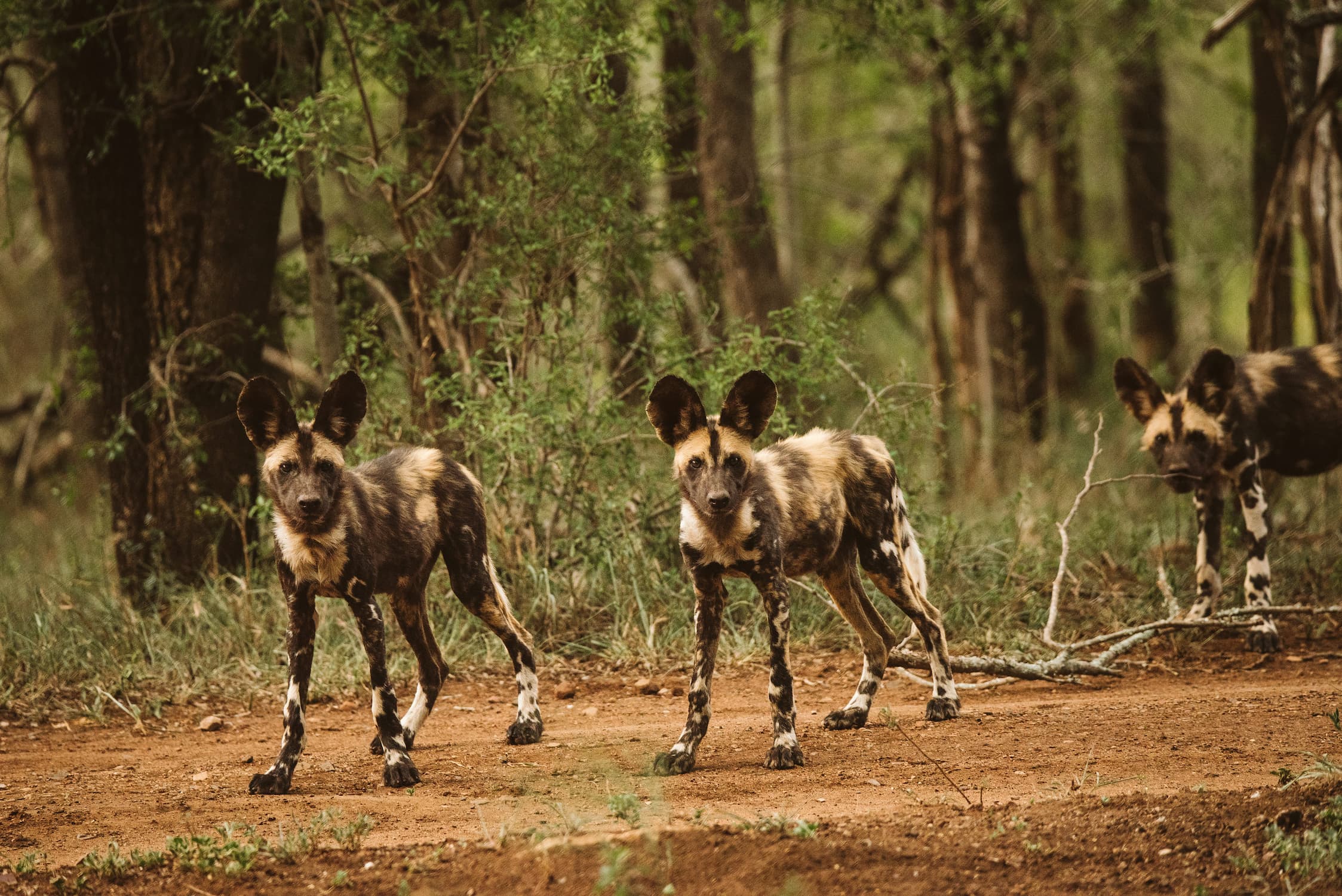
African wild dogs live in tightly knit packs. The pack is their main social unit. It helps them hunt, raise pups, and protect each other. Understanding the pack structure reveals how these animals survive in the wild.
Each pack has a clear system. Every member has a role. The pack works as a team, and cooperation is key. This structure keeps the group strong and organized.
Roles Within The Pack
Each dog in the pack has a special job. Some hunt, while others care for the young. The adults teach the pups how to survive.
Hunters work together to catch prey. They use speed and teamwork to succeed. Caregivers watch over the pups and keep them safe. Every role is important for the pack’s survival.
Hierarchy And Leadership
The pack has a clear hierarchy. At the top are the alpha male and female. They lead the pack and make decisions.
Other members follow the alphas’ lead. They respect the leaders and help keep order. This hierarchy stops fights and keeps the pack united.
Credit: www.wildlifeact.com
Communication Methods
African wild dogs use many ways to communicate. Their communication helps keep the pack strong. It guides hunting, care for pups, and social bonds. They share messages through sounds, body moves, and smells. Each method plays a key role in their life.
Vocalizations
Wild dogs use sounds to talk to each other. They make high-pitched twittering to call the pack. A long, low howl tells others where they are. Growls warn against danger or threats. Soft whines show submission or ask for care. These sounds keep the pack connected during hunts and rest.
Body Language
Wild dogs use their bodies to send messages. Tail position shows mood and rank in the pack. Raised tails mean confidence or alertness. Lowered tails show submission or fear. Ears and eyes also share feelings. Play bows invite others to play. Body postures help avoid fights and build trust.
Scent Marking
Scent marking is a way to claim territory and share info. Wild dogs use urine and feces to mark places. These scents tell others about pack size and strength. Scent marks also guide pack members to hunting areas. This method helps keep rivals away and keeps the pack safe.
Hunting Strategies
African wild dogs use smart hunting strategies to catch their prey. They work as a team and plan carefully. Their methods help them catch animals much bigger than themselves. These strategies show how well they adapt to their environment.
Hunting is not just about speed. It is about cooperation, skill, and choosing the right target. Each wild dog plays a part in the hunt. Together, they increase their chances of success.
Cooperative Hunting
Wild dogs hunt in packs of up to 20 animals. Each dog has a role during the chase. Some dogs drive the prey toward others waiting ahead. This teamwork makes it hard for prey to escape. They communicate using body signals and sounds. Cooperation allows them to take down larger prey than any dog could alone.
Chasing Techniques
Wild dogs rely on stamina and speed. They run long distances to tire out their prey. They use zigzag movements to confuse the target. Dogs take turns leading the chase to conserve energy. This technique wears down the prey until it slows. Patience and persistence are key to their success.
Prey Selection
Wild dogs choose prey carefully. They prefer animals that are weak, young, or old. The pack watches for signs of injury or sickness. Choosing the right prey saves energy and reduces risk. Common targets include impalas, wildebeests, and smaller antelopes. Smart choices help the pack survive in tough conditions.
Credit: www.fauna-flora.org
Reproductive Behavior
African wild dogs have unique reproductive behaviors. Their social structure influences how they mate and raise pups. These behaviors help the pack survive and grow strong. Understanding their reproductive habits reveals how teamwork plays a vital role in their survival.
Mating System
African wild dogs live in packs with one dominant breeding pair. Usually, only the alpha male and female reproduce. Other members do not mate but support the pack. This system reduces conflicts and keeps the pack united. The alpha female can give birth to many pups at once.
Pup Rearing
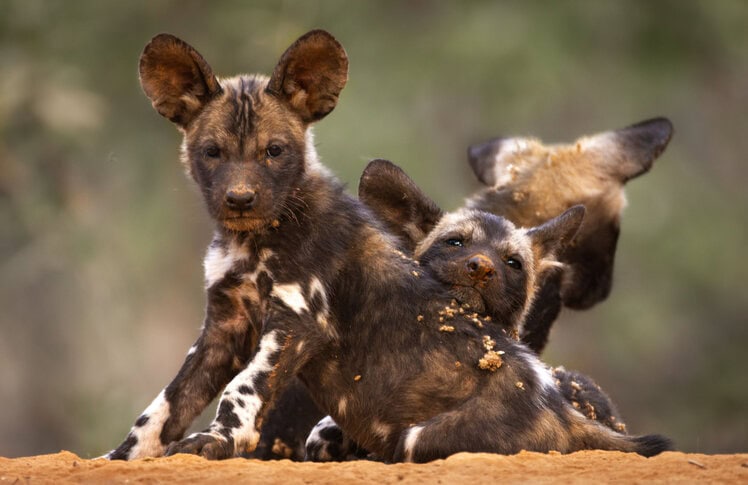
The pack cares deeply for the pups. Pups stay in a den for safety during their first weeks. Adults bring food to the den to feed the young. The pups grow quickly with constant care and protection. This group effort increases pup survival rates in the wild.
Alloparental Care
All members help raise the pups, not just the parents. Helpers include siblings and other adults in the pack. They watch over the pups and share food with them. This care lightens the parents’ load and strengthens pack bonds. It shows the strong teamwork in African wild dog packs.
Territorial Habits
African wild dogs live in groups and need space to hunt and survive. Their territorial habits help keep other packs away. Territories are large and marked often to show ownership. These habits protect food sources and young pups from danger.
Territory Marking
African wild dogs mark their land with strong scents. They use urine and feces to leave signals. These marks tell other packs this area is taken. They also use visual signs like broken branches or scratches. Marking helps avoid fights by warning rivals early.
Defense Mechanisms
Wild dogs defend their territory with teamwork and loud calls. They chase away intruders using fast running and biting. Group members work together to protect their home. Calls warn pack members of danger or nearby enemies. Defense keeps the pack safe and hunting grounds secure.
Social Bonds
African wild dogs live in close-knit groups called packs. Their survival depends on strong social bonds. These bonds help them hunt, raise pups, and protect each other. Understanding their social behavior shows how they stay connected and work as one.
Grooming And Affection
Grooming plays a key role in African wild dog packs. They lick and nibble each other’s fur to clean and remove dirt. This act builds trust and shows care. It also reduces stress and strengthens group unity. Affectionate behaviors like nuzzling or resting close show love and support. These actions keep the pack close and peaceful.
Conflict Resolution
Conflicts arise in every wild dog pack. They use peaceful ways to solve problems. Submissive gestures like lowering the body or avoiding eye contact prevent fights. Older pack members often calm tensions with gentle body language. These methods keep the group united and focused on survival. Resolving conflicts quickly protects the pack’s strength.
Adaptations To Environment
African wild dogs have unique ways to live well in harsh environments. Their bodies and behaviors help them find food, stay safe, and raise pups. These adaptations make survival possible in wide-open savannas and dry forests.
Each trait supports their active lifestyle and teamwork. Understanding these helps us appreciate their role in nature.
Movement Patterns
African wild dogs travel long distances daily. They cover up to 50 miles while hunting or searching for water. Their slim bodies and long legs help them run fast and far. They move in groups, which improves their chances to catch prey. They use scent and sound to stay together during hunts. These movement patterns save energy and increase success.
Survival Tactics
These dogs hunt in packs to catch animals bigger than themselves. They use teamwork to surround and tire prey. Their sharp eyesight helps spot animals from far away. They communicate with howls and body signals to coordinate. They avoid fights with other predators by staying alert and moving quickly. They also rest in shaded areas to escape heat. These tactics boost their chances to live and reproduce.
Frequently Asked Questions
What Are Common Social Behaviors Of African Wild Dogs?
African wild dogs live in packs with strong social bonds. They hunt cooperatively and share food. Pack members care for injured or sick individuals, ensuring group survival.
How Do African Wild Dogs Communicate Within Their Packs?
They use vocalizations like chirps and squeaks, body language, and scent marking. These methods help coordinate hunts and maintain social hierarchy inside the pack.
What Hunting Techniques Do African Wild Dogs Use?
They rely on teamwork and endurance. Packs chase prey over long distances, using strategic roles to isolate and capture animals efficiently.
How Do African Wild Dogs Care For Their Young?
Pups are cared for by the entire pack. Adults bring food to the den and protect the young from predators until they mature.
Conclusion
African wild dogs show unique and complex social behavior. They live and hunt in close packs. Their teamwork helps them survive in the wild. Each dog plays a special role in the group. They communicate through sounds and body movements.
This cooperation makes them strong and efficient hunters. Protecting their habitats is important for their survival. Understanding their behavior helps us appreciate these amazing animals. Watching them teaches us about nature’s balance and teamwork. African wild dogs remain a symbol of unity and strength in the wild.


