

Are you wondering if it’s okay to feed your adult dog puppy food? You’re not alone.
Many dog owners ask this question because they want the best for their furry friend. Giving your adult dog the right food is important for their health, energy, and happiness. But is puppy food the right choice once your dog grows up?
Keep reading to find out what experts say and how to make the best decision for your dog’s diet. Your dog’s well-being depends on it!
Nutritional Needs Of Adult Dogs
Adult dogs have different nutritional needs than puppies. Their bodies work differently and require a balanced diet for good health. Feeding adult dogs the right food helps keep their energy, weight, and overall health in check. Understanding these needs is important to choose the best food for your adult dog.
Calorie Requirements
Adult dogs need fewer calories than puppies. Puppies grow fast and burn more energy. Adult dogs need just enough calories to maintain their weight. Overfeeding can cause weight gain and health problems. The calorie amount depends on the dog’s size, activity, and age.
Protein And Fat Levels
Adult dogs require less protein and fat than puppies. High protein and fat levels suit growing puppies. Adults need moderate amounts to keep muscles strong and energy steady. Too much fat can lead to obesity. Balanced protein and fat support healthy skin and coat.
Essential Vitamins And Minerals
Vitamins and minerals are vital for adult dogs. They help the immune system, bones, and organs work well. Adults need specific amounts of calcium, phosphorus, and vitamins A, D, and E. Puppy food may have extra nutrients not needed by adults. Proper balance prevents health issues over time.
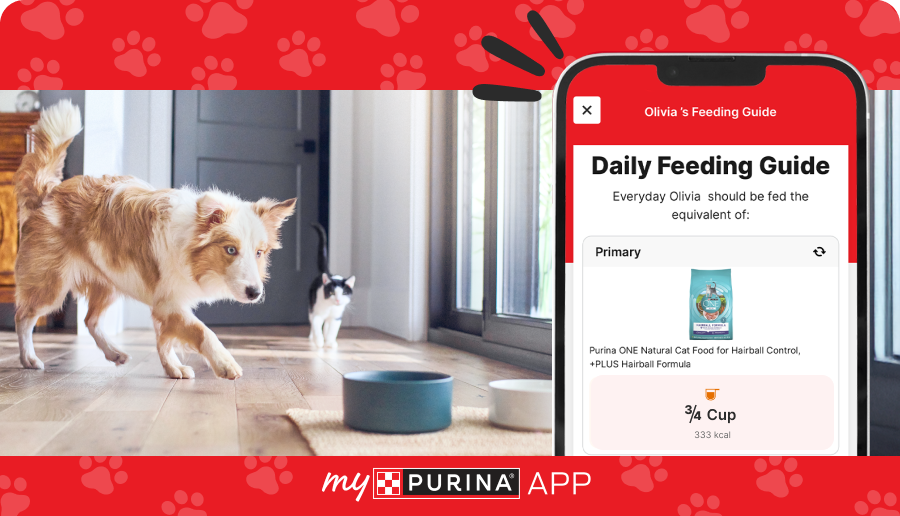
Credit: www.purina.com
What Puppy Food Contains
Puppy food is specially made to support a young dog’s growth and energy needs. It contains unique ingredients that help puppies develop strong bones, muscles, and healthy organs. Understanding what puppy food contains helps you decide if it suits your adult dog.
Higher Calorie Content
Puppy food has more calories than adult dog food. Puppies need extra energy for play and growth. The higher calorie content keeps them active and healthy. Adult dogs usually need fewer calories to avoid weight gain.
Increased Protein And Fat
Puppy food contains more protein and fat than adult food. Protein helps build muscles and repair tissues. Fat provides energy and supports brain development. Adult dogs require less protein and fat for maintenance.
Growth Supplements
Puppy food includes special vitamins and minerals. These supplements support bone growth and immune health. Ingredients like calcium, DHA, and antioxidants are common. Adult dogs do not need as many growth supplements.
Potential Risks For Adult Dogs
Feeding adult dogs with puppy food might seem harmless. Yet, it carries several risks that affect their health. Adult dogs have different nutritional needs than puppies. Puppy food is richer in calories and nutrients, designed for growing dogs. This difference can create problems for adult dogs over time.
Weight Gain And Obesity
Puppy food contains more calories to support growth. Adult dogs do not need that many calories daily. Eating puppy food regularly can lead to weight gain. Extra weight puts stress on joints and organs. Obesity can cause diabetes, heart disease, and joint pain. Maintaining a healthy weight is crucial for adult dogs.
Digestive Issues
Adult dogs’ digestive systems differ from puppies’. Puppy food may be too rich or fatty for adults. This mismatch can cause stomach upset, diarrhea, or vomiting. Sensitive dogs may suffer from gas or bloating. A balanced diet suited for adult digestion is safer. Consistent digestive issues can harm overall health.
Long-term Health Effects
Continuous feeding of puppy food can harm adult dogs long term. Imbalanced nutrients may affect kidney and liver function. Excess protein and fat can strain these organs. Poor nutrition can weaken the immune system. Over time, this increases the risk of diseases. Feeding the right food supports a longer, healthier life.

Credit: www.houndsy.com
When Puppy Food Might Be Appropriate
Puppy food is made with extra nutrients to support growth. In some cases, adult dogs might need this extra nutrition too. There are certain situations where feeding puppy food to an adult dog can help their health and recovery.
Understanding these situations helps dog owners make better feeding choices. Here are key moments when puppy food might be appropriate for adult dogs.
Underweight Adult Dogs
Adult dogs that are underweight need more calories and nutrients. Puppy food has higher calories to help with weight gain. Feeding puppy food can help these dogs build muscle and regain strength. It provides a good balance of protein and fats for healthy weight gain.
Recovering From Illness
Dogs recovering from illness or surgery may need more energy. Puppy food can offer extra vitamins and minerals to support healing. It is easier to digest and more nutrient-dense than regular adult food. This makes it suitable for dogs with low appetite or weak digestion.
Special Veterinary Recommendations
Veterinarians sometimes suggest puppy food for adult dogs with special needs. This may include dogs with high energy demands or specific health conditions. Always follow the vet’s advice before changing your dog’s diet. The vet will guide you on the right food and portion sizes.
Alternatives To Puppy Food For Adults
Adult dogs need food made for their age and activity level. Puppy food can be too rich and may cause weight gain or digestive issues. There are better options to keep your adult dog healthy and happy. These alternatives provide the right nutrients without the extra calories found in puppy food.
Adult Dog Food Options
Choose dog food labeled for adult dogs. These foods have balanced nutrients for energy and health. Look for high-quality ingredients like real meat and whole grains. Avoid foods with too many fillers or artificial additives. Dry kibble, wet food, or raw diets can all work well. Pick what suits your dog’s taste and digestion.
Customized Diet Plans
Some dogs need special diets based on health or breed. Consult a vet to create a plan that fits your dog’s needs. These plans may include specific protein levels or added vitamins. Tailored meals help manage allergies, weight, or other conditions. Custom diets ensure your dog gets the right nutrition every day.
Supplements And Treats
Supplements can support adult dog health. Omega-3 fatty acids help with skin and coat. Glucosamine supports joint health in older dogs. Use treats low in calories to avoid weight gain. Always check with a vet before adding supplements. Good treats can reward your dog without harming their diet.
Credit: www.bowlerspets.com
Expert Tips For Feeding Adult Dogs
Feeding adult dogs the right food is key for their health and happiness. Adult dogs have different needs than puppies. Choosing the correct diet helps keep their weight steady and energy high. Expert tips can guide you to feed your dog properly. These tips help avoid problems and keep your dog feeling great.
Monitoring Weight And Health
Check your dog’s weight often. Weight gain or loss can show health issues. Watch for changes in energy and appetite too. Healthy skin and shiny fur are good signs. Keep an eye on your dog’s bathroom habits. These clues help catch problems early. Adjust food amounts based on your dog’s activity level.
Transitioning Between Foods
Change dog food slowly over 7 to 10 days. Mix small amounts of new food with the old. Increase new food amount each day. This helps prevent stomach upset. Watch for diarrhea or vomiting during the change. Stop if your dog shows signs of illness. A gentle switch keeps your dog comfortable and happy.
Consulting A Veterinarian
Talk to a vet before switching dog food. Vets know what nutrients your dog needs. They can recommend the best food type and brand. Visit the vet regularly for health check-ups. Ask about special diets for allergies or illnesses. Professional advice keeps your dog healthy and strong.
Frequently Asked Questions
Can Adult Dogs Eat Puppy Food Safely?
Adult dogs can eat puppy food occasionally, but it’s not ideal long-term. Puppy food is richer in calories and nutrients, which may cause weight gain and digestive issues in adults. Always consult your vet before making diet changes to ensure your dog’s health.
What Are Risks Of Feeding Puppies To Adult Dogs?
Feeding adult dogs puppy food regularly can lead to obesity, nutrient imbalances, and digestive upset. Puppy food is formulated for growth, not maintenance, making it too rich for adult dogs. Monitor your dog’s weight and health if you occasionally feed puppy food.
How Does Puppy Food Differ From Adult Dog Food?
Puppy food contains higher protein, fat, and calories to support growth and energy needs. Adult dog food has balanced nutrients for maintenance and weight control. Feeding the correct food helps maintain your dog’s health, energy, and weight throughout their life stage.
When Is It Okay To Give Adult Dogs Puppy Food?
It’s okay during short-term needs like recovery or when a dog requires extra calories. Puppy food can help if an adult dog is underweight or has high energy demands. Always check with your vet to ensure it suits your dog’s specific health needs.
Conclusion
Feeding adult dogs puppy food is not ideal long-term. Puppy food has extra nutrients meant for growing dogs. Adult dogs need a balanced diet for their age and size. Occasional puppy food won’t harm, but it should not replace regular meals.
Always check with your vet before making changes to your dog’s diet. Keeping your dog healthy starts with the right food. Choose food made for adult dogs to support their needs. Healthy eating helps your dog live a happy, active life.


