

Are you wondering when your furry friend should start eating adult dog food? Choosing the right time to switch can make a big difference in your dog’s health and happiness.
Feeding your dog the right food at the right age helps them grow strong and stay energetic. But how do you know when that moment is? Keep reading, and you’ll discover the simple signs to watch for and expert tips to make this transition smooth and stress-free for both you and your dog.
Credit: www.petmd.com
When To Switch To Adult Food
Knowing when to switch your puppy to adult dog food is important for their health. Puppies have different nutritional needs than adult dogs. Feeding adult food too early or too late can cause problems. Watch your puppy closely to pick the right time to change their diet. Here are some key points to help you decide.
Breed Size And Growth Rate
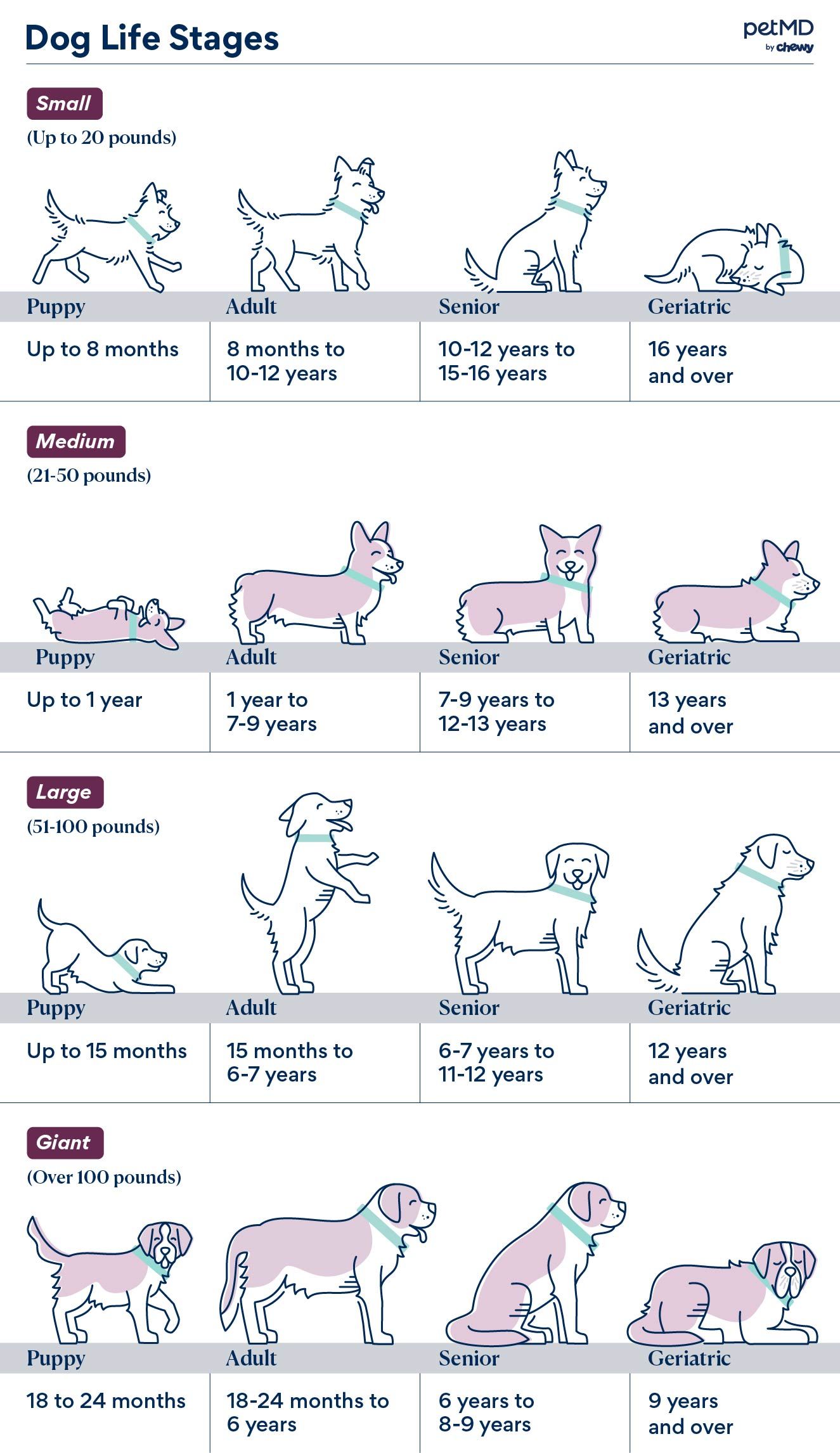
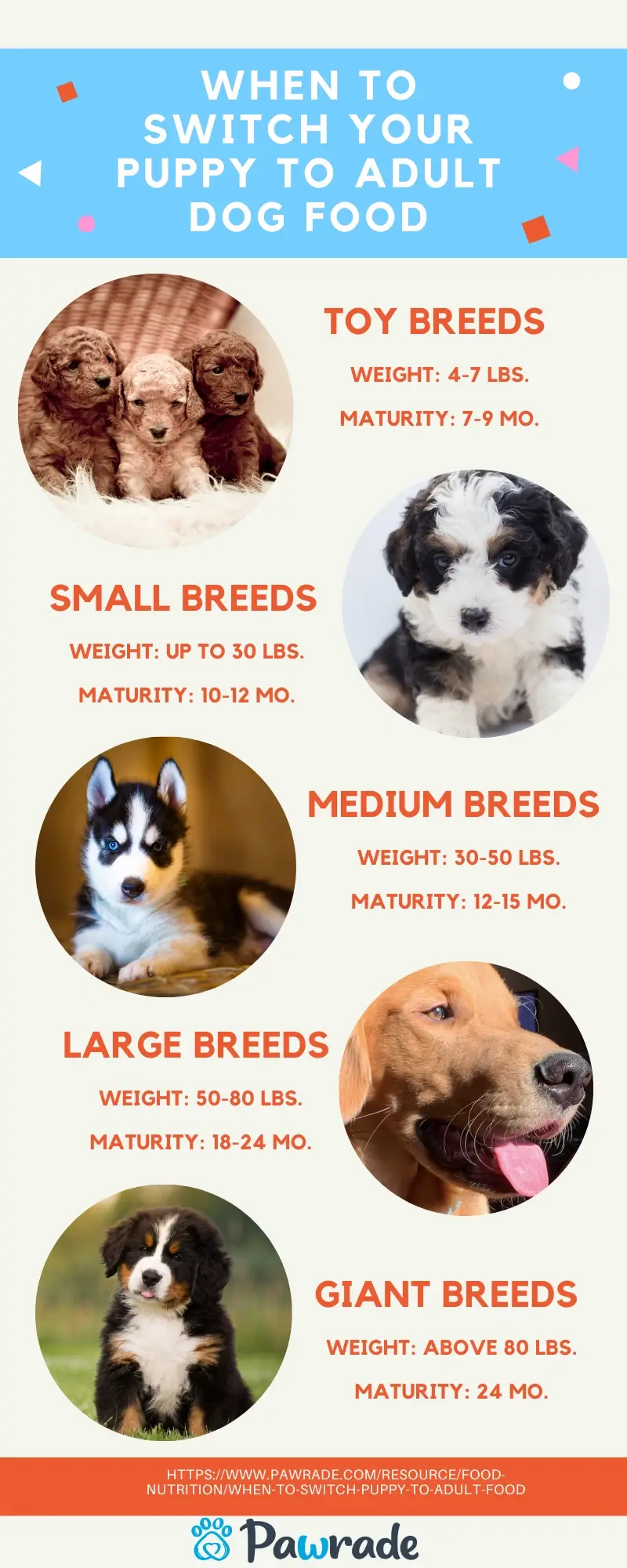
Large breed dogs grow slower than small breeds. They need puppy food longer to support their bones and joints. Small breeds often mature faster. They may be ready for adult food at a younger age. Check your dog’s breed size to guide your timing.
Signs Your Puppy Is Ready
Your puppy shows signs when ready for adult food. Their growth slows down. They have a fuller adult coat. Energy levels become steady, not hyperactive. Ask your vet to confirm your puppy’s readiness. These signs help avoid switching too soon or too late.
Common Age Guidelines
Most puppies switch to adult food between 9 and 12 months. Small breeds can switch as early as 9 months. Large breeds may need puppy food up to 18 months. Follow your vet’s advice and your dog’s growth pattern. Age guides help but watch your puppy’s needs too.
Choosing The Right Adult Food
Choosing the right adult food for your dog is important for their health and happiness. Adult dogs have different needs than puppies. Their diet must support their energy, weight, and overall well-being. Picking the best food helps your dog stay active and strong.
Nutritional Needs By Age
Dogs need different nutrients as they grow older. Young adult dogs require more protein to build muscle. Older dogs may need fewer calories to avoid weight gain. Vitamins and minerals also change with age. Balanced nutrition helps your dog live a long, healthy life.
Special Diets And Considerations
Some dogs need special diets due to allergies or health issues. Dogs with sensitive stomachs may need gentle formulas. Large breeds might require food with joint support. Consult your vet for specific needs. Special diets keep your dog comfortable and healthy.
Reading Dog Food Labels
Dog food labels offer important information about ingredients and nutrition. Look for real meat as the first ingredient. Check for added sugars and artificial fillers. Nutrient percentages show if the food meets your dog’s needs. Understanding labels helps you choose the best food.
Transitioning Tips For A Smooth Change
Changing your dog’s food from puppy to adult is important for their health. A smooth transition helps avoid stomach upset and keeps your dog happy. The process takes time and care. Follow these tips to make the change easier for your pet.
Gradual Food Mixing
Start by mixing a small amount of adult food with the puppy food. Increase the adult food portion slowly over 7 to 10 days. This helps your dog’s digestive system adjust. Sudden changes can cause diarrhea or vomiting. Keep the mix balanced until the dog eats only adult food.
Monitoring Your Dog’s Reaction
Watch your dog closely during the switch. Check for signs like vomiting, diarrhea, or loss of appetite. Also, note changes in energy or mood. These may mean the food is not agreeing with your dog. Contact your vet if problems continue for more than two days.
Adjusting Portions And Feeding Schedule
Adult dogs need different amounts of food than puppies. Adjust portion sizes based on your dog’s weight and activity level. Feed your dog at regular times each day. Avoid free feeding to control intake. This helps maintain a healthy weight and digestion.

Credit: www.scala-santa.com
Potential Risks Of Early Or Late Switching
Switching a dog from puppy food to adult food is an important step. Doing this at the right time supports their health and growth. Changing too soon or too late can cause problems. Knowing the risks helps you make the best choice for your dog’s diet.
Health Issues From Premature Transition
Switching to adult food too early can harm your puppy. Puppy food has more calories and nutrients for growth. Adult food lacks these extra needs. Early change may cause poor growth and weak bones. Puppies might feel hungry or tired more often. Their immune system may not work well. This makes them more likely to get sick.
Problems From Delayed Switching
Keeping a dog on puppy food for too long also has risks. Adult dogs need fewer calories to avoid gaining weight. Too many calories can lead to obesity. Extra weight stresses joints and organs. It can cause diabetes and heart issues. Puppy food has more protein and fat, which adults do not need. This imbalance can cause digestive troubles and skin problems.
Expert Advice And Recommendations
Choosing the right time for your dog to switch to adult food is important. Experts give clear advice to help pet owners make the best choice. This advice ensures dogs get the right nutrition for their growth and health.
Understanding expert recommendations helps avoid feeding mistakes. It supports your dog’s well-being and energy needs as they grow older.
Veterinarian Insights
Veterinarians suggest switching to adult food around one year old for most dogs. Smaller breeds may change sooner, around nine months. Larger breeds often wait until 12 to 18 months. This timing helps meet their unique growth rates and energy needs.
Experts stress quality. Adult dog food must have balanced nutrients. Proper protein and fat levels support healthy muscles and skin. Vets also warn against premature switching. It can cause nutrient gaps or weight issues.
Tailoring Diet To Individual Dogs
Every dog is different. Age is just one factor to consider. Activity level, breed size, and health affect diet needs. Active dogs may need more calories than less active ones. Larger dogs need food that supports joint health. Consider your dog’s lifestyle and health for the best diet plan.
Observe your dog’s growth and energy. Adjust food type or amount as needed. Customizing diet helps keep your dog healthy and happy.
When To Seek Professional Help
Consult a vet if you notice growth problems or weight changes. Sudden changes in appetite or energy levels need attention. Professional advice helps adjust diet for special health needs. Avoid guessing about your dog’s nutrition during transitions.
Experts can recommend the best food type and feeding schedule. They provide support for any feeding challenges. Early professional help prevents health problems later.
Credit: bulit.com
Frequently Asked Questions
When Should A Puppy Switch To Adult Dog Food?
Most dogs transition to adult food between 12 and 18 months. Small breeds may switch earlier, while large breeds might take longer. Consult your vet to determine the best timing based on your dog’s size and growth rate.
Why Is Timing Important For Switching Dog Food?
Switching at the right age supports proper growth and health. Feeding adult food too early can lack essential nutrients for puppies. Delaying the switch may cause overnutrition and obesity in adult dogs.
How Do I Know If My Dog Is Ready For Adult Food?
Look for signs like slowed growth and stable weight. Your vet can assess your dog’s maturity and recommend the right time. Usually, when your dog finishes growing, they are ready for adult food.
Can Feeding Adult Food Too Early Harm Puppies?
Yes, adult food lacks nutrients puppies need for development. Feeding it early can stunt growth and weaken immunity. Always provide age-appropriate food to ensure healthy development.
Conclusion
Choosing the right time for adult dog food matters a lot. Most dogs switch around one year old, but size and breed change that. Large breeds may need more time, while small dogs switch sooner. Watch your dog’s growth and energy for clues.
Talk to your vet to find the best plan. Feeding adult food too early or late can cause problems. Healthy food helps your dog stay strong and happy. Keep an eye on their needs as they grow. Good nutrition supports a long, joyful life.


