

Are you wondering if Bragg’s Nutritional Yeast is safe for your dog? You’re not alone.
Many pet owners want to add healthy extras to their dog’s diet but worry about what’s truly safe. Nutritional yeast is popular for its rich vitamins and savory flavor, but can your furry friend enjoy it too? Keep reading to discover what Bragg’s Nutritional Yeast really means for your dog’s health and whether it’s a smart choice for their meals.
Your pup’s well-being depends on the right information—and we’ve got you covered.
What Is Braggs Nutritional Yeast?
Braggs Nutritional Yeast is a popular supplement used by many pet owners. It is known for its rich nutrient profile and unique flavor. This product comes from a type of yeast grown on molasses and then dried to preserve its nutrients.
People use nutritional yeast as a source of vitamins and minerals. It contains a good amount of protein, B vitamins, and minerals like zinc and selenium. These nutrients support overall health for both humans and pets.
What Is Nutritional Yeast?
Nutritional yeast is a deactivated yeast. It cannot cause fermentation or make bread rise. Instead, it serves as a food supplement. It has a cheesy, nutty flavor that many enjoy.
How Is Braggs Nutritional Yeast Made?
Braggs grows yeast on a sugar-rich medium. Then, the yeast is harvested and heated to deactivate it. This drying process keeps all nutrients intact. The final product is a yellow, flaky powder.
Why Use Nutritional Yeast For Dogs?
Dogs benefit from the vitamins and protein in nutritional yeast. It may help improve skin and coat health. Some pet owners add it to meals as a tasty supplement.
Nutritional Yeast And Dogs
Nutritional yeast is a popular supplement for many pet owners. It offers vitamins and minerals that can benefit dogs. Bragg’s Nutritional Yeast is a well-known brand often discussed among pet lovers. Understanding how nutritional yeast affects dogs helps in making safe choices.
Key Nutrients In Nutritional Yeast
Nutritional yeast contains B vitamins, which support energy and metabolism. It has protein that helps muscle growth and repair. It also offers minerals like zinc and selenium, important for the immune system. This yeast is low in fat and does not contain added sugars or preservatives. These nutrients make it a healthy addition in small amounts.
Common Uses In Pet Diets
Many pet owners use nutritional yeast to enhance flavor in dog food. It can act as a natural seasoning dogs often enjoy. Some add it to support skin and coat health due to its nutrients. Nutritional yeast may also help with digestion and immune support. Always introduce it slowly to watch for any reactions. Use it as a supplement, not a main food source.
Is Braggs Nutritional Yeast Safe For Dogs?
Braggs Nutritional Yeast is popular for its rich nutrients and cheesy flavor. Many dog owners wonder if it is safe for their pets. Knowing the safety helps keep dogs healthy and happy. Let’s explore what makes Braggs Nutritional Yeast good or risky for dogs.
Potential Health Benefits
Braggs Nutritional Yeast contains vitamins like B-complex. These vitamins support a dog’s skin and coat health. It also has protein and fiber, aiding digestion and energy. Some dogs enjoy its taste as a food topper. It may boost the immune system with antioxidants. Small amounts could add nutritional value to dog meals.
Possible Risks And Side Effects
Too much nutritional yeast can cause digestive upset. Dogs may develop gas or diarrhea from excess intake. Some dogs can be allergic or sensitive to yeast products. It might interact with certain medications or health conditions. Avoid giving dogs large doses or yeast with added ingredients. Always introduce new foods slowly and watch for reactions.
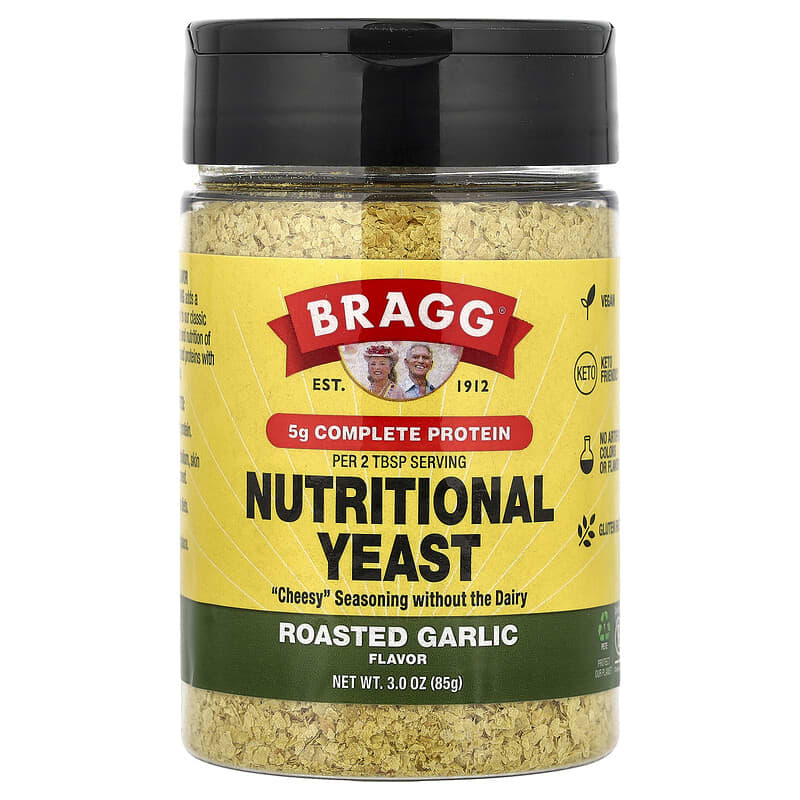
Credit: uk.iherb.com
How To Introduce Nutritional Yeast To Your Dog
Introducing nutritional yeast to your dog requires care and patience. Start with small amounts and watch your dog’s reaction closely. This helps ensure your pet enjoys the new food without any problems. Nutritional yeast can boost your dog’s diet with vitamins and minerals, but it must be added properly.
Recommended Serving Sizes
Begin with a pinch of nutritional yeast. For small dogs, use about 1/4 teaspoon daily. Medium dogs can have 1/2 teaspoon, and large dogs up to 1 teaspoon. Sprinkle it on your dog’s food. Increase the amount slowly over a week. Never give too much at once.
Monitoring For Allergic Reactions
Watch your dog for any signs of allergies. Look for itching, swelling, or vomiting. Digestive upset like diarrhea or gas can also occur. Stop feeding nutritional yeast if you see any symptoms. Contact your vet if the reaction seems serious. Keep your dog’s health a priority at all times.
Alternatives To Nutritional Yeast For Dogs
Nutritional yeast is popular for its flavor and nutrients. Some dog owners want safe alternatives. These options can provide vitamins and taste without risks. Choosing the right alternative helps keep dogs healthy and happy.
Natural Brewer’s Yeast
Brewer’s yeast is similar to nutritional yeast. It offers B vitamins and protein for dogs. Many dogs enjoy its slightly bitter taste. Use it in small amounts to avoid stomach upset.
Ground Flaxseeds
Flaxseeds are rich in omega-3 fatty acids. These fats support skin and coat health. Ground flaxseeds are easier to digest for dogs. Sprinkle a small amount over meals for benefits.
Pumpkin Powder
Pumpkin powder adds fiber and vitamins to dog food. It helps digestion and keeps bowel movements regular. Dogs often like its mild, sweet flavor. Use a teaspoon or less per meal.
Parmesan Cheese
Parmesan cheese offers a tasty, safe flavor boost. It contains calcium and protein for dogs. Use in moderation due to fat and salt content. A little sprinkle on food works well.

Credit: www.nextritionpet.com
Veterinarian Advice On Feeding Nutritional Yeast
Many dog owners wonder if nutritional yeast like Bragg’s is safe for their pets. Veterinarians provide useful insights on this topic. Their advice helps ensure dogs stay healthy while enjoying new foods.
Experts agree that nutritional yeast can offer some benefits. It contains vitamins and minerals that support a dog’s immune system and skin health. Still, veterinarians urge caution and recommend proper serving sizes.
Veterinarians confirm that nutritional yeast is generally safe for dogs. It is non-toxic and often used as a supplement. Dogs may enjoy its cheesy flavor, which makes it a good treat option.
Some dogs might be allergic or sensitive. Watch for signs like itching or upset stomach. Stop feeding it if any problems appear and consult a vet.
Recommended Serving Size And Frequency
Experts suggest small amounts of nutritional yeast for dogs. A pinch sprinkled on food a few times a week is enough. Overfeeding can cause digestive issues or imbalances in nutrients.
Start with tiny doses to see how your dog reacts. Adjust the quantity based on size and tolerance. Always follow your veterinarian’s specific guidance.
Potential Health Benefits
Vets note that nutritional yeast supports coat shine and digestion. It contains B vitamins, which help energy and nerve function. Some dogs with food sensitivities may benefit from it as well.
It is not a cure but a helpful addition to a balanced diet. Regular check-ups ensure your dog’s health stays on track.

Credit: www.nextritionpet.com
Frequently Asked Questions
Can Dogs Safely Eat Bragg’s Nutritional Yeast?
Yes, dogs can safely eat Bragg’s nutritional yeast in small amounts. It is non-toxic and offers beneficial nutrients like B vitamins and protein.
What Are The Benefits Of Nutritional Yeast For Dogs?
Nutritional yeast supports dogs’ immune system and promotes healthy skin. It also provides essential vitamins and amino acids for overall health.
How Much Bragg’s Nutritional Yeast Can Dogs Consume?
Limit Bragg’s nutritional yeast to 1 teaspoon per 10 pounds of body weight daily. Excessive amounts may cause digestive upset in dogs.
Are There Any Side Effects Of Nutritional Yeast In Dogs?
Some dogs may develop allergies or digestive issues from nutritional yeast. Always introduce it gradually and monitor your dog for reactions.
Conclusion
Braggs nutritional yeast can be safe for dogs in small amounts. It offers vitamins and protein that may benefit your pet. Always introduce new foods slowly and watch for reactions. Avoid giving too much to prevent stomach upset. Consult your vet before adding any supplement to your dog’s diet.
Your dog’s health comes first, so choose wisely. Simple care makes a big difference. Keep your furry friend happy and healthy every day.


