

If you truly care about your dog’s health and happiness, understanding their nutritional needs is a must. What you feed your furry friend affects their energy, mood, and overall well-being every single day.
But with so much conflicting information out there, how do you know what’s really best for your dog? You’ll discover the key nutrients your dog needs to thrive, how to spot signs of poor nutrition, and simple tips to keep your pet healthy and full of life.
Keep reading—your dog’s health depends on it!
Key Nutrients For Dogs
Dogs need a balanced diet to stay healthy and active. Their food must contain key nutrients. These nutrients support growth, energy, and body functions. Understanding these nutrients helps you choose the best food for your dog.
Proteins And Amino Acids
Proteins build and repair body tissues. Dogs use proteins for muscles, skin, and fur. Amino acids are the building blocks of proteins. Some amino acids are essential and must come from food. High-quality protein sources include meat, fish, and eggs.
Fats And Fatty Acids
Fats provide energy and help absorb vitamins. They keep the skin healthy and the coat shiny. Essential fatty acids like omega-3 and omega-6 support brain and heart health. Good fat sources include fish oil and flaxseed.
Carbohydrates And Fiber
Carbohydrates give dogs quick energy. Fiber helps with digestion and keeps the gut healthy. Whole grains, vegetables, and fruits are good carbohydrate and fiber sources. Fiber also helps prevent constipation and supports weight control.
Vitamins And Minerals
Vitamins and minerals support many body functions. They help with immune health, bone strength, and blood clotting. Dogs need vitamins like A, D, E, and B-complex. Minerals such as calcium, phosphorus, and zinc are also important. Balanced dog food usually contains these nutrients.
Water’s Role In Health
Water is essential for all living beings. It helps regulate body temperature and removes waste. Water supports digestion and nutrient absorption. Dogs should always have fresh water available. Dehydration can cause serious health problems.
Life Stage Nutrition Needs
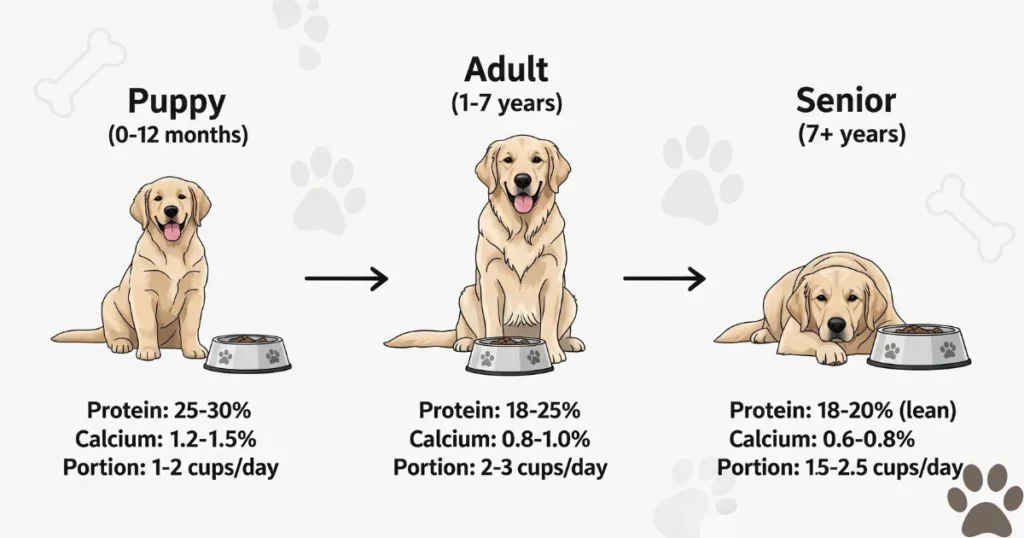
Dogs need different nutrients at each life stage for good health. Their bodies change as they grow, age, or have puppies. Feeding the right food helps them stay strong and active. Understanding these needs supports their long life and happiness.
Puppy Growth Requirements
Puppies need more calories and protein than adults. Their bones and muscles grow fast. Food should be rich in vitamins and minerals. Calcium and phosphorus help build strong teeth and bones. Frequent meals support their energy and development.
Adult Maintenance Diet
Adult dogs require balanced nutrition to keep healthy weight. Protein supports muscles without excess fat. Carbohydrates provide energy for daily activity. Vitamins and minerals keep organs working well. Portion control helps prevent obesity and related problems.
Senior Dog Adjustments
Older dogs digest food less efficiently. Their metabolism slows down. Diet should have fewer calories but enough protein. Fiber aids digestion and helps prevent constipation. Joint supplements may reduce arthritis pain. Hydration remains very important.
Pregnant And Nursing Dogs
Pregnant dogs need extra energy and protein for babies. Nutrients support fetal growth and milk production. Feeding small, frequent meals helps with appetite changes. Nursing dogs require even more calories. High-quality food ensures puppies get enough nutrients.
Special Dietary Considerations
Dogs need special diets based on their unique needs. Not all dogs thrive on the same food. Many factors affect what your dog should eat. This section highlights key dietary considerations.
Breed-specific Needs
Some dog breeds need special nutrients for health. Large breeds may need joint support supplements. Small breeds often require calorie-rich food in small portions. Breeds with thick coats may need extra fatty acids for skin health.
Allergies And Sensitivities
Dogs can develop allergies to certain foods. Common triggers include beef, chicken, and grains. Symptoms are itching, ear infections, and digestive upset. Limited ingredient diets help identify allergies. Switching to hypoallergenic food can reduce reactions.
Weight Management Strategies
Obesity risks health problems in dogs. Feeding measured portions controls calorie intake. Low-fat, high-fiber diets help dogs feel full. Regular exercise supports weight loss and muscle tone. Avoid feeding table scraps and excessive treats.
Managing Health Conditions
Some diseases require special diets. Kidney disease calls for low-protein food. Diabetes needs consistent carbohydrate levels. Dogs with heart problems benefit from low-sodium diets. Consult your vet for diet plans tailored to illness.
Credit: goldenretrieverinsight.com
Choosing The Right Dog Food
Choosing the right dog food is essential for your pet’s health and happiness. Dogs need balanced nutrition to stay active and strong. The food you select affects their energy, coat, and overall well-being. Understanding the options and key factors helps you make the best choice for your dog.
Commercial Vs Homemade Meals
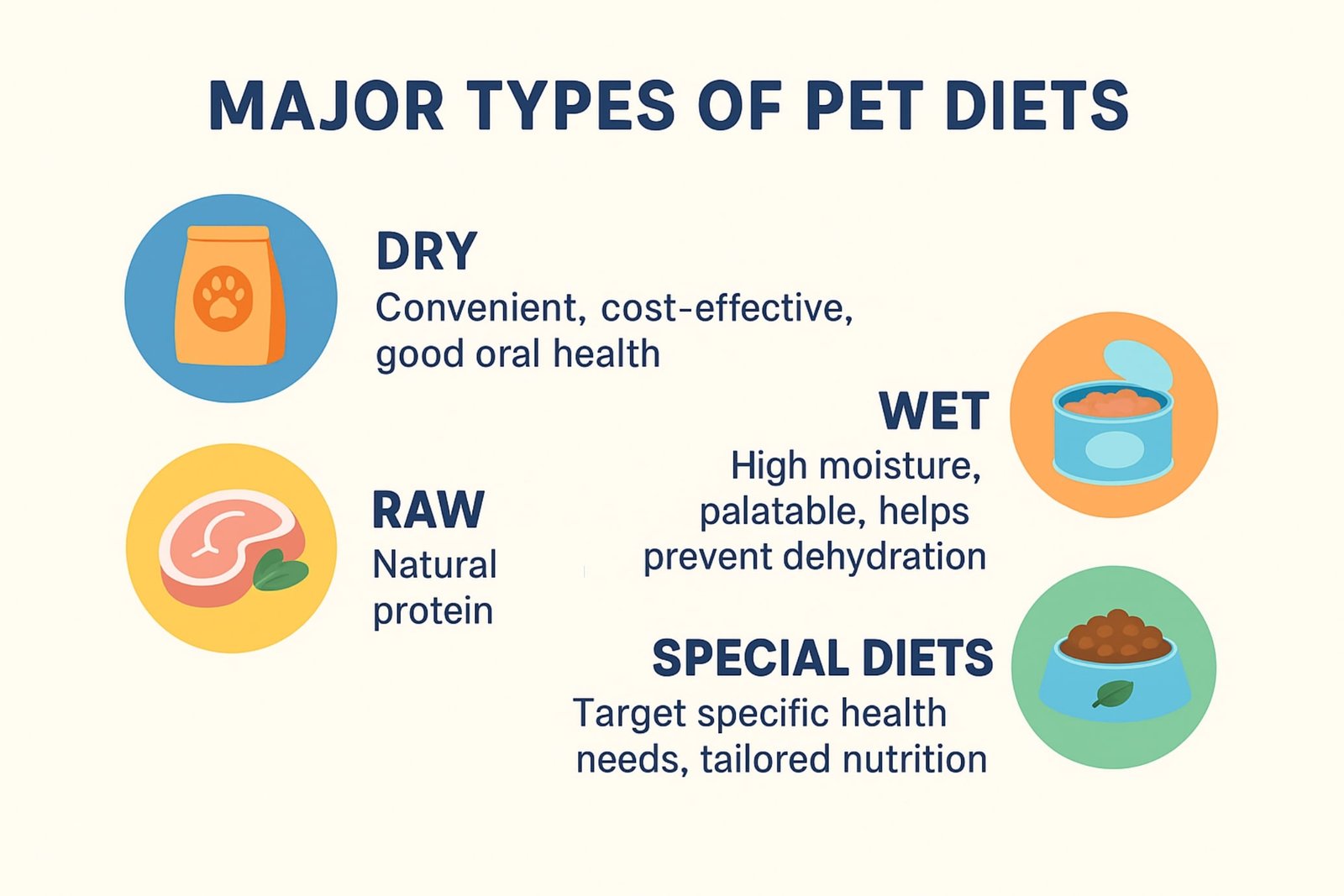
Commercial dog foods offer convenience and balanced nutrition. They come in dry, wet, or semi-moist forms. Quality varies, so pick brands with clear ingredient lists.
Homemade meals give control over ingredients. You can tailor food to your dog’s needs. Cooking at home needs care to ensure nutrients are balanced.
Both options work well if you focus on nutrition and safety.
Reading Dog Food Labels
Labels reveal important information about ingredients and nutrients. Check for protein sources like chicken or beef at the top of the list. Avoid foods with fillers such as corn or wheat.
Look for guaranteed analysis showing protein, fat, and fiber percentages. Ingredients should be easy to understand and natural.
Benefits Of Raw Diets
Raw diets include uncooked meat, bones, and vegetables. Supporters say it mimics a dog’s natural eating habits. Some dogs show improved digestion and shinier coats.
Raw feeding requires careful handling to avoid bacteria. Consult a vet before switching to raw food. Balanced raw diets need planning to meet all nutritional needs.
Supplements And Additives
Supplements can boost your dog’s diet with extra vitamins or minerals. Common additives include omega-3 fatty acids for skin health and glucosamine for joints.
Not all dogs need supplements. Use them only if a vet recommends. Too many additives may harm your dog’s health.
Feeding Tips And Best Practices
Feeding your dog well is key to their health and happiness. Proper feeding helps maintain energy, supports growth, and keeps their coat shiny. Simple habits can make a big difference in your dog’s diet and overall wellness.
Meal Frequency And Portions
Feed adult dogs two meals a day, spaced evenly. Puppies need three to four small meals daily. Measure portions to avoid overfeeding and weight gain. Check the dog food label for portion advice. Adjust portions based on your dog’s size and activity level.
Hydration Guidelines
Fresh water should always be available for your dog. Change water daily to keep it clean. Dogs need more water in hot weather or after exercise. Watch for signs of dehydration like dry gums or lethargy. Encourage drinking by placing bowls in easy spots.
Avoiding Toxic Foods
Certain foods can harm dogs. Keep chocolate, grapes, onions, and garlic away. Also avoid alcohol, caffeine, and artificial sweeteners. These can cause serious health problems. Learn the list of toxic foods to protect your dog. Store human food out of reach.
Monitoring And Adjusting Diet
Observe your dog’s weight and energy levels regularly. Change diet if your dog gains or loses too much weight. Consult a vet for special diets or allergies. Keep track of your dog’s reaction to new foods. Adjust meal plans as your dog ages or changes activity.
Credit: www.slideshare.net
Credit: hyepets.com
Frequently Asked Questions
What Are The Essential Nutrients Dogs Need Daily?
Dogs require proteins, fats, carbohydrates, vitamins, and minerals daily. Proteins support muscles, fats provide energy, and vitamins boost immunity. Balanced nutrients ensure overall health, growth, and vitality in dogs.
How Much Protein Should A Dog Consume?
Dogs need about 18-25% protein in their diet. Puppies and active dogs require higher protein for growth and energy. Quality protein sources include meat, fish, and eggs for optimal health.
Can Dogs Eat Carbohydrates Safely?
Yes, dogs can safely eat carbohydrates. Carbs provide energy and fiber for digestion. Good sources are rice, oats, and vegetables, but carbs should be balanced with proteins and fats.
Why Are Fats Important For Dogs’ Health?
Fats supply energy, support cell function, and maintain healthy skin. Essential fatty acids like omega-3 improve coat shine and reduce inflammation. A balanced amount of fats is crucial in a dog’s diet.
Conclusion
Dogs need balanced food for good health and energy. Protein, fats, vitamins, and minerals all play key roles. Fresh water must always be available. Feeding the right portions keeps dogs fit and happy. Each dog’s needs can change with age and activity.
Pay attention to your dog’s body and behavior. Healthy nutrition helps dogs live longer and feel better. Careful food choices show how much you love your pet. Simple, steady care keeps tails wagging every day.


