

If you want your dog to live a happy, healthy life, understanding what nutrition they really need is key. You might wonder, “What should I be feeding my furry friend to keep them strong and full of energy?” Getting the right balance of nutrients can make all the difference in your dog’s health, behavior, and longevity.
You’ll discover exactly what nutrients your dog requires and why each one matters. Keep reading to learn how to give your dog the best diet possible—because your loyal companion deserves nothing less.
Key Nutrients For Dogs
Dogs need a balanced diet with key nutrients to stay healthy. Each nutrient plays a special role in their growth and energy. Understanding these nutrients helps provide the best care for your dog.
Proteins And Amino Acids
Proteins build strong muscles and repair tissues. Dogs need essential amino acids from proteins in meat, fish, and eggs. These nutrients support their immune system and overall growth.
Fats And Fatty Acids
Fats give dogs energy and keep their skin healthy. Essential fatty acids like omega-3 and omega-6 reduce inflammation and improve coat shine. Fats also help absorb vitamins.
Carbohydrates And Fiber
Carbohydrates provide quick energy for daily activities. Fiber helps digestion and prevents constipation. Whole grains, vegetables, and fruits are good sources of carbs and fiber.
Vitamins And Minerals
Vitamins support vision, bones, and the immune system. Minerals like calcium and phosphorus build strong bones and teeth. A lack of these can cause health problems in dogs.
Water Importance
Water keeps dogs hydrated and regulates body temperature. It helps transport nutrients and remove waste. Fresh, clean water should always be available for your dog.

Credit: www.kwikpets.com
Balanced Diet Components
A balanced diet is key to keeping dogs healthy and active. It includes the right mix of proteins, fats, carbohydrates, vitamins, and minerals. Each nutrient plays a special role in a dog’s growth, energy, and overall well-being.
Providing a balanced diet helps avoid health problems and supports a strong immune system. Dogs need food that meets their age, size, and activity level. Understanding the different food types helps pet owners make smart choices.
Commercial Dog Food Types
Commercial dog foods come in dry, wet, and semi-moist forms. Dry kibble is popular because it is easy to store and helps clean teeth. Wet food contains more moisture, which can help with hydration.
Semi-moist foods are soft and easy to eat but often have more sugar and salt. Look for brands that list meat as the first ingredient. Avoid foods with too many fillers like corn or wheat.
Homemade Diet Essentials
Homemade diets let owners control ingredients and avoid additives. A good homemade meal includes lean meat, grains, and vegetables. It needs a balance of protein, fats, and carbs to be complete.
Consult a vet to ensure the diet covers all nutrient needs. Supplements may be necessary to add vitamins and minerals. Cooking food can improve digestion but avoid harmful foods like onions and chocolate.
Raw Food Benefits And Risks
Raw diets include uncooked meat, bones, and organs. Some say raw food keeps dogs’ coats shiny and teeth strong. It may also reduce allergies and improve digestion.
Risks include bacteria and parasites that can cause illness. Bones can break teeth or cause choking. Proper handling and hygiene are crucial with raw diets. Always seek advice from a vet before starting raw feeding.
Nutritional Needs By Life Stage
Dogs need different nutrition at different life stages. Their bodies change as they grow, mature, and age. Feeding the right food helps them stay healthy and active. Each stage has unique needs to support growth, energy, and overall well-being.
Puppy Growth Requirements
Puppies need more calories than adult dogs. They require protein for muscle and tissue growth. Calcium and phosphorus are vital for strong bones and teeth. Healthy fats support brain development and energy. Feeding frequent, balanced meals helps puppies grow well.
Adult Maintenance Diet
Adult dogs need fewer calories than puppies. Protein helps maintain muscles and body functions. Fiber supports digestion and healthy weight. Dogs need vitamins and minerals for daily health. A balanced diet keeps adult dogs active and fit.
Senior Dog Nutrition
Senior dogs need fewer calories to avoid weight gain. Protein supports aging muscles and organs. Joint supplements can ease arthritis and stiffness. Antioxidants help protect cells from damage. Senior diets often include fiber for digestion and hydration.
Credit: www.gallant.com
Special Dietary Considerations
Special dietary needs vary among dogs. Each dog’s health, age, and lifestyle affect its diet. Meeting these needs ensures a happy, healthy pet. Understanding special diets helps prevent health problems and supports well-being.
Weight Management Tips
Keeping a dog’s weight in check is vital. Overweight dogs face many health risks. Feed measured portions to avoid overfeeding. Choose foods lower in calories but rich in nutrients. Regular exercise helps burn extra calories. Avoid giving too many treats or human food. Monitor your dog’s weight regularly for changes.
Allergy-friendly Foods
Some dogs have food allergies or sensitivities. Common allergens include wheat, soy, and certain proteins. Choose limited-ingredient diets to reduce allergy risk. Hypoallergenic dog food uses novel proteins like duck or venison. Avoid artificial additives and fillers. Consult a vet to identify allergens. An elimination diet can find the cause of allergies.
Diet For Chronic Conditions
Chronic conditions need special nutrition plans. Dogs with kidney issues require low-protein diets. Heart disease diets focus on low sodium levels. Diabetic dogs benefit from high fiber, low sugar foods. Arthritis diets may include supplements like glucosamine. Always follow your vet’s advice for chronic care diets. Proper nutrition can improve quality of life greatly.
Feeding Guidelines And Tips
Feeding your dog the right way helps keep them healthy and happy. Proper feeding guidelines ensure your dog gets enough energy and nutrients without overeating. This section covers important tips on how often to feed, what to feed, and what to avoid.
Meal Frequency And Portions
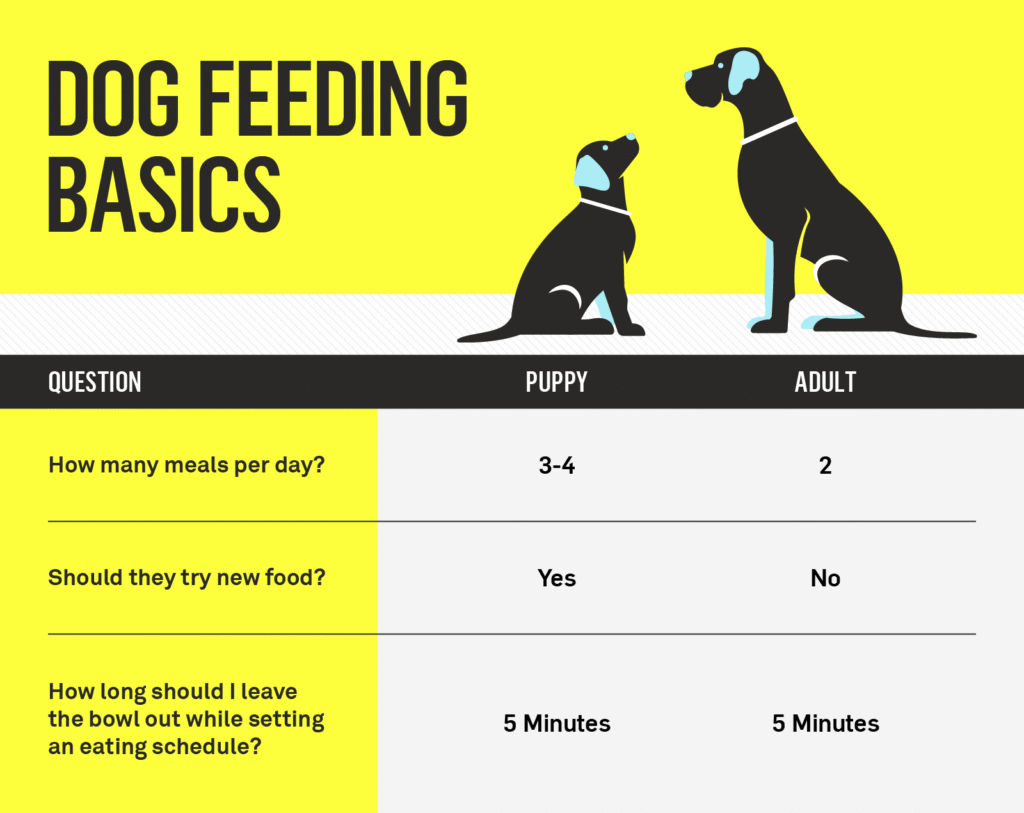
Most adult dogs do well with two meals a day. Puppies need more frequent meals, usually three to four times daily. Feeding at regular times helps with digestion and behavior. Portion size depends on your dog’s weight, age, and activity level. Use feeding charts on dog food packages as a guide. Adjust portions if your dog gains or loses weight.
Choosing Quality Ingredients
Select dog food with real meat as the first ingredient. Avoid foods with too many fillers like corn or soy. Fresh vegetables and grains can add vitamins and fiber. Homemade meals must include balanced nutrients to avoid deficiencies. Check the ingredient list and nutrition label for quality assurance.
Avoiding Toxic Foods
Some human foods are harmful to dogs. Never feed chocolate, grapes, onions, or garlic. These can cause serious illness or death. Avoid artificial sweeteners like xylitol found in sugar-free products. Keep bones, especially cooked ones, away to prevent choking or damage. Always store food safely out of your dog’s reach.
Credit: www.sportmix.com
Frequently Asked Questions
What Are The Essential Nutrients For Dogs?
Dogs need proteins, fats, carbohydrates, vitamins, and minerals. Proteins support muscles. Fats provide energy. Carbs offer fiber. Vitamins and minerals ensure overall health and proper body functions.
How Much Protein Does A Dog Require Daily?
Dogs typically need 18-25% of their diet as protein. Active or growing dogs may need more. High-quality animal proteins like chicken or fish are best for muscle maintenance and repair.
Why Are Fats Important In A Dog’s Diet?
Fats supply concentrated energy and help absorb vitamins A, D, E, and K. They also support healthy skin and coat. Essential fatty acids like omega-3 and omega-6 are vital for inflammation control.
Can Dogs Digest Carbohydrates Effectively?
Yes, dogs can digest carbohydrates, which provide energy and fiber. Whole grains and vegetables aid digestion and promote gut health. However, carbs should be balanced, not excessive, to avoid weight gain.
Conclusion
Good nutrition keeps dogs healthy and happy. Dogs need protein, fats, vitamins, and minerals. Fresh water is important every day. Balanced meals support strong bones and energy. Avoid feeding harmful human foods to dogs. Watch their weight and adjust food amounts.
Regular vet check-ups help track their health. Feeding your dog right shows care and love. Healthy dogs live longer, active lives. Simple steps make a big difference in their well-being.


