

Imagine the freedom of walking your dog without a leash, watching them explore safely while staying close by your side. You want your furry friend to enjoy that freedom, but you also need to feel confident they’ll listen when it matters most.
Training your dog off a leash isn’t just about commands—it’s about building trust and understanding. You’ll discover simple, effective steps to help your dog learn to stay with you, no matter the distractions. Ready to transform your walks and deepen your bond?
Let’s dive in.
Preparing Your Dog
Preparing your dog for off-leash training is an important step. It helps keep your dog safe and confident. This preparation builds trust between you and your dog. Start with small, clear steps. Each step makes the next easier. Focus on the basics first. Create a calm, positive learning space. This section explains how to prepare your dog well.
Assessing Readiness
Check if your dog is ready for off-leash work. Watch how your dog reacts to commands on a leash. Notice if your dog stays close and listens well. Make sure your dog is calm and focused. Avoid starting off-leash training if your dog is too excited. Your dog should understand basic rules. Readiness means your dog can control impulses. This step is key for safety and success.
Basic Commands Mastery
Teach your dog simple commands first. Commands like “sit,” “stay,” “come,” and “heel” are important. Practice these commands daily on a leash. Use treats and praise to encourage good behavior. Your dog must obey commands without hesitation. This skill helps keep your dog safe off-leash. Repeat commands in different places to improve understanding. Consistent practice builds strong habits. Basic commands form the foundation for freedom.
Choosing The Right Environment
Pick a safe, quiet place for off-leash practice. Avoid busy parks or crowded areas at first. Look for fenced yards or open fields. A familiar spot helps your dog feel secure. Start where distractions are low. Gradually add more distractions as your dog improves. A good environment reduces stress and mistakes. Safety is the top priority in every location. This step prepares your dog for real-world situations.

Credit: www.dognpooch.com
Building Reliable Recall
Building reliable recall is key to safe off-leash dog training. Your dog must come back every time you call. This trust keeps your dog safe and gives you peace of mind.
Recall is not just a command. It is a strong habit your dog learns. Consistency and patience are very important in this process.
Using Positive Reinforcement
Reward your dog with treats or praise when it comes to you. This makes the dog happy and eager to repeat the behavior. Use small, tasty treats that your dog loves.
Always reward immediately after your dog responds. This helps your dog connect the recall command with a positive result.
Practicing In Controlled Settings
Start training in quiet places with few distractions. A fenced yard or a small room works well. This lets your dog focus on learning the command.
Keep the training sessions short and fun. End on a good note to keep your dog interested.
Increasing Distance Gradually
Begin with your dog close to you. Slowly increase the distance as your dog improves. This builds your dog’s confidence and skill.
Call your dog from different spots and directions. It helps your dog learn to listen anywhere. Always reward your dog for coming back.
Establishing Boundaries
Establishing boundaries is a key step in training your dog off a leash. Boundaries help your dog understand where they can go and what is expected of them. Clear limits keep your dog safe and build trust between you and your pet. Teaching your dog to respect these boundaries makes off-leash time more enjoyable and less stressful.
Teaching Stay And Wait
Start with simple commands like “stay” and “wait.” These commands teach your dog to pause and hold their position. Use a calm voice and show patience. Begin indoors with few distractions. Reward your dog with treats or praise when they obey. Gradually increase the time your dog stays still. Practice in different places to reinforce learning.
Using Visual And Verbal Cues
Combine hand signals with verbal commands for clearer communication. Dogs respond well to visual cues. Hold your palm out for “stop” or point in a direction to guide. Use short, consistent words like “come,” “stay,” or “heel.” Repeat cues clearly and calmly. Consistency helps your dog learn faster and obey better.
Managing Distractions
Practice in quiet areas first. Slowly add distractions like other dogs or noises. Watch your dog closely for signs of distraction. Use treats or toys to keep their focus. If your dog loses attention, reduce distractions and try again. Training with distractions builds better control and safety off leash.
Credit: beenbuu.com
Safety Measures
Training your dog off a leash requires careful safety planning. Safety measures protect your dog and others. They help build trust and success in off-leash training. Follow simple steps to keep control and avoid accidents.
Using A Long Line Initially
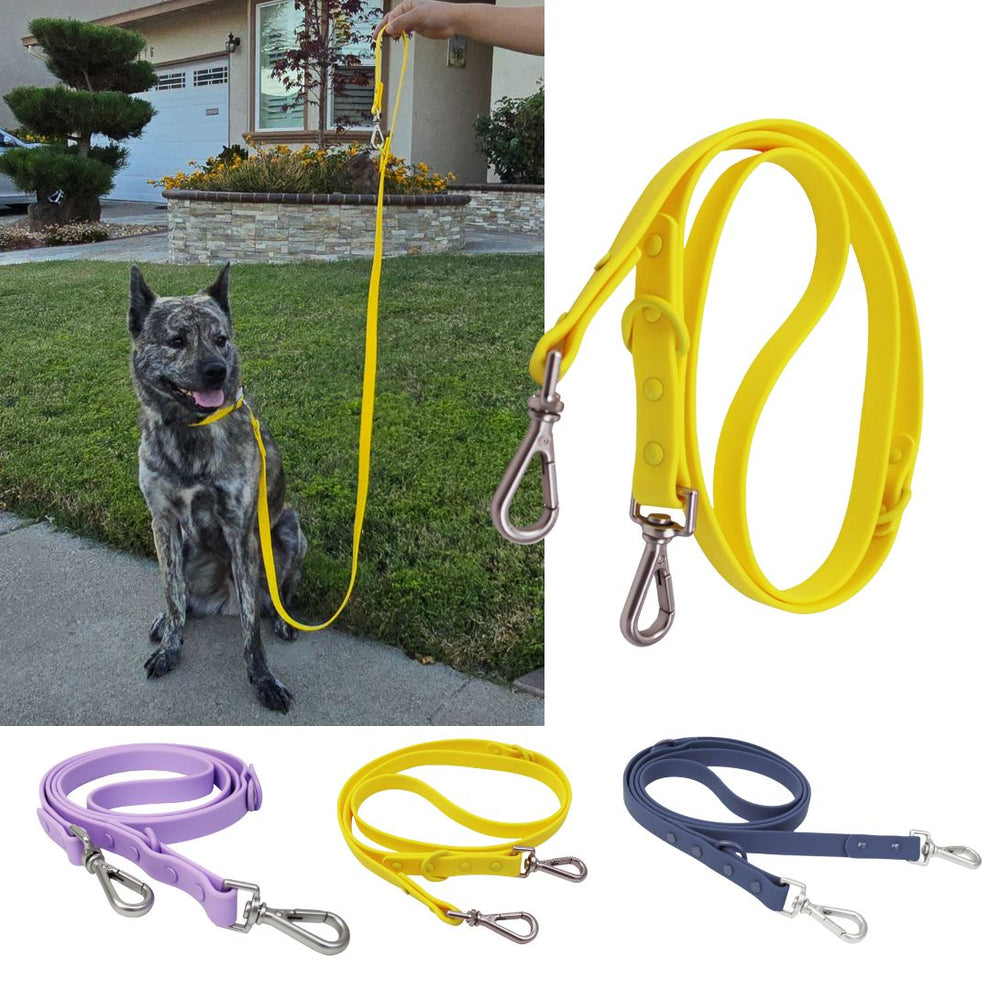
A long line gives your dog freedom and control. It lets your dog explore while you keep hold. You can correct behavior without pulling hard. The long line helps your dog learn commands safely. It prevents your dog from running into danger.
Identifying Safe Off-leash Areas
Choose places free from traffic and hazards. Look for fenced parks or quiet fields. Avoid busy roads or crowded spaces. Safe areas reduce risks and distractions. They help your dog focus on training and fun.
Monitoring Your Dog’s Behavior
Watch your dog closely at all times. Notice signs of stress or distraction. Step in quickly if your dog chases or ignores commands. Stay calm and use clear commands. Your attention keeps your dog safe and responsive.
Common Challenges
Training a dog to behave off a leash presents several common challenges. These challenges test your patience and your dog’s learning. Understanding these can help you prepare better and keep training on track.
Handling Chase Instincts
Many dogs have strong chase instincts. They want to run after moving objects like cars, bikes, or animals. This can be dangerous and hard to control. Teaching a reliable recall command is key. Use treats and praise to reward your dog for returning quickly. Practice in safe, enclosed areas before trying open spaces.
Dealing With Other Animals
Dogs often react to other animals during off-leash time. Some may bark, chase, or get anxious. This behavior can disrupt training and cause problems. Gradual socialization helps your dog stay calm. Keep initial encounters short and controlled. Always monitor your dog closely and intervene if needed.
Correcting Unwanted Behaviors
Unwanted behaviors like digging, jumping, or ignoring commands can happen off leash. Correct these behaviors gently but firmly. Use consistent commands and signals. Avoid yelling or punishment. Instead, redirect your dog to positive activities. Regular practice and patience improve obedience over time.

Credit: www.youtube.com
Maintaining Off-leash Skills
Maintaining your dog’s off-leash skills is essential for safety and obedience. Training does not end after the first success. Regular efforts keep your dog sharp and responsive. Consistent practice builds trust between you and your dog. It also helps your dog remember commands clearly.
Regular Practice Sessions
Practice off-leash commands often. Short, daily sessions work best. Use quiet, safe areas to avoid distractions. This helps your dog focus on you. Gradually increase the challenge with new environments. Consistency in practice prevents skill loss over time.
Keeping Training Fun
Make training enjoyable for your dog. Use treats, toys, and praise as rewards. Play games that encourage listening and obedience. Fun sessions keep your dog interested and eager. Boredom can cause your dog to ignore commands. Vary activities to maintain excitement and motivation.
Adjusting Techniques Over Time
Watch your dog’s progress and adapt methods. Some commands may need more practice or different rewards. As your dog ages, consider their energy and health. Use gentler training techniques if needed. Stay patient and positive throughout changes. This keeps training effective and stress-free.
Frequently Asked Questions
How Long Does It Take To Train A Dog Off Leash?
Training duration varies by dog breed and age. Consistency and patience are key. Typically, 4 to 8 weeks of daily sessions yield good results. Always use positive reinforcement and gradually increase distractions for effective off-leash training.
What Are The Best Commands For Off-leash Training?
Essential commands include “come,” “stay,” “heel,” “leave it,” and “sit. ” These ensure your dog’s safety and control. Start with basic obedience before progressing to off-leash practice. Clear, consistent commands improve communication and reliability.
How To Ensure My Dog Stays Safe Off Leash?
Use a secure, fenced area for initial training. Always supervise your dog closely when off leash. Teach recall commands reliably before off-leash outings. Avoid busy or hazardous locations until your dog is fully trained.
Can All Dogs Be Trained Off Leash?
Most dogs can learn off-leash skills with proper training. However, some breeds or individual dogs may have stronger recall challenges. Consider your dog’s temperament and environment. Seek professional help if needed for specialized training.
Conclusion
Training your dog off leash takes time and patience. Start slow and use clear commands. Always reward good behavior to encourage your dog. Practice in safe, open areas before trying busy places. Trust and communication build a strong bond between you and your dog.
Stay consistent with training to see real progress. Enjoy the freedom and fun of walking without a leash. Your dog will thank you with loyalty and joy. Keep practicing, and success will come.


