

Are you tired of worrying about what’s really in your dog’s food? You want the best for your furry friend, but finding healthy options can be confusing.
What if you could make a homemade dog food recipe that is simple, nutritious, and safe? You’ll discover exactly what goes into a healthy homemade dog food recipe and how it can benefit your dog’s health and happiness. Keep reading to learn easy tips that will help you take control of your pet’s diet starting today.
Credit: www.delicioustable.com
Benefits Of Homemade Dog Food
Making dog food at home gives you full control over what your dog eats. This helps ensure your pet gets the best nutrients for a healthy life.
Homemade meals can be fresher and free from many additives found in store-bought food. You can also adjust the recipe to meet your dog’s unique needs.
Improved Nutrition Control
Cooking dog food at home lets you choose high-quality ingredients. You decide how much protein, fat, and vegetables your dog gets. This balance supports strong muscles and a shiny coat. You can avoid fillers and low-nutrient items common in commercial dog food.
Avoiding Harmful Ingredients
Many commercial dog foods contain preservatives and artificial colors. These may cause allergies or other health problems. Homemade dog food removes these risks. You prepare fresh meals without chemicals or unknown additives. This keeps your dog safer and healthier.
Tailoring To Specific Needs
Every dog is different. Some need special diets for allergies or weight control. Homemade recipes can be customized to help these needs. You can add supplements or avoid certain foods. This personal touch helps your dog feel better and stay active.
Credit: fitnessista.com
Essential Nutrients For Dogs
A healthy homemade dog food recipe must include all essential nutrients. Dogs need a balanced diet to stay strong and active. Each nutrient plays a special role in their health. Missing any can cause problems over time. Understanding these nutrients helps create safe, tasty meals for dogs.
Here are the key nutrients dogs need in their diet.
Proteins And Amino Acids
Proteins build muscles, skin, and organs. Dogs need high-quality protein sources like chicken, beef, or fish. Proteins contain amino acids, which are the building blocks of life. Some amino acids are essential and must come from food. Proper protein supports growth, repair, and immune health.
Carbohydrates And Fiber
Carbohydrates provide energy for daily activities. Good sources include rice, oats, and sweet potatoes. Fiber helps digestion and keeps the gut healthy. It also prevents constipation and supports good bacteria. Balance carbs and fiber for steady energy and digestion.
Fats And Fatty Acids
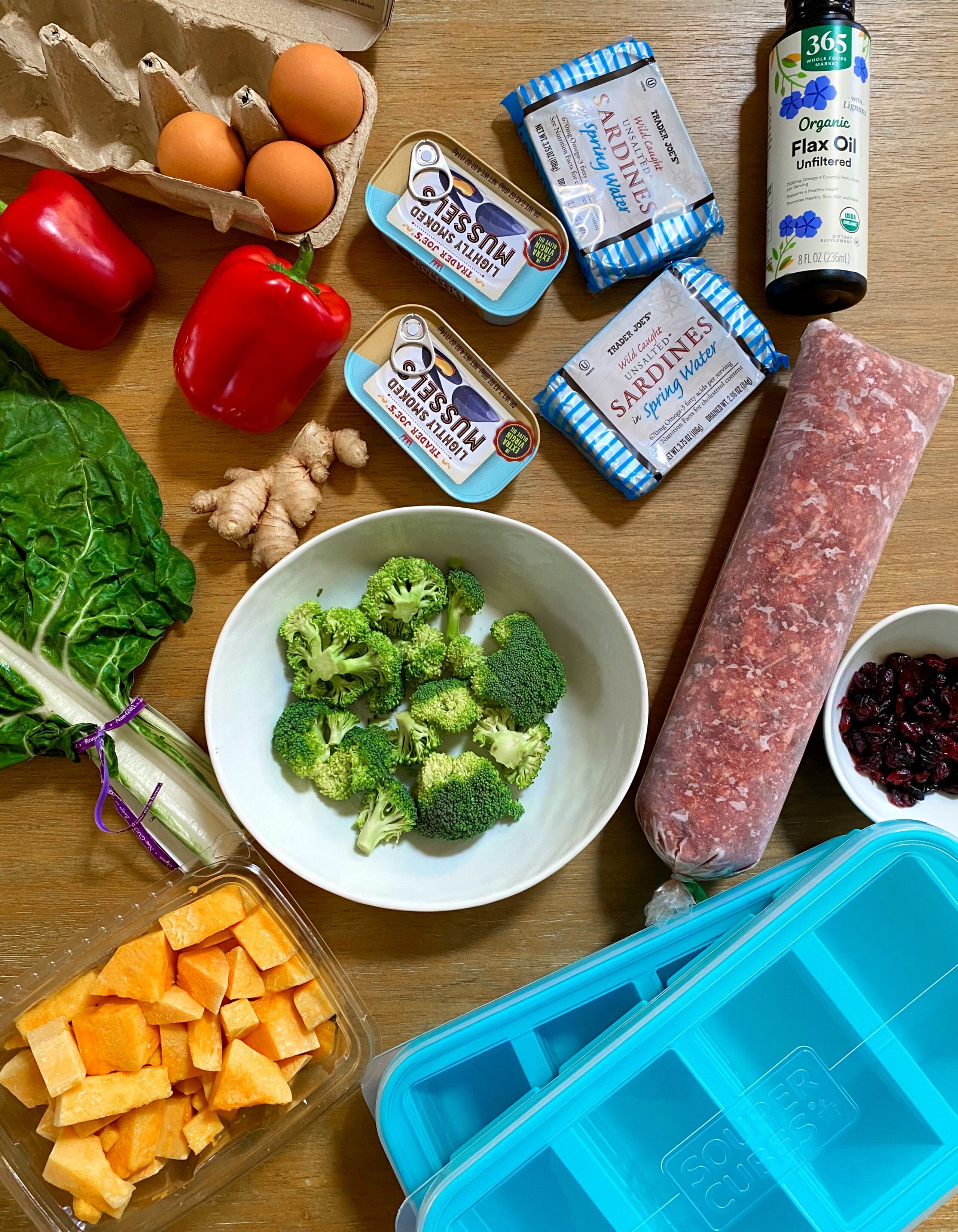
Fats supply concentrated energy and help absorb vitamins. Healthy fats like omega-3 and omega-6 keep skin shiny and coat soft. They also support brain and heart health. Use fish oil or flaxseed oil as good fat sources in recipes.
Vitamins And Minerals
Vitamins and minerals regulate body functions and keep bones strong. Essential vitamins include A, D, E, and B-complex. Minerals like calcium, phosphorus, and zinc support teeth, muscles, and immunity. Fresh vegetables and supplements help meet these needs in homemade meals.
Safe Ingredients For Dog Meals
Choosing safe ingredients is the first step to making healthy homemade dog food. Dogs need balanced meals that include proteins, vegetables, grains, and healthy fats. Each ingredient must be safe and healthy for dogs to eat. Avoid toxic foods like onions, garlic, grapes, and chocolate. Use fresh, natural ingredients to support your dog’s health and energy.
Lean Meats And Alternatives
Lean meats provide essential protein for muscle growth and repair. Chicken, turkey, and lean cuts of beef are great options. Fish like salmon is rich in omega-3 fatty acids, which help with coat and skin health. Eggs also offer protein and important nutrients. Choose cooked meats and avoid seasoning or additives.
Vegetables And Fruits
Vegetables and fruits add vitamins, minerals, and fiber to dog meals. Safe choices include carrots, green beans, peas, and sweet potatoes. Apples and blueberries are good fruit options but serve in small amounts. Avoid toxic fruits like grapes and raisins. Chop or cook vegetables for easier digestion.
Grains And Legumes
Grains provide energy and fiber for dogs. Brown rice, oats, and quinoa are healthy grains to use. Legumes like lentils and chickpeas add protein and fiber. Some dogs may have grain allergies, so monitor their reactions. Cook grains and legumes thoroughly to aid digestion.
Healthy Oils And Supplements
Healthy oils support skin, coat, and joint health. Fish oil and flaxseed oil are rich in omega-3 fatty acids. Add small amounts to your dog’s meal. Supplements like calcium and vitamins may be needed for balanced nutrition. Consult a vet before adding supplements.
Credit: cleananddelicious.com
Ingredients To Avoid
Choosing the right ingredients is key for healthy homemade dog food. Some foods can harm your dog’s health. Avoiding these keeps your pet safe and happy. Learn which ingredients to skip for a balanced meal.
Toxic Foods For Dogs
Chocolate contains substances that dogs cannot digest. It can cause vomiting, seizures, or even death. Grapes and raisins lead to kidney failure in dogs. Onions and garlic damage red blood cells and cause anemia. Avoid these foods completely in homemade dog meals.
Harmful Additives
Many processed foods have preservatives that harm dogs. Artificial colors and flavors may cause allergies or upset stomachs. Avoid foods with BHA, BHT, and ethoxyquin. These chemicals can damage your dog’s organs over time. Choose fresh ingredients without additives for better health.
Unsafe Seasonings
Salt in large amounts can cause dehydration and kidney problems. Spices like nutmeg and cloves are toxic to dogs. Avoid pepper and chili as they irritate the stomach. Plain, simple meals without seasonings are best for your dog’s digestion.
Simple Homemade Dog Food Recipes
Simple homemade dog food recipes offer a fresh and healthy choice for your pet. They use natural ingredients that support your dog’s well-being. These recipes are easy to prepare and use common kitchen staples. Each recipe provides balanced nutrition with proteins, carbs, and vegetables. Cooking at home gives you control over what your dog eats daily.
Chicken And Rice Delight
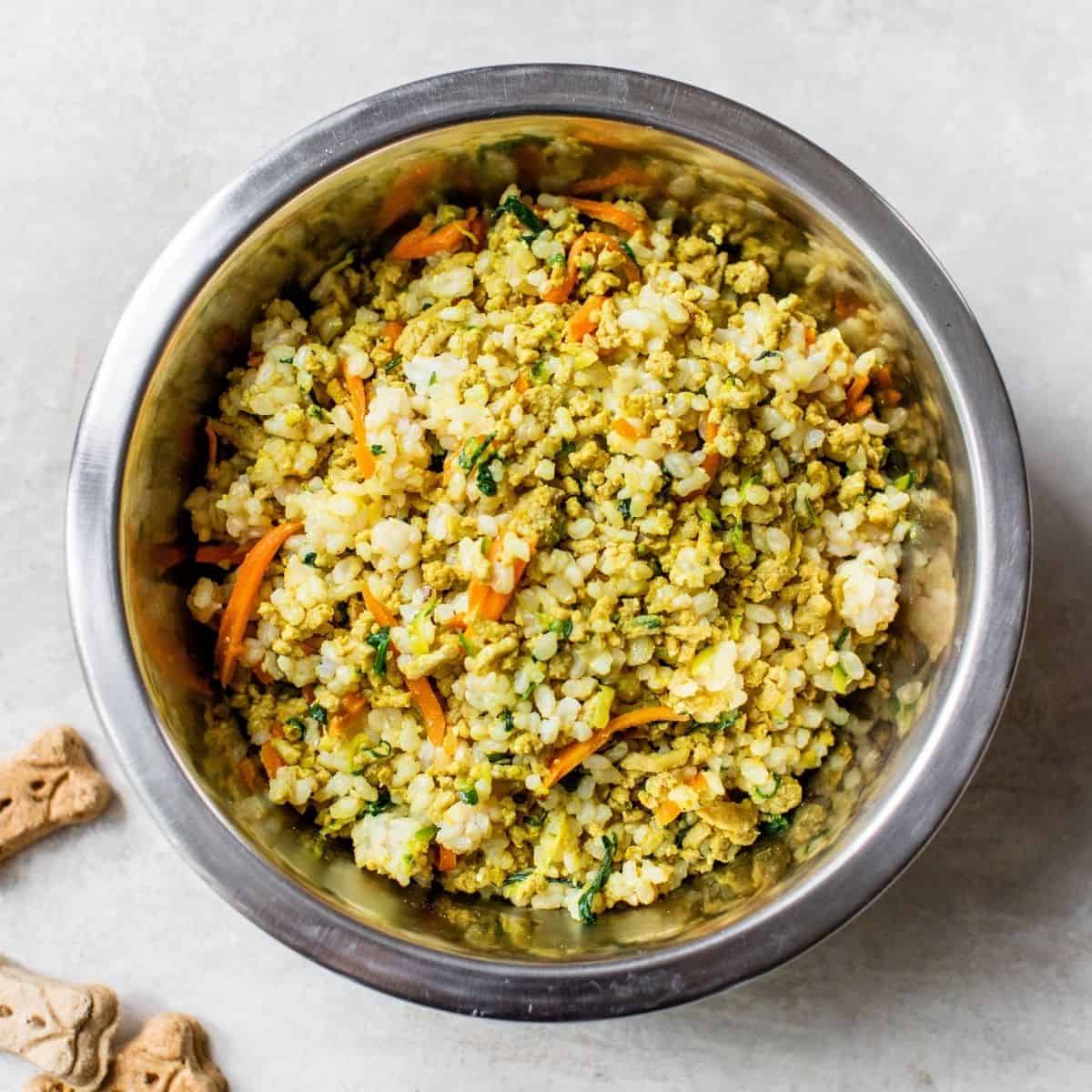
This recipe combines cooked chicken breast with plain white rice. Chicken provides lean protein for muscle health. Rice is a gentle carbohydrate that aids digestion. Add steamed carrots or peas for vitamins and fiber. Avoid using spices or salt to keep it safe. This meal is soft and easy to digest.
Beef And Vegetable Mix
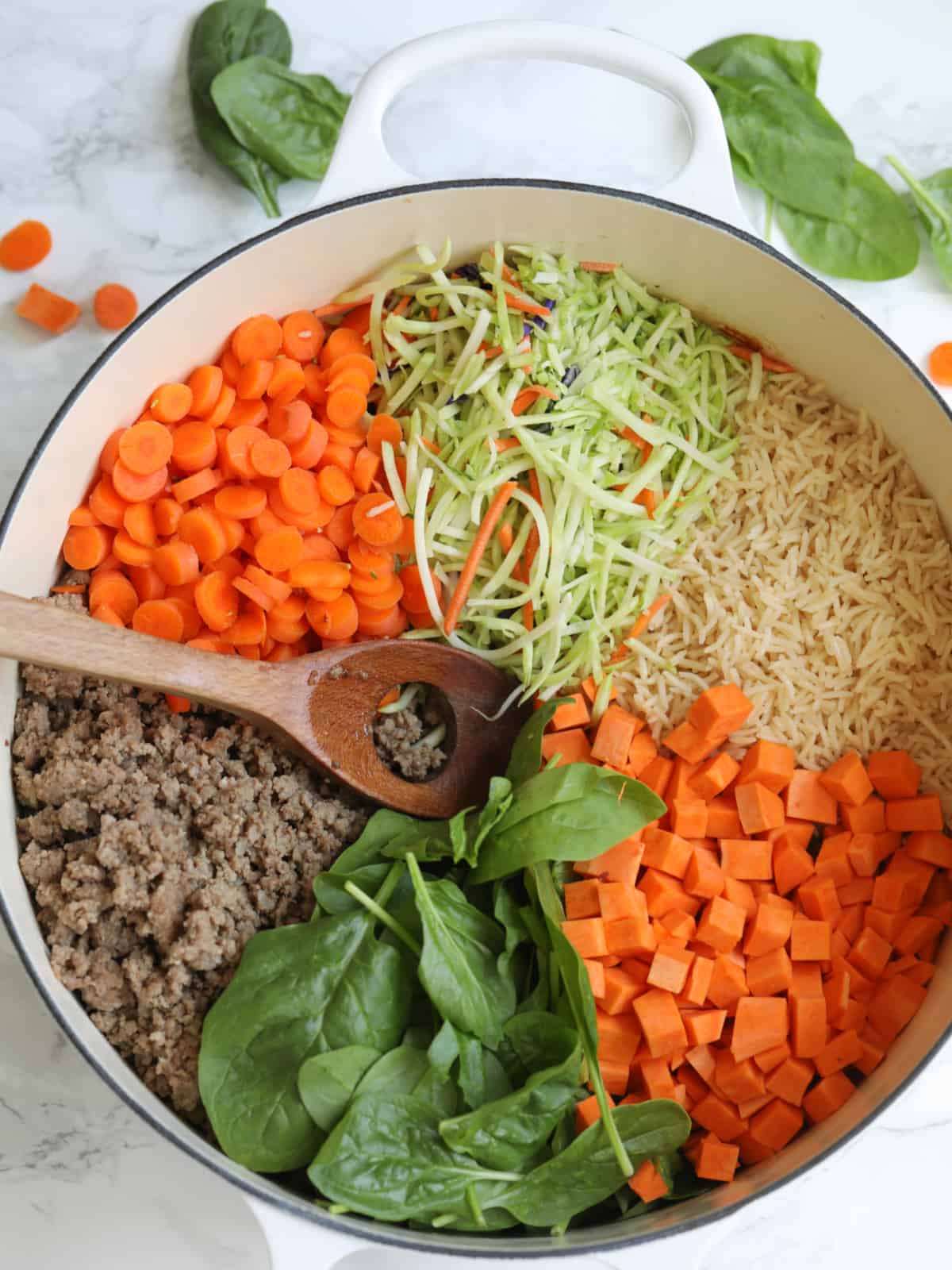
Ground beef offers rich protein and iron for energy. Mix with cooked sweet potatoes or pumpkin for fiber and vitamins. Include green beans or spinach for antioxidants. Cook all ingredients thoroughly without seasoning. This recipe supports strong muscles and a healthy coat. It’s a hearty, tasty option for dogs.
Fish And Sweet Potato Blend
Use cooked white fish like cod or tilapia. Fish is rich in omega-3 fatty acids, which help skin and coat. Sweet potatoes add complex carbs and vitamin A. Mix in some steamed broccoli for extra nutrients. Avoid using fish with bones or heavy oils. This recipe is gentle on the stomach and nourishing.
Vegetarian Dog Food Option
This plant-based recipe uses cooked lentils or chickpeas for protein. Combine with brown rice or quinoa for energy. Add cooked carrots and peas for vitamins and fiber. Use small amounts of olive oil for healthy fats. This option suits dogs with meat allergies or special diets. It provides balanced nutrition without animal products.
Tips For Preparing And Storing
Preparing and storing homemade dog food correctly keeps your pet safe and healthy. It helps keep the food fresh and full of nutrients. Following simple tips can make cooking easier and feeding time better for your dog.
Good preparation and storage protect against bacteria and spoilage. They also save time and reduce waste. Learning these steps ensures your dog enjoys tasty and safe meals every day.
Proper Cooking Techniques
Cook meats thoroughly to kill harmful germs. Boil, bake, or steam ingredients without adding spices or salt. Avoid frying to keep meals healthy and light. Cut food into small pieces to help your dog chew easily. Let the food cool before serving to prevent burns.
Portion Sizes And Frequency
Feed your dog the right amount based on size and age. Small dogs need less food than big dogs. Divide daily food into two or three meals. Regular feeding times keep your dog’s digestion steady. Watch your dog’s weight and adjust portions as needed.
Storage And Shelf Life
Store homemade dog food in airtight containers to keep it fresh. Refrigerate leftovers and use within three days. Freeze extra portions for up to two weeks. Label containers with dates to track freshness. Thaw frozen food in the fridge, not at room temperature.
Consulting Your Veterinarian
Consulting your veterinarian is the first step in preparing healthy homemade dog food. Vets understand your dog’s unique health needs. They guide you to create a diet that suits your dog’s age, size, and health condition. Talking to a professional helps avoid nutrition mistakes that can harm your pet.
Customizing Diet Plans
Every dog is different. Your vet helps design a diet plan tailored to your dog’s specific needs. They suggest the right balance of protein, fats, and carbohydrates. Custom plans consider allergies and special health issues. This ensures your dog gets all needed nutrients for good health.
Monitoring Health Changes
Changing your dog’s diet needs careful attention. Your vet checks for any health changes after switching to homemade food. They watch for weight gain or loss, coat condition, and energy levels. Regular check-ups help catch problems early and adjust the diet if needed.
Supplement Recommendations
Homemade meals might lack some vitamins and minerals. Your vet may recommend supplements to fill these gaps. Common supplements include omega-3 fatty acids, calcium, and vitamins. These help keep your dog’s bones, skin, and immune system strong.
Frequently Asked Questions
What Ingredients Make A Healthy Homemade Dog Food Recipe?
A healthy homemade dog food recipe includes lean meats, vegetables, and grains. Avoid harmful foods like onions and chocolate. Balanced nutrition is essential for your dog’s health and energy.
How Do I Ensure Balanced Nutrition In Homemade Dog Food?
Include protein, carbs, fats, vitamins, and minerals in your recipe. Consult a vet or pet nutritionist for proper portions. Variety in ingredients helps meet all dietary needs.
Can Homemade Dog Food Improve My Pet’s Health?
Yes, homemade dog food can improve digestion, coat quality, and energy. Fresh ingredients avoid preservatives and fillers found in commercial diets. Always ensure recipes are nutritionally complete.
How Often Should I Feed Homemade Dog Food?
Feed your dog homemade food twice daily or as recommended by your vet. Portion size depends on your dog’s size, age, and activity level. Consistency helps maintain good health.
Conclusion
Feeding your dog homemade food can improve their health and happiness. Fresh ingredients give better nutrition than many store-bought options. You control what goes into each meal. This helps avoid harmful additives and fillers. Remember to balance proteins, vegetables, and grains well.
Always check with your vet before changing diets. Cooking at home shows love and care for your pet. Healthy food supports energy, shiny coats, and strong muscles. Simple recipes make mealtime easy and enjoyable. Your dog will thank you with wagging tails and bright eyes.


