
Are you confident that the dog kibble you feed your furry friend gives them all the nutrients they need? You want your dog to be healthy, happy, and full of energy.
But with so many brands and types of kibble out there, it’s hard to know if what you’re offering truly supports their well-being. What if the food you trust isn’t as balanced as you think? Keep reading to uncover the truth about dog kibble and learn how to make the best choices for your pet’s nutrition.
Your dog’s health depends on it.
What Is Dog Kibble Made Of
Dog kibble is a popular food choice for many pet owners. It looks simple but contains many ingredients. These ingredients provide nutrition, taste, and shelf life. Understanding what kibble is made of helps you see if it suits your dog’s needs.
Common Ingredients In Kibble
Kibble usually has a mix of meat, grains, and vegetables. Meat or meat meals supply protein and fat. Grains like rice and corn give energy through carbohydrates. Vegetables add fiber and vitamins. Some kibble also includes oils for healthy skin and coat.
Sources Of Protein And Carbohydrates
Protein often comes from chicken, beef, or fish. Sometimes, meat meals or by-products are used. Carbohydrates come from grains such as corn, wheat, or rice. Some brands use potatoes or peas instead. These ingredients give dogs the energy they need.
Additives And Preservatives
Kibble contains additives for flavor and preservation. Vitamins and minerals are added to balance nutrition. Preservatives keep the food fresh longer. Natural preservatives include mixed tocopherols. Artificial ones may also be present to prevent spoilage.
Credit: www.sportmix.com
Nutritional Standards For Kibble
Dog kibble is a popular choice for many pet owners. Its nutritional balance depends on strict standards. These standards help ensure dogs get the nutrients they need. Understanding these rules can help you choose the right kibble for your dog.
Aafco Guidelines Explained
The Association of American Feed Control Officials (AAFCO) sets rules for pet food nutrition. These guidelines define the minimum nutrients needed in dog food. They cover proteins, fats, vitamins, and minerals. AAFCO tests help confirm if kibble meets these nutrient levels. Foods that pass AAFCO standards are labeled as “complete and balanced.”
How Brands Meet Nutritional Requirements
Pet food brands use AAFCO rules to create recipes. They mix ingredients to reach the right nutrient levels. Brands conduct feeding trials to test the kibble’s effect on dogs. They also analyze the food in labs for nutrient content. This process ensures kibble supports a dog’s health at different life stages.
Label Reading Tips
Check the label for an AAFCO statement. It shows if the food is complete and balanced. Look for the life stage the kibble supports, such as puppy or adult. Review the ingredient list for quality proteins and nutrients. Avoid foods with too many fillers or artificial additives.
Pros Of Feeding Kibble
Feeding your dog kibble has several benefits that many pet owners appreciate. Kibble offers practical solutions for daily pet care. It fits well into busy lifestyles without sacrificing your dog’s nutrition.
Convenience And Storage
Kibble is easy to store and handle. It stays fresh for a long time if kept in a sealed container. You can buy it in bulk, which saves trips to the store. Serving kibble is quick and simple, making mealtime smooth and stress-free.
Cost-effectiveness
Kibble tends to be more affordable than many other dog foods. It offers good nutrition at a lower price. Budget-conscious owners can provide balanced meals without overspending. This makes feeding your dog more manageable over time.
Dental Health Benefits
Crunchy kibble helps reduce plaque and tartar buildup. Chewing kibble can clean your dog’s teeth naturally. This supports better oral hygiene and fresher breath. Healthy teeth lead to fewer dental problems later in life.
Cons Of Kibble Nutrition
Dog kibble is a popular choice for many pet owners. It offers convenience and long shelf life. Yet, there are some nutritional drawbacks to consider. These cons might affect your dog’s health over time. Understanding these issues helps you make better feeding choices.
Potential Nutrient Deficiencies
Kibble may lack some essential nutrients dogs need daily. Vitamins and minerals can degrade during storage. Some brands do not add enough omega-3 fatty acids. Dogs might miss out on important antioxidants too. This can lead to weaker immune systems and dull coats.
Quality Variations Among Brands
Not all kibble is made equal. Ingredients and nutrient levels vary widely. Some brands use low-quality fillers that add no nutrition. Others include artificial colors or preservatives. This inconsistency makes it hard to know what your dog really eats.
Risks Of Overprocessing
Kibble undergoes high heat and pressure during production. This process can destroy sensitive nutrients like enzymes and vitamins. Overprocessing may reduce digestibility and nutrient absorption. It can also change the taste and texture, making it less appealing to dogs.
Signs Your Dog May Need Nutritional Adjustments
Dogs rely on balanced nutrition for their health and happiness. Sometimes, their diet may not meet all needs. Signs appear showing your dog might need nutritional changes. Spotting these early helps keep your dog strong and lively.
Changes In Coat And Skin
A dull or dry coat can mean missing nutrients. Patches of hair loss or flaky skin also signal problems. Healthy skin and shiny fur reflect good nutrition. Watch for itching or redness as well.
Energy And Behavior Shifts
Low energy or tiredness may point to poor diet. Sudden changes in behavior, like irritability, are warning signs. A lively dog usually eats well and feels good. Lack of interest in play or walks is a concern.
Digestive Issues
Frequent vomiting, diarrhea, or constipation show diet trouble. Stomach upset can mean food is not right. Proper nutrition helps maintain smooth digestion. Pay attention if your dog has gas or bloating.
Credit: www.brookshires.com
Alternatives And Supplements
Dog kibble often provides a balanced diet, but some owners want to explore other options. Alternatives and supplements can enhance your dog’s nutrition. They may fill gaps or add variety to your pet’s meals. Understanding these choices helps you make better feeding decisions.
Raw And Fresh Food Options
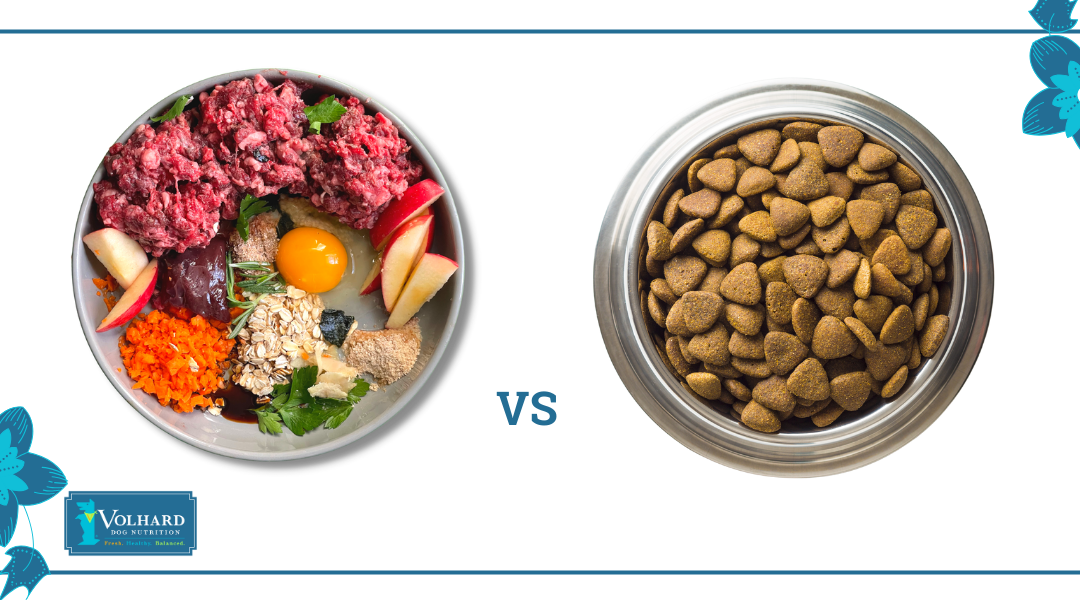
Raw diets include uncooked meat, bones, and vegetables. Fresh food meals use cooked or fresh ingredients. Both aim to mimic natural diets dogs had before commercial food. These options can offer more vitamins and enzymes than kibble. They also reduce artificial preservatives and fillers. Preparing fresh food takes time but can improve your dog’s health.
Adding Supplements To Kibble
Supplements can boost the nutrition of regular kibble. Common supplements include fish oil, probiotics, and vitamins. Fish oil adds omega-3 fatty acids for coat and joint health. Probiotics support digestion and gut health. Multivitamins fill in any missing nutrients. Always follow dosage instructions to avoid over-supplementing.
Consulting A Veterinarian
A vet can help choose the best diet or supplements for your dog. They understand your pet’s specific health needs. Discuss any diet changes or supplements before starting them. Vets can recommend tests to check nutrient levels. Regular checkups ensure your dog stays healthy on any diet.
Making The Best Choice For Your Dog
Choosing the right food for your dog is important for their health. Not all kibble is the same. Understanding your dog’s needs helps you pick the best option. Balance between quality and cost matters. Watching your dog’s health over time keeps their diet right.
Evaluating Your Dog’s Specific Needs
Each dog has unique needs based on age, size, and activity level. Puppies need more protein and calories. Older dogs may require fewer calories but more joint support. Some dogs have allergies or sensitivities. Check the ingredients and nutrition facts carefully. Consult your vet for personalized advice.
Balancing Budget And Nutrition
Good nutrition does not always mean expensive food. Many affordable brands offer balanced formulas. Read labels to compare nutrient content. Avoid foods with too many fillers or artificial additives. Spend wisely on food that supports your dog’s health daily.
Monitoring And Adjusting Diet Over Time
Watch your dog’s weight and energy levels regularly. Changes in coat, digestion, or behavior might signal diet issues. Adjust food amounts or try different formulas if needed. Regular vet check-ups help track health progress. Keep your dog’s diet flexible as needs change.
Credit: www.volharddognutrition.com
Frequently Asked Questions
Is Dog Kibble Nutritionally Complete?
Most commercial dog kibble is formulated to meet AAFCO nutritional standards. It generally provides balanced proteins, fats, vitamins, and minerals. However, quality varies by brand, so always check ingredient lists and certifications to ensure your dog’s specific needs are met.
Can Dog Kibble Support All Life Stages?
Some dog kibble is designed for all life stages, offering balanced nutrition for puppies, adults, and seniors. However, specialized formulas exist for growth or health conditions. Choose kibble labeled for your dog’s life stage to ensure proper nutrient intake.
How To Identify High-quality Dog Kibble?
Look for named protein sources, whole grains, and added vitamins in the ingredients. Avoid artificial additives and fillers. Certifications from AAFCO or reputable organizations indicate quality and balanced nutrition in dog kibble.
Does Dog Kibble Provide Enough Hydration?
Dog kibble contains minimal moisture, so dogs need fresh water alongside their meals. For dogs requiring more hydration, mixing kibble with wet food or water can help maintain adequate fluid intake.
Conclusion
Dog kibble can provide balanced nutrition when chosen carefully. Not all brands meet every dog’s needs. Check ingredients and nutritional labels closely. Some dogs may need extra supplements or fresh food. Always watch how your dog reacts to their food.
Healthy dogs show energy, shiny coats, and good digestion. Consult your vet to ensure proper diet and health. Feeding your dog right supports a long, happy life. Balance matters, and so does quality. Choose wisely for your furry friend’s well-being.


