

Choosing the right food for your dog can feel overwhelming. You see those labels full of numbers and unfamiliar words, and it’s hard to know what really matters.
But understanding how to read dog food nutritional facts is one of the best ways to ensure your furry friend stays healthy and happy. Imagine knowing exactly what nutrients your dog is getting and avoiding harmful ingredients—all with just a quick glance at the label.
Keep reading, and you’ll discover simple tips to decode dog food labels like a pro, giving you confidence in every meal you serve.
Credit: www.gallant.com
Decoding Dog Food Labels
Understanding dog food labels helps you choose the best nutrition for your pet. Labels contain important details about ingredients and nutrients. Reading them carefully ensures your dog gets a balanced diet. This section breaks down key parts of dog food labels to make them easier to understand.
Key Terms To Know
Labels often use words that describe the food’s content. “Crude protein” shows how much protein is in the food. “Crude fat” means the fat amount. “Moisture” tells you how much water the food contains. “Ash” means minerals left after burning the food. These terms help you compare different dog foods.
Look for “guaranteed analysis” on the label. It shows the minimum or maximum nutrient amounts. This helps you check if the food meets your dog’s needs. Knowing these terms makes label reading easier and clearer.
Ingredient List Basics
The ingredient list tells you what is inside the dog food. Ingredients are listed by weight, from most to least. The first few ingredients make up most of the food.
Look for real meat or meat meal as the first ingredients. Avoid foods with many fillers like corn or wheat. These add calories but little nutrition. Ingredients like vitamins and minerals usually come last. Understanding this list helps you pick healthy food for your dog.
Understanding Nutritional Components
Understanding the nutritional components of dog food helps you choose the best option for your pet. Each component plays a key role in your dog’s health and energy. Knowing what these components do makes reading labels easier. It also helps you pick food that meets your dog’s needs.
Proteins And Amino Acids
Proteins build and repair body tissues. Dogs need proteins for muscles, skin, and coat health. Amino acids are the building blocks of proteins. Some amino acids are essential, meaning dogs must get them from food. Look for named animal proteins like chicken, beef, or fish on labels. These provide high-quality proteins and essential amino acids.
Fats And Fatty Acids
Fats give dogs energy and help absorb vitamins. They also keep the skin and coat healthy. Fatty acids, like omega-3 and omega-6, are important for brain and heart health. Check the food label for fat sources such as fish oil or chicken fat. Avoid foods with too much fat to prevent weight problems.
Carbohydrates And Fiber
Carbohydrates provide energy and support digestion. Fiber helps keep the digestive system working well. Good sources of carbohydrates include rice, barley, and oats. Fiber comes from ingredients like beet pulp or pumpkin. Too many carbs can cause weight gain, so balance is key.
Vitamins And Minerals
Vitamins and minerals support many body functions. They help with bones, teeth, and immune health. Important vitamins include A, D, E, and B-complex. Minerals like calcium, phosphorus, and zinc are essential too. Check the label for a balanced mix of these nutrients. Proper vitamins and minerals keep your dog strong and healthy.
Interpreting Guaranteed Analysis
The Guaranteed Analysis on dog food labels shows key nutrient levels. It helps pet owners understand what their dog will eat. This section lists nutrients with minimum or maximum amounts. Knowing how to read this can guide healthy dog food choices.
Minimum And Maximum Values
Guaranteed Analysis shows minimum values for protein, fat, and fiber. It means the food has at least that amount. Maximum values apply to moisture and sometimes fiber or ash. These set the highest allowed levels. This info helps compare dog foods easily.
Moisture Content
Moisture is the water in dog food. It appears as a maximum percentage. Dry kibble has low moisture, usually below 12%. Wet food has higher moisture, sometimes over 70%. Knowing moisture helps understand the food’s texture and concentration.
Ash And Fiber Percentages
Ash means the mineral content left after burning the food. It shows total minerals but not which ones. Fiber is the plant material that aids digestion. Both have minimum or maximum values. Balanced amounts support your dog’s health and digestion.
Recognizing Quality Indicators
Recognizing quality indicators in dog food helps ensure your pet gets the best nutrition. Reading the nutritional facts carefully reveals important details. These details show the food’s true value and safety. Learn to spot key terms and ingredients for better choices.
Named Meat Sources
Look for specific meat names like chicken, beef, or lamb. These are better than vague terms such as “meat” or “animal protein.” Named meats show the food contains real, recognizable protein. Protein is vital for your dog’s muscles and energy. Avoid foods that list unnamed meat sources.
By-products And Fillers
By-products include parts of animals not usually eaten by humans. Some by-products offer nutrients but others do not. Fillers like corn, wheat, or soy provide little nutrition. Excess fillers can reduce the food’s quality. Choose dog food with minimal or no fillers and unclear by-products.
Additives And Preservatives
Additives keep food fresh and improve taste or color. Natural preservatives like vitamin E and C are safer. Artificial preservatives may harm your pet’s health over time. Check for harmful chemicals such as BHA, BHT, or ethoxyquin. Pick foods with limited or natural additives only.
Tailoring Choices To Your Dog’s Needs
Choosing the right dog food means matching it to your dog’s unique needs. Every dog is different. Their age, health, and activity all affect what they need to eat. Understanding these needs helps you pick food that supports their well-being and happiness.
Age And Life Stage
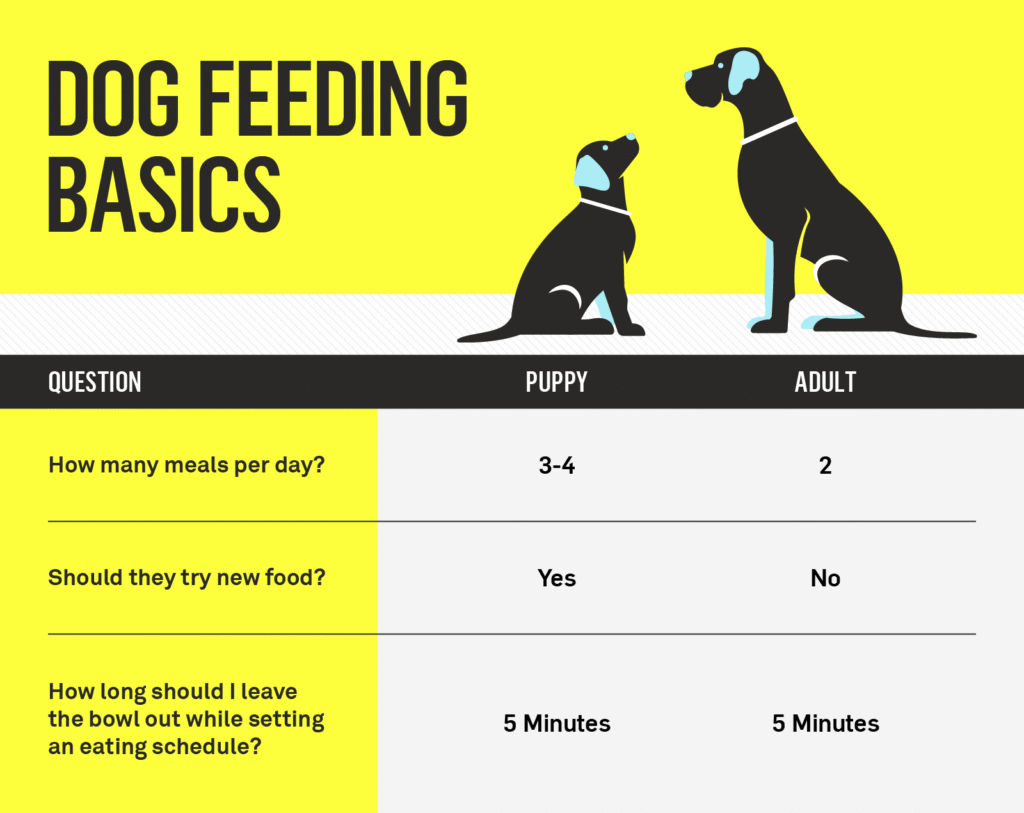
Puppies need more protein and fat for growth. Adult dogs need balanced nutrients to maintain health. Senior dogs often require fewer calories and more joint support. Check the label for ingredients that fit your dog’s age group.
Health Conditions
Dogs with allergies need food without common allergens. Those with kidney problems need low phosphorus and protein. Overweight dogs benefit from low-calorie formulas. Read nutritional facts carefully to avoid harmful ingredients.
Activity Level
Active dogs burn more calories and need extra energy. Less active dogs need fewer calories to avoid weight gain. Some foods offer special formulas for working dogs or couch potatoes. Look for calorie counts and nutrient levels on the label.

Credit: www.rotiandchai.co.za
Common Misleading Label Tricks
Dog food labels can trick you. Brands want you to buy their products. They use special words and tricks to make food seem better. Knowing these tricks helps you pick the right food for your dog. Watch out for common misleading label tricks that confuse many pet owners.
Marketing Terms To Watch
Words like “natural,” “premium,” and “holistic” sound good. They make you think the food is healthy. But these words have no strict rules. Companies can use them even if the food is not great. Check the ingredients and nutrients instead of trusting these labels.
Ingredient Splitting
Companies split one ingredient into parts. For example, instead of listing “chicken,” they list “chicken meal,” “chicken fat,” and “chicken broth.” This makes chicken seem lower in the list. It hides how much chicken is really in the food. Look carefully for repeated ingredients that mean the same thing.
Ambiguous Phrases
Phrases like “with real meat” or “contains vegetables” are unclear. They do not say how much meat or vegetables are inside. These words can mean just a tiny bit of the ingredient. Check the ingredient list and guaranteed analysis. These give clearer information about the food’s quality.
Tips For Comparing Dog Foods
Choosing the right dog food needs more than just reading the label. Comparing different options helps find the best fit for your pet. Focus on key factors like price, brand, and expert advice.
These tips make the comparison easier and clearer. They help you decide what food offers good nutrition without breaking your budget.
Price Vs Quality
Cheap dog food might not give enough nutrients. Quality ingredients cost more but support your dog’s health better. Balance cost with the value you get. Sometimes paying a bit more saves vet bills later.
Brand Reputation
Choose brands known for safety and good ingredients. Look for reviews and recalls history. A trusted brand often means consistent quality. Avoid brands with many complaints or unknown sources.
Consulting A Veterinarian
Your vet knows your dog’s health needs best. Ask them about the best food types and brands. They can suggest diets for allergies or special conditions. This advice helps tailor food choice perfectly.

Credit: www.amazon.com
Frequently Asked Questions
What Do The Percentages On Dog Food Labels Mean?
The percentages indicate nutrient amounts like protein, fat, and fiber. They show minimum or maximum levels based on testing, helping you compare food quality and suitability for your dog’s needs.
How To Identify High-quality Protein In Dog Food?
Check for named animal proteins like chicken or beef first in the ingredients. High-quality protein supports muscle health and energy, essential for your dog’s overall well-being.
Why Are Guaranteed Analysis Figures Important?
Guaranteed analysis shows nutrient ranges such as protein, fat, fiber, and moisture. It ensures the food meets nutritional standards and helps you select balanced meals for your dog.
How To Read Ingredient Lists On Dog Food Packaging?
Ingredients are listed by weight from most to least. Look for whole foods and avoid vague terms like “meat meal” to ensure quality nutrition.
Conclusion
Reading dog food labels helps you choose the best for your pet. Check protein, fat, and fiber levels for balanced nutrition. Watch out for harmful ingredients and fillers. Understand serving sizes to feed the right amount. Clear labels make feeding easier and healthier.
Your dog will feel better with good food. Keep learning about pet nutrition for smarter choices. Simple steps lead to a happy, healthy dog.


