Are you wondering if it’s okay to feed your adult dog puppy food? You might think it’s harmless or even healthy, but is it really the best choice for your furry friend?
What you feed your dog can affect their energy, weight, and overall health. Keep reading to discover why choosing the right food matters and how it can make a big difference in your dog’s life. Don’t let a simple feeding mistake impact your dog’s happiness and well-being.
Differences Between Puppy And Adult Dog Food
Understanding the differences between puppy and adult dog food is essential for your pet’s health. Both types of food serve unique purposes based on a dog’s age. Puppies grow rapidly and need special nutrition. Adult dogs require balanced food to maintain their health and energy. Feeding the wrong type of food can cause health issues over time.
Nutritional Needs Of Puppies
Puppies need more calories to support fast growth. Their food is rich in protein and fat. Essential vitamins and minerals help build strong bones and muscles. Puppy food also contains extra DHA for brain and eye development. Small, frequent meals suit their small stomachs.
Nutritional Needs Of Adult Dogs
Adult dogs need fewer calories than puppies. Their food focuses on maintaining weight and muscle tone. Balanced protein and moderate fat help keep energy steady. Adult dog food has nutrients to support joint health. It also includes antioxidants to boost the immune system.
Key Ingredient Variations
Puppy food has higher protein and fat levels than adult food. It includes more calcium and phosphorus for bone growth. Adult dog food contains fewer calories but more fiber. Fiber aids digestion and helps control weight. Ingredients in adult food support overall health and longevity.
:strip_icc()/people-food-for-puppies-2804770-hero-58d5ffa7c4784604b5088d8fcf41fed7.jpg)
Credit: www.thesprucepets.com
Potential Risks Of Feeding Puppy Food To Adult Dogs
Feeding puppy food to an adult dog can cause several problems. Puppy food is made to support fast growth and high energy. Adult dogs have different needs. Giving them puppy food for a long time may harm their health.
Weight Gain And Obesity
Puppy food has more calories than adult dog food. Adult dogs eating puppy food can gain extra weight. Too many calories cause obesity. Obesity leads to joint pain and heart problems. It also lowers the dog’s energy and lifespan.
Digestive Issues
Adult dogs may find puppy food hard to digest. The richer ingredients can upset their stomach. This can cause diarrhea or vomiting. Digestive discomfort makes dogs feel unwell. Proper digestion is key for good health.
Nutrient Imbalance
Puppy food contains more protein and fat. Adult dogs need a balanced diet with fewer nutrients. Too much protein or fat can strain organs like kidneys. Nutrient imbalance may cause long-term health issues. Feeding the correct food keeps dogs strong and healthy.
Situations Where Puppy Food Might Be Acceptable
Puppy food is designed with extra nutrients for growing dogs. It may not suit all adult dogs, but some cases exist where it might be helpful. Knowing these situations helps pet owners make better feeding choices.
In some special cases, adult dogs can benefit from the richer formula of puppy food. This helps support their health during tough times or special needs.
Senior Dogs With Special Needs
Older dogs sometimes need more calories and nutrients to stay healthy. Puppy food can provide extra energy and vitamins. It supports aging bodies that struggle to absorb nutrients well. Still, watch for weight gain and adjust portions carefully.
Underweight Adult Dogs
Adult dogs that are too thin may need extra nutrition. Puppy food’s higher fat and protein help them gain weight. It offers a calorie boost to build muscle and strength. Feeding smaller meals often can improve results.
Consulting A Veterinarian
Always ask a vet before feeding puppy food to an adult dog. They know your dog’s health and needs best. A vet can recommend the right diet or supplements. This prevents problems and keeps your dog healthy.
Credit: www.nbcnews.com
How To Transition Between Puppy And Adult Food
Changing your dog’s diet from puppy food to adult food is important for their health. Puppies need more nutrients for growth. Adult dogs need balanced food for maintenance. Switching too fast can upset your dog’s stomach. A smooth transition helps your dog adjust well.
Signs Your Dog Is Ready
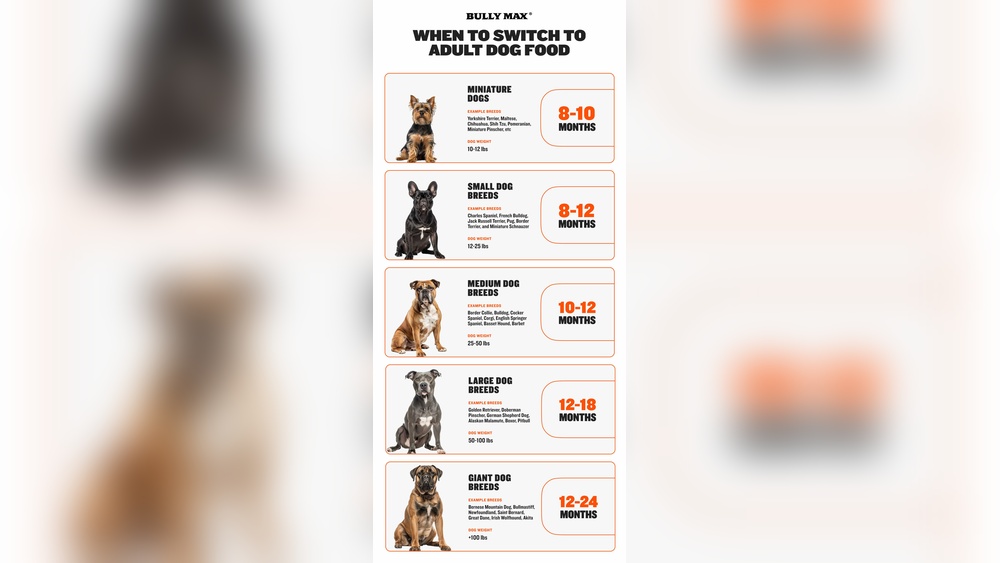
Look for changes in your dog’s age and size. Most dogs switch at about one year old. Large breeds may need more time before switching. Your dog’s growth rate slows down. Energy levels become steady. Teeth and bones are more developed. These signs show readiness for adult food.
Step-by-step Transition Process
Start by mixing a small amount of adult food with puppy food. Gradually increase adult food over ten days. Reduce puppy food little by little. Watch your dog eat without stress. Keep feeding times regular. Avoid sudden changes to prevent digestion problems.
Monitoring Health During Transition
Check your dog’s stool for any change. Soft or loose stools need attention. Watch for vomiting or lack of appetite. Your dog should stay active and happy. If problems appear, slow the transition. Consult your vet if issues continue. Healthy skin and coat show good nutrition.
Choosing The Right Food For Your Adult Dog
Choosing the right food for your adult dog is key to keeping them healthy and happy. Adult dogs have different needs than puppies. Their energy levels and nutrient requirements change as they grow. Feeding them the correct food helps maintain a healthy weight and supports their overall well-being.
Reading Dog Food Labels
Dog food labels show important information. Look for the main ingredients first. Meat should be one of the top ingredients. Check for balanced nutrients like protein, fat, and fiber. Avoid foods with too many fillers or artificial additives. Labels also show if the food meets standards set by pet health experts.
Considering Breed And Size
Different breeds and sizes need different nutrition. Small breeds may need more calories per pound than large breeds. Large dogs benefit from foods that support joint health. Breed-specific foods can help with unique needs. Tailor the food choice to your dog’s body type and activity level.
Special Dietary Requirements
Some dogs have allergies or health problems. These dogs need special diets to stay well. Sensitive stomach formulas are easier to digest. Dogs with kidney issues need low-protein foods. Always consult a vet to find the best diet for special needs. Proper food can improve quality of life for these dogs.
Credit: www.raisedrightpets.com
Common Myths About Puppy Food For Adult Dogs
Many dog owners wonder if puppy food suits adult dogs. There are several myths about feeding puppy food to grown dogs. These myths can confuse pet owners about the right diet for their pets. Understanding the facts helps you make better choices.
Puppy Food Is Always Better
Some believe puppy food is better than adult dog food. Puppy food has more calories and nutrients. But adult dogs do not need extra calories. Too many calories can cause weight gain. Adult dogs need balanced nutrition, not just more food.
Feeding Puppy Food Can Extend Life
Another myth says puppy food helps dogs live longer. No scientific proof supports this idea. Lifespan depends on breed, health, and care. Feeding the right food for age matters more. Puppy food does not add years to life.
Adult Dogs Can Eat Puppy Food Without Issues
Some owners think adult dogs can eat puppy food safely. Small amounts may not harm. But long-term feeding can cause problems. Too much protein and fat can strain organs. Adult dogs need food made for their stage.
Frequently Asked Questions
Is Puppy Food Safe For Adult Dogs?
Puppy food is safe but not ideal for adult dogs. It contains extra calories and nutrients meant for growth. Feeding it long-term may cause weight gain and nutrient imbalance in adults.
What Happens If Adult Dogs Eat Puppy Food?
Adult dogs eating puppy food may gain excess weight. The high fat and protein can strain their kidneys. Nutrient imbalance might lead to health issues over time.
Can Adult Dogs Eat Puppy Food Occasionally?
Yes, adult dogs can eat puppy food occasionally. It won’t cause harm if given as a treat or for a short period. Avoid making it a regular diet to prevent nutrient issues.
Why Is Puppy Food Different From Adult Dog Food?
Puppy food has higher calories, protein, and fat for growth support. Adult dog food focuses on maintenance and balanced nutrition. Their nutrient profiles differ to meet life stage needs.
Conclusion
Feeding puppy food to an adult dog is not ideal. Adult dogs need fewer calories and different nutrients. Puppy food may cause weight gain or stomach upset. Choosing the right food supports your dog’s health and energy. Always check labels and consult your vet.
Healthy meals keep your dog happy and strong. Remember, good nutrition matters at every stage of life. Don’t risk your dog’s well-being with the wrong food. Simple care leads to a long, joyful life together.