

Knowing exactly when to switch your dog to adult food can feel confusing. You want to give your furry friend the best nutrition at every stage, but how do you know the right time to make the change?
If you get it too early or too late, it could affect their health and energy. You’ll discover clear signs and simple tips to help you decide the perfect moment to transition your dog to adult food. Keep reading to make sure your dog stays happy, healthy, and full of life.
Signs Your Dog Is Ready
Knowing when to switch your dog to adult food is important. Dogs grow fast and their needs change quickly. Watch for signs that show your dog is ready. These signs help you feed the right food at the right time. It keeps your dog healthy and happy.
Age Milestones
Puppies usually start adult food between 9 and 12 months old. Small breeds may switch earlier, around 9 months. Large breeds often wait until 12 to 18 months. Age is a good guide but not the only one to watch.
Behavioral Changes
Your dog may act less like a puppy. Energy might become calmer and less jumpy. Appetite changes could also happen. They may eat more or less than before. These behaviors hint they need adult food now.
Growth Plate Closure
Growth plates are areas of developing bone in puppies. These plates close when your dog stops growing. A vet can check this with an X-ray. Closed growth plates mean your dog is ready for adult food.
Choosing The Right Adult Food
Choosing the right adult food for your dog is key to keeping them healthy. Dogs need different nutrients as they grow. Picking the right food helps your dog stay active and happy. It also supports their body and immune system. Careful choices make a big difference in your dog’s life.
Nutritional Needs
Adult dogs need balanced nutrition. Their food should have the right proteins, fats, and carbs. Proteins help build muscles. Fats provide energy and keep skin healthy. Carbs give fuel for daily activities. Vitamins and minerals support body functions. Choose food that meets your dog’s energy needs.
Breed And Size Considerations
Dogs vary by breed and size. Small breeds need food with smaller kibble size. Large breeds require food with joint support ingredients. Active dogs may need higher calories. Less active dogs need fewer calories. Breed traits can affect digestion and nutrient needs. Select food tailored to your dog’s breed and size.
Ingredient Quality
Good ingredients make good dog food. Look for real meat or fish as the first ingredient. Avoid foods with fillers like corn or wheat. Natural ingredients aid digestion and health. Avoid artificial colors or preservatives. High-quality ingredients support your dog’s overall well-being. Read labels carefully to ensure quality.
Transitioning Process
Changing your dog’s food from puppy to adult requires care. The transitioning process helps avoid stomach problems and keeps your dog happy. Take time and follow steps for smooth change.
Gradual Food Mixing
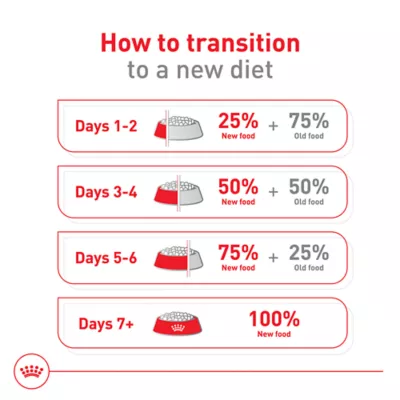
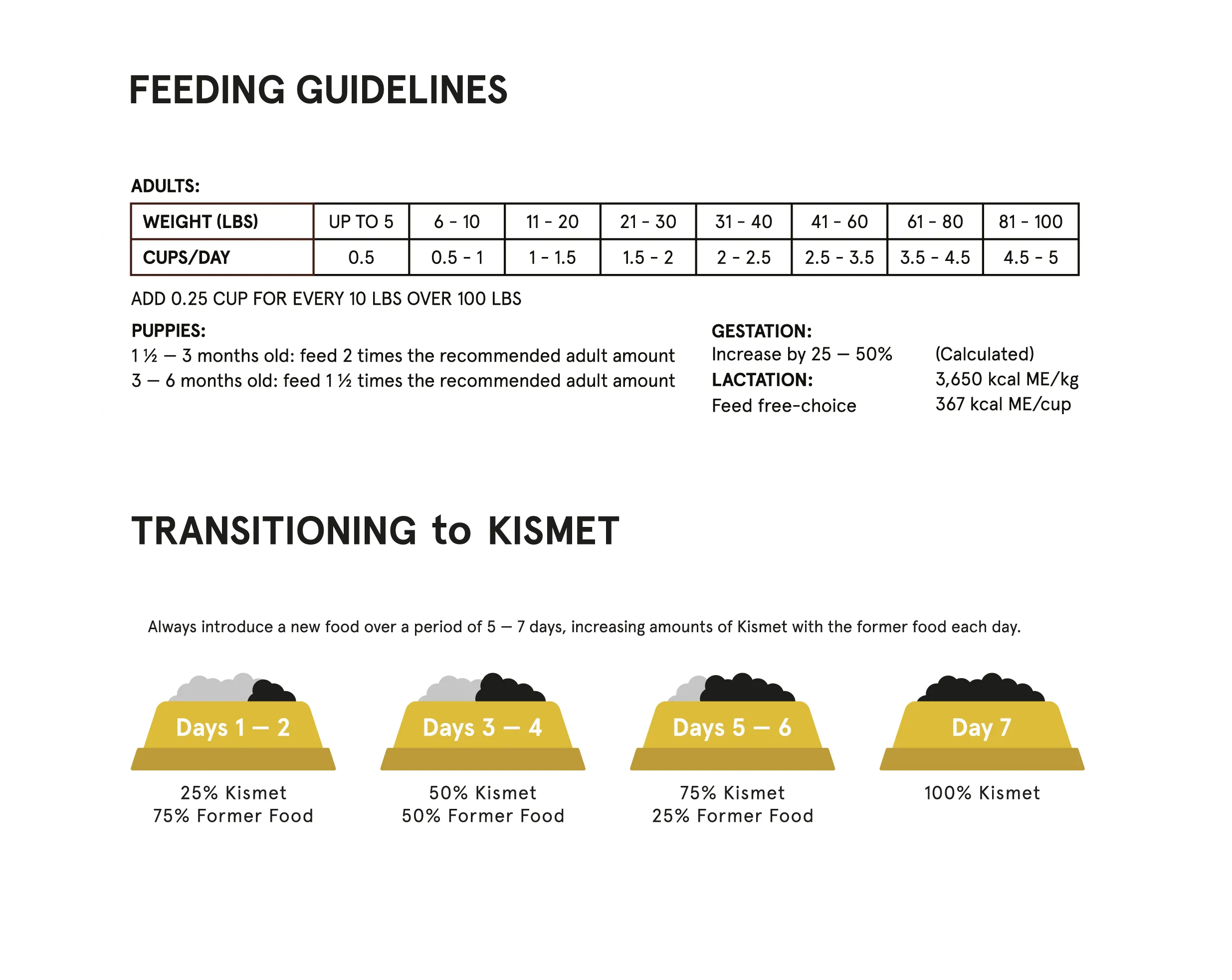
Start by mixing a small amount of adult food with puppy food. Increase adult food slowly over 7 to 10 days. This helps your dog’s stomach adjust without upset.
Monitoring Reactions
Watch your dog closely during the change. Look for signs like vomiting, diarrhea, or loss of appetite. If these happen, slow down the transition or consult a vet.
Adjusting Portions
Adult food has different nutrition and calories than puppy food. Feed the right amount based on your dog’s weight and activity. Adjust portions as needed to keep your dog healthy and fit.

Credit: www.reddit.com
Common Mistakes To Avoid
Transitioning your dog to adult food is an important step. Many pet owners make mistakes that can affect their dog’s health. Avoiding these common errors helps your dog adjust smoothly and stay healthy.
Understanding what to avoid makes the switch easier. Keep your dog’s comfort and nutrition in mind during this change.
Switching Too Quickly
Changing food suddenly can upset your dog’s stomach. Dogs need time to adjust to new ingredients. Mix old and new food gradually over 7 to 10 days. This helps prevent diarrhea and vomiting. Slow transition supports better digestion and acceptance.
Ignoring Health Issues
Health problems can affect food choices. Signs like weight loss, itching, or diarrhea need attention. Consult a vet before changing your dog’s diet. Ignoring these issues might worsen your dog’s condition. A vet can recommend the best adult food for your dog’s needs.
Overfeeding
Adult food has more calories than puppy food. Feeding too much causes weight gain and health risks. Follow the feeding guidelines on the package. Monitor your dog’s weight and adjust portions accordingly. Healthy weight keeps your dog active and happy.
Special Cases
Some dogs need special care when changing their food. Size, age, and health affect the right time for the switch. Knowing your dog’s needs helps make the change smooth and healthy.
Large Breeds
Large breed puppies grow fast but need careful nutrition. Switch to adult food between 12 and 18 months old. Their bones need time to strengthen. Adult food supports joint health and proper weight.
Small Breeds
Small breed dogs mature quicker than big dogs. They often switch to adult food around 9 to 12 months. Their metabolism is faster, so adult food helps keep energy steady. Choose food made for small dogs.
Senior Dogs
Older dogs need different nutrients than adults. Senior dogs may need less calorie-dense food. Transition slowly to senior dog food around 7 years old. This supports their aging joints and digestion.
Credit: www.petsmart.com
Veterinarian Advice
Veterinarians play a key role in deciding when to switch your dog to adult food. They know your pet’s health history and growth needs. Their advice helps ensure your dog gets the right nutrition at the right time.
Regular Check-ups
Regular vet visits track your dog’s growth and health. These check-ups help spot when your dog is ready for adult food. Weight, energy levels, and dental health are checked during visits. The vet may suggest the best time to change the diet based on these factors.
Tailored Diet Plans
Each dog has unique needs. Vets create diet plans that fit your dog’s breed, size, and activity level. They recommend specific adult dog food formulas. This personalized plan supports healthy growth and prevents nutrition gaps.
Supplements And Add-ons
Sometimes adult dogs need extra nutrients. Veterinarians may suggest supplements or special food add-ons. These can improve joint health, coat shine, or digestion. Following vet advice ensures your dog stays healthy after the diet switch.
Credit: www.fetchpet.com
Frequently Asked Questions
When Should I Switch My Puppy To Adult Dog Food?
Most dogs transition to adult food between 12 to 18 months. Large breeds may take longer. Consult your vet for precise timing.
What Signs Indicate My Dog Needs Adult Food?
Signs include slowed growth, reduced activity, and changes in weight. Your vet can help confirm readiness for adult food.
Can I Mix Puppy And Adult Food During Transition?
Yes, gradually mix increasing amounts of adult food over 7-10 days. This helps avoid digestive upset during the switch.
Is Adult Dog Food Suitable For All Dog Breeds?
Adult dog food is formulated for general adult nutrition. Breed-specific needs may require specialized diets or vet advice.
Conclusion
Choosing the right time to switch your dog to adult food matters a lot. Most dogs are ready around one year old, but size and breed can change that. Watch your dog’s growth and energy levels closely. A smooth change helps avoid tummy troubles and keeps your dog happy.
Always check with your vet if you are unsure. Feeding the right food supports your dog’s health every day. Keep your furry friend strong and full of life with the best nutrition. Simple steps make a big difference for your dog’s future.


