

Are you thinking about breeding dogs in California? Before you take any steps, it’s important to know the laws that might affect you.
Dog breeding might seem simple, but in California, there are strict rules you need to follow. Breaking these laws could lead to serious trouble for you and your furry friends. You’ll discover whether dog breeding is legal in California, what rules apply, and how to stay on the right side of the law.
Keep reading to protect yourself and ensure the best care for your dogs.
California Dog Breeding Laws
California has strict laws about dog breeding. These rules protect dogs from abuse and poor living conditions. The state wants to ensure breeders treat animals with care and respect. Understanding these laws helps breeders follow the rules and keep dogs safe.
State Regulations On Breeding
California limits the number of dogs a breeder can own. Breeders must provide clean and safe spaces for dogs. The law bans cruelty and neglect in dog breeding. Regular inspections check if breeders follow these rules. Violations can lead to fines or losing the right to breed dogs.
Licensing Requirements
All dog breeders in California need a license. This license proves the breeder meets state standards. To get a license, breeders must submit an application. They must also pay a fee and agree to inspections. Keeping the license requires ongoing compliance with laws.
Breeder Registration Process
Breeders must register with the California Department of Agriculture. The process starts by filling out forms online or on paper. Breeders provide details about their kennel and dogs. The state reviews the application carefully. Approved breeders receive a registration certificate to display.
Restrictions On Breeding Practices
California enforces strict rules on dog breeding to protect animal welfare. These restrictions help ensure breeders maintain safe and humane conditions. The laws focus on how many dogs a breeder can have, their health care, and banned activities. Understanding these rules is important for anyone involved in dog breeding in California.
Limits On Number Of Dogs
California sets a cap on how many dogs a breeder can keep. This limit stops overcrowding and poor living conditions. Breeders must follow local and state laws about dog numbers. Exceeding these limits can lead to fines or business closure.
Health And Welfare Standards
Breeders must provide proper food, water, and shelter for dogs. Regular veterinary care is required to keep dogs healthy. Puppies must be socialized and not kept isolated. These standards help avoid cruelty and neglect.
Prohibited Breeding Activities
Some breeding practices are banned in California. Breeders cannot use harmful methods or breed dogs with serious health issues. Puppy mills and unlicensed breeding operations are illegal. These bans protect dogs from suffering and abuse.
Penalties For Illegal Breeding
Illegal dog breeding in California has serious penalties. These laws protect animals and ensure breeders follow strict rules. Breaking these laws can lead to heavy fines, loss of animals, and even jail time.
Understanding these penalties helps breeders avoid trouble. It also helps the public know the risks involved in illegal breeding.
Fines And Legal Consequences
Fines for illegal dog breeding can be very high. California may charge thousands of dollars for each violation. These fines aim to discourage breeders from ignoring the law. Repeat offenders face even larger fines and harsher penalties. Legal consequences can include court orders to stop breeding activities. Breeders might also lose their license or permits.
Animal Seizure And Shelter
Authorities can seize dogs from illegal breeders. Animals are taken to shelters or rescue groups. This protects dogs from poor conditions and abuse. Owners may lose all rights to their animals. Seized dogs often get medical care and new homes. The cost of caring for these animals may be charged to the breeder.
Criminal Charges Possibility
Illegal breeding can lead to criminal charges. These charges vary depending on the case severity. Some breeders face misdemeanors, while others face felonies. Penalties may include jail time and probation. Criminal records can harm future breeding or pet-related businesses. The law treats animal cruelty and neglect seriously.

Credit: www.mercurynews.com
Exceptions And Special Cases
California law restricts dog breeding to protect animal welfare. Yet, certain exceptions and special cases allow some breeding activities under specific conditions. These exceptions help balance regulation and responsible dog care. Understanding these cases clarifies what is legal and what is not.
Hobby Breeders Vs. Commercial Breeders
Hobby breeders breed dogs mainly for personal interest. They usually have a small number of dogs. These breeders often follow state rules carefully. Commercial breeders operate on a larger scale. They breed dogs for profit and sell many puppies. California laws focus more on commercial breeders. Hobby breeders face fewer restrictions but must still ensure animal welfare.
Rescue Organizations
Rescue groups sometimes breed dogs to save specific breeds. Their goal is to improve the breed’s health and numbers. These organizations must meet strict requirements. They focus on the well-being of dogs, not profit. Rescue groups often work with shelters to find homes for dogs. Their breeding is limited and carefully monitored.
Breeding For Service Animals
Breeding dogs for service work is a special case. These dogs assist people with disabilities. Breeders must follow strict guidelines to ensure quality. The dogs need good health, training, and behavior. California allows this breeding under strict controls. It supports the needs of people relying on service dogs.
How To Legally Breed Dogs In California
Breeding dogs legally in California requires following clear rules. These rules protect dogs and buyers. Understanding the process helps breeders avoid legal troubles. This section explains how to breed dogs legally in California.
Steps To Obtain A License
First, register with the California Department of Agriculture. You must apply for a breeder’s license. Provide details about your breeding location and facilities. Pass an inspection to confirm proper care for dogs. Pay the required fees during the application. Renew your license yearly to keep it valid.
Maintaining Compliance
Keep clean and safe living spaces for your dogs. Provide enough food, water, and shelter. Follow health care rules and vaccinations for your dogs. Keep accurate records of all breeding activities. Allow inspectors to visit your facility anytime. Address any violations quickly to avoid penalties.
Resources For Breeders
Use the California Department of Agriculture website for guides and forms. Join local breeder associations for support and advice. Attend workshops and training to learn best practices. Connect with vets to ensure your dogs stay healthy. Stay updated on laws to keep your license.

Credit: todaysveterinarynurse.com
Impact On Dog Buyers And Sellers
The impact of dog breeding laws in California affects both buyers and sellers deeply. Buyers want healthy dogs from trusted sources. Sellers must follow rules to avoid legal trouble and protect their reputation. These laws aim to stop cruelty and fraud in dog breeding. Understanding these effects helps everyone make safer choices.
Buyer Protection Laws
California has laws to protect dog buyers. Sellers must give clear health records and guarantees. Buyers can return sick puppies within a set time. These rules help buyers avoid fraud and unhealthy pets. They make buying dogs safer and more honest.
Avoiding Puppy Mills
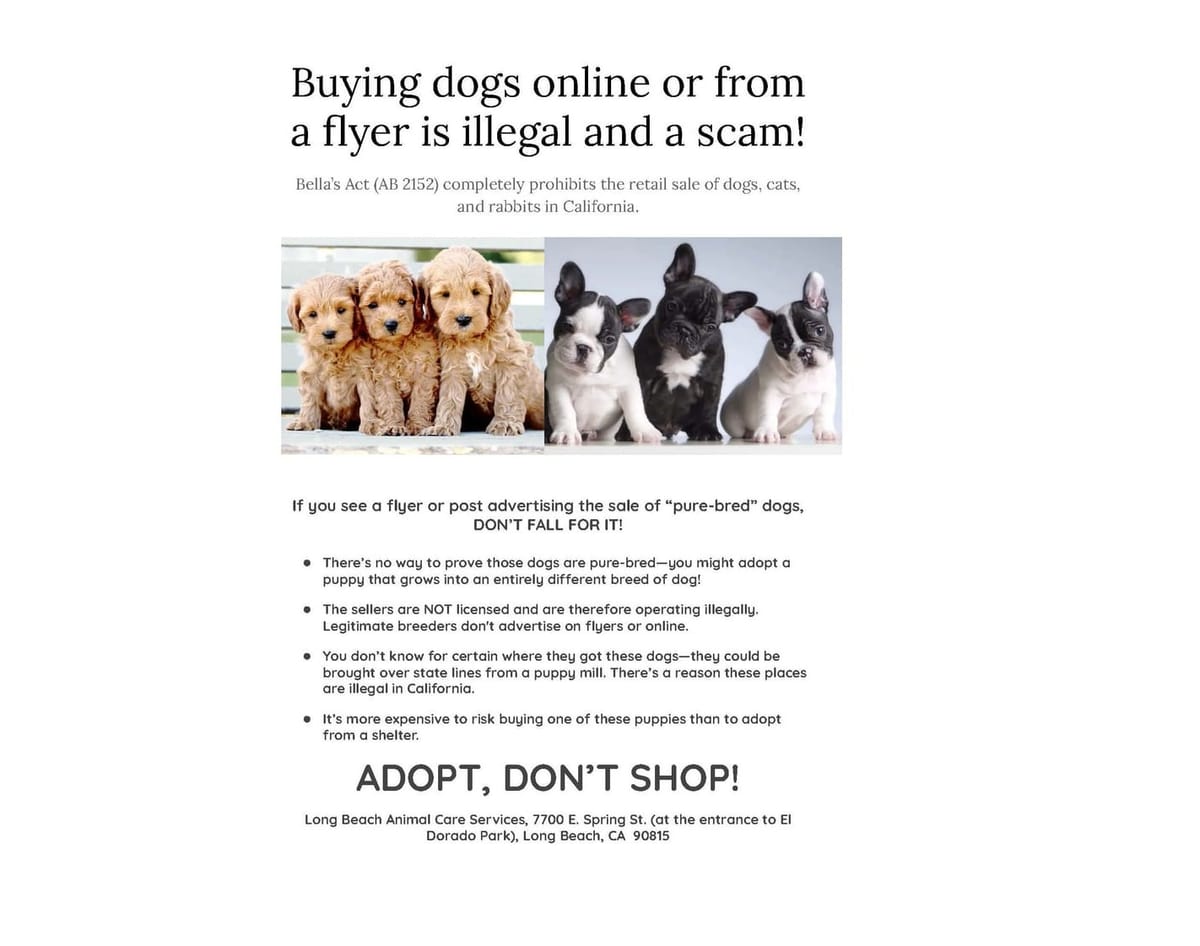
Puppy mills are places where dogs live in bad conditions. Laws in California fight these mills by banning illegal breeding. Buyers should check breeders carefully before buying. Avoiding puppy mills means better health and happier dogs. Responsible sellers follow the law and care for their dogs.
Reporting Illegal Breeders
People can report illegal breeders to local authorities. This helps stop cruelty and protect future dogs. Reports can be made online or by phone. Authorities investigate and take action against bad breeders. Reporting helps keep dog buying safe and fair for all.
Credit: lbwatchdog.com
Frequently Asked Questions
Is Dog Breeding Legal In California?
Dog breeding is legal in California but heavily regulated. Breeders must follow strict state laws to ensure animal welfare and proper licensing.
What Are California’s Dog Breeding Regulations?
California requires breeders to obtain permits and meet health and safety standards. They must provide humane care and avoid puppy mills.
Can Unlicensed Dog Breeding Lead To Penalties?
Yes, unlicensed breeding can result in fines, business closure, and legal action. California enforces laws to prevent unethical breeding practices.
Are There Limits On How Many Dogs Can Be Bred?
California limits breeding operations to control overcrowding and neglect. These limits help protect dogs from poor living conditions.
Conclusion
Dog breeding faces strict rules in California. Many practices are controlled by law. These laws protect dogs from harm and poor treatment. Breeders must follow licensing and care standards. Illegal breeding can lead to fines or jail time. Knowing the rules helps keep dogs safe.
Responsible breeding supports healthy, happy pets. Always check local laws before breeding dogs. This way, you avoid problems and protect animals. Staying informed is key to good dog care.


