

Are you thinking about bringing a new furry friend into your life? Understanding what a dog breeder does can help you make the best choice for your future pet.
A dog breeder is more than just someone who sells puppies—they play a key role in raising healthy, happy dogs. If you want to know how to find a responsible breeder or why it matters, keep reading. This guide will give you clear answers and practical tips to ensure your new companion starts life on the right paw.

Credit: www.youtube.com
Role Of A Dog Breeder
The role of a dog breeder is important for the health and quality of dogs. Breeders work hard to keep good traits in dog breeds. They help improve dogs’ health, behavior, and appearance. Their work shapes the future of the breed.
Breeders follow rules and standards to keep dogs safe and happy. They must be careful and responsible in every step. From choosing parents to raising puppies, breeders play a big role in each stage.
Breeding Goals And Standards
Dog breeders set clear goals for their breeding program. They focus on traits like size, coat, and temperament. Health is a top priority to avoid passing diseases. Breeders follow breed standards made by official clubs. These rules help keep the breed consistent and strong.
Selecting Parent Dogs
Choosing the right parent dogs is very important. Breeders look for dogs with good health and strong traits. They test for genetic problems to prevent sickness in puppies. Parents must have good behavior and strong bodies. This helps produce healthy and happy puppies.
Raising Puppies
Raising puppies needs care and attention every day. Breeders give proper food, warmth, and clean space. Puppies learn social skills from their mother and humans. Early care helps puppies grow strong and confident. Good breeders watch puppies closely to keep them healthy.
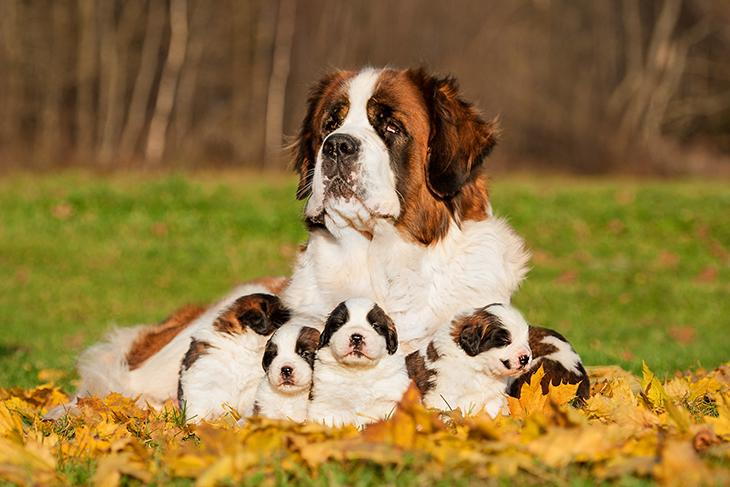
Credit: www.denison-vet.com
Types Of Dog Breeders
Dog breeders come in different types, each with unique goals and methods. Understanding these types helps you choose a responsible breeder. The main categories include hobby breeders, professional breeders, and puppy mills. Each type impacts the health and well-being of dogs differently.
Hobby Breeders
Hobby breeders breed dogs as a passion, not for profit. They usually have a small number of dogs. Their focus is on maintaining breed standards and good health. These breeders spend time caring for dogs and puppies. They often participate in dog shows and clubs.
Professional Breeders
Professional breeders run breeding as a business. They breed dogs regularly and aim to sell puppies. These breeders usually have more dogs than hobby breeders. They follow strict breeding guidelines to ensure quality. Many professional breeders work with veterinarians to keep dogs healthy.
Puppy Mills
Puppy mills prioritize profit over dog welfare. They often keep many dogs in poor conditions. Health and social needs of dogs are often ignored. Puppies from mills may have health and behavior problems. Avoiding puppy mills helps support ethical breeding practices.
Health And Genetic Testing
Health and genetic testing play a big role in responsible dog breeding. These tests help breeders ensure puppies are healthy and free from certain diseases. They also reduce the risk of passing genetic problems to future generations. Good breeders use these tests to protect dogs and buyers alike.
Common Health Tests
Breeders often test for hip and elbow dysplasia. These are joint problems common in many dog breeds. Eye exams check for hereditary eye diseases. Heart tests find heart conditions early. Some breeds need specific tests for genetic disorders.
Preventing Genetic Disorders
Genetic testing helps find hidden risks in a dog’s DNA. Breeders avoid mating dogs with the same harmful genes. This lowers chances of puppies having serious health issues. Careful selection helps keep breeds strong and healthy.
Importance Of Health Screening
Health screenings protect dogs and their families. Early detection of problems allows better treatment. Breeders build trust by sharing test results openly. These screenings show a commitment to responsible breeding practices.
Ethical Breeding Practices
Ethical breeding practices are the foundation of good dog breeding. They ensure dogs are healthy, happy, and well cared for. Ethical breeders focus on more than just producing puppies. They take responsibility for the animals’ well-being throughout their lives.
Ethical breeding means respecting the dogs’ health and temperament. It helps prevent genetic diseases and behavioral issues. Breeders who follow these practices contribute positively to the dog community and society.
Responsible Breeding
Responsible breeding involves choosing parent dogs carefully. Breeders test for health problems and select dogs with good temperaments. They aim to improve the breed and avoid passing on genetic diseases. Each breeding decision is made with care and knowledge.
Socialization And Care
Good breeders provide early socialization for puppies. They expose puppies to people, sounds, and different environments. This helps puppies grow into well-adjusted adult dogs. Proper care includes regular feeding, clean spaces, and veterinary check-ups.
Avoiding Overbreeding
Ethical breeders avoid overbreeding their dogs. They allow time for recovery between litters. Overbreeding can harm the mother’s health and reduce the quality of puppies. Limiting the number of litters ensures better care for every dog.
Finding A Reputable Breeder
Finding a reputable dog breeder is important for getting a healthy, well-socialized puppy. A good breeder cares deeply about the dogs and breeds with responsibility. They follow ethical practices and provide a safe environment for their animals. Taking time to find the right breeder ensures your new dog has the best start in life.
Questions To Ask
Ask about the health tests done on the parents. Inquire how often the puppies see a vet. Find out if the breeder offers a health guarantee. Ask about the puppy’s socialization and early training. Check if the breeder supports you after adoption.
Red Flags To Watch For
A breeder who refuses to show health records is suspicious. Avoid those who have many litters available at once. Be careful if the breeder pressures you to buy quickly. Poor living conditions or dirty areas are warning signs. Watch out for breeders who do not answer your questions clearly.
Visiting The Breeder
Plan a visit to see the puppies and parents in person. The area should be clean and spacious. Observe how the dogs behave and interact. The breeder should be open and willing to show everything. Meeting the dogs helps you judge their temperament and health.
Legal And Registration Aspects
Legal and registration aspects are important in dog breeding. They help ensure breeders follow rules and protect buyers. These rules vary by location and breed clubs. Understanding these aspects helps buyers trust breeders and get healthy puppies.
Breeder Licensing
Many places require dog breeders to have a license. This license shows the breeder meets local laws. Licensing helps prevent puppy mills and poor care. It often includes inspections of the breeding facility. Licensed breeders must keep good records and follow animal welfare rules.
Dog Registration And Pedigrees
Registered dogs have official papers proving their breed. Pedigrees show a dog’s family tree and purebred status. These documents come from recognized clubs or kennel organizations. They help buyers know the dog’s history and health background. Registration also helps breeders track genetics and avoid inbreeding.
Contracts And Guarantees
Good breeders use contracts to protect both parties. Contracts state the buyer’s and breeder’s responsibilities. They often include health guarantees for the puppy. These guarantees cover genetic diseases or initial health problems. Clear contracts build trust and set expectations for care and return policies.
Impact On Pet Owners
The impact of choosing a dog breeder reaches far beyond bringing a puppy home. Pet owners face important decisions that affect their lives and the puppy’s well-being. Understanding this impact helps owners prepare for the journey ahead.
Choosing The Right Puppy
Picking a puppy is more than just liking how it looks. The right breeder offers healthy, well-socialized puppies. They provide clear information about the puppy’s parents and background. This helps pet owners find a dog that fits their lifestyle and needs.
Long-term Responsibilities
Owning a dog means commitment for many years. A responsible breeder shares advice on care, training, and health. Pet owners must plan for time, money, and love to keep their dog happy. Knowing this before getting a puppy avoids future problems.
Supporting Ethical Breeding
Ethical breeders prioritize the health and welfare of dogs. Pet owners who choose ethical breeders support better standards in dog breeding. This helps reduce health issues and poor treatment of animals. It also encourages more breeders to follow good practices.

Credit: www.crockettdoodles.com
Frequently Asked Questions
What Does A Dog Breeder Do?
A dog breeder carefully selects dogs to mate, aiming to produce healthy puppies. They focus on traits like temperament, health, and breed standards. Breeders ensure proper care and socialization for puppies before selling them to responsible owners.
How To Find A Reputable Dog Breeder?
Look for breeders who prioritize health testing and ethical practices. Check reviews, ask for references, and visit their facilities. Reputable breeders provide health guarantees and support new owners. Avoid breeders with poor conditions or those who rush puppy sales.
Why Choose A Dog Breeder Over Adopting?
Breeders offer specific breeds with predictable traits and lineage. They provide detailed health histories and early socialization. Adopting saves lives but may lack breed certainty. Choosing a breeder suits those wanting particular breed characteristics and temperament.
Are Dog Breeders Regulated By Law?
Regulations vary by location but many regions require licenses for breeders. Laws often cover animal welfare, breeding limits, and facility standards. Responsible breeders comply with these rules to ensure ethical treatment and quality care for dogs.
Conclusion
A dog breeder helps bring healthy puppies into the world. They care for dogs and choose the best mates. Good breeders focus on health, behavior, and breed standards. Knowing what a breeder does helps you find a happy, healthy dog.
Always ask questions and learn about the breeder’s work. This way, you can make a smart choice. Puppies from responsible breeders have a better start in life. Understanding breeders helps you appreciate the effort behind every dog.


