

Are you tired of finding dog hair on your clothes, furniture, and everywhere in between? If you’ve ever wondered which dog breeds shed the most, you’re not alone.
Knowing which dogs leave the biggest fur trail can save you time, frustration, and a lot of cleaning. You’ll discover the breeds that shed heavily and what that means for your home and lifestyle. Keep reading to find out if your dream dog might come with a surprise amount of shedding—and how to handle it!
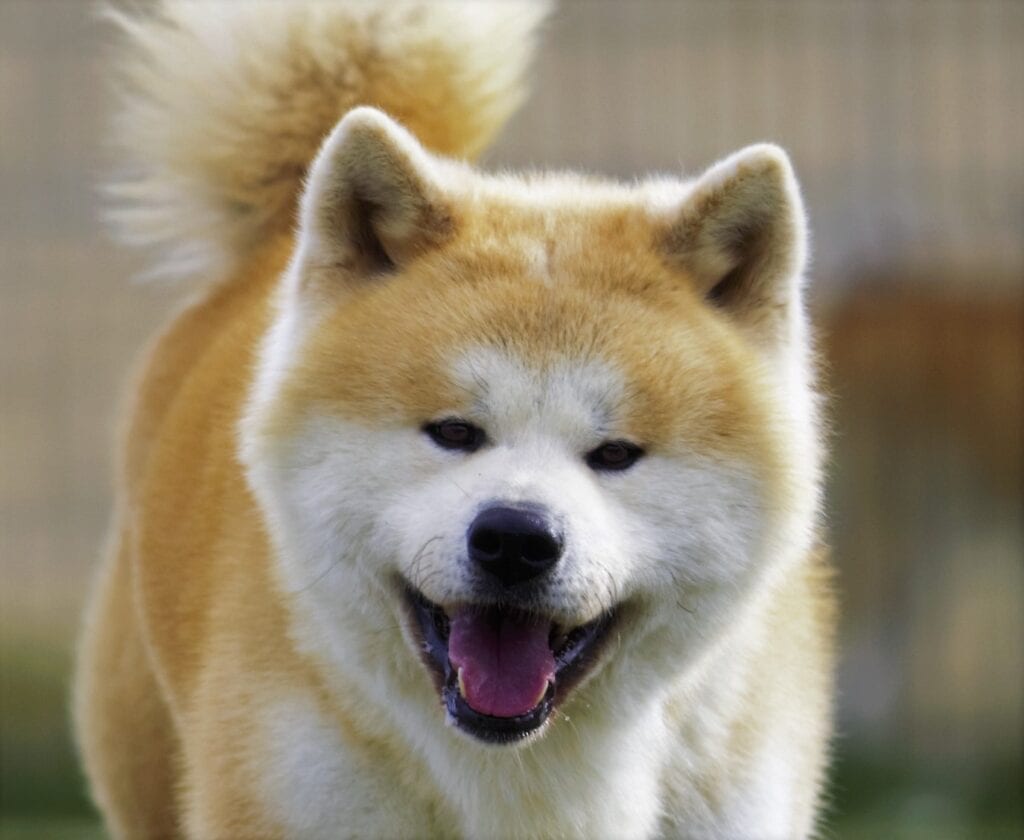
Credit: iheartdogs.com
High-shedding Dog Breeds
Some dog breeds shed more than others. These dogs lose a lot of hair all year or during certain seasons. High-shedding breeds often have thick coats or double layers. Their fur can cover floors, clothes, and furniture quickly. Knowing which dogs shed the most helps prepare for pet care and cleaning.
Labrador Retriever
Labradors have short, dense coats. They shed heavily, especially in spring and fall. Their fur is oily, which helps repel water. Regular brushing reduces loose hair and keeps their coat healthy. Labs are friendly and active, but expect fur on clothes and floors.
German Shepherd
German Shepherds have thick double coats. Their undercoat sheds heavily twice a year. Daily brushing helps manage shedding. These dogs need grooming to avoid mats and hair buildup. German Shepherds are smart and loyal but require extra grooming effort.
Golden Retriever
Golden Retrievers have long, thick fur. They shed year-round with heavier loss in spring. Their fur can get tangled without regular brushing. Grooming keeps their coat shiny and reduces shedding. Goldens are gentle and loving but leave lots of hair behind.
Siberian Husky
Siberian Huskies have thick double coats. They shed heavily in spring and fall. Their fur is soft and dense, perfect for cold climates. Brushing often controls loose hair and prevents mats. Huskies are energetic and strong, but expect a lot of shedding.
Alaskan Malamute
Alaskan Malamutes have thick, dense coats. They shed a lot, especially during seasonal changes. Frequent grooming is needed to manage fur. Their heavy shedding matches their Arctic heritage. Malamutes are powerful dogs that require time to keep their coat clean.

Credit: cuddleclones.com
Factors Influencing Shedding
Shedding varies among dog breeds. Several factors influence how much a dog sheds. Knowing these can help manage shedding better. Understanding these factors helps keep your home cleaner and your dog healthier.
Seasonal Changes
Dogs shed more during certain seasons. Many dogs lose their thick winter coat in spring. This process helps them stay cool in summer. In fall, some dogs shed lighter summer hair for a thicker coat. These changes depend on daylight and temperature. Shedding may increase or decrease with the seasons.
Diet And Nutrition
A dog’s diet affects its coat health. Poor nutrition can cause dry, brittle fur that falls out more. High-quality food with essential fats supports a shiny coat. Omega-3 and Omega-6 fatty acids reduce excessive shedding. Fresh water is also important for skin and hair health.
Health And Skin Conditions
Health problems often increase shedding. Allergies can make a dog scratch and lose fur. Parasites like fleas irritate the skin and cause hair loss. Hormone imbalances may lead to uneven shedding. Regular vet check-ups help catch and treat these issues early.
Managing Excessive Shedding
Managing excessive shedding helps keep your home clean and your dog comfortable. Shedding happens naturally, but some breeds shed more. Taking steps to control shedding reduces loose hair around your house and on your clothes. It also supports your dog’s skin and coat health.
Regular care can make a big difference. Using the right techniques and tools helps remove loose fur before it falls. Proper bathing and skin care keep your dog’s coat strong and less prone to shedding.
Regular Grooming Techniques
Brush your dog often to remove dead fur. Daily brushing works best for heavy shedders. Use gentle strokes to avoid hurting the skin. Focus on areas with thick fur or mats. Check for skin problems during grooming sessions. Grooming also helps reduce hair buildup inside your home.
Best Tools For Shedding Control
Choose brushes designed for shedding. Slicker brushes remove loose hair and dirt. Undercoat rakes reach deeper layers of fur. Deshedding tools pull out dead hair without cutting healthy fur. Use combs to detangle knots and mats. Pick tools that suit your dog’s coat type for best results.
Bathing And Skin Care Tips
Bath your dog regularly but not too often. Use gentle shampoos made for dogs with sensitive skin. Rinse thoroughly to avoid residue that causes itching. Dry the coat well to prevent skin problems. Consider conditioners to keep fur soft and healthy. Healthy skin reduces shedding and irritation.
Low-shedding Alternatives
Some dog breeds shed a lot. This can be hard for people who want a cleaner home. Low-shedding dogs offer a good choice. They lose less hair and need less cleaning. These breeds fit well in homes with allergy sufferers. They keep your space tidy and look great.
Breeds With Minimal Shedding
Poodles are well-known for shedding very little. Their curly hair traps loose fur. Bichon Frises also shed very little and have soft coats. Maltese dogs have hair that grows long but sheds minimally. Shih Tzus are another low-shedding breed with silky hair. These dogs need regular grooming to stay healthy.
Hybrid Dogs With Reduced Shedding
Hybrid dogs often mix traits from two breeds. Labradoodles combine Labrador Retrievers and Poodles. They usually shed less than Labradors. Goldendoodles mix Golden Retrievers and Poodles. These dogs often inherit the Poodle’s low-shedding coat. Cockapoos, a mix of Cocker Spaniel and Poodle, shed less too. Hybrids can be great for people wanting less fur around.
Living With A Shedding Dog
Living with a shedding dog means dealing with loose fur daily. Some dog breeds shed a lot, which can affect your home and health. Understanding how to manage shedding helps keep your space clean and comfortable. Simple habits make life easier for you and your pet.
Allergy Considerations
Shedding dogs release dander that can cause allergies. People with allergies may sneeze or have itchy eyes. Regular grooming helps remove loose fur and dander. Using air purifiers reduces airborne allergens. Washing your hands after petting your dog lowers allergy risks. Choose hypoallergenic breeds if allergies are severe.
Home Cleaning Strategies
Cleaning often keeps fur from building up. Vacuum floors and furniture several times a week. Use a vacuum designed for pet hair. Damp cloths or rubber gloves help pick up fur from surfaces. Wash pet bedding regularly to remove hair and dirt. Keep grooming tools handy to brush your dog inside.
Clothing And Furniture Protection
Protect clothes from dog hair by wearing pet-friendly fabrics. Cover sofas and chairs with washable throws or slipcovers. Use lint rollers or sticky tape to remove hair quickly. Keep pet hair off your bed with separate blankets. Train your dog to stay off certain furniture to reduce shedding areas.

Credit: www.purewow.com
Frequently Asked Questions
Which Dog Breeds Shed The Most Fur?
Breeds like Siberian Huskies, German Shepherds, and Golden Retrievers shed the most. Their thick double coats cause heavy shedding. Regular grooming helps manage loose hair and reduces allergens in your home.
How Often Do High-shedding Dogs Lose Hair?
High-shedding dogs typically lose hair year-round. Shedding intensifies during seasonal changes, especially in spring and fall. Frequent brushing minimizes loose fur and keeps their coat healthy.
Can Shedding Be Reduced In Heavy-shedding Breeds?
Yes, shedding can be reduced with regular grooming and a healthy diet. Using de-shedding tools and bathing dogs properly also helps. Maintaining their skin health reduces excessive hair loss.
Are Some Dog Breeds Hypoallergenic Despite Shedding?
Hypoallergenic breeds shed very little or not at all. Examples include Poodles and Bichon Frises. These dogs produce fewer allergens and are better for allergy sufferers.
Conclusion
Some dog breeds shed a lot and need regular grooming. Choosing the right breed helps keep your home clean. Knowing which dogs shed most saves time and effort. Regular brushing reduces loose hair and mess. Dogs with thick coats often shed more in spring and fall.
Understanding shedding helps you care better for your pet. Every dog is different, so watch their shedding patterns. Find a breed that fits your lifestyle and cleaning routine. Shedding is natural but manageable with the right approach.


