

Have you ever caught your dog humping and wondered why they do it? It can be surprising, confusing, or even embarrassing.
But understanding this behavior is important for every dog owner. Your dog’s humping isn’t just about play or excitement—it can mean many different things. By learning what causes this behavior and how to handle it, you can improve your bond and keep your dog happy and healthy.
Keep reading to discover the real reasons behind humping and what you can do about it.
Reasons Behind Humping
Humping is a common behavior in dogs that puzzles many pet owners. It is not always about mating or dominance. Dogs hump for several reasons, each with its own meaning. Understanding these reasons helps you respond better to your dog’s actions.
Hormonal Influences
Hormones play a big role in humping behavior. Intact male and female dogs often hump due to sexual urges. Neutered or spayed dogs can hump too, but less often. Hormonal changes during puberty can increase this behavior.
Play And Excitement
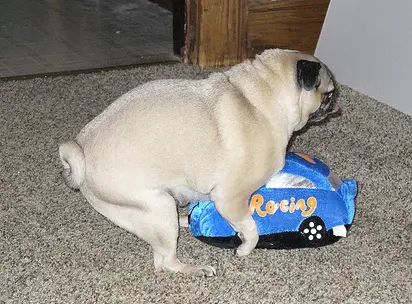
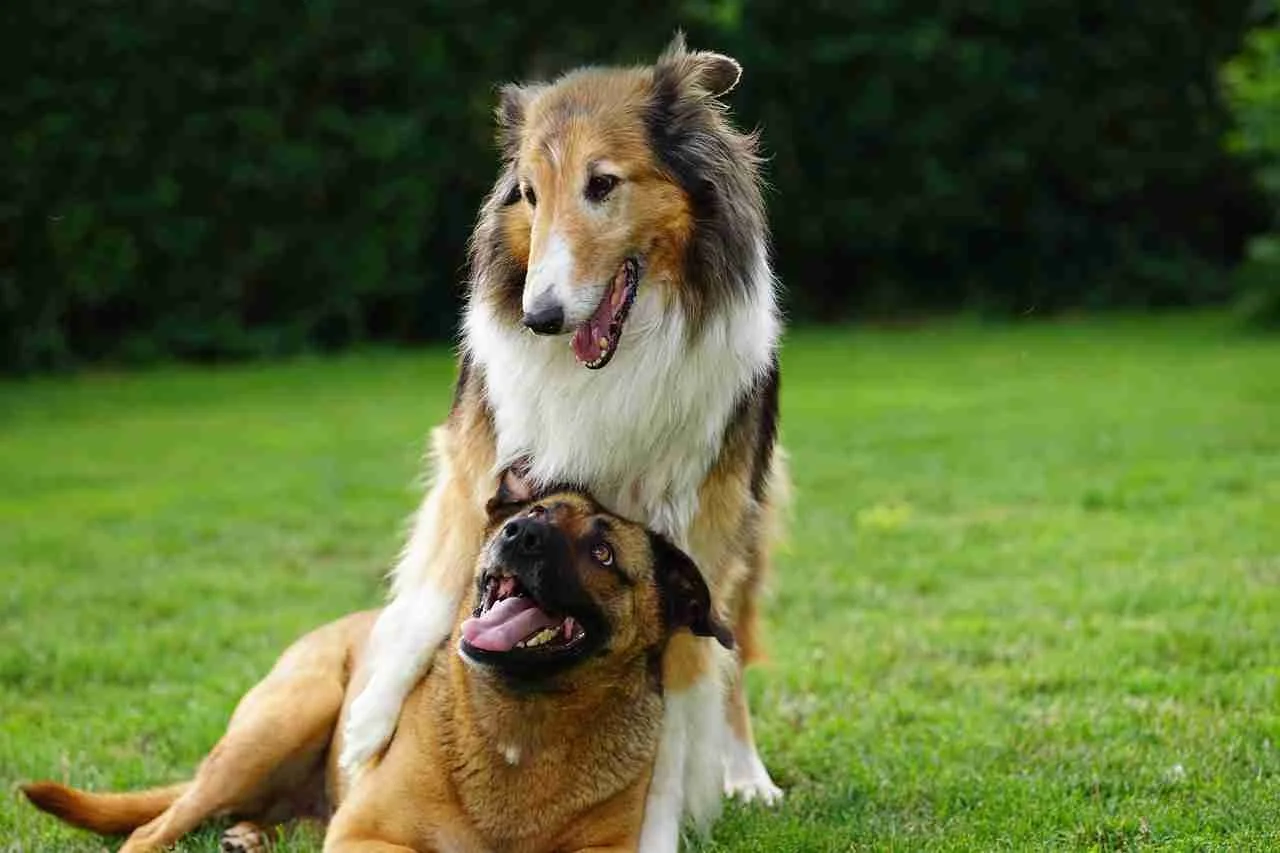
Dogs hump during play or when they are very excited. Puppies and young dogs use it as a way to express joy. It can be part of their social games with other dogs or humans. This behavior is often harmless and short-lived.
Stress And Anxiety
Humping can signal stress or anxiety in dogs. It acts as a coping mechanism to calm themselves. Changes in the environment or routine may trigger this. Watch for other signs of stress to understand your dog’s feelings.
Attention-seeking Behavior
Some dogs hump to get attention from their owners. If they notice it gets a reaction, they repeat it. This behavior can develop if the dog feels ignored or bored. Positive training and playtime reduce this habit.
Medical Conditions
Certain medical issues can cause humping. Urinary tract infections, skin allergies, or irritation may lead to this behavior. If humping is frequent or intense, a vet check is important. Treating the underlying condition often stops the humping.
Credit: www.offleashk9training.com
Signs To Watch For
Humping behavior in dogs often confuses many pet owners. Understanding the signs can help you respond correctly. Watch for patterns and body signals to better grasp your dog’s actions. Not all humping means the same thing. It varies by situation and dog characteristics.
Recognizing these signs early makes managing the behavior easier. It also helps protect your dog’s comfort and your peace of mind. Here are key signs to watch for with humping behavior.
Frequency And Context
Notice how often your dog humps. Is it once in a while or many times daily? Check what happens right before the behavior starts. Is your dog excited, nervous, or trying to play? Sometimes humping happens during greeting or stress. Other times, it occurs out of boredom.
Body Language Cues
Watch your dog’s body during humping. Is the tail wagging or stiff? Are the ears relaxed or pinned back? Look at the eyes for calmness or anxiety. A loose, happy dog is different from a tense, worried one. These clues show how your dog feels during the act.
Age And Breed Factors
Puppies often hump as part of play and learning. Older dogs may hump less or for different reasons. Some breeds show humping more due to energy or temperament. Knowing your dog’s breed traits helps explain this behavior. Age and breed affect how and why humping happens.
Effective Training Techniques
Training a dog to reduce humping behavior needs patience and the right methods. Effective training techniques help guide your dog to better habits. These methods focus on teaching your dog what is acceptable. They also build trust and improve your bond.
Using clear steps makes training easier for both you and your dog. Keep your approach calm and consistent. This helps your dog understand and follow your commands well.
Redirection Strategies
Redirect your dog’s attention from humping to a toy or activity. Offer a chew toy or start a game of fetch. This changes their focus and stops unwanted behavior. Redirection teaches dogs what they can do instead. It prevents frustration and keeps training positive.
Positive Reinforcement
Reward good behavior with treats, praise, or pets. Positive reinforcement encourages your dog to repeat the right actions. Give rewards right after the desired behavior. This helps your dog connect actions with rewards. Avoid punishment, as it can cause fear and confusion.
Consistency In Commands
Use the same commands every time you train your dog. Consistency helps dogs learn faster and remember rules. Make sure all family members use the same words. This avoids mixed signals and prevents confusion. Clear commands help your dog respond properly.
Socialization Benefits
Expose your dog to different people and animals regularly. Socialization reduces anxiety and lowers humping caused by stress. It teaches your dog how to behave in various situations. Well-socialized dogs are calmer and more confident. Social skills help reduce unwanted behaviors over time.
Credit: secondchancehumane.org
Behavioral And Environmental Adjustments
Adjusting your dog’s behavior and environment can reduce unwanted humping. Changes in daily routines and surroundings help your dog feel more balanced. These adjustments target the causes of humping and guide your dog toward better habits.
Exercise And Mental Stimulation
Regular exercise burns off extra energy that may cause humping. Walks, playtime, and training keep your dog active and happy. Mental challenges like puzzle toys or obedience lessons engage your dog’s mind. A tired dog is less likely to hump out of boredom or stress.
Managing Triggers
Identify what causes your dog to hump. It could be excitement, anxiety, or attention-seeking behavior. Remove or limit exposure to these triggers when possible. Redirect your dog’s focus to a toy or a command. Consistent responses teach your dog better ways to act.
Creating A Calm Environment
A peaceful space helps your dog relax and lowers stress levels. Use soft lighting and quiet areas for resting. Avoid loud noises and sudden changes in the home. Calm dogs feel safer and are less likely to hump out of nervousness or excitement.
When To Seek Veterinary Advice
Humping is a common behavior in dogs. It often causes concern for pet owners. Knowing when to seek veterinary advice is important. This helps ensure your dog is healthy and happy.
Humping can sometimes signal health problems or stress. A vet can identify if there is an underlying issue. Early action can prevent more serious problems. Read on to learn when to contact your vet.
Identifying Medical Issues
Some medical problems cause humping in dogs. Urinary tract infections may lead to discomfort and humping. Allergies or skin irritation can trigger this behavior. Hormonal imbalances might also be a factor. A vet can check for these health concerns. Prompt diagnosis helps your dog feel better fast.
Behavioral Consultations
Humping can be a sign of stress or anxiety. Dogs sometimes hump to release nervous energy. A vet may suggest a behavioral consultation. Professionals can help identify triggers for your dog. Training or environmental changes can improve behavior. Early intervention supports your dog’s well-being.
Possible Treatments
Treatment depends on the cause of humping. Medical issues may require medication or therapy. Behavioral problems might need training or calming techniques. Your vet will create a plan suited to your dog. Follow the advice closely for best results. This helps reduce unwanted humping and improves quality of life.
Expert Tips For Owners
Dealing with humping behavior in dogs can be challenging. Owners need practical advice to handle this natural but sometimes awkward behavior. Understanding and patience are key to helping your dog. Here are expert tips that make a difference.
Patience And Understanding
Dogs hump for many reasons, such as excitement or stress. React calmly and avoid punishing your dog. Sudden punishment can increase anxiety and make behavior worse. Observe when and why your dog humps. This helps you respond better.
Routine Establishment
Dogs thrive on routine. Set regular times for walks, play, and rest. Exercise helps reduce excess energy that can lead to humping. Consistent training sessions build good habits. Clear rules and schedules create a stable environment for your dog.
Using Professional Resources
Professional trainers and vets offer valuable advice. Trainers teach ways to redirect your dog’s behavior. Vets check for medical issues causing humping. Seek help early to prevent problems from growing. Experts provide support tailored to your dog’s needs.

Credit: www.aol.com
Frequently Asked Questions
Why Do Dogs Hump Objects Or People?
Dogs hump as a natural behavior for play, stress relief, or dominance. It can also be a sign of excitement or anxiety. Understanding the cause helps address the behavior properly without punishing the dog unfairly.
Is Humping In Dogs A Sign Of Aggression?
Humping is rarely aggressive. It usually indicates excitement, stress, or social behavior. Aggression involves growling, snapping, or biting, which is different from humping. Observing the dog’s body language helps distinguish harmless humping from aggressive actions.
Can Neutering Reduce Humping Behavior In Dogs?
Neutering can reduce humping caused by hormonal drives. However, it may not stop humping related to stress, play, or learned habits. Combining neutering with training and behavior modification is most effective in managing excessive humping.
How Can I Stop My Dog From Humping Guests?
Redirect your dog’s attention with toys or commands when humping occurs. Consistent training and calm reinforcement help discourage the behavior. Avoid punishment, as it may increase anxiety and worsen humping.
Conclusion
Humping is a common behavior in dogs. It can show excitement, stress, or playfulness. Understanding why your dog humps helps you respond well. Training and patience reduce unwanted humping. Observe your dog’s mood and environment closely. Stay calm and consistent with your actions.
This helps your dog learn better habits. Remember, humping is natural but can be managed. Care and attention improve your dog’s comfort. Keep learning about your dog’s needs every day.


