

Have you ever felt worried or unsure about your dog’s behavior around other dogs? Dealing with an aggressive dog on dog behavior can be stressful and confusing.
You want your furry friend to be happy and safe, but when aggression shows up, it can feel overwhelming. What causes this behavior? How can you handle it without making things worse? This article will guide you step-by-step, giving you clear answers and practical tips.
By the end, you’ll feel more confident and in control of your dog’s interactions. Keep reading to discover what triggers aggression and how you can turn things around for your dog’s well-being.
Causes Of Dog Aggression
Dog aggression can be confusing and scary for owners. Understanding the reasons behind aggressive behavior helps manage and reduce it. Dogs may act aggressively for different causes. Knowing these causes is the first step to better behavior.
Genetic Factors
Some dogs inherit traits that make them more likely to show aggression. Breeds developed for protection or guarding can have stronger instincts. Genes influence how a dog reacts to threats or strangers.
Lack Of Socialization
Dogs that do not meet other dogs or people early may feel scared. Fear can turn into aggression if a dog feels threatened. Socialization helps dogs learn to stay calm in new situations.
Fear And Anxiety
Fear often triggers aggressive actions. Dogs protect themselves by growling or biting when anxious. Stressful environments or loud noises can increase fear and aggression.
Territorial Behavior
Dogs guard their space to feel safe. They may growl or snap if someone enters their territory. Protecting home or yard can lead to aggressive acts.
Resource Guarding
Dogs may become aggressive to protect food, toys, or resting spots. Guarding helps them keep valuable items safe. This behavior can cause conflicts with people or other pets.
Pain And Health Issues
Illness or injury can make dogs irritable and aggressive. Pain lowers their tolerance for touch or movement. Regular vet visits help catch problems early to reduce aggression.
Recognizing Aggressive Behavior
Aggressive behavior in dogs can be hard to spot at first. Learning to recognize signs early helps keep everyone safe. Dogs show aggression through many clues. Watching closely helps you understand what your dog feels.
Some signals are easy to miss. Others are clear warnings. Knowing these signs helps you act quickly and calmly.
Body Language Signals
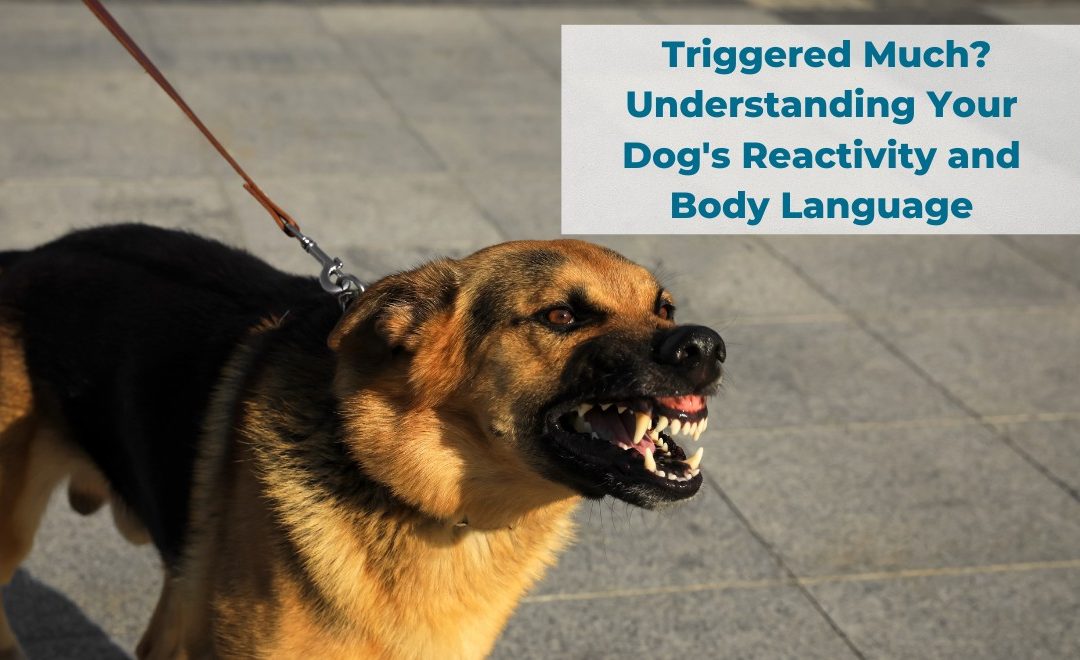
Body language shows a dog’s mood clearly. Stiff posture means tension and possible aggression. Raised hackles, or hair along the back, tell you the dog feels threatened. A fixed stare can be a warning. Ears pinned back or flat against the head often mean fear or anger. Tail position is important. A high, stiff tail can mean dominance. A low or tucked tail signals fear but can lead to aggression too.
Vocalizations And Growling
Growling is a direct warning. It means the dog feels unsafe or angry. Barking can also show aggression, especially sharp, loud barks. Snarling, with lips pulled back to show teeth, is a clear sign of aggression. Some dogs may whine or yelp before becoming aggressive. Pay attention to changes in how your dog sounds. Quiet dogs that suddenly growl or bark loudly need extra care.
Physical Actions To Watch For
Physical actions often follow warning signs. Lunging towards a person or animal is a serious sign. Snapping or biting is aggressive behavior. Raised front paws or jumping can be playful but also a warning. Watch for stiff movements or sudden shifts in position. Freezing in place with hard eyes can mean the dog is ready to attack. Avoid provoking dogs showing these actions.
Differences Between Play And Aggression
Playful dogs show relaxed body language. Wagging tails and loose movements mean fun. Play barks are higher pitched and less intense. Aggressive dogs have tense bodies and hard stares. Their growls are deeper and louder. Play often includes bowing with front legs stretched out. Aggression lacks this inviting gesture. Knowing the difference keeps interactions safe and happy.
Preventing Aggression Between Dogs
Aggression between dogs can cause serious problems at home or outside. Preventing fights and bad behavior helps keep dogs safe and happy. Early care and smart management of their interactions reduce risks of aggression. Understanding how to prevent aggression leads to better dog friendships.
Early Socialization Techniques
Start socializing dogs when they are puppies. Introduce them to many dogs and people in a calm way. This helps them learn good behavior and trust. Puppies that meet others early tend to be less fearful and aggressive. Use gentle praise to encourage positive interactions.
Supervised Introductions
Introduce dogs slowly and with close supervision. Keep them on leashes at first to control their movements. Watch their body language for signs of stress or anger. Let them sniff and explore at their own pace. Stop the meeting if either dog shows strong signs of aggression.
Managing Triggers
Identify what makes dogs aggressive. Common triggers include food, toys, or space. Remove or control these triggers during dog interactions. Teach dogs to stay calm near their triggers using training. Avoid forcing dogs into situations that upset them.
Safe Play Environment
Create a safe place for dogs to play and relax. Remove objects that cause fights. Use barriers or gates to separate dogs if needed. Provide plenty of toys and space to reduce competition. Always watch playtime to stop rough behavior quickly.
Credit: dog-jogs.ca
Training Strategies To Reduce Aggression
Training a dog to reduce aggression takes patience and clear methods. Aggressive behavior can harm your dog and others. Using the right training strategies helps change this behavior safely. These methods build trust and good habits in your dog. They focus on rewarding good actions and gently changing bad reactions.
Positive Reinforcement
Positive reinforcement means giving rewards for good behavior. Treats, praise, or toys work well. This method encourages your dog to repeat calm and friendly actions. Avoid punishments, as they can increase aggression. Reward your dog immediately after good behavior. This makes the connection clear and strengthens learning.
Desensitization And Counter-conditioning
Desensitization means slowly exposing your dog to triggers. Start at a low level that does not cause aggression. Over time, increase exposure carefully. Counter-conditioning changes your dog’s feelings about triggers. Pair the trigger with something positive like treats. This helps your dog stay calm instead of reacting aggressively.
Obedience Commands
Teaching basic commands improves control over your dog. Commands like “sit,” “stay,” and “leave it” help manage behavior. Use these commands to interrupt aggressive actions. Practice regularly in calm and distracting places. Clear, consistent commands build respect and reduce unwanted reactions.
Professional Behavior Modification
Some dogs need expert help to reduce aggression. A professional trainer or behaviorist can create a safe plan. They use specialized techniques tailored to your dog’s needs. Professionals also guide you on managing triggers and training at home. Early help prevents aggressive behaviors from worsening.
Handling Aggressive Incidents Safely
Handling aggressive incidents with dogs requires calm and clear actions. Staying safe and controlling the situation is very important. Knowing how to respond can prevent harm to you, others, and the dog. This section explains safe ways to manage aggression in dogs.
De-escalation Techniques
Speak softly and move slowly around the dog. Avoid direct eye contact, which can seem threatening. Give the dog space to calm down. Use a calm voice to soothe the dog’s nerves. Do not shout or make sudden moves.
When To Intervene
Step in only if you can safely stop the aggression. Watch for signs like growling or snapping. Do not separate fighting dogs with your hands. Use objects like a barrier or water spray to break fights. Call for help if the situation is dangerous.
Using Muzzles And Safety Gear
Muzzles can prevent bites during aggressive episodes. Choose a muzzle that fits well and is comfortable. Use leashes and harnesses for better control. Safety gear protects both the handler and the dog. Always introduce gear calmly before use.
Seeking Veterinary And Behavioral Help
Consult a vet to rule out health issues causing aggression. A behavior specialist can create a training plan. Professional help improves safety and dog behavior. Early support helps avoid future aggressive incidents.

Credit: forevervets.com

Credit: k-9specialist.com
Frequently Asked Questions
What Causes Aggressive Dog On Dog Behavior?
Aggressive dog on dog behavior is often caused by fear, territorial instincts, or lack of socialization. Dogs may also react aggressively due to pain, stress, or past negative experiences with other dogs.
How Can I Prevent My Dog From Being Aggressive?
Early socialization, consistent training, and positive reinforcement help prevent aggression. Avoid situations that trigger fear or anxiety, and consult a professional trainer if needed.
When Should I Seek Professional Help For Aggression?
Seek professional help if your dog’s aggression is frequent, severe, or causes injuries. A behaviorist can identify triggers and create a tailored training plan.
Can Aggressive Dogs Learn To Get Along With Others?
Yes, with patience and proper training, many aggressive dogs can improve social skills. Controlled introductions and gradual exposure build positive interactions over time.
Conclusion
Aggressive behavior between dogs can be stressful for owners. Understanding why dogs act this way helps prevent fights. Training and patience play key roles in managing aggression. Always watch your dogs closely during play or walks. Safe, calm environments reduce chances of conflict.
Seek advice from a vet or trainer when needed. Remember, every dog is different and needs care. Taking steps early keeps both dogs happy and safe.


