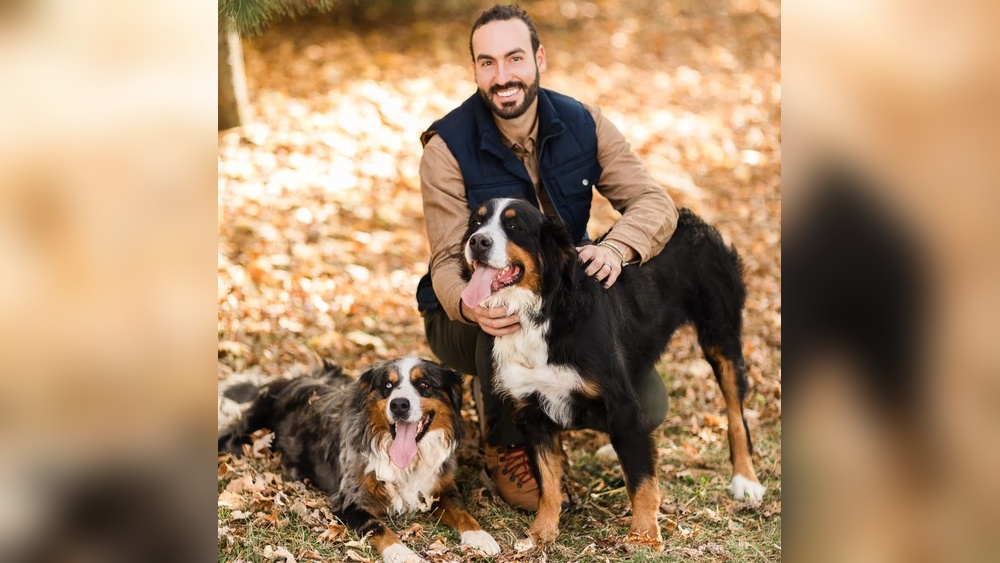
Are you passionate about dogs and wondering how to turn that love into a rewarding career? Becoming a dog breeder isn’t just about having puppies; it’s about understanding the breed, caring for your dogs, and making responsible choices.
But where do you start? What skills do you need? And how can you ensure your puppies grow up healthy and happy? Keep reading, because this guide will walk you through everything you need to know to become a successful dog breeder.
Your journey begins here.

Credit: www.walmart.com
Choosing The Right Breed
Choosing the right breed is a key step in becoming a dog breeder. The breed you pick affects your work, your clients, and the dogs you raise. Take time to understand each breed’s needs and qualities. This ensures a better fit for your lifestyle and goals.
Knowing your breed well helps you give good care and advice. It also helps build trust with buyers. Let’s explore important points to guide your choice.
Research Breed Traits
Start by studying the breed’s traits. Look at size, energy levels, and health issues. Some breeds need lots of exercise. Others prefer calm, quiet homes. Knowing these traits helps prepare for daily care.
Temperament matters too. Some dogs are friendly and social. Others may be more independent or shy. Match the breed’s nature with your experience and environment.
Consider Market Demand
Think about which breeds people want most. Popular breeds sell faster and easier. Watch trends but avoid breeds with health problems just because they are popular. Steady demand is better than quick fads.
Check local and online markets. See what buyers ask for. This knowledge helps you plan your breeding and sales strategies.
Assess Personal Preferences
Choose breeds that fit your lifestyle. If you have a busy schedule, a low-maintenance breed may suit you better. Some dogs need more grooming or training time. Your preferences affect your success and happiness as a breeder.
Passion counts. Breeding dogs you love makes work more rewarding. It also helps you learn and improve faster.
Learning Dog Breeding Basics
Starting as a dog breeder means understanding key basics. These basics help you care for dogs and raise healthy puppies. Knowing the right information also keeps breeding responsible and safe.
Focus on learning about genetics, health, and puppy care. These areas build a strong foundation for your breeding journey. Each topic plays a big role in successful dog breeding.
Genetics And Heredity
Genetics decides many traits in dogs. Coat color, size, and health come from genes. Knowing heredity helps avoid passing bad traits to puppies. Study simple and complex gene patterns. This knowledge guides which dogs to breed.
Breeding healthy dogs means understanding family history. Some diseases run in certain breeds. Always check parents for genetic problems. This reduces risks for the puppies.
Health And Nutrition
Healthy parents produce strong puppies. Dogs need balanced food and clean water daily. Good nutrition supports growth and fertility. Regular vet visits prevent illness and catch problems early. Vaccines protect against common dog diseases. Clean living areas reduce infections and stress.
Keep dogs active but avoid over-exercising pregnant females. Proper health care is a must for all dogs in your care.
Puppy Care Essentials
Puppies need special care from birth. Warmth and cleanliness keep them safe. Feeding depends on age and health. Watch for signs of illness and act fast. Socializing puppies helps them grow friendly and confident. Early vet checkups ensure they start healthy.
Learning these essentials prepares you to raise happy puppies. Good care now means healthy dogs later.
Legal And Ethical Responsibilities
Becoming a dog breeder is more than just pairing dogs. It requires strong legal and ethical commitments. These rules protect dogs and ensure breeders act responsibly. Understanding these duties keeps you safe and respected in the community. Here are the key areas every dog breeder must know.
Licensing And Regulations
Licensing shows you follow local laws. Many places require a breeder’s license. This helps control dog breeding and sales. Laws vary by state or country. Check your area’s rules carefully. You may need inspections or fees. Licensing proves you meet minimum care standards. It also protects buyers and dogs from harm.
Animal Welfare Standards
Animal welfare means keeping dogs healthy and happy. Provide clean living spaces and good food. Give dogs enough exercise and social time. Regular veterinary care is a must. Watch for signs of illness or stress. Avoid overcrowding or poor conditions. Treat every dog with kindness and respect. Welfare laws often set minimum care rules. Follow them to avoid penalties and keep trust.
Ethical Breeding Practices
Ethical breeding puts dogs’ health first. Test breeding dogs for genetic diseases. Avoid breeding dogs with health problems. Breed only dogs that meet breed standards. Focus on improving the breed, not just making money. Keep detailed records of each dog. Be honest with buyers about health and traits. Stop breeding dogs that show poor traits. Ethical breeders help create strong, healthy puppies.
Setting Up Your Breeding Facility
Setting up your breeding facility is a key step in becoming a responsible dog breeder. It requires careful planning and attention to details. A well-prepared facility ensures the health and comfort of your dogs and puppies. This section covers the basics of creating a functional and safe environment for breeding.
Choosing A Suitable Location
Select a quiet place with enough space for your dogs to move freely. Avoid busy streets or noisy areas. The location should have good drainage and be easy to clean. Space for exercise and play is important for healthy puppies. Check local laws to ensure breeding is allowed in the area.
Creating A Safe Environment
Safety is crucial to protect dogs and puppies. Use secure fencing to prevent escapes. Remove any sharp objects or toxic plants. Keep the area free from harmful chemicals. Make sure the facility has good ventilation and natural light. Provide warm, dry, and comfortable sleeping areas for your dogs.
Equipment And Supplies
Stock up on essential supplies like food and water bowls. Have clean bedding and whelping boxes ready. Keep grooming tools and medical supplies on hand. Use durable crates for transportation and rest. Maintain a schedule for cleaning and disinfecting all equipment.
Selecting Breeding Dogs
Selecting the right dogs for breeding is a key step in becoming a responsible dog breeder. Careful choice helps ensure healthy puppies with good traits. This process focuses on health, behavior, and family background.
Choosing breeding dogs means more than just picking favorites. It requires research and careful checks. Each dog must meet standards that support strong future generations.
Health Screening
Health checks are essential before breeding. Tests for genetic diseases protect puppies from inherited problems. Common screenings include hip and elbow evaluations and eye exams.
Only dogs with clear health results should breed. This lowers risks of passing illnesses. Regular vet visits keep breeding dogs in good condition.
Temperament Evaluation
Good temperament means calm and friendly behavior. Dogs must show stable and gentle traits. Aggression or extreme shyness can harm puppies’ future behavior.
Observe how dogs act with people and other animals. Select those with steady, kind personalities. This helps produce well-adjusted puppies.
Pedigree Analysis
Study the dog’s family tree carefully. Pedigree shows ancestors’ traits and health history. This helps avoid inbreeding and supports strong genetics.
Choose dogs with good lineage and clear records. This improves quality and consistency in puppies. Knowing pedigree helps predict traits passed to offspring.
Breeding Process And Timing
The breeding process and timing play a key role in becoming a successful dog breeder. Understanding the right moments and methods ensures healthy puppies and happy dogs. Careful attention to the female dog’s cycle and proper mating techniques increase the chances of pregnancy. After mating, good pregnancy care supports the mother’s health and the puppies’ growth.
Estrus Cycle Monitoring
The estrus cycle is the female dog’s heat cycle. It happens every six months on average. Signs include swelling of the vulva and bleeding. Monitoring these signs helps determine the best time to mate. Tracking the cycle daily is important. Use a calendar or app to note changes. Some breeders use tests to check hormone levels. This gives more accuracy in timing.
Mating Techniques
Mating should occur during the female’s fertile period. This usually lasts 3 to 5 days in the heat cycle. Introduce the male and female calmly. Let them get familiar before mating. Supervise the process to avoid stress or injury. Natural mating is common, but artificial insemination is an option. Make sure both dogs are healthy and vaccinated. Proper timing and care increase success rates.
Pregnancy Care
After successful mating, pregnancy care begins. The pregnancy lasts about 63 days. Provide a quiet, comfortable space for the mother. Feed high-quality food and fresh water daily. Schedule regular vet visits to monitor health. Watch for signs of illness or distress. Prepare a whelping box for delivery. Careful attention during this time ensures healthy puppies and a strong mother.
Raising And Socializing Puppies
Raising and socializing puppies is a key part of becoming a good dog breeder. Puppies need care and attention to grow healthy and happy. The early days shape their future behavior and health. Starting well helps puppies become friendly and confident dogs.
Breeders must focus on the puppy’s development, social skills, and health. Each step builds a strong foundation for the puppy’s life.
Early Development Stages
Puppies grow fast during their first weeks. They open their eyes and start to hear sounds. This period is important for their senses and brain. Handling puppies gently helps them get used to humans. They begin to learn simple things like walking and playing.
Breeders should keep the environment clean and warm. Puppies need to eat often and rest well. These first weeks set the stage for healthy growth.
Socialization Strategies
Socializing puppies means helping them meet new things safely. Puppies should meet different people, sounds, and other animals. This helps reduce fear and builds confidence. Short, positive experiences work best. Playtime and gentle handling teach good manners.
Expose puppies to new sights and sounds daily. This helps them adapt to the world outside their home. Social puppies grow into calm and friendly adults.
Health Checks And Vaccinations
Regular health checks keep puppies strong. Breeders should watch for signs of illness or discomfort. Early vet visits are important to catch problems fast. Vaccinations protect puppies from common diseases. Follow the vet’s schedule carefully.
Good health care helps puppies grow safely and live longer. Clean living spaces reduce the risk of infections. Healthy puppies start their lives with the best chance.
Marketing And Selling Puppies
Marketing and selling puppies is a key step for any dog breeder. It helps find good homes for your puppies and builds your business. You need to show your puppies in a clear and honest way. Trust from buyers is very important for success. Good marketing helps you reach the right people. Selling puppies carefully keeps both dogs and buyers happy.
Building A Reputation
Reputation is everything in dog breeding. Treat every buyer with respect and honesty. Share clear information about your puppies’ health and care. Positive reviews and word of mouth bring more buyers. Always keep your promises and respond quickly to questions. A strong reputation leads to repeat buyers and referrals.
Creating Listings And Advertising
Write simple, clear ads with photos of your puppies. Show their color, size, and playful nature. Use websites, social media, and local pet groups to share listings. Mention the breed, age, and health checks done. Include your contact details and how to buy. Good photos and honest descriptions attract serious buyers fast.
Screening Potential Buyers
Ask questions to understand buyers’ experience and home setup. Check if they can provide proper care and space. Avoid selling to people who want puppies for wrong reasons. Use phone calls or forms to learn about buyers. Screening helps protect puppies and ensures they go to loving homes.
Continuing Education And Improvement
Continuing education and improvement are vital for any dog breeder. The dog breeding world changes often. New health tests, breeding techniques, and care methods appear regularly. Staying informed helps breeders raise healthier dogs and improve their skills. Learning never stops in this field.
Joining Breeder Associations
Breeder associations offer support and knowledge. Members share advice and experiences. These groups often provide resources on breeding standards and ethics. Joining an association connects breeders with experts and peers. It is a great way to learn and grow.
Attending Workshops And Seminars
Workshops and seminars teach practical skills and new ideas. Experts lead sessions on genetics, health care, and training. These events help breeders stay updated on best practices. Attending regularly sharpens skills and builds confidence.
Staying Updated On Industry Trends
Reading books, magazines, and online articles keeps breeders informed. Trends in dog breeding, nutrition, and health evolve fast. Following updates helps breeders adopt the latest safe methods. Staying current improves the quality of breeding programs.

Credit: www.crockettdoodles.com

Credit: littleangelsservicedogs.org
Frequently Asked Questions
What Qualifications Do I Need To Become A Dog Breeder?
You need knowledge of dog genetics, health, and breed standards. Experience with dogs and a passion for breeding healthy puppies are essential. Some regions require licensing or certification, so check local regulations before starting.
How Much Does It Cost To Start Dog Breeding?
Starting costs include purchasing quality breeding dogs, veterinary care, and registration fees. Expect expenses for proper housing, food, and health testing. Initial investment varies but can range from a few thousand to tens of thousands of dollars.
How Do I Ensure Healthy Puppies As A Breeder?
Conduct health screenings and genetic tests on breeding dogs. Provide proper nutrition, vaccinations, and prenatal care. Maintain clean, safe environments and monitor puppies closely to promote strong, healthy growth from birth.
What Legal Requirements Must Dog Breeders Follow?
Breeders must comply with local animal welfare laws and licensing rules. Register litters with recognized kennel clubs. Follow guidelines for humane treatment, record-keeping, and sales to ensure ethical and legal breeding practices.
Conclusion
Becoming a dog breeder takes time, care, and knowledge. You must learn about dog health and genetics first. Building trust with buyers is very important. Always keep the dogs’ well-being as your top goal. Start small and grow your experience step by step.
Stay patient and enjoy working with dogs every day. This path can bring joy and responsibility together. Keep learning and improving to succeed as a dog breeder.