

Are you tired of sneezing and itchy eyes every time you’re around dogs? You’re not alone.
Many people want a furry friend but worry about allergies. That’s why hypoallergenic dogs are so popular—they’re less likely to trigger your allergies. But how many breeds of hypoallergenic dogs are there? Knowing your options can help you find the perfect pet that fits your lifestyle and keeps your allergies in check.
Keep reading to discover the variety of hypoallergenic breeds waiting to become your new best friend.
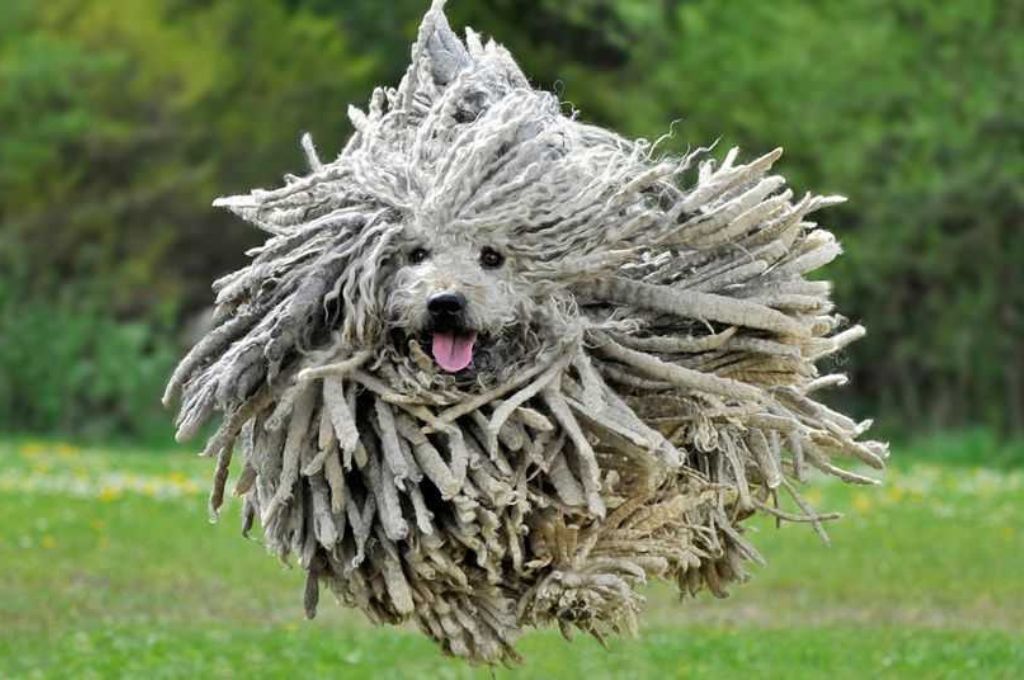
Credit: www.woofblankets.com
What Makes A Dog Hypoallergenic
Understanding what makes a dog hypoallergenic helps many find the right pet. Not all dogs cause allergies equally. Some breeds produce fewer allergens that trigger reactions. This section explains key factors behind hypoallergenic dogs.
Shedding And Allergens
Shedding plays a big role in allergies. Dogs shed skin flakes called dander. Dander carries proteins that cause allergic reactions. Less shedding means less dander spread around the home. Hypoallergenic dogs usually shed very little or not at all.
Hair type also matters. Some dogs have hair that grows continuously. This hair traps dander and keeps it from flying freely. Regular grooming helps remove loose hair and dander. This reduces allergens in the environment.
Common Hypoallergenic Traits
Hypoallergenic dogs share certain traits. They often have curly or wavy coats. These coats hold shed hair and dander close to the skin. This limits airborne allergens. Many hypoallergenic breeds have single-layer coats too.
Another trait is low oil production on the skin. Less oil means less dander sticks to hair and surfaces. Some breeds produce fewer allergy-causing proteins in their saliva and skin. These traits combined reduce allergic reactions for many people.

Credit: gmsstleonard.com
Popular Hypoallergenic Dog Breeds
Hypoallergenic dog breeds are popular among people with allergies. These dogs shed less hair and dander. This makes them easier to live with for sensitive individuals. Many breeds fit this category, from small lap dogs to larger companions. Each breed has unique traits and care needs. Understanding popular hypoallergenic breeds helps in choosing the right dog.
Small Breeds
Small hypoallergenic dogs are great for apartments and small homes. The Bichon Frise is a famous small breed. It has soft, curly fur that traps dander. The Maltese is another small dog with long, silky hair. It sheds very little and is gentle with kids. The Yorkshire Terrier, or Yorkie, is small and lively. Its fine coat requires regular grooming but causes less allergy trouble.
Medium And Large Breeds
Medium and large hypoallergenic dogs offer more space to play. The Portuguese Water Dog is a popular choice. It has curly fur and is active outdoors. The Standard Poodle is well-known for its intelligence and low shedding coat. The Soft Coated Wheaten Terrier has a silky, wavy coat that minimizes allergens. These bigger dogs need regular exercise and grooming to stay happy and healthy.
Rare And Unique Hypoallergenic Breeds
Some hypoallergenic dog breeds stand out for their rarity and unique traits. These dogs are less common but loved by those with allergies. They offer a fresh option beyond popular hypoallergenic breeds.
Rare hypoallergenic breeds often have special coats that shed very little. Their unique looks and temperaments make them interesting pets. They can fit well into many households, especially for allergy sufferers.
Barbet: The French Water Dog
The Barbet is a rare French breed with curly hair. Its dense, woolly coat traps dander, reducing allergens. Barbets are friendly, smart, and great swimmers. They need regular grooming to keep their coat healthy.
Lagotto Romagnolo: The Truffle Hunter
This Italian breed is famous for finding truffles. The Lagotto Romagnolo has a soft, curly coat that sheds very little. It is energetic and loves to work. This dog suits active families with allergies.
Peruvian Inca Orchid: The Hairless Wonder
The Peruvian Inca Orchid is a mostly hairless dog. Its smooth skin means less dander spreads in the home. This breed varies in size and has a gentle personality. It needs skin care but is great for allergy sufferers.
Catalburun: The Unique Nosed Hound
The Catalburun is a rare Turkish breed with a split nose. It has a short, low-shedding coat. This breed is loyal and alert. Its unusual look and hypoallergenic coat make it a rare find.
Counting Hypoallergenic Breeds
Counting hypoallergenic dog breeds can be tricky. Different sources list different numbers. Some say there are only a few true hypoallergenic breeds. Others include many more dogs with low-shedding coats. The exact count depends on how you define “hypoallergenic.”
Understanding these differences helps you find the right dog. It also clears up confusion about which breeds cause fewer allergies. Let’s explore the reasons behind the varying breed counts.
Breed Recognition Variations
Dog breed recognition varies across organizations worldwide. Some groups recognize certain breeds as hypoallergenic while others do not. For example, the American Kennel Club lists fewer hypoallergenic breeds than smaller breed clubs. These differences affect how many breeds people count.
Some breeds shed less hair and dander, which reduces allergy risks. But not all experts agree on which breeds fit this category. Personal allergy reactions also differ. This makes breed recognition a key factor in counting hypoallergenic dogs.
Mixed Breeds And Hypoallergenic Qualities
Mixed breed dogs can also have hypoallergenic qualities. Breeding two low-shedding dogs can create puppies with similar traits. These dogs might be called “designer breeds” or hybrids. Popular examples include Labradoodles and Cockapoos.
Mixed breeds add complexity to counting hypoallergenic dogs. They often do not appear on official breed lists. Their coat types and allergy friendliness vary from dog to dog. Including mixed breeds increases the number of hypoallergenic options available.
Choosing The Right Hypoallergenic Dog
Choosing the right hypoallergenic dog means more than just picking a breed. Each dog has unique traits that suit different people and homes. Consider your daily routine, space, and what you expect from a pet. This helps find a dog that fits your life and keeps allergies at bay.
Lifestyle Compatibility
Some hypoallergenic dogs need lots of exercise. Others prefer calm and quiet time. Think about how active you are. Small apartments might suit smaller breeds better. Families with kids may want playful dogs. Matching energy levels creates a happy home for everyone.
Grooming And Care Needs
Hypoallergenic dogs often need regular grooming. Some shed very little but need frequent haircuts. Others require daily brushing to avoid mats. Understand the time and cost involved in care. A well-groomed dog stays healthy and reduces allergens. Choose a breed whose grooming fits your schedule.
Allergy Management Tips With Dogs
Managing allergies with dogs requires careful steps. Hypoallergenic breeds help, but allergy control is still key. Simple habits reduce allergens and make life easier for sensitive owners.
Focus on cleaning and personal care. These tips help keep dog dander and hair under control. Small changes bring big relief.
Home Cleaning Strategies
Vacuum floors and furniture often. Use a vacuum with a HEPA filter to trap allergens.
Wash dog bedding weekly. Clean surfaces with a damp cloth to remove dust and dander.
Keep windows open for fresh air. Air circulation lowers allergen buildup indoors.
Limit dog access to bedrooms. This cuts down allergen exposure during sleep.
Personal Allergy Precautions
Wash hands after petting your dog. Avoid touching your face before washing.
Use allergy-friendly shampoos on your dog. Clean dogs shed fewer allergens.
Wear a mask during cleaning or grooming. It prevents inhaling pet dander.
Talk to your doctor about allergy medications. They can ease symptoms effectively.
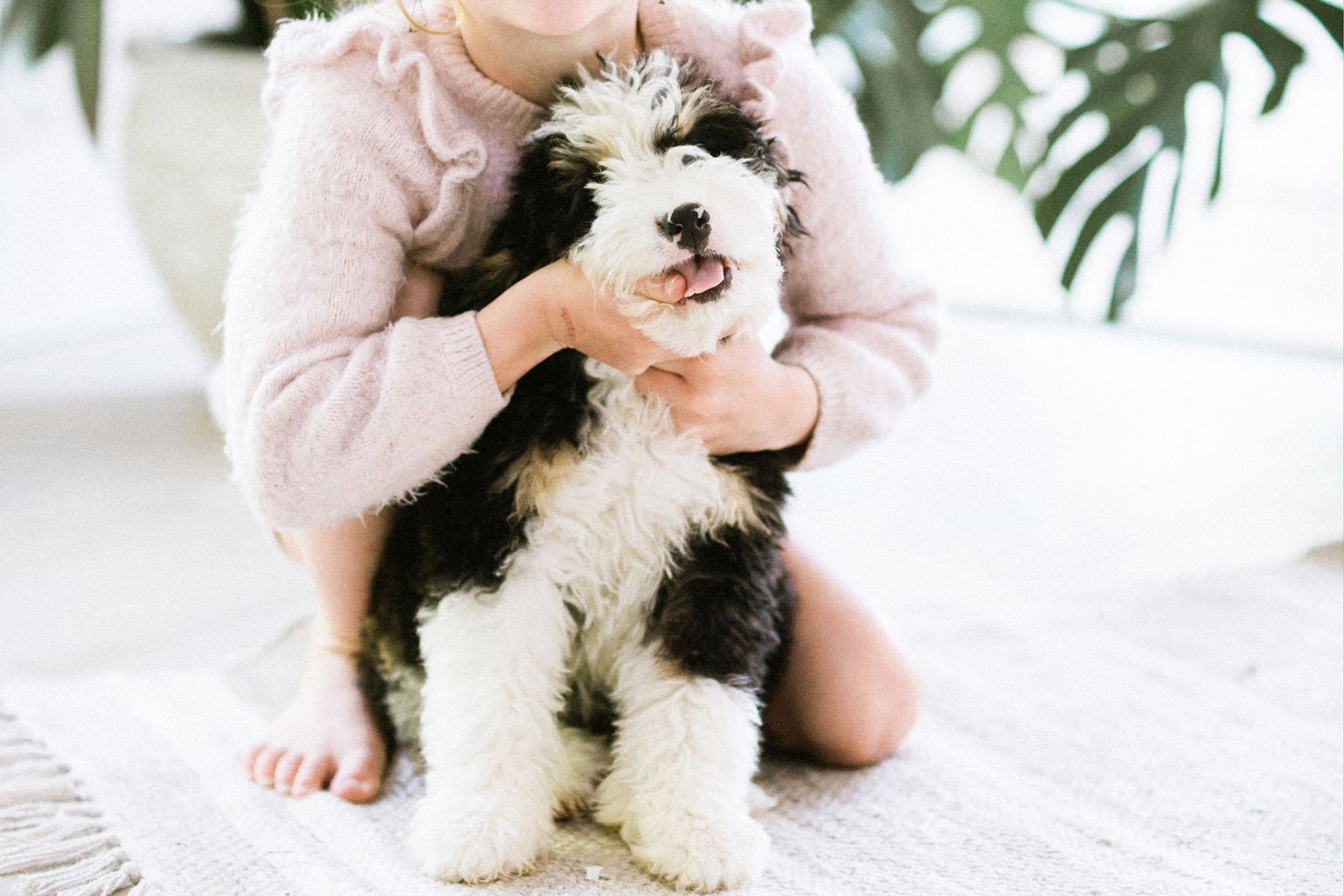
Credit: www.wisconsindesignerdoodles.com
Frequently Asked Questions
How Many Hypoallergenic Dog Breeds Exist Worldwide?
There are around 30 to 40 recognized hypoallergenic dog breeds. These breeds shed less dander, reducing allergic reactions. Popular examples include Poodles, Bichon Frises, and Portuguese Water Dogs. The exact number can vary with breed classifications and new discoveries.
What Makes A Dog Breed Hypoallergenic?
Hypoallergenic dogs produce fewer allergens, mainly dander and saliva proteins. Their coats shed less hair and skin flakes. This reduces airborne allergens, making them suitable for allergy sufferers. However, no dog is 100% allergen-free.
Are Hypoallergenic Dogs Suitable For All Allergy Sufferers?
Hypoallergenic dogs can help most allergy sufferers but don’t guarantee zero reactions. Individual sensitivities vary. Spending time with the breed before adoption is recommended. Allergy management and cleaning routines also play vital roles in comfort.
Which Hypoallergenic Breeds Are Best For Families?
Breeds like the Maltese, Shih Tzu, and Poodle are great for families. They are friendly, intelligent, and low-shedding. These dogs adapt well to children and indoor living. Their hypoallergenic nature helps maintain a healthier home environment.
Conclusion
Hypoallergenic dog breeds offer options for allergy sufferers. Many breeds shed less or produce fewer allergens. Choosing the right dog depends on your lifestyle and preferences. Each breed has unique traits and care needs. Spend time with dogs before deciding to see your reaction.
Enjoy the companionship without constant allergy struggles. Dogs bring joy, even for those with sensitivities. Explore breeds patiently to find your perfect match.


