If you own a Bulldog or are thinking about getting one, understanding their behavior is key to building a strong bond. Bulldogs have unique traits that can surprise you—sometimes stubborn, often affectionate, and always full of personality.
Knowing why your Bulldog acts the way they do helps you respond better and enjoy your time together even more. Keep reading to discover what makes Bulldogs tick and how you can bring out the best in your furry friend.
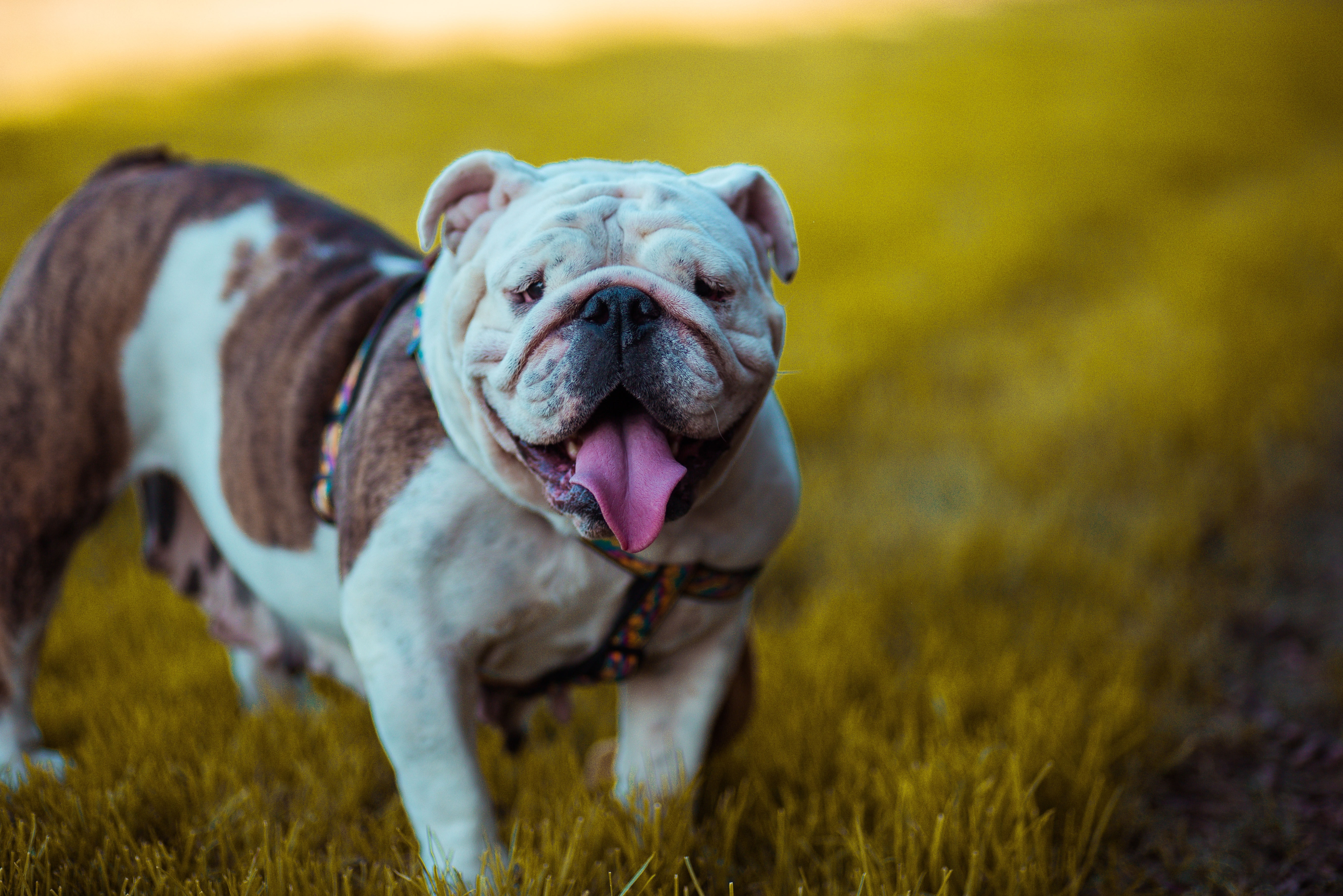
Credit: pethelpful.com
Bulldog Personality Traits
Bulldogs have a unique personality that many find charming. Their traits make them stand out among dog breeds. These dogs show a mix of strength and gentleness. Understanding their personality helps owners care for them better.
Temperament And Disposition
Bulldogs are calm and steady dogs. They rarely show aggression. Their patient nature makes them great for families. Bulldogs enjoy relaxing and do not need much exercise. They can be stubborn but respond well to kind training. These dogs are loyal and protective without being overly loud.
Social Behavior With People
Bulldogs love spending time with people. They are friendly and enjoy attention from family members. These dogs often form strong bonds with children. They can be shy with strangers but rarely act fearful. Bulldogs appreciate gentle handling and respond well to affection. Their social nature makes them good companions.
Interaction With Other Pets
Bulldogs usually get along well with other pets. They are not aggressive towards other animals. Early socialization helps them adapt to new pets easily. Bulldogs prefer calm play rather than rough games. They show patience with smaller animals. Proper introduction ensures peaceful relationships in multi-pet homes.
Common Bulldog Habits
Bull Dogs have unique habits that make them special pets. Understanding these habits helps owners care for them better. Their daily routines are quite distinct and often charming. Let’s explore some common Bulldog behaviors that many owners notice.
Sleeping Patterns
Bull Dogs love to sleep a lot. They often take long naps during the day. At night, they sleep deeply for many hours. This breed is not very active, so rest is important for them. Expect your Bulldog to enjoy cozy, quiet spots for sleep.
Eating Preferences
Bull Dogs can be picky eaters. They prefer soft, tasty food over hard kibble. Small, frequent meals suit their digestion best. Overfeeding can lead to weight gain, so portion control matters. Fresh water should always be available to keep them healthy.
Playfulness And Activity Levels
Bull Dogs enjoy short play sessions but tire quickly. They like gentle games rather than rough play. Daily walks help keep them fit and happy. Avoid intense exercise, especially in hot weather. Their calm nature makes them great companions indoors.
Challenges In Bulldog Training
Training a bulldog can be a tough task for many dog owners. Bulldogs have unique traits that make teaching them new commands harder. Understanding these challenges helps trainers prepare better and stay patient. This section highlights key difficulties faced during bulldog training.
Stubbornness And Willpower
Bulldogs are known for their strong will. They often resist commands they do not want to follow. This stubborn streak requires trainers to be firm and consistent. Repeating commands calmly and clearly helps break their resistance. Rewards work best when given at the right time.
Health-related Training Issues
Bulldogs have special health needs that affect training sessions. Their breathing problems limit long exercises or intense activities. Trainers must watch for signs of tiredness or distress. Short, gentle training periods suit them better. Avoid pushing them too hard to keep them safe.
Attention Span And Focus
Bulldogs can lose focus quickly during training. Their short attention span means sessions should be brief. Using fun toys or treats can hold their interest longer. Trainers must stay patient and avoid repeating commands too many times. Keeping training lively helps bulldogs learn faster.
Effective Training Techniques
Training a Bulldog takes patience and the right methods. These dogs respond well to clear and gentle guidance. Understanding effective training techniques helps shape good behavior and builds trust. Consistent training improves learning and reduces stubbornness. Below are key techniques to train your Bulldog effectively.
Positive Reinforcement Methods
Positive reinforcement means rewarding good behavior. Use treats, praise, or petting to encourage your Bulldog. This method makes learning fun and motivates your dog. Avoid harsh punishments, which can cause fear or aggression. Reward small steps to build confidence. Repeat commands with rewards to reinforce lessons.
Consistency And Routine
Bull Dogs thrive with a steady routine. Set fixed times for training sessions each day. Use the same words and gestures for commands. Consistency helps your dog understand what you expect. Avoid changing rules or commands often. Regular practice strengthens habits and reduces confusion.
Socialization Strategies
Socializing your Bulldog early prevents fear and aggression. Introduce your dog to new people, pets, and places. Keep experiences positive and calm. Gradual exposure helps your Bulldog feel comfortable. Social dogs adapt better and behave well in different settings. Practice socialization often to maintain good manners.
Health And Behavior Connection
Bull dogs have unique health needs that affect their behavior. Their physical condition shapes how they act daily. Understanding this link helps owners care better and improve their pets’ lives.
Health problems can cause discomfort and stress. These feelings often show through changes in behavior. Calm dogs can become restless or irritable. Healthy dogs tend to be happier and more playful.
Impact Of Breathing Problems
Bull dogs often face breathing difficulties due to their short noses. This issue can make them tired quickly. Poor breathing causes less exercise and more frustration. It can also lead to anxiety and restlessness. Helping them breathe easier reduces stress and improves mood.
Managing Weight For Better Behavior
Extra weight strains a bull dog’s body. It slows them down and causes joint pain. Overweight dogs may grow grumpy or lazy. Maintaining a healthy weight boosts energy and comfort. Active dogs are more cheerful and obedient.
Recognizing Signs Of Stress
Stress affects bull dogs’ health and behavior. Watch for yawning, licking lips, or hiding. Sudden barking or aggression can signal stress too. Early signs help prevent bigger problems. Calm environments and gentle care ease their worries.
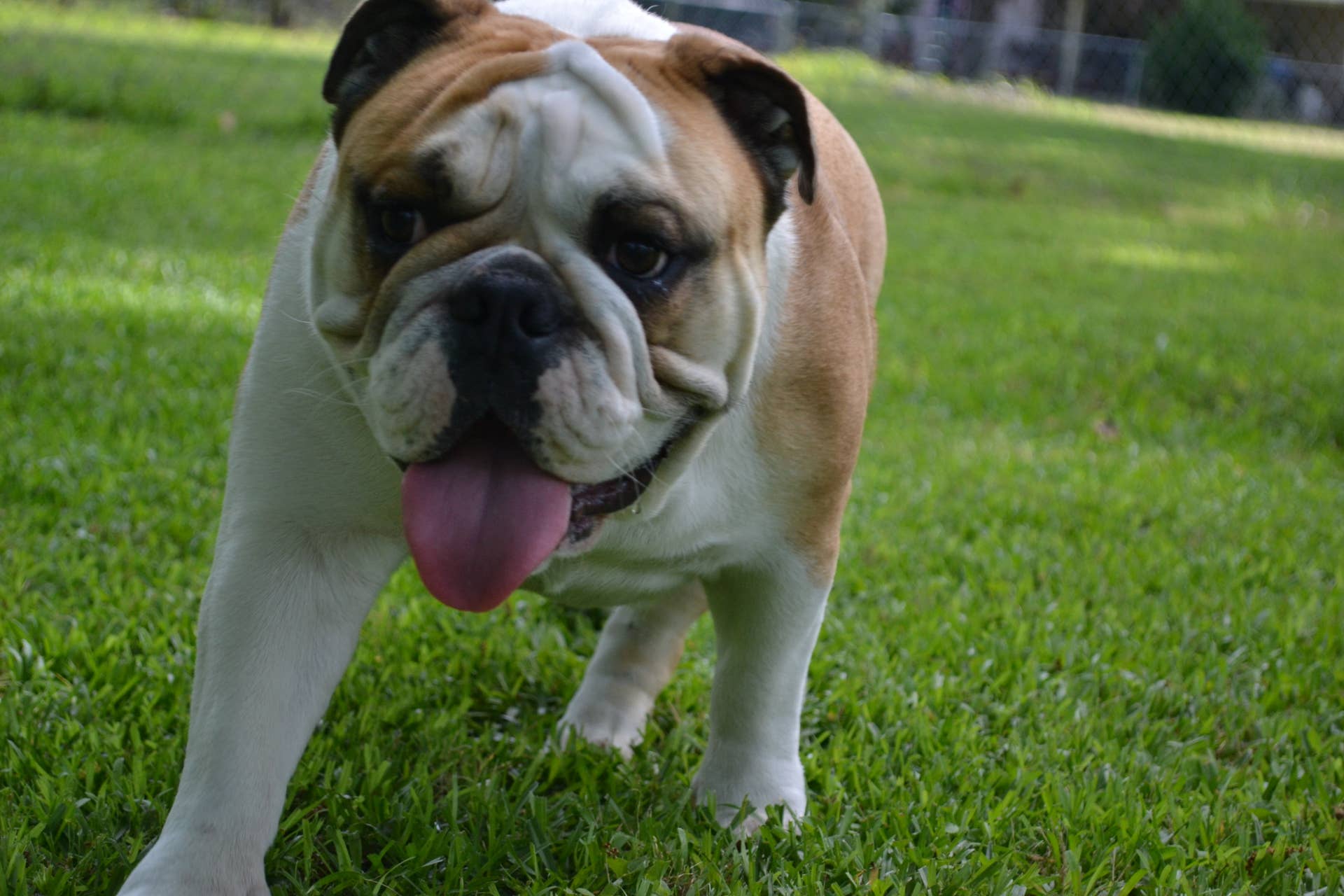
Credit: pethelpful.com
Tips For A Happy Bulldog
Keeping a Bulldog happy takes care and attention. Bulldogs have unique needs that differ from other dogs. Meeting these needs helps them stay healthy and cheerful.
Here are some simple tips to make your Bulldog’s life joyful and comfortable.
Creating A Comfortable Environment
Bulldogs love cozy and calm spaces. Provide a soft bed in a quiet spot. Avoid places with loud noises or strong smells. Keep the area cool because Bulldogs get hot easily. Use fans or air conditioning during warm days. Fresh water should always be nearby. A safe, comfortable space helps your Bulldog relax and feel secure.
Regular Exercise Needs
Bulldogs need daily walks but not too long. Short, slow walks work best. Avoid exercise in hot weather. Playtime in the yard can also help. Exercise keeps them fit and stops boredom. Watch for signs of tiredness or heat stress. Gentle activity supports their health without causing harm.
Mental Stimulation Activities
Bulldogs enjoy simple games and puzzles. Use treat-dispensing toys to keep their mind active. Teach easy commands like sit or stay. Change toys often to keep interest high. Mental play stops boredom and boosts happiness. A busy mind helps Bulldogs stay calm and well-behaved.

Credit: www.newsweek.com
Frequently Asked Questions
What Are Common Bulldog Behavior Traits?
Bulldogs are known for their calm, friendly, and stubborn nature. They show loyalty and enjoy social interaction. Bulldogs tend to be relaxed but can be protective of their family. Early socialization helps manage their sometimes stubborn behavior effectively.
How Do Bulldogs Express Affection?
Bulldogs express affection through gentle nudges, licking, and close physical contact. They enjoy cuddling and being near their owners. Their affectionate nature makes them excellent companions, often seeking attention and showing loyalty with calm, loving behavior.
Are Bulldogs Aggressive By Nature?
No, Bulldogs are generally not aggressive. They are known for their gentle and friendly demeanor. Proper training and socialization minimize any aggressive tendencies. Bulldogs are more protective than aggressive, often calm and tolerant around children and other pets.
How Do Bulldogs Behave Around Children?
Bulldogs are typically patient and gentle with children. They enjoy playful interactions but can be calm and protective. Supervised playtime is important to ensure safety. Bulldogs’ affectionate nature makes them great family pets, especially with early socialization.
Conclusion
Understanding Bulldog behavior helps build a strong bond with your pet. These dogs are loyal, loving, and sometimes stubborn. Knowing their habits makes training easier and life happier. Bulldogs enjoy routine and gentle care. Patience and kindness bring out their best traits.
Every Bulldog has a unique personality to discover. Caring for them means giving time and attention. This guide can support your journey with Bulldogs. Enjoy the company of these friendly companions every day.