

Are you wondering if neutering your dog will change how they act? It’s a question many dog owners ask before making this important decision.
You want to do what’s best for your furry friend, but you also want to know if their behavior will be different afterward. Will they become calmer, more aggressive, or stay the same? Understanding how neutering can impact your dog’s behavior can help you feel confident and prepared.
Keep reading to discover the real effects of neutering and what you can expect from your loyal companion.
Behavioral Changes After Neutering
Neutering a dog often leads to noticeable behavioral changes. These changes can affect how your dog interacts with people and other animals. Understanding these shifts helps owners manage expectations and care better for their pets. The impact varies from dog to dog, influenced by age, breed, and personality.
Common Positive Effects
Neutering usually reduces aggressive behavior in male dogs. It lowers the urge to roam and seek mates. Many dogs become calmer and less anxious. Marking territory with urine often decreases. These changes make dogs easier to train and control. Neutered dogs tend to focus more on their owners. This can improve the bond and communication between dog and owner.
Potential Negative Effects
Some dogs may gain weight after neutering. Their metabolism often slows down. Without proper diet and exercise, this can lead to obesity. A few dogs might show more fear or shyness. Some males may lose confidence or become less playful. In rare cases, neutering can cause changes in energy levels. Watching your dog closely helps catch any negative changes early.
Aggression And Neutering
Aggression in dogs can cause stress and safety concerns for owners. Neutering is often suggested to reduce aggressive behavior. But how does neutering really affect a dog’s aggression? Understanding the link helps owners make informed choices. The effects vary depending on the dog’s age, breed, and personality.
Neutering changes hormone levels, which can influence behavior. Testosterone, a hormone in males, plays a big role in aggression. Removing the testicles lowers testosterone and can calm some aggressive tendencies. Still, neutering is not a cure-all. Other factors like training and socialization also matter a lot.
Impact On Male Aggression
Neutering often lowers male aggression linked to hormones. Many male dogs show less fighting and biting after neutering. This happens because testosterone fuels dominance and competition. Without it, some males become calmer and less likely to start fights.
Not all males respond the same way. Some aggressive behavior comes from fear or poor training, not hormones. In those cases, neutering may not help much. Early neutering, before aggressive habits form, tends to work better.
Effects On Territorial Behavior
Territorial behavior includes marking, barking, and guarding areas. Neutering can reduce these actions in many dogs. Lower testosterone often means less need to defend territory. Dogs may become more relaxed around visitors and other animals.
Still, some dogs keep territorial habits after neutering. These behaviors can be learned or instinctive. Training and social exposure remain important to manage territory issues. Neutering alone does not erase all territorial instincts.
Activity Levels And Energy
Neutering can affect a dog’s activity levels and energy. Many dog owners ask if their pet will be less lively after the procedure. Understanding these changes helps in caring for your dog properly. Energy shifts are common but vary from dog to dog. The dog’s age, breed, and personality all play a role.
Changes In Playfulness
Neutered dogs often show less rough play. They may become calmer and less excitable. Some dogs still enjoy playtime but with less intensity. The urge to chase or compete might decrease. Playfulness can shift from wild to gentle. This change often helps dogs focus better on training and socializing.
Influence On Exercise Needs
Energy needs usually drop after neutering. Dogs might require less exercise to stay healthy. Over-exercising can cause weight gain if energy decreases. Owners should watch for changes in activity. Adjust the daily walk length and play sessions. Balancing exercise helps keep your dog fit and happy.

Credit: cdapress.com
Anxiety And Fear Responses
Anxiety and fear are common feelings in dogs. They affect how dogs behave daily. Many dog owners wonder if neutering changes these feelings. Understanding how neutering affects anxiety and fear helps owners care better for their pets.
Neutering changes hormone levels in dogs. These hormones can influence emotions and reactions. Some dogs may feel calmer, while others may show more fear. The effects depend on the dog’s personality and past experiences.
Neutering And Separation Anxiety
Separation anxiety happens when dogs feel upset alone. Neutering can lower some stress hormones. This might reduce anxiety in some dogs. Others may not change or even get worse. Dogs with strong bonds might miss their owners more.
Training and comfort are still important after neutering. Give dogs time to adjust to changes. Use toys and treats to keep them busy. Watch for signs of anxiety like barking or chewing.
Fearfulness Trends Post-neutering
Fear responses can shift after neutering. Some dogs become less aggressive or shy. Lower hormone levels may calm their nerves. Other dogs might feel more nervous around new people or places.
Early socialization helps reduce fear in neutered dogs. Gentle exposure to different environments builds confidence. Always support your dog with patience and care. Observe their behavior closely for any changes.
Influence On Training And Obedience
Neutering can affect a dog’s training and obedience in different ways. This change happens because hormones influence behavior. When a dog is neutered, some hormone-driven actions may lessen. This shift can impact how the dog learns and listens.
Easier Or Harder To Train?
Neutered dogs often show less aggressive or dominant behavior. This calmness can make training easier. They may focus more on commands and less on distractions. Still, some dogs might feel less motivated. Energy levels can drop, which sometimes slows learning. Each dog reacts differently to neutering.
Behavioral Consistency
Neutering can lead to more consistent behavior in dogs. Reduced hormone surges help keep emotions steady. Stable moods help dogs follow rules better. This consistency supports better obedience over time. Training becomes smoother when behavior is predictable. Yet, some dogs may need extra patience during adjustment.
Age And Timing Effects
The age at which a dog is neutered can affect its behavior in many ways. Timing plays a key role in shaping how your dog acts after surgery. Different ages bring different results. Some behaviors may change more if neutering happens early. Others might be less affected if neutering is done later. Understanding these effects helps owners make better choices for their pets.
Early Vs. Late Neutering
Neutering a dog early, often before six months old, can reduce some unwanted behaviors. These include marking territory and mounting. Early neutering may also lower aggression in certain breeds. Late neutering, done after a dog matures, might not change behavior as much. Some habits may have already formed and become harder to change. The timing can affect energy levels too. Early neutering may lead to calmer dogs. Late neutering might not reduce hyperactivity as effectively.
Long-term Behavioral Outcomes
Long-term effects of neutering depend on when the surgery occurs. Dogs neutered early often show fewer behavior problems over time. They tend to be less aggressive and less likely to roam. Dogs neutered later may still keep some adult behaviors. These can include dominance or territorial actions. Neutering also impacts social behavior. Early neutering can make dogs more social and easier to train. Late neutering might not change social habits significantly. The lasting effects vary by dog breed and individual temperament too.
Breed-specific Behavioral Changes
Neutering can affect dog behavior in different ways depending on the breed. Some breeds show big changes after neutering. Others barely change at all. Understanding these breed-specific behavioral changes helps owners make smart decisions about neutering their dogs.
Breeds More Affected By Neutering
Certain breeds show strong behavior changes after neutering. For example, male Labrador Retrievers often become calmer and less aggressive. German Shepherds may show less marking and roaming behavior. These breeds tend to have higher hormone-driven behaviors that neutering can reduce.
Breeds like Boxers and Doberman Pinschers often become less dominant and more relaxed. Neutering may lower their urge to fight or guard. These changes help in managing their natural protective instincts. Many owners notice these shifts within weeks.
Breeds Less Affected By Neutering
Some breeds show little change in behavior after neutering. Small breeds like Chihuahuas or Dachshunds usually keep their personality traits. Their behaviors are less driven by hormones and more by training.
Breeds such as Bulldogs and Shih Tzus also tend to have minor behavior shifts. Their calm nature remains mostly the same after neutering. For these dogs, neutering is more about health than behavior change.

Credit: www.reddit.com
Myths And Facts About Neutering
Many pet owners wonder if neutering changes a dog’s behavior. There are many ideas about what neutering does and does not do. Some are true. Others are not. Knowing facts helps make better choices for your dog.
Common Misconceptions
Some people think neutering makes dogs lazy. Others believe it causes aggression. Some say neutering stops all bad behavior. These ideas are not always correct. Neutering can reduce some behaviors but does not change a dog’s personality completely.
Another myth is that neutering harms a dog’s health. Some worry it lowers energy or makes dogs less playful. Most dogs stay active and happy after neutering. It does not make dogs weak or sad.
Scientific Evidence
Research shows neutering reduces unwanted behaviors like marking and roaming. It lowers the chance of some cancers and infections. Studies find no clear link between neutering and increased aggression.
Neutering helps control the pet population. It also reduces risks of some health problems. Dogs often live longer and healthier lives when neutered.
Alternatives To Neutering
Neutering is a common way to change dog behavior, but it is not the only option. Some pet owners want to explore other methods. These alternatives can help manage behavior without surgery. Understanding these choices helps you make the best decision for your dog.
Behavioral Training Approaches
Training is a powerful way to change dog behavior. It focuses on teaching dogs good habits and manners. Consistent commands and rewards encourage positive actions. Training can reduce aggression, anxiety, and unwanted marking. It requires patience and regular practice. Professional trainers can guide dog owners with effective methods. Training helps build a strong bond between you and your dog.
Medical Alternatives
Some medications can affect a dog’s hormones and behavior. These drugs may reduce aggression or roaming. Medical options can be temporary or long-term. They need a veterinarian’s advice and supervision. Hormone blockers or implants offer reversible solutions. Medical alternatives do not have the risks of surgery. They provide options for dogs that cannot be neutered. Always discuss benefits and side effects with your vet.
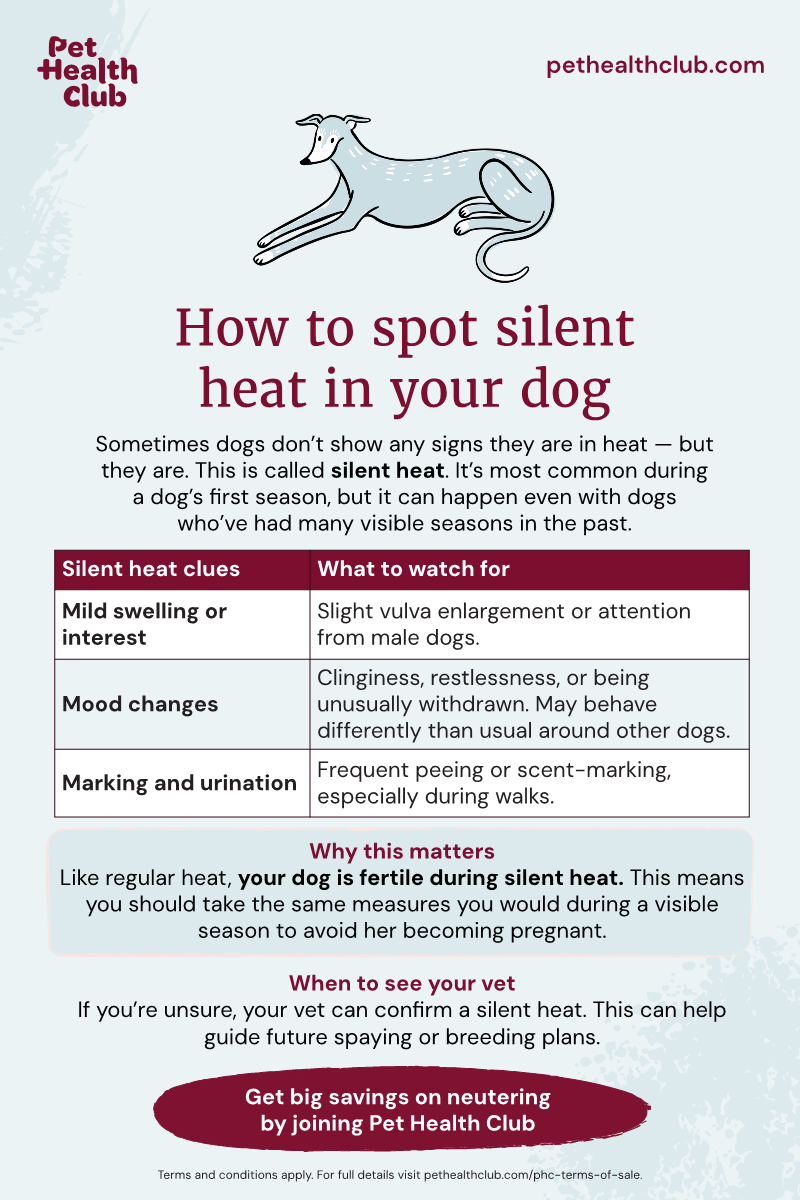
Credit: www.pethealthclub.com
Frequently Asked Questions
Does Neutering Reduce Aggressive Behavior In Dogs?
Neutering can reduce aggression linked to male hormones. However, behavior depends on training and socialization too. Not all aggression disappears after neutering.
How Soon After Neutering Do Behavior Changes Appear?
Behavioral changes may begin within weeks after neutering. Hormone levels drop gradually, influencing mood and activity over time. Changes vary by individual dog.
Can Neutering Prevent Roaming And Marking Behaviors?
Yes, neutering often decreases roaming and urine marking. These behaviors are driven by reproductive instincts, which lessen after surgery. Training also helps control these actions.
Will Neutering Affect My Dog’s Energy Levels?
Neutering can slightly reduce energy and activity. Dogs may become calmer and less hyperactive. Proper exercise remains important to maintain health and happiness.
Conclusion
Neutering can change a dog’s behavior in many ways. It often reduces aggression and roaming. Some dogs become calmer and less anxious. Still, each dog reacts differently to neutering. Training and care also affect behavior a lot. Neutering is one step in helping dogs live well.
Think about your dog’s needs before deciding. Talk to a vet to understand what to expect. Your dog’s happiness and health matter most.


