Does your dog bark every time someone comes near your home? This constant noise can be frustrating for you and stressful for your furry friend.
You want your dog to be friendly and calm, not a noisy alarm. The good news is, you can teach your dog to stop barking at people. With the right approach, you’ll create a peaceful environment where both you and your dog feel comfortable.
Keep reading, and you’ll discover simple, effective steps to train your dog to stay quiet around visitors and strangers. Your quieter home starts here.
Reasons Dogs Bark At People
Dogs bark at people for different reasons. Understanding why your dog barks helps you train them better. Barking is a natural way dogs communicate. It can show protection, fear, or a call for attention. Recognizing the cause is the first step to stop unwanted barking.
Protective Instincts
Dogs often bark to protect their home and family. They see strangers as potential threats. Barking warns people to stay away. This instinct comes from their wild ancestors. Protecting their pack is very important to dogs. Sometimes, dogs bark at visitors just to guard their territory.
Fear And Anxiety
Fear makes dogs bark to feel safer. Strange people or loud noises can scare them. Barking helps release their stress and anxiety. Some dogs bark because they feel trapped or unsure. Anxiety can cause barking that seems excessive or nonstop. Understanding your dog’s fears can calm them down.
Attention Seeking
Dogs use barking to get your attention. They want you to play, feed, or pet them. Barking can be a way to ask for help or company. If you respond to barking, dogs learn it works. This behavior can become a habit if not managed. Teaching your dog other ways to ask helps reduce barking.
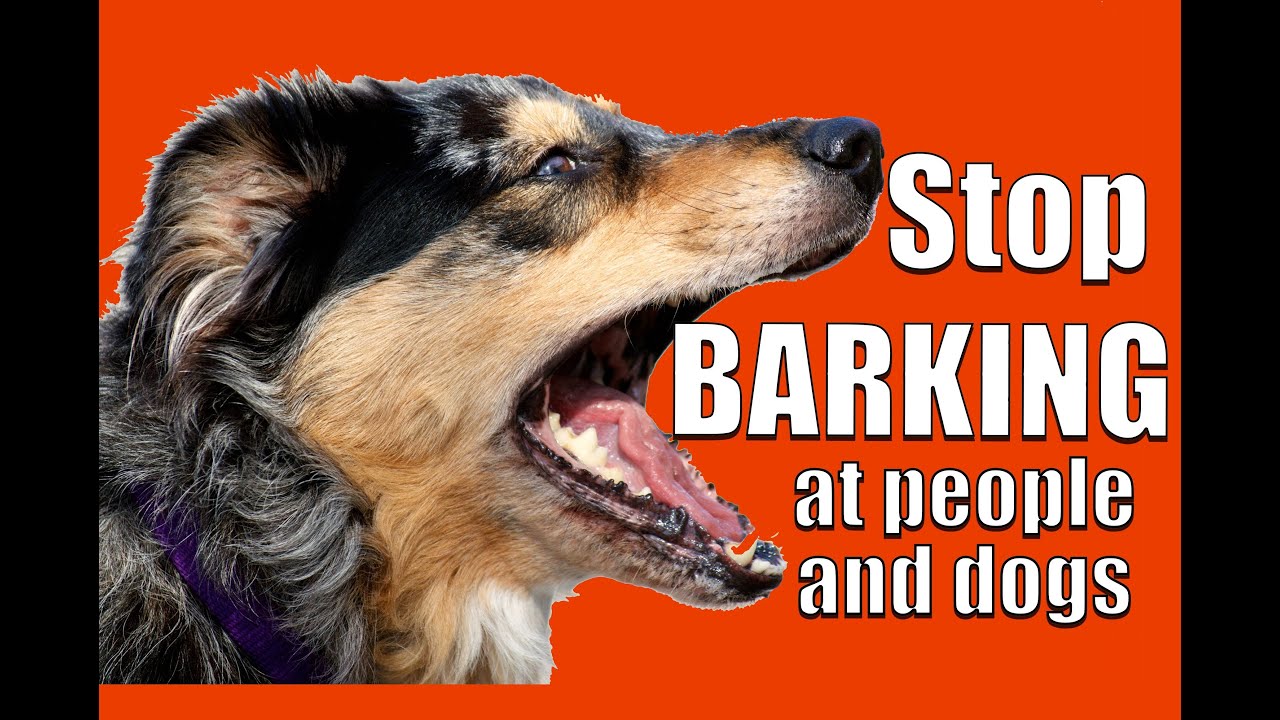
Credit: www.youtube.com
Preparing For Training
Training a dog not to bark at people takes patience and planning. Preparation sets the stage for success. It helps your dog focus and learn faster. This section covers key steps to prepare well for training sessions.
Choosing The Right Environment
Pick a quiet place with few distractions. A calm environment helps your dog stay focused. Start training indoors or in a fenced yard. Avoid busy streets or noisy parks at first. Gradually introduce more distractions as your dog improves.
Gathering Training Tools
Have all necessary tools ready before starting. Use treats your dog loves as rewards. A clicker can mark good behavior clearly. Bring a leash and collar for control. Keep everything within reach to avoid interruptions.
Setting Realistic Goals
Break training into small steps. Teach your dog to stay calm before expecting silence. Set short training sessions to keep your dog engaged. Celebrate small wins to build confidence. Understand progress takes time and patience.
Basic Commands To Teach
Teaching your dog basic commands helps control barking at people. These commands build good habits and improve your dog’s behavior. Start with simple commands that your dog can learn quickly. Consistent practice makes training effective and fun for both of you.
Sit And Stay
Start training with the “Sit” command. Ask your dog to sit calmly before greeting someone. This stops your dog from jumping or barking. Once your dog sits, teach the “Stay” command. This keeps your dog in one place. It helps your dog stay calm around strangers. Practice these commands in different places for better results.
Quiet Command
Teach your dog to stop barking with the “Quiet” command. Wait for your dog to bark, then say “Quiet” in a calm voice. Reward your dog when it stops barking. This teaches your dog to listen and stay calm. Repeat often to make this behavior normal. This command controls barking without punishment.
Focus And Attention
Train your dog to focus on you, not distractions. Use a treat or toy to get your dog’s attention. Say your dog’s name and reward eye contact. This helps your dog listen better during walks and visits. Focus training reduces barking at people. It makes your dog more responsive to commands.
Techniques To Reduce Barking
Reducing your dog’s barking at people takes patience and the right approach. Several effective techniques can help your dog stay calm and quiet. These methods focus on changing your dog’s reactions and encouraging good behavior. Training should be consistent and gentle for best results.
Positive Reinforcement
Reward your dog when it stays quiet around people. Use treats, praise, or toys as rewards. This teaches your dog that being calm brings good things. Ignore barking to avoid giving attention to bad behavior. Repeat this often to build a habit of quietness.
Desensitization And Counter-conditioning
Expose your dog to people slowly and at a distance. Start where your dog feels safe and not stressed. Gradually bring your dog closer to people over time. Pair this with treats or play to create positive feelings. This helps your dog feel less scared or excited.
Redirection Strategies
Distract your dog before it starts barking. Use a favorite toy or ask for a simple command. Redirecting focus helps stop barking early. Practice commands like “sit” or “look here” to gain attention. This shifts your dog’s mind to calm activities.
Handling Specific Scenarios
Training your dog to stop barking at people needs careful attention to real-life situations. Different scenes can trigger barking. Handling these specific scenarios helps your dog stay calm and quiet. Practice in these common moments to see fast progress.
Visitors At The Door
Dogs bark at the door because they feel alert or scared. Teach your dog to sit and stay when the doorbell rings. Use treats to reward quiet behavior. Open the door slowly while your dog stays calm. Repeat this often to build good habits.
Strangers On Walks
Walking outside can excite or worry your dog. Keep your dog on a leash and stay close. When a stranger approaches, ask your dog to focus on you. Give treats for calm behavior. Walk away if barking starts to grow. Consistent practice helps your dog feel safe.
Other Dogs And Animals
Dogs bark at other animals to protect or play. Teach your dog to look at you instead of the other animal. Use a firm but gentle voice to give commands. Reward your dog for quiet and calm behavior. Slowly increase exposure to other animals over time.

Credit: www.youtube.com
Common Mistakes To Avoid
Training a dog not to bark at people can be tricky. Many dog owners make common mistakes that slow progress. Avoiding these errors helps your dog learn faster and better.
Some mistakes can confuse your dog. Others may cause more barking instead of less. Knowing what to avoid is as important as knowing what to do.
Punishing Barking
Punishing your dog for barking often makes things worse. Dogs bark to communicate. Punishment can create fear or anxiety.
This fear may lead to more barking or aggressive behavior. Instead, use calm commands and reward quiet moments.
Inconsistent Training
Training must be consistent. Changing rules or commands confuses your dog. One day no barking allowed, next day allowed, sends mixed signals.
Stick to the same commands and routines every day. Consistency helps your dog understand what you expect.
Ignoring Underlying Issues
Barking may be a sign of stress, fear, or boredom. Ignoring these causes can make barking worse.
Look for reasons behind the barking. Address stress or boredom with exercise and attention. This reduces the need to bark.
Maintaining Long-term Success
Maintaining long-term success in training your dog not to bark at people takes patience and consistency. This process needs ongoing effort. Your dog learns best with regular routines and clear signals. Keep training sessions steady to build strong habits. Be ready to adapt as your dog grows and changes.
Regular Practice
Practice the training exercises every day. Short sessions work better than long ones. Repeat commands calmly and clearly. Use the same words and gestures each time. This helps your dog understand what you want. Consistency makes the new behavior stick.
Monitoring Progress
Watch how your dog reacts to people over time. Note changes in barking and calmness. Celebrate small improvements to stay motivated. If barking returns, identify what triggers it. Keep a simple log to track progress weekly. This helps you see patterns and successes.
Adjusting Techniques
Change your approach if your dog struggles. Try different rewards or commands to keep attention. Use gentler corrections if your dog feels stressed. Sometimes, adding distractions helps build focus. Always stay patient and positive. Adapt training to fit your dog’s needs.
:strip_icc()/puppy-barking-2804577-f7f6bffd80fa4edca1bd247ba52fc0a6.jpg)
Credit: www.thesprucepets.com
Frequently Asked Questions
How Can I Stop My Dog From Barking At Strangers?
Teach your dog to focus on you using commands like “quiet. ” Reward calm behavior and gradually expose them to strangers to reduce anxiety.
Why Does My Dog Bark At People Outside?
Dogs bark at strangers to alert or protect their territory. It’s often due to fear, excitement, or lack of socialization.
What Training Tools Help Reduce Barking At People?
Use positive reinforcement, clickers, and treats. Avoid punishment. Consistent training and distraction techniques also help reduce barking effectively.
How Long Does It Take To Train A Dog Not To Bark?
Training duration varies. With consistent daily sessions, most dogs improve within weeks to a few months.
Conclusion
Training your dog not to bark at people takes time and patience. Consistent practice helps your dog learn calm behavior. Reward good actions to encourage quiet moments. Stay calm and firm during training sessions. Remember, dogs respond best to gentle guidance.
Quiet dogs make walks and visits more pleasant. Keep practicing daily for steady progress. Your efforts will build a peaceful bond with your dog. Small steps lead to big improvements over time. Training can be simple with love and care.