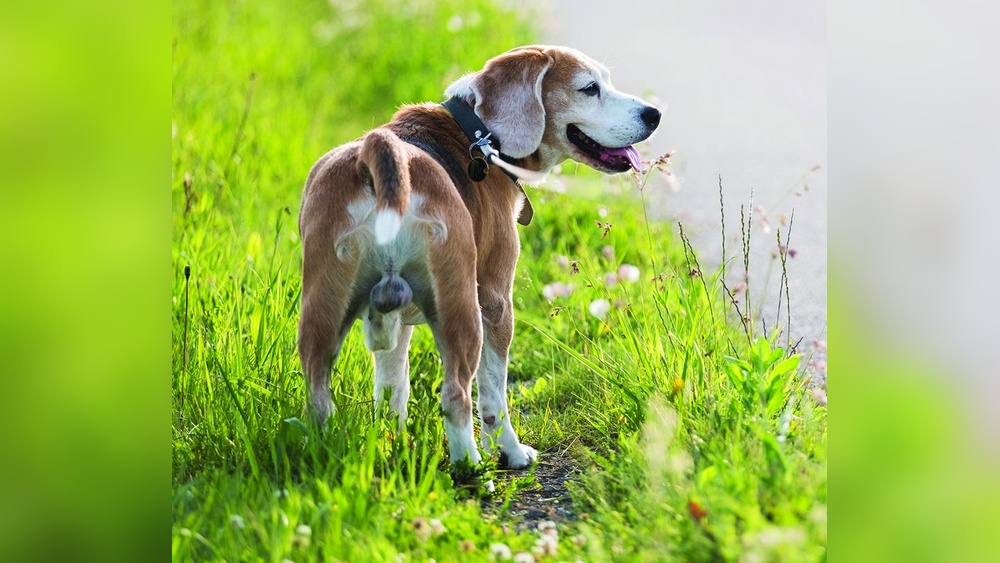
Do you want your dog to stay calm and still until you say otherwise? Teaching your dog to stay until released can make your life easier and your pet safer.
Imagine calling your dog to stay in one spot, even with distractions around, and having them listen every time. It might sound tricky, but with the right steps, you can train your dog to do this reliably. Keep reading, and you’ll discover simple, effective techniques that will help you build trust and control with your furry friend—making walks, playtime, and daily life more enjoyable for both of you.
Preparing Your Dog For Stay
Preparing your dog for the stay command is an important first step. It sets the stage for good behavior and control. This phase builds your dog’s confidence and focus. A calm and clear start helps your dog learn faster and better.
Choosing The Right Environment
Pick a quiet place with few distractions. A small room or a fenced yard works well. Avoid noisy or busy spots. A calm space helps your dog focus on you and the training.
Gathering Necessary Supplies
Have treats ready to reward your dog. Use small, tasty bites that your dog loves. Keep a leash nearby to guide your dog if needed. A clicker can help mark good behavior clearly. These tools make training smoother and more fun.
Establishing Basic Commands First
Teach your dog simple commands like “sit” and “stay.” These commands create a good foundation. Your dog must understand these basics before learning “stay until released.” Practice these commands daily for short times. This helps your dog listen better during stay training.
Teaching The Stay Command
Teaching the stay command is one of the most important lessons for your dog. It helps keep your dog safe and well-behaved. A strong stay command means your dog will wait calmly until you say otherwise. This builds trust and control between you and your pet.
Start training in a quiet place with few distractions. Patience and consistency are key. Use simple steps to guide your dog into learning the stay command well.
Using Clear Verbal Cues
Choose a short word like “stay” or “wait.” Say it firmly but kindly. Use the same word every time you want your dog to stay. Avoid changing your tone or words. Clear verbal cues help your dog understand what you want.
Incorporating Hand Signals
Use a simple hand signal along with your verbal cue. A flat palm facing the dog works well. This gives your dog a visual clue to stay. Hand signals help your dog learn faster and respond better in noisy places.
Starting With Short Durations
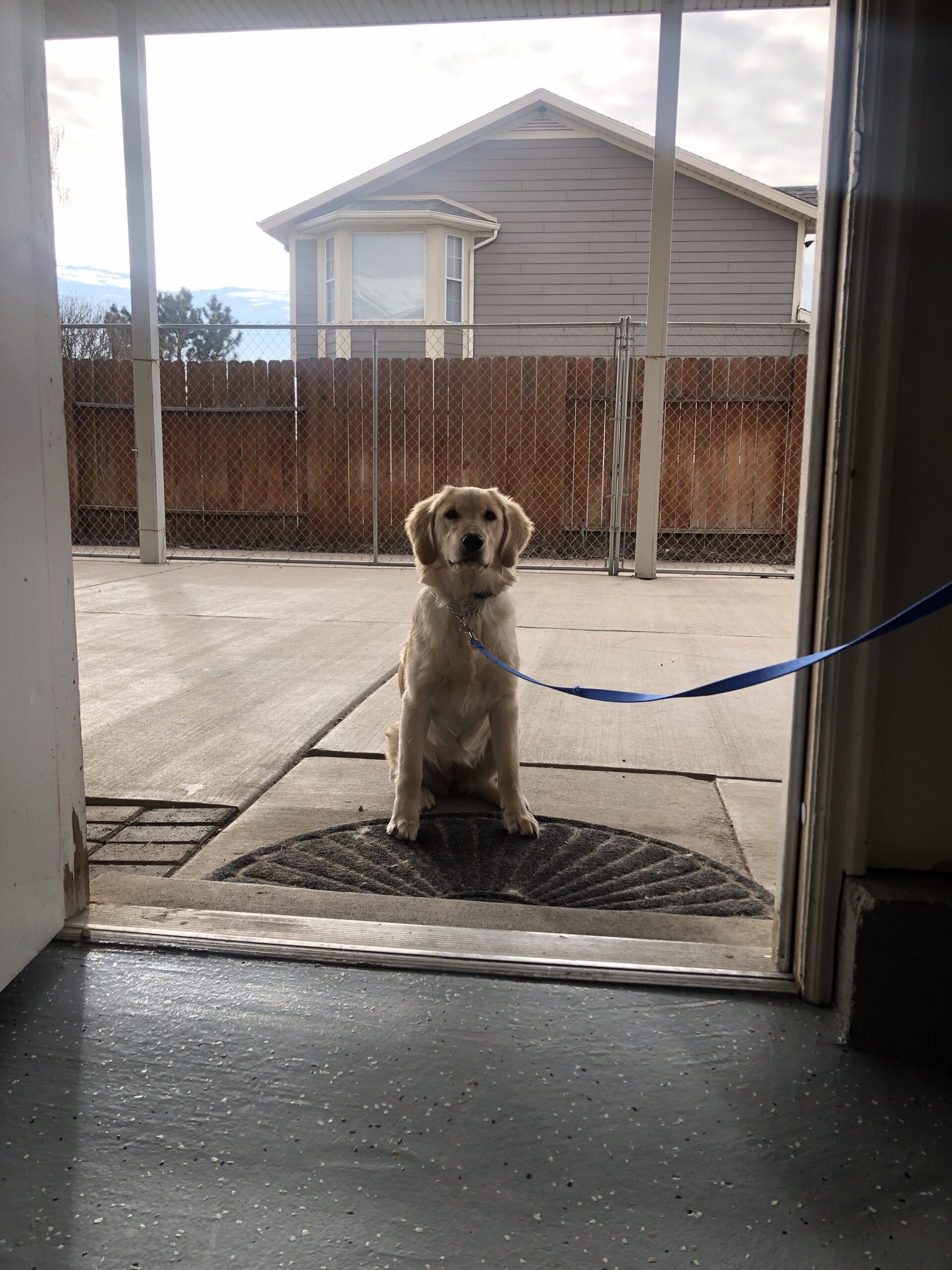
Ask your dog to stay for just a few seconds at first. Praise and reward immediately when your dog obeys. Gradually increase the time your dog stays. Short sessions keep your dog focused and prevent frustration.
Building Duration And Distance
Building duration and distance is a key step in teaching your dog to stay until you say release. This means helping your dog hold the stay position for longer times. Also, you teach your dog to stay while you move farther away. These skills make your dog more reliable and obedient in different situations.
Increasing Stay Time Gradually
Start with short stay periods. Just a few seconds at first. Praise your dog when it holds still. Slowly add more seconds over time. This helps your dog learn patience. Never rush this step. Keep sessions short and positive.
Adding Distance Between You And Your Dog
After your dog can stay for some time, try stepping back. Move one step away and then return. Reward your dog for staying put. Gradually increase the distance. This teaches your dog to trust your commands. It learns to stay even when you are not near.
Practicing In Different Locations
Practice the stay command in many places. Try your backyard, park, or inside your home. Different spots have different distractions. This helps your dog focus better. It learns to obey no matter where you are. Keep sessions fun and short to keep your dog interested.

Credit: www.eventbrite.com
Releasing Your Dog Correctly
Releasing your dog correctly is a key part of teaching the “stay” command. It tells your dog when the stay ends. This clear signal helps your dog understand what you want. Without a proper release, your dog may get confused or break the stay early. Consistency and timing make the release clear and effective.
Choosing A Consistent Release Word
Pick one word as your release signal. Common choices are “okay,” “free,” or “release.” Use the same word every time. This helps your dog link the word to ending the stay. Say it in a calm, clear voice. Avoid changing the word or tone. Consistency builds strong habits in your dog.
Timing The Release
Say the release word only after your dog holds the stay well. Wait a moment before letting your dog move. This shows your dog that staying still is important. If you release too soon, your dog will not learn patience. Good timing helps your dog understand the reward comes after good behavior.
Rewarding After Release
Give your dog a treat or praise right after releasing them. This positive feedback makes your dog happy to follow the command. Rewarding after the release teaches your dog that staying leads to good things. Avoid rewarding too early or too late. Correct timing makes training stronger and clearer.
Troubleshooting Common Issues
Training a dog to stay until released can have some challenges. Many owners face common problems during this process. These issues can slow progress and cause frustration.
Understanding these problems helps in solving them quickly. This section covers the usual troubles and offers clear tips to fix them.
Dealing With Impatience
Dogs often get restless and want to move before released. This impatience can be due to excitement or lack of practice. Keep training sessions short and calm. Reward your dog for waiting a few seconds. Gradually increase the wait time. Use a calm voice to encourage patience. Avoid rushing the process to prevent stress.
Handling Distractions
Distractions make it hard for dogs to focus on the stay command. Noises, other animals, or people can pull their attention away. Start training in a quiet place with few distractions. Slowly add distractions as your dog improves. Use high-value treats to keep your dog’s focus. Praise your dog when they stay despite distractions. Keep training consistent in different environments.
Maintaining Consistency
Consistency is key to teaching a reliable stay command. Use the same words and signals every time. Train at the same times and places when possible. Make sure everyone in the household follows the same rules. Reward good behavior immediately to reinforce learning. Avoid changing commands or letting your dog break the stay early. Consistent practice builds strong habits and trust.

Credit: www.youtube.com
Advanced Stay Training Tips
Advanced stay training helps your dog follow commands better in many situations. It builds trust and control. This training moves beyond basics to real-life practice. This keeps your dog focused and well-behaved.
Using Stay In Real-life Situations
Practice stay during walks or at the park. Ask your dog to stay while you open doors or pick up objects. Use stay in busy places with distractions. This makes the command stronger and more reliable. Always reward your dog for good behavior.
Combining Stay With Other Commands
Mix stay with commands like sit, down, or come. Teach your dog to stay, then call them to come. This improves listening and obedience. Use short training sessions to avoid confusion. Repeat often to build habits.
Keeping Training Fun And Engaging
Use toys and treats as rewards. Change locations and scenarios to keep your dog interested. Play games that include stay commands. Praise your dog with a happy voice. Training should be a positive time for both of you.
Credit: cornerstonedog.com
Frequently Asked Questions
How Long Does It Take To Train A Dog To Stay?
Training a dog to stay typically takes weeks of consistent practice. Daily short sessions improve focus and obedience. Patience and positive reinforcement speed up progress. Every dog learns at its own pace.
What Commands Help Teach A Dog To Stay?
Use simple commands like “stay” and “wait” with clear hand signals. Consistent cues help dogs understand expectations. Reward compliance immediately to reinforce behavior. Avoid confusing your dog with multiple commands.
How Can I Prevent My Dog From Breaking Stay?
Start training in a quiet, distraction-free area. Gradually add distractions as your dog improves. Use a leash to control movement initially. Reward your dog only when it remains in place until released.
When Should I Release My Dog From Stay?
Release your dog only after using a specific release word like “okay. ” This teaches your dog to wait until given permission. Consistency prevents premature movement and strengthens obedience.
Conclusion
Training your dog to stay until released takes time and patience. Practice often in quiet places first. Keep commands clear and rewards consistent. Small steps build strong habits. Your dog will learn to wait calmly. Trust grows with every successful try.
Enjoy the process and celebrate progress. A well-trained dog brings safety and peace. Stay patient, and your efforts will pay off.