

Are you passionate about helping people and animals at the same time? Becoming a trainer for therapy dogs could be the perfect path for you.
Imagine guiding dogs to bring comfort and joy to those who need it most. It’s a rewarding role that requires skill, patience, and heart. You’ll discover the essential steps to start your journey as a therapy dog trainer. Keep reading to unlock the secrets that can turn your love for dogs into a meaningful career.
Skills Needed For Therapy Dog Trainers
Becoming a therapy dog trainer requires a special set of skills. These skills help trainers work well with dogs and people. Trainers must understand dogs deeply and guide them gently. Patience and clear communication play a big role. Knowing how dogs behave makes training easier. Using the right training techniques ensures success. Each skill supports the important job of preparing therapy dogs.
Communication And Patience
Clear communication helps trainers connect with dogs and owners. Trainers use simple commands and calm tones. Patience is key during training sessions. Dogs learn at their own pace. Trainers must stay calm and positive. This builds trust and encourages dogs to try.
Knowledge Of Canine Behavior
Understanding dog behavior is crucial for therapy dog trainers. Trainers recognize signs of stress or excitement. They know how dogs react to new people and places. This knowledge helps trainers keep dogs comfortable. It also guides trainers to adjust training methods.
Training Techniques
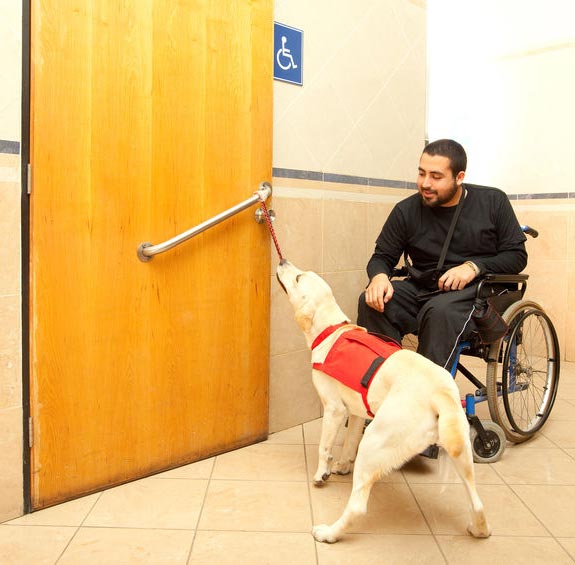
Therapy dog trainers use gentle and consistent techniques. Positive reinforcement rewards good behavior. Trainers avoid harsh punishments. They focus on building skills step by step. Proper techniques help dogs learn tasks needed for therapy work. This ensures dogs remain happy and confident.
Credit: www.dogtrainercollege.us
Steps To Start Training Therapy Dogs
Starting to train therapy dogs involves clear, simple steps. Each step builds a strong foundation for success. Understanding these steps helps you prepare well.
Training therapy dogs means more than teaching tricks. It requires patience, care, and the right approach. Follow these key steps to begin your journey.
Selecting The Right Dog
Choose a dog with a calm and friendly nature. Therapy dogs need to be gentle and patient. Avoid dogs that are shy or aggressive. Look for breeds known for their kind behavior. Health is also important. A healthy dog can handle training and visits.
Basic Obedience Training
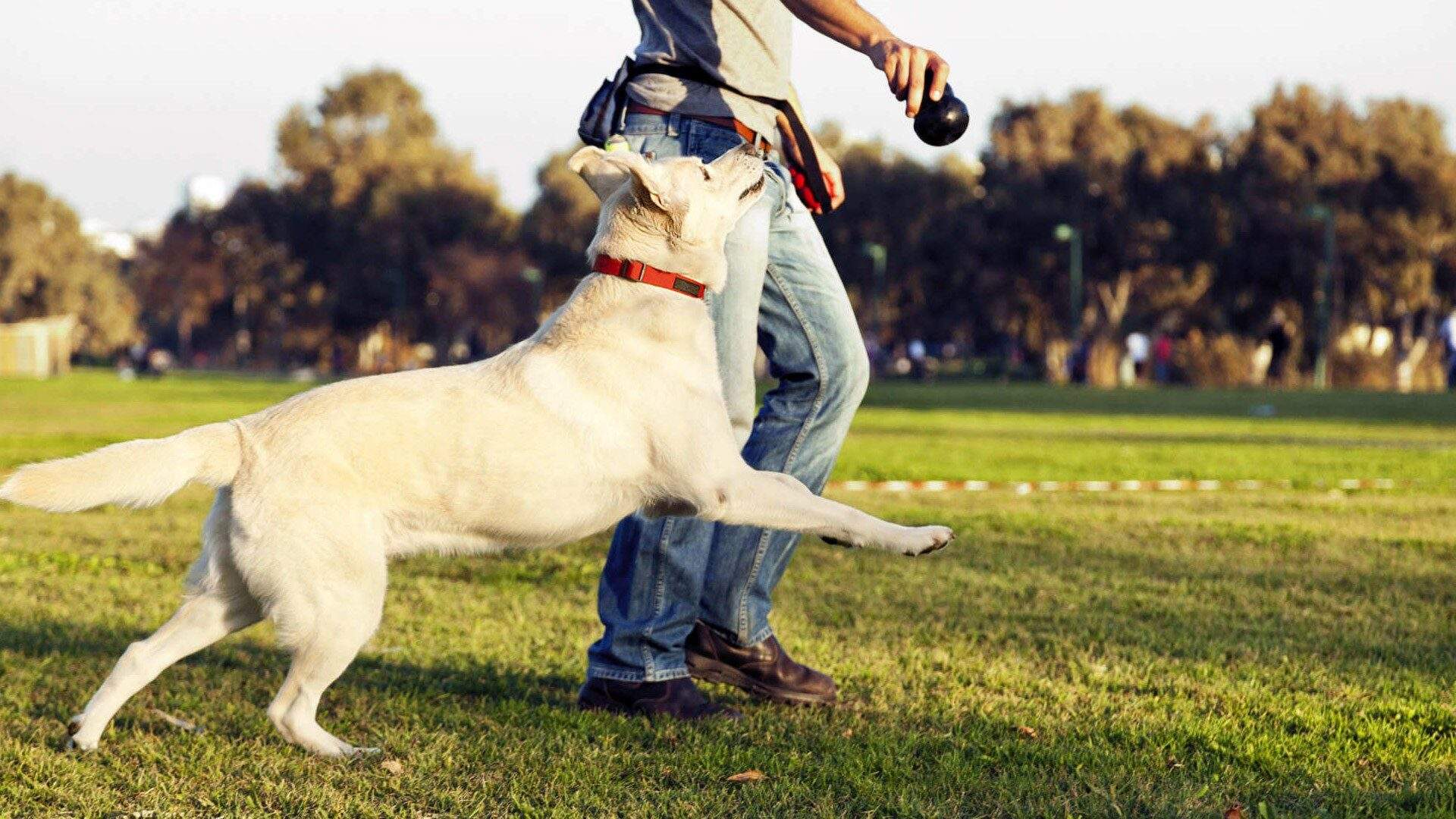
Start with simple commands like sit, stay, and come. These commands build control and trust. Practice daily in short sessions. Use positive rewards like treats or praise. This makes learning fun and effective. Consistency is key to good obedience.
Socialization Practices
Expose the dog to many people and places. Therapy dogs must be comfortable around strangers. Include children, elderly, and busy areas in training. Help the dog stay calm in noisy environments. Socialization reduces fear and builds confidence.
Certification And Education
Certification and education are key steps to become a trainer for therapy dogs. They build your knowledge and skills. These help you train dogs safely and effectively. Proper education boosts your confidence and credibility.
Understanding different training methods and dog behavior is essential. Certification shows you meet professional standards. It also helps clients trust your abilities.
Relevant Courses And Workshops
Start with courses on dog training and behavior. Look for classes that focus on therapy dogs. Workshops offer hands-on experience with real dogs. They teach you how to handle different situations. Short courses can cover basic commands and socialization skills. These are the building blocks of therapy dog training.
Accredited Certification Programs
Choose certification programs recognized by animal training organizations. Accredited programs follow strict guidelines and high standards. They test your knowledge and practical skills. Certification lasts for a set time and may require renewal. This shows you stay up-to-date with the field. Always check the program’s reputation before enrolling.
Continuing Education
Training does not stop after certification. New techniques and research emerge regularly. Attend seminars and advanced workshops to learn more. Continuing education keeps your skills sharp. It also helps you adapt to new challenges. Staying informed benefits both you and the dogs you train.
Credit: www.ameridisability.com
Building Experience
Building experience is a key step to become a trainer for therapy dogs. It helps you learn real skills and understand dog behavior. This hands-on knowledge makes you confident and ready for training therapy dogs.
Experience also shows others that you are serious about this work. It opens doors to meet experts and join training programs. Start small and grow your skills through different activities.
Volunteering Opportunities
Volunteering helps you gain direct contact with therapy dogs. Many hospitals, schools, and nursing homes welcome volunteers. You can assist trainers and see how dogs help people.
This experience improves your ability to handle dogs in real settings. It teaches patience and how to read dogs’ signals. Volunteering builds trust between you and the dogs.
Internships With Professionals
Internships let you work closely with experienced trainers. You learn training techniques and daily routines. This is a chance to ask questions and get feedback.
Internships also give insight into the challenges trainers face. You see the rewards of therapy work up close. This experience is valuable for your career path.
Hands-on Practice
Practice is the best way to improve your skills. Train your own dog or help friends with theirs. Use what you learn from volunteering and internships.
Try different methods and note what works best. Practice helps you understand dogs’ needs and behaviors. It builds confidence and sharpens your training abilities.
Marketing Your Skills
Marketing your skills is key to becoming a successful therapy dog trainer. It helps you reach more people who need your services. Building trust and showing your expertise attract clients and organizations. Focus on clear and simple ways to showcase what you can do.
Creating A Portfolio
A portfolio shows your experience and skills. Include photos and videos of training sessions. Add client testimonials to build trust. List certifications and courses you completed. Keep it easy to read and updated regularly.
Networking With Therapy Organizations
Join local and national therapy dog groups. Attend meetings and events to meet others in the field. Share your knowledge and learn from others. Offer your services for community programs. Strong connections lead to more opportunities.
Using Social Media
Social media helps you share your work with many people. Post short videos showing training tips. Share success stories of therapy dogs and handlers. Use simple language and clear images. Respond quickly to questions and comments to build trust.
Challenges And Solutions
Training therapy dogs is rewarding but not without challenges. Trainers face many obstacles that test their patience and skills. Understanding common problems helps trainers prepare better. Solutions make the journey smoother and more effective.
Handling Difficult Dogs
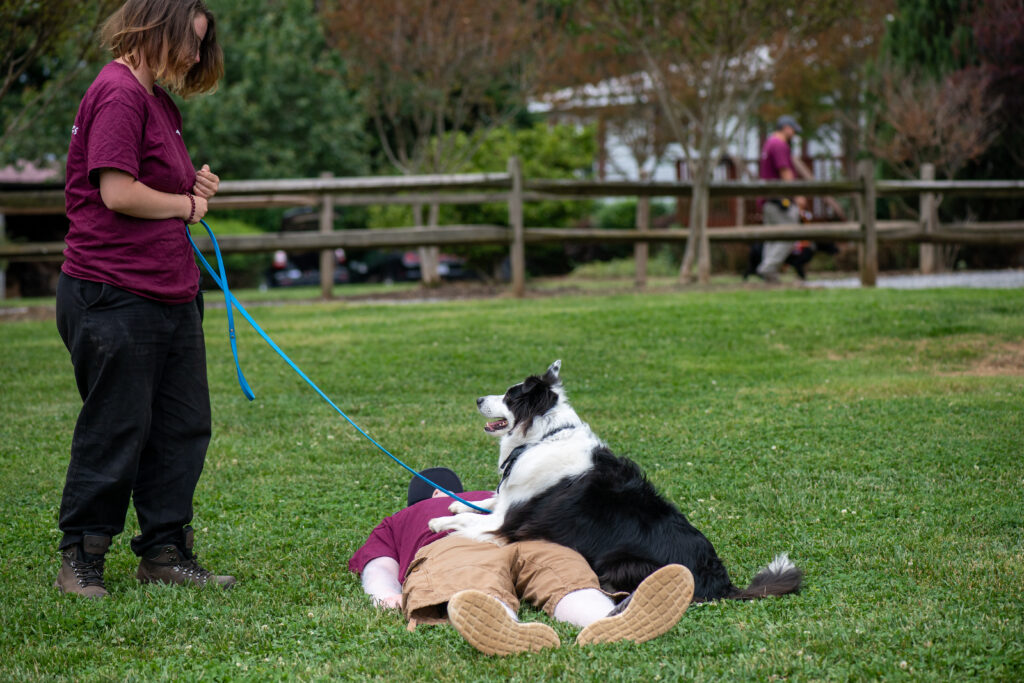
Some dogs resist training or show fear and aggression. Patience and calmness are key to gaining their trust. Break tasks into small steps to avoid overwhelming the dog. Use positive reinforcement to encourage good behavior. Know when to seek help from experienced trainers.
Managing Client Expectations
Clients often expect quick results and perfect behavior. Clear communication about the training process helps set realistic goals. Explain that progress takes time and varies by dog. Share small wins to keep clients motivated. Honest updates build trust and reduce frustration.
Dealing With Emotional Situations
Training therapy dogs involves working with people in tough times. Emotions can run high during sessions. Stay calm and empathetic to support clients and dogs. Maintain professional boundaries to handle stress effectively. Seek support from peers or supervisors when needed.
Credit: internationaldogtrainerschool.com
Frequently Asked Questions
What Qualifications Are Needed To Become A Therapy Dog Trainer?
A therapy dog trainer needs knowledge of dog behavior, obedience, and training techniques. Certification in animal training or therapy dog handling is preferred. Experience with therapy dogs and understanding of emotional support roles are important to ensure effective training.
How Long Does It Take To Train Therapy Dogs?
Training therapy dogs usually takes several months. Basic obedience and socialization skills must be mastered first. Specialized therapy training follows, focusing on calm behavior and public interaction. Consistent practice and patience are essential throughout the process.
Can Anyone Become A Certified Therapy Dog Trainer?
Yes, anyone with a passion for dogs and helping others can train therapy dogs. Completing relevant courses and gaining practical experience is necessary. Certification from recognized organizations boosts credibility and ensures proper training standards.
What Skills Are Essential For Therapy Dog Trainers?
Therapy dog trainers need patience, communication, and empathy. They must understand dog psychology and behavior well. Strong observational skills help trainers assess dogs’ readiness for therapy work. Consistency and positive reinforcement techniques are key.
Conclusion
Becoming a therapy dog trainer takes patience and care. Start by learning about dog behavior and training methods. Practice regularly with different dogs to build your skills. Certification helps prove your knowledge and builds trust with clients. Remember, each dog is unique and needs gentle guidance.
Helping dogs support people brings great rewards. Keep learning and stay dedicated to your work. This path leads to a meaningful and fulfilling career.


