

Training your puppy to become a service dog is a rewarding but challenging task. You want your furry friend to not only be well-behaved but also ready to assist you in important ways.
Imagine having a loyal companion who understands your needs and helps you every day. This guide will walk you through simple, effective steps to turn your puppy into a trusted service dog. Keep reading to discover how you can build a strong bond and teach the skills that truly matter.
Your puppy’s future as a service dog starts here.
Choosing The Right Puppy
Choosing the right puppy is the first step in training a service dog. The puppy must have the right qualities to perform tasks reliably. Careful selection saves time and effort during training. Not every puppy fits the role of a service dog. Understanding key traits, breeds, and health factors helps pick the best candidate.
Traits Of Service Dog Candidates
Service dogs need patience and calmness. They should stay focused on tasks without distraction. Good social skills help them work with different people. High intelligence aids quick learning and problem-solving. Puppies with gentle behavior and strong bonds form better service dogs.
Breeds Suited For Service Work
Some breeds have natural skills for service tasks. Labrador Retrievers and Golden Retrievers are popular choices. They are friendly, smart, and easy to train. German Shepherds offer strong protection and high loyalty. Smaller breeds like Poodles work well for certain needs. Choose a breed that matches the type of service needed.
Evaluating Temperament And Health
Temperament tests reveal how a puppy reacts to new situations. Look for calmness, confidence, and willingness to learn. Avoid puppies with fear or aggression. Health checks ensure the puppy grows strong and fit. Regular vet visits and vaccinations are essential. A healthy puppy has a better chance to succeed as a service dog.

Credit: hopeservicedogs.org
Basic Obedience Training
Basic obedience training lays the foundation for a successful service dog. This training helps your puppy understand what you expect. It also builds trust and communication between you and your dog. Start early to shape good behavior and habits. Consistency and patience are key during this process.
Essential Commands To Teach Early
Teach simple commands such as sit, stay, come, and heel. These commands form the backbone of obedience. Your puppy learns to listen and respond quickly. Early training prevents bad habits from forming. Use clear, short words for each command. Practice these commands several times a day in short sessions.
Building Focus And Responsiveness
A service dog must pay close attention to its handler. Teach your puppy to focus on you despite distractions. Use toys or treats to hold their attention. Start in quiet places and slowly add distractions. Reward your puppy immediately when they respond correctly. This training improves their ability to work in busy environments.
Positive Reinforcement Techniques
Reward good behavior with treats, praise, or play. Positive reinforcement encourages your puppy to repeat actions. Avoid punishment, as it can create fear or confusion. Use a calm voice and gentle touch to guide your dog. Celebrate small successes to keep training fun and effective.
Socialization Skills
Socialization skills are key to training a puppy as a service dog. These skills help the puppy stay calm and focused in many situations. Early and proper socialization makes the dog comfortable around people and places. This comfort is vital for a service dog’s success.
Introducing New Environments
Start by taking your puppy to different places. Parks, stores, and busy streets work well. Let your puppy explore new sights and sounds calmly. Keep visits short at first. Gradually increase the time as your puppy grows more confident. This practice builds trust and reduces fear in unfamiliar settings.
Exposure To Various People And Animals
Allow your puppy to meet many people of all ages. Include children, adults, and seniors. Introduce your puppy to other animals gently. Dogs, cats, and small pets help your puppy learn good manners. Positive experiences with diverse beings teach your puppy to be polite and friendly. Avoid forced interactions to prevent stress.
Handling Distractions In Public
Public places have many distractions. Noise, smells, and movements can distract your puppy. Train your puppy to stay focused despite these distractions. Use commands and rewards to encourage attention. Practice in quiet areas first. Slowly add more distractions as your puppy improves. This skill helps the service dog work well in busy environments.
Task-specific Training
Training a puppy to perform specific service tasks is a crucial step in service dog preparation. Task-specific training focuses on teaching dogs the exact actions they need to assist their handler. This training ensures the dog can reliably perform tasks that improve the handler’s daily life.
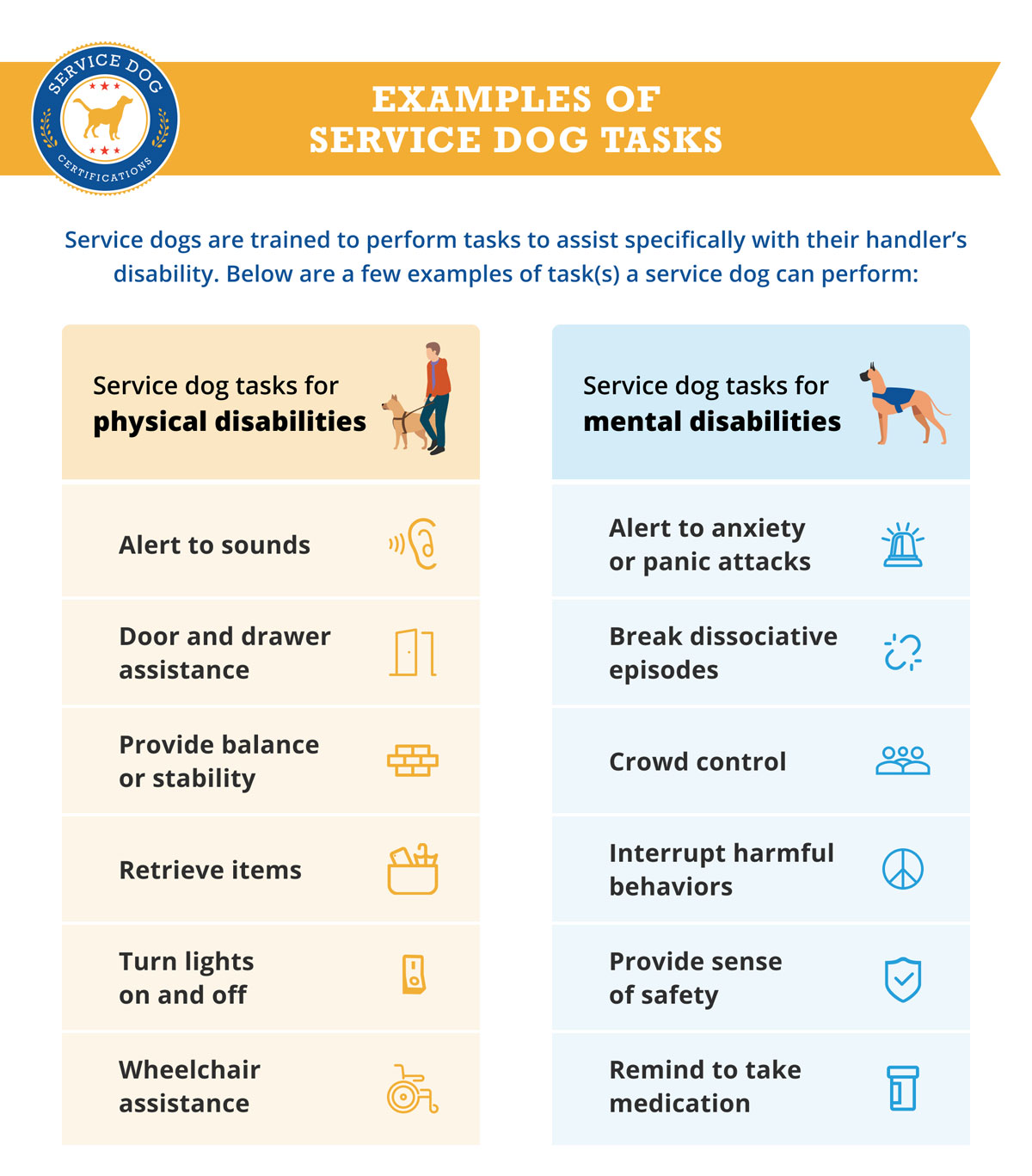
Each service dog must learn tasks that match the handler’s needs. These tasks vary widely, from retrieving items to alerting to sounds or medical conditions. Teaching these skills takes time and clear communication between the trainer and the dog.
Identifying Service Tasks
Start by listing the tasks your puppy will need to perform. Tasks depend on the handler’s disability or condition. Examples include fetching medication, opening doors, or alerting to seizures. Choose tasks that provide real help every day. Clear goals guide effective training.
Teaching Specialized Commands
Use simple commands that match each task. Keep words short and consistent. Pair commands with hand signals for better understanding. Reward your puppy immediately after correct actions. Practice tasks in different places to build reliability. Teaching one task at a time avoids confusion.
Consistency And Patience In Training
Train regularly and keep sessions short to hold your puppy’s attention. Repeat tasks daily to build strong habits. Be patient; some dogs learn slower than others. Avoid punishment; use praise and treats to encourage progress. Consistency helps your puppy know what is expected. Training is a slow but steady process.
Public Access Preparation
Preparing your puppy for public access is an important step in service dog training. It helps your dog learn how to behave in busy places. This training builds confidence and ensures safety for both of you.
Start slowly and increase the difficulty over time. Practice in quiet spots first, then move to busier locations. Your puppy needs to get used to sights, sounds, and smells found in public.
Navigating Public Spaces
Teach your puppy to walk calmly on a leash. Guide them past people and obstacles without pulling. Practice entering stores, parks, and transit areas. Reward calm behavior and focus on you.
Use clear commands like “heel” and “stay.” Keep your dog close to avoid distractions. This training helps your puppy move safely and confidently in public.
Proper Behavior In Crowds
Your puppy must stay calm near many people. Train them to ignore loud noises and sudden movements. Practice standing still or sitting quietly in crowds. Praise your dog for calmness and patience.
Keep sessions short at first. Gradually increase the time spent in crowds. This helps your puppy learn how to control impulses and stay focused on tasks.
Managing Stress And Anxiety
Public places can cause stress for puppies. Watch for signs like panting, whining, or shaking. Use calming techniques like gentle petting or soft voice commands. Give your puppy breaks to relax when needed.
Practice deep breathing exercises yourself to stay calm. Your dog will sense your emotions and feel safer. Regular training reduces anxiety and builds trust between you and your puppy.
Health And Wellness
Training a puppy to be a service dog takes more than obedience. Health and wellness are key to a strong, happy dog. A healthy dog learns better and works well. This section covers important care steps for your puppy’s health.
Regular Veterinary Care
Keep your puppy’s vaccinations up to date. Regular check-ups catch health problems early. Your vet can advise on parasite control and dental care. Healthy puppies have fewer training interruptions. Schedule visits often and follow your vet’s advice.
Nutrition And Exercise
Feed your puppy good-quality food made for puppies. Proper nutrition supports growth and energy. Avoid overfeeding to keep a healthy weight. Exercise builds strength and focus. Daily walks and playtime help your puppy stay fit. Exercise also reduces stress and boredom.
Mental Stimulation And Rest
Service dogs need sharp minds. Teach new skills and give puzzles to solve. Mental challenges keep your puppy alert and interested. Balance training with quiet time. Puppies need plenty of rest to grow. A well-rested dog learns faster and feels better.
Legal And Certification Aspects
Training your puppy to become a service dog involves more than teaching skills. Legal rules and certifications protect your rights and your dog’s role. Knowing these rules helps avoid problems in public places. It also ensures your dog can help you safely and legally.
Understanding Service Dog Laws
Service dog laws vary by country and state. In the United States, the Americans with Disabilities Act (ADA) defines a service dog. It must be trained to do tasks for a person with a disability. These laws protect your right to bring your dog to public places. Some places may ask if your dog is a service dog. You only need to say yes or no. They cannot ask for proof or details about your disability.
Documentation And Identification
Service dogs do not need special ID or certification by law. Some owners choose to get vests or badges for their dogs. These can help others recognize the dog’s role. Avoid buying fake service dog certificates online. These do not hold legal value and can cause trouble. Keep documents from your trainer or healthcare provider. These may help prove your need for a service dog in some cases.
Working With Professional Trainers
Professional trainers know the legal rules for service dogs. They teach your puppy tasks that meet legal standards. Trainers help ensure your dog behaves well in public. Good training reduces chances of being denied access. Trainers also guide you on the rights and responsibilities of owning a service dog. Choose trainers with experience in service dog training. This investment protects your dog and your legal rights.

Credit: atlasdog.org
Maintaining Training Over Time
Training a puppy to become a service dog is not a one-time task. It requires ongoing effort and care. Maintaining training over time helps your dog stay skilled and ready to assist. Consistency is key. Regular practice keeps lessons fresh and behavior strong.
Ongoing Practice And Reinforcement
Practice daily. Short, regular sessions work best. Praise your dog often to encourage good behavior. Use treats or toys as rewards. Repeat important commands and tasks. This keeps skills sharp and builds confidence. Avoid long breaks from training to prevent forgetting.
Adjusting Training As Needs Change
As your needs evolve, training must change too. Add new commands if your situation requires them. Modify tasks to fit your lifestyle better. Watch your dog’s progress and adjust difficulty. This helps your dog stay helpful and effective. Be patient and flexible during changes.
Recognizing When To Seek Help
Sometimes, challenges arise that need expert help. If your dog struggles with tasks, ask a trainer. Professional advice can fix problems quickly. Don’t hesitate to get support for behavior or health issues. Early help keeps training on track and stress low. Your dog’s success depends on teamwork.
Credit: www.servicedogcertifications.org
Frequently Asked Questions
What Are The First Steps To Train A Service Dog Puppy?
Start with basic obedience skills like sit, stay, and come. Socialize your puppy early with various people and environments. Establish a consistent routine to build trust and discipline.
How Long Does It Take To Train A Service Dog?
Training usually takes 6 months to 2 years. It depends on the puppy’s breed, temperament, and the tasks required. Consistent daily training speeds up progress.
Can Anyone Train Their Puppy To Be A Service Dog?
Yes, but training requires time, patience, and knowledge. Some tasks need professional guidance. Certification and legal requirements vary by location.
What Tasks Should A Service Dog Learn First?
Focus on tasks that assist your specific disability. Start with basic obedience, then move to specialized skills like retrieving or alerting. Tailor training to your daily needs.
Conclusion
Training a puppy to become a service dog takes time and patience. Start with basic commands and build good habits daily. Consistent practice helps your puppy learn useful skills. Always reward positive behavior to encourage progress. Remember, every small step moves your dog closer to service readiness.
Stay calm and keep training sessions short and fun. Your effort will create a strong bond between you and your puppy. With dedication, your puppy can become a reliable service companion. Keep believing in the process and enjoy the journey together.


