

Training a German Shepherd puppy can be one of the most rewarding experiences you’ll ever have. But it can also feel overwhelming if you don’t know where to start.
Imagine having a well-behaved, confident, and happy dog by your side—something every German Shepherd owner dreams of. You’re about to discover the best tips that will make training your puppy easier, more effective, and even enjoyable. Keep reading, because the secrets to building a strong bond and raising a smart, obedient companion are just ahead.

Credit: germanshepherdshop.com
Choosing The Right Training Approach
Choosing the right training approach shapes your German Shepherd puppy’s learning. Each puppy is unique and needs a plan that fits their personality and energy. The right method builds trust and makes training fun for both of you.
Positive Reinforcement Techniques
Positive reinforcement means rewarding good behavior. Treats, praise, or playtime work well. This method teaches puppies what you want them to do. It encourages them to repeat good actions. Avoid punishment to keep training happy and effective.
Consistency And Patience
Training needs steady effort every day. Use the same words and actions for commands. Puppies learn best with routine and clear signals. Be patient. Puppies take time to understand and follow rules. Keep training sessions short but regular.
Setting Realistic Goals
Start with small, simple tasks. Teach one command at a time. Celebrate each success, no matter how small. Avoid pushing your puppy too fast. Realistic goals build confidence and make training easier. Step by step progress leads to lasting results.
Essential Commands To Teach Early
Teaching essential commands early helps your German Shepherd puppy learn good behavior. It builds trust and makes training easier. Start with simple commands that your puppy can understand quickly. Consistency and patience are key. These commands keep your puppy safe and happy.
Sit, Stay, And Come
“Sit” is the first command to teach. It helps your puppy focus and listen. Use a treat to guide your puppy’s bottom down. Say “sit” clearly and reward immediately. “Stay” teaches your puppy to wait calmly. Start with short times and increase slowly. Use your hand to signal “stay” and praise good behavior. “Come” is important for safety. Call your puppy with a happy voice. Reward your puppy for coming to you. Practice often in different places.
Leash Training Basics
Leash training helps your puppy walk beside you. Use a comfortable collar or harness. Let your puppy get used to the leash indoors first. Keep walks short and fun. Stop walking if your puppy pulls. Use treats to encourage walking close. Teach your puppy to look at you while walking. This creates good habits and makes walks safe.
Crate Training Benefits
Crate training gives your puppy a safe space. It helps with house training and reduces stress. Make the crate cozy with a blanket and toys. Never use the crate for punishment. Encourage your puppy to enter by using treats. Keep crate time short at first. Gradually increase time to help your puppy feel comfortable. Crate training supports good behavior and independence.
Socializing Your German Shepherd Puppy
Socializing your German Shepherd puppy is very important for their growth. It helps them become confident and friendly dogs. Early socialization teaches your puppy how to behave around new people, animals, and places. This makes training easier and prevents future behavior problems.
Introducing New Environments
Expose your puppy to different places early. Parks, streets, and pet-friendly stores work well. Let your puppy explore at their own pace. New sights and sounds help your puppy adjust to changes. Always stay close to provide comfort and support.
Meeting Other Dogs And People
Allow your puppy to meet other dogs carefully. Choose calm, vaccinated dogs for first meetings. Watch their body language to avoid stress. Introduce your puppy to different people, including children. Friendly interactions build your puppy’s social skills and confidence.
Handling Fear And Anxiety
Fear can happen during socialization. Do not force your puppy into uncomfortable situations. Use gentle encouragement and rewards to ease stress. Give your puppy time to relax and feel safe. Patience helps your puppy overcome fear and grow brave.
Dealing With Common Behavioral Issues
Training a German Shepherd puppy can bring many challenges. Behavioral issues often appear during early months. Addressing these problems early helps build a strong bond. It also makes training smoother and more effective. Understanding common issues lets you act quickly and wisely.
Biting And Nipping Control
German Shepherd puppies explore with their mouths. Biting and nipping is normal at first. Teach your puppy bite inhibition by redirecting to toys. Use a firm “no” or a gentle yelp to show it hurts. Reward calm behavior and avoid rough play. Consistency helps your puppy learn limits fast.
Managing Excessive Barking
Puppies bark to communicate or out of boredom. Ignore attention-seeking barks and praise quiet moments. Give enough exercise and mental challenges daily. Use commands like “quiet” to stop barking. Avoid yelling, as it may encourage more barking. Patience and routine reduce noise over time.
Addressing Chewing Problems
Chewing helps puppies relieve teething discomfort. Provide plenty of chew toys to prevent damage. Remove items you don’t want chewed from reach. When caught chewing wrong things, replace with toys immediately. Praise your puppy when it chooses toys. Proper supervision and redirection protect your home and teach good habits.
Boosting Mental And Physical Stimulation
Training a German Shepherd puppy means focusing on both mind and body. These dogs are smart and full of energy. They need activities that challenge their brain and keep their body active. This balance helps prevent bad behavior and builds a strong bond.
Boosting mental and physical stimulation makes your puppy happier and healthier. It also helps them learn faster and behave better. Use fun and simple methods to keep your puppy busy every day.
Interactive Toys And Puzzles
Interactive toys and puzzles make your puppy think and solve problems. Toys that hide treats encourage your dog to figure out how to get the food. This keeps their mind sharp and focused. Choose toys that match your puppy’s age and skill level. Change toys often to keep their interest high.
Daily Exercise Routines
Daily exercise helps your puppy burn off energy and stay fit. Walks, runs, and playtime improve their strength and endurance. Try short sessions several times a day for young puppies. Exercise also reduces stress and stops boredom. A tired puppy is a happy puppy.
Training Games For Engagement
Training games turn learning into fun and build good habits. Simple commands like “sit” or “stay” can become games with treats and praise. Use toys or obstacles to make training lively. These games improve focus and obedience. Keep sessions short and positive to hold your puppy’s attention.

Credit: www.youtube.com
Health And Nutrition Tips For Training Success
Good health and proper nutrition play a big role in training a German Shepherd puppy. A healthy puppy learns faster and stays focused during training. Feeding the right food and keeping up with health checks helps your puppy grow strong.
Training can be tiring for a young dog. Proper care supports energy and prevents illness. Pay attention to what your puppy eats and how it rests. This creates a good foundation for training success.
Balanced Diet For Energy
A balanced diet fuels your German Shepherd puppy. Choose foods rich in proteins, fats, and essential vitamins. Proteins build muscles and support brain function. Healthy fats provide long-lasting energy. Vitamins and minerals keep the immune system strong. Avoid too many treats or table scraps. Stick to high-quality puppy food made for large breeds.
Regular Vet Checkups
Schedule vet visits regularly to track your puppy’s health. Vaccinations protect against common diseases. The vet checks for parasites and illnesses early. Early care prevents problems that slow training progress. Ask the vet about suitable supplements or diet changes. Keep vaccination and health records handy for reference.
Hydration And Rest Importance
Water is vital for your puppy’s body and mind. Always provide fresh, clean water during training sessions. Dehydration causes tiredness and poor focus. Rest is equally important for growth and learning. Puppies need 18 to 20 hours of sleep daily. Give your puppy a quiet, comfy space to relax. Well-rested puppies perform better in training.
Using Technology And Tools Effectively
Training a German Shepherd puppy can be easier with the right technology and tools. These aids help you teach commands, track growth, and keep your puppy safe. Using modern tools makes training more fun and effective. Technology supports clear communication and consistent routines.
Training Apps And Online Resources
Many apps offer step-by-step training guides. They provide videos and tips for common puppy problems. Online forums let you ask questions and share experiences. These resources fit your schedule and pace. You can learn new techniques anytime, anywhere.
Harnesses And Clickers
Harnesses give better control during walks and training sessions. They reduce pulling and protect your puppy’s neck. Clickers create a clear sound to mark good behavior. This helps puppies understand which actions you like. Using a clicker speeds up learning and builds trust.
Tracking Progress
Keeping a training journal shows what works best. Note commands learned and behavior changes daily. Some apps track progress automatically with reminders. Seeing improvement motivates you to keep going. Tracking helps spot problems early and adjust plans.
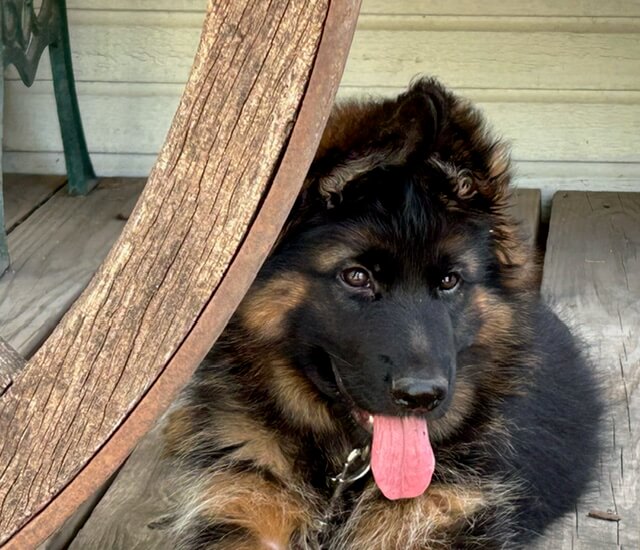
Credit: kaisergsd.com
Frequently Asked Questions
How Early Should I Start Training My German Shepherd Puppy?
Start training your German Shepherd puppy as soon as you bring them home. Early training builds good habits and social skills. Puppies are most receptive between 8 to 16 weeks old. Consistent, gentle guidance during this period sets a strong foundation for obedience and behavior.
What Are The Best Training Methods For German Shepherd Puppies?
Positive reinforcement is the most effective training method for German Shepherd puppies. Use treats, praise, and play to reward good behavior. Avoid harsh punishments as they harm trust and slow learning. Consistency and patience are key to successful training outcomes.
How Long Should Training Sessions Be For Puppies?
Keep training sessions short, ideally 5 to 10 minutes per session. Puppies have short attention spans, so frequent, brief sessions work best. Multiple sessions throughout the day help reinforce commands without overwhelming your puppy. This approach improves focus and learning retention.
When Should Socialization Begin For German Shepherd Puppies?
Socialization should start immediately after your puppy’s initial vaccinations. Introduce them to various people, animals, and environments safely. Early socialization prevents fear and aggression later in life. Gradual exposure helps your puppy become confident and well-adjusted.
Conclusion
Training a German Shepherd puppy takes patience and care. Start with simple commands and be consistent every day. Praise your puppy often to build good habits. Short, fun sessions help keep their attention strong. Remember, gentle guidance helps your puppy learn best.
Enjoy the process and watch your puppy grow smart and happy. Training builds trust and a strong bond between you both. Keep practicing, and success will come in time.


