

Have you noticed your dog acting restless, shaking, or chewing on things they shouldn’t? These signs could mean your furry friend is struggling with anxiety.
Understanding dog anxiety behavior is key to helping your pet feel safe and calm again. You’ll discover what triggers these behaviors, how to spot them early, and simple ways to ease your dog’s stress. Keep reading to learn how you can make a real difference in your dog’s happiness and well-being.
Signs Of Anxiety In Dogs
Dogs show anxiety in many ways. Recognizing these signs helps you support your pet. Anxiety can affect their behavior and health. Watch for changes to catch problems early.
Common Behavioral Symptoms
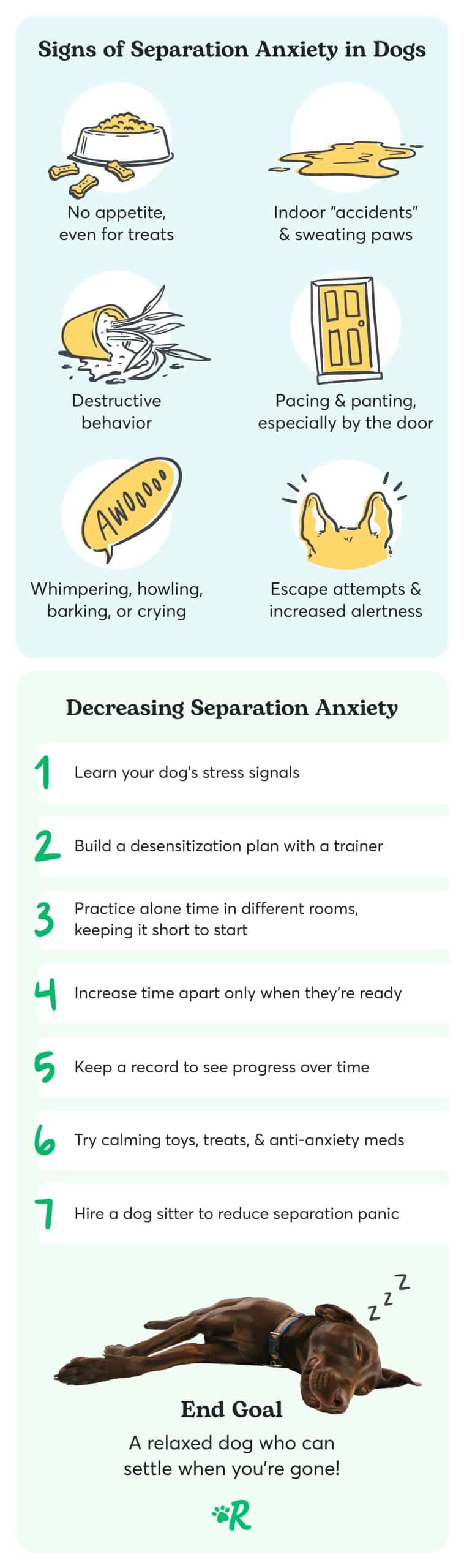
Anxious dogs may bark or whine a lot. They might pace around the room. Some dogs hide or try to escape. Destructive chewing or scratching is common. They may also show aggression or snap.
Physical Indicators
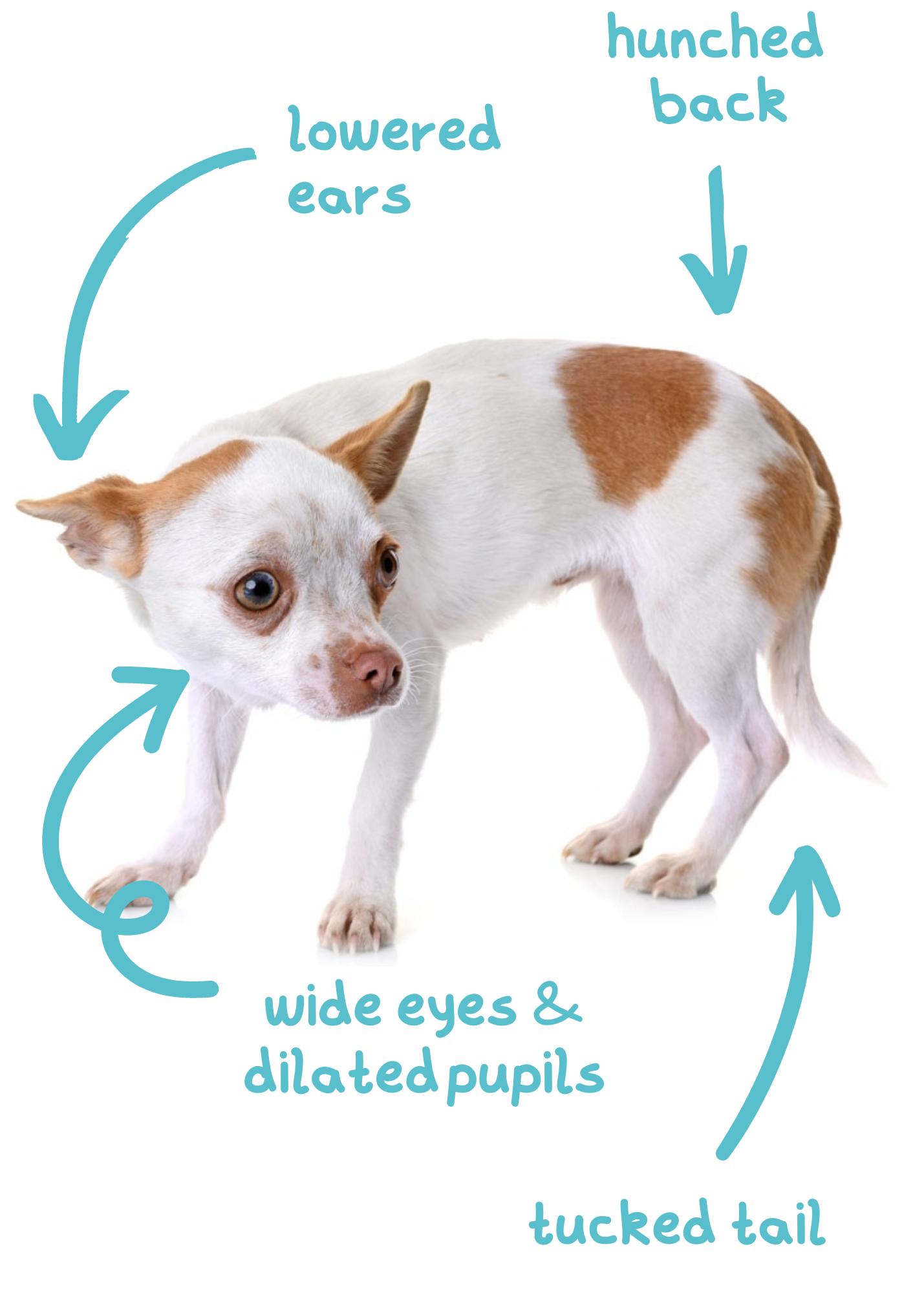
Shaking or trembling can signal anxiety. Heavy panting even without heat is a sign. Dogs may lick their lips or yawn often. Their ears might lay flat against the head. Dilated pupils and a tucked tail also appear.
Situations That Trigger Anxiety
Loud noises like fireworks or thunder frighten dogs. Separation from owners causes stress for many pets. New places or strangers can create fear. Changes in routine upset some dogs. Car rides or vet visits often trigger anxiety.
Credit: dontforgetthepets.org
Causes Of Dog Anxiety
Dog anxiety is a common issue that affects many pets. Understanding what causes anxiety helps owners support their dogs better. Anxiety can come from different sources. Each dog may react differently to these causes.
Genetic Factors
Some dogs inherit anxiety traits from their parents. Certain breeds are more prone to nervous behavior. Genes can influence how a dog handles stress. This means anxiety can be part of a dog’s nature.
Environmental Triggers
Changes in the dog’s surroundings can cause anxiety. Loud noises like thunder or fireworks often scare dogs. Moving to a new home can upset them. Even new people or other animals might trigger stress.
Past Trauma Or Abuse
Dogs that faced abuse or neglect show more anxiety signs. Bad experiences create fear that lasts long. These dogs may react strongly to small triggers. Patience and gentle care help them heal over time.
Immediate Calming Techniques
Dogs can feel anxious for many reasons. Immediate calming techniques help ease their stress fast. These methods focus on soothing your dog right away. They can reduce anxiety and make your pet feel safe. Try simple actions that bring calm quickly. Understanding these techniques can help your dog feel better soon.
Using Comforting Touch
Touch is a powerful way to calm dogs. Gentle petting lowers their heart rate and stress. Soft strokes on the chest or behind the ears work well. Hold your dog close if they like hugs. Avoid sudden or rough movements. Calm, steady touch shows your dog you care. This simple act can ease panic or nervousness.
Aromatherapy And Calming Scents
Certain scents help dogs relax. Lavender and chamomile are safe and calming. Use a diffuser or spray lightly near your dog’s space. Avoid strong smells that might irritate them. Aromatherapy can create a peaceful environment quickly. This method works well during storms or fireworks. Scents can gently reduce anxiety without drugs.
Soothing Sounds And Music
Sounds affect a dog’s mood deeply. Soft music or white noise masks scary noises. Classical music often calms dogs effectively. Play music at a low volume near your dog. Avoid loud or sudden sounds that might frighten them. Soothing sounds create a safe, quiet space. This technique helps dogs relax and feel secure.

Credit: telegrafi.com
Long-term Anxiety Management
Managing dog anxiety over the long term takes patience and care. It involves daily habits that help your dog feel safe and calm. You can support your pet by creating a stable environment and using positive activities. These steps reduce stress and build confidence in your dog. The goal is to make anxiety less frequent and easier to handle.
Regular Exercise And Play
Exercise helps burn off nervous energy. It also releases feel-good chemicals in the brain. Daily walks, runs, or playtime keep your dog’s mind and body busy. This lowers tension and prevents anxious behaviors. Games like fetch or tug-of-war are fun and tiring. Even short bursts of activity make a big difference.
Consistent Routine And Structure
Dogs feel safer with a set daily schedule. Feeding, walks, and rest should happen around the same time each day. Predictability helps reduce fear of the unknown. A routine gives your dog a sense of control. It also helps your dog learn what to expect next.
Training And Behavior Modification
Training teaches your dog how to respond calmly in stressful situations. Use positive rewards like treats and praise. Avoid punishment, which can increase anxiety. Focus on small, clear commands and patience. Gradual exposure to triggers helps your dog adjust. Behavior modification builds trust and reduces fear over time.
Diet And Supplements For Calmness
Diet and supplements play a big role in managing dog anxiety. Feeding the right foods can help calm your dog naturally. Supplements can support this calming effect. Both together create a peaceful routine for your pet.
Foods That Reduce Stress
Some foods help reduce stress in dogs. Blueberries, salmon, and sweet potatoes are great choices. These foods have nutrients that support brain health. Omega-3 fatty acids found in fish improve mood and calmness. Avoid foods with too much sugar or artificial ingredients. These can make anxiety worse.
Natural Supplements
Natural supplements can help ease anxiety too. Chamomile and valerian root are known for their calming properties. CBD oil has gained attention for reducing stress in dogs. Probiotics support gut health, which affects mood. Use supplements designed for pets only.
Consulting Your Veterinarian
Your vet knows your dog’s health best. Always ask before adding new foods or supplements. Some may interfere with medications or cause allergies. A vet can suggest safe and effective options. Regular check-ups help monitor your dog’s anxiety progress.
Credit: www.rover.com
Creating A Safe Space
Creating a safe space helps reduce your dog’s anxiety. It gives your pet a quiet, calm place to relax. A safe space feels like a little home for your dog. This spot should be cozy and free from loud noises. Dogs feel better when they know where to go for comfort.
Designing A Comfort Zone
Choose a quiet corner in your home for your dog. Use soft bedding to make it warm and inviting. Add your dog’s favorite toys or blankets with familiar smells. Keep the area clean and free of clutter. This space should be easy to access at all times.
Using Crates Effectively
Crates can be a safe space if introduced gently. Make the crate comfortable with a soft mat or blanket. Leave the door open at first to let your dog explore. Avoid forcing your dog inside the crate. Use treats and praise to create positive feelings.
Minimizing Stressful Stimuli
Reduce loud sounds and bright lights near your dog’s space. Avoid placing the safe zone near busy areas like the kitchen. Keep the environment calm during storms or fireworks. Use white noise machines or calming music if needed. Small changes can make a big difference in stress levels.
When To Seek Professional Help
Knowing when to seek professional help for your dog’s anxiety is very important. Some signs show the problem is serious. Early help can stop anxiety from getting worse. It can also improve your dog’s well-being and your peace of mind. Understanding these signs and options can guide you to the right support.
Signs Anxiety Needs Expert Attention
Look for constant pacing or trembling. Excessive barking or howling can be a warning. Destructive chewing or digging shows distress. Loss of appetite or hiding often means anxiety is strong. If your dog has accidents inside after house training, it may need help. Aggression or sudden fear are serious signs. These behaviors last more than a few days or worsen.
Types Of Professionals To Consult
Start with a veterinarian to rule out health issues. A veterinary behaviorist has special training in animal psychology. Certified dog trainers can teach coping skills and good habits. Animal behaviorists study pet emotions and reactions. Some therapists offer anxiety treatment for pets. Choose a professional with good reviews and experience. Their guidance fits your dog’s specific needs.
Available Treatment Options
Therapy may include behavior modification techniques. Desensitization helps your dog face triggers slowly. Counter-conditioning teaches positive responses to stress. Medication can ease severe anxiety under vet supervision. Relaxation exercises and calming environments reduce stress. Some use natural remedies like pheromone diffusers. Combining methods often gives the best results. Patience and consistency are key in treatment success.
Frequently Asked Questions
What Are Common Signs Of Dog Anxiety Behavior?
Common signs include excessive barking, pacing, panting, trembling, and destructive chewing. Dogs may also hide or avoid interaction when anxious.
How Can I Help Reduce My Dog’s Anxiety?
Provide a calm environment, use positive reinforcement, maintain routine, and consider anxiety wraps or calming supplements after vet consultation.
Can Separation Anxiety Cause Behavioral Issues In Dogs?
Yes, separation anxiety often leads to destructive behavior, excessive barking, and house soiling when dogs are left alone.
When Should I Consult A Vet About Dog Anxiety?
Consult a vet if anxiety symptoms persist, worsen, or affect your dog’s daily life and overall health.
Conclusion
Dog anxiety can affect their health and happiness. Watch for signs like shaking or hiding. Stay calm and patient to help your dog feel safe. Creating a quiet space can reduce stress. Regular walks and playtime boost their mood. Training with treats builds confidence.
Sometimes, a vet visit is needed for advice. Understanding your dog’s feelings strengthens your bond. Small steps make a big difference. Caring for anxious dogs takes time and love. You can help your dog live a calmer life.


