

If you’re thinking about getting a service dog, one of the first questions on your mind is probably: How much does service dog training cost? Understanding the expenses involved can help you plan better and avoid surprises.
Whether you want your dog to assist with mobility, hearing, or emotional support, the price can vary widely. You’ll discover what factors affect the cost, what to expect at different price points, and how to find the best training option for your needs.
Keep reading to get clear answers and make confident decisions about your service dog journey.
Service Dog Training Basics
Training a service dog requires time, effort, and specific skills. Understanding the basics helps to know why costs vary. Each service dog has unique needs and training goals. The training process shapes the dog’s behavior to assist people effectively. This section explains the types of service dogs, how long training takes, and common training methods.
Types Of Service Dogs
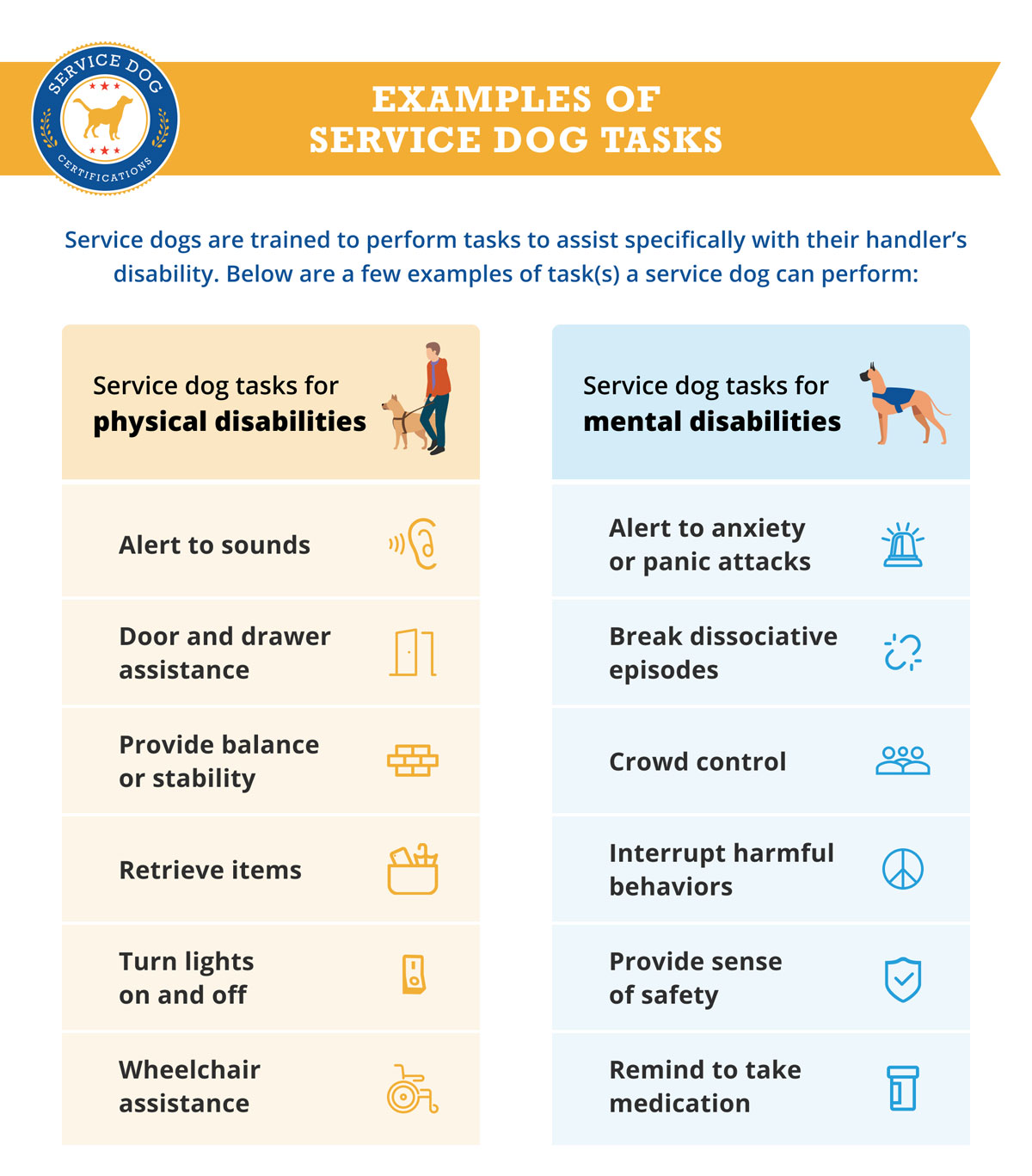
Service dogs help people with various disabilities. Some guide people who cannot see. Others alert those with hearing loss. Medical alert dogs warn about health problems. Mobility assistance dogs help with physical tasks. Each type needs special training for specific tasks. Training matches the dog’s skills to the owner’s needs.
Training Duration
Training usually lasts from several months to two years. Basic obedience training takes a few months. Task-specific training may need more time. Puppies start training early for better results. Adult dogs may learn faster but need patience. The time depends on the dog’s age and abilities.
Training Methods
Positive reinforcement is the most common method. Trainers reward good behavior with treats or praise. This encourages dogs to repeat tasks. Some use clicker training to mark correct actions. Training happens in many places to ensure reliability. Consistency and patience are key to success.
Factors Affecting Training Costs
Several factors influence the cost of service dog training. These elements affect how much time and effort trainers spend. Understanding these factors helps you prepare for the expenses involved.
Breed And Age Of Dog
Some breeds learn faster than others. Bigger dogs may need more training time. Younger dogs often adapt quickly to new skills. Older dogs might require extra patience and sessions.
Training Location
Training costs vary by location. Urban areas usually have higher fees than rural ones. Some trainers offer in-home lessons, which can add to the price. Boarding training centers charge for daily care and sessions.
Trainer Experience
Experienced trainers charge more for their expertise. They use proven methods that speed up learning. New trainers may offer lower rates but less experience. Choosing a skilled trainer can save money in the long run.
Training Program Intensity
Intensive programs cost more due to longer hours. Basic training takes fewer sessions and is cheaper. Specialized skills require more practice and higher fees. The program length directly affects the total cost.
Price Ranges For Service Dog Training
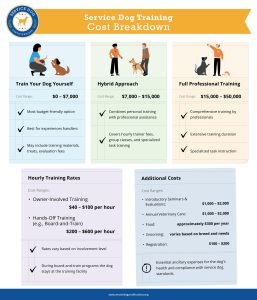
Service dog training costs vary widely based on the type and level of training. Many factors affect the price, such as the dog’s age, breed, and the tasks it must learn. Understanding the price ranges helps plan your budget better.
Training a service dog is a serious commitment. The process includes basic obedience, advanced skills, and special task training. Each step has its own costs and time requirements.
Basic Training Costs
Basic training covers obedience, socialization, and simple commands. This training usually lasts a few months. Prices range from $1,000 to $3,000. This stage builds the foundation for more complex skills.
Advanced Training Expenses
Advanced training teaches more difficult commands and public behavior. Dogs learn to ignore distractions and stay calm in crowds. The cost often ranges between $3,000 and $10,000. This phase prepares the dog for real-life service situations.
Specialized Task Training
Specialized training focuses on tasks tailored to specific disabilities. Examples include guiding, alerting, or retrieving items. Prices can reach $15,000 or more. This training is highly personalized and requires expert trainers.
Additional Costs To Consider
Training a service dog involves more than just the initial fees. Several extra costs affect the total budget. These costs ensure the dog’s health, comfort, and legal recognition. Understanding these expenses helps plan better for a service dog’s needs.
Veterinary Care
Regular vet visits keep your service dog healthy. Shots, checkups, and emergency visits add up. Dental care and flea prevention are vital too. A healthy dog performs tasks better and lives longer.
Equipment And Supplies
Service dogs need special gear for training and work. Leashes, harnesses, and vests are common items. Toys and treats help with motivation and training. Keep supplies in good shape to support your dog’s job.
Certification And Registration Fees
Some organizations charge for service dog certification. Registration may help with public access rights. Fees vary widely depending on the provider. These costs protect your dog’s official status.
Funding Options And Financial Assistance
Training a service dog can be expensive. Many people need help to cover these costs. Funding options and financial assistance can make service dog training more affordable. Several programs and organizations offer support. Knowing these options can ease the financial burden.
Grants And Scholarships
Grants and scholarships provide funds that do not need repayment. Some groups offer these for service dog training. They may require an application or proof of need. These funds help cover training fees and related expenses. Searching for grants early can improve chances of approval.
Nonprofit Organizations
Nonprofit organizations often support people training service dogs. Some provide financial help or free training services. Others offer fundraising assistance or low-cost training programs. Many nonprofits focus on specific disabilities or regions. Contacting local nonprofits can reveal helpful resources.
Government Support Programs
Government programs sometimes offer financial aid for service dog training. Veterans, disabled individuals, and low-income families may qualify. Programs vary by country and region. Eligibility rules and application processes differ widely. Checking with social services or disability offices can provide guidance.
Credit: chilldoglife.com
Choosing The Right Training Program
Choosing the right training program for a service dog is very important. The program affects the dog’s skills and your overall experience. You should think about different training styles and settings. This helps you find a program that fits your needs and budget.
In-person Vs. Online Training
In-person training offers direct interaction with the trainer and dog. This helps solve problems quickly. Online training is flexible and can be done at home. It may cost less. Both types teach basic skills but differ in support and hands-on practice.
Private Vs. Group Sessions
Private sessions give focused attention to you and your dog. Trainers can customize lessons. Group sessions are cheaper and provide socialization for your dog. Group classes offer peer support but less individual help. Choose based on your budget and learning style.
Evaluating Trainer Credentials
Check the trainer’s experience with service dogs. Look for certifications or memberships in professional groups. Reviews and references show trainer reliability. Good trainers follow ethical guidelines and use positive methods. Proper credentials ensure quality and safety.
Cost-saving Tips For Service Dog Training
Training a service dog can be expensive. The costs add up fast, from trainers to equipment. Saving money helps many people get the help they need. Here are some easy ways to reduce the cost of service dog training. Each tip can make a big difference.
Training At Home
Training your dog at home saves money on professional fees. Use online videos and books to guide you. Start with basic commands and build skills slowly. Consistency is key. Practice daily in short sessions. This keeps your dog interested and eager to learn.
Volunteering Opportunities
Some training programs offer discounts for volunteers. You can help with tasks in exchange for training. This lowers your cost and helps trainers at the same time. Check local service dog organizations for openings. Volunteering also builds community and support.
Using Rescue Dogs
Rescue dogs often have lower adoption fees. Many are smart and ready to learn. Training a rescue dog saves money compared to buying a puppy. Visit shelters or rescue groups to find a suitable dog. Give a dog a second chance and save on costs.

Credit: www.doggonesmart.com
Credit: www.servicedogcertifications.org
Frequently Asked Questions
How Much Does Basic Service Dog Training Cost?
Basic service dog training typically ranges from $15,000 to $25,000. Costs vary based on trainer expertise and training length. This includes obedience, task training, and public access skills. Some programs offer financial aid or payment plans to help with expenses.
Are There Cheaper Alternatives For Service Dog Training?
Yes, some nonprofit organizations offer discounted or free service dog training. Self-training under professional guidance can reduce costs but requires time and dedication. Always ensure training meets legal standards for service dogs.
What Factors Influence Service Dog Training Prices?
Training cost depends on dog breed, trainer’s reputation, training duration, and included services. Specialized tasks or advanced skills may increase expenses. Geographic location and certification also impact overall pricing.
Can Service Dog Training Be Done At Home?
Home training is possible with professional support and clear guidelines. It saves money but demands consistent effort and expertise. Some tasks require specialized training best done by certified trainers.
Conclusion
Service dog training costs vary based on many factors. Training quality, location, and dog breed affect the price. Investing in proper training ensures safety and support. Some programs offer financial help or payment plans. Always research and compare options before deciding.
Remember, a well-trained service dog improves daily life. Choose wisely to get the best value for your needs.


