
If your dog has just been spayed, you might be wondering how this surgery will change her behavior. You’re not alone—many pet owners notice shifts in energy, mood, or habits after spaying.
Understanding these changes can help you support your furry friend better and ease any worries you have. You’ll discover what to expect from your dog’s behavior after spaying and learn simple ways to help her adjust smoothly. Keep reading to find out how you can make this recovery period comfortable and stress-free for both of you.
Common Behavior Changes
Spaying a dog often brings changes in her behavior. These changes happen because of hormone shifts. Understanding common behavior changes helps owners care better for their pets. Changes usually appear gradually over weeks or months after surgery.
Reduced Aggression
Many dogs become less aggressive after spaying. Hormones linked to mating drive decrease. This lowers fights with other dogs and reduces territorial behavior. Dogs often show more patience and tolerance toward others.
Calmer Demeanor
Spayed dogs tend to be calmer overall. They may feel less anxious or restless. This calmness helps them relax at home and during walks. Owners often notice a more gentle and peaceful pet.
Changes In Activity Level
Activity levels often drop after spaying. Dogs might play less or rest more. Their energy needs reduce without the drive to find mates. Exercise remains important to keep a healthy weight and mood.
Emotional Effects
Spaying can change a dog’s feelings and behavior. These emotional effects are normal and usually short. Understanding these changes helps owners care for their pets better. Dogs show different emotions after surgery.
Increased Affection
Many dogs become more loving after spaying. They may want more hugs and attention. This need for closeness helps them feel safe. Your dog might follow you around more often. This extra affection is a sign of comfort.
Temporary Anxiety
Some dogs feel nervous after the operation. They might hide or seem restless. This anxiety usually lasts a few days. Quiet time and gentle care can ease their worry. Watch for signs like shaking or whining.
Mood Swings
Dogs can have mood changes after spaying. They might be happy one moment and quiet the next. Hormone shifts cause these ups and downs. These mood swings fade as your dog heals. Patience and kindness help your dog adjust.
Physical Influences On Behavior
Spaying causes several physical changes in dogs that affect their behavior. These changes are natural and part of the healing process. Understanding these physical influences helps pet owners support their dogs better during recovery.
Hormonal Shifts
Spaying removes the ovaries, which produce hormones like estrogen. This drop in hormones can change a dog’s mood and activity. Some dogs become calmer, while others may feel more tired or less interested in play.
These changes can last for weeks. Dogs adjust as their bodies find a new balance. Hormonal shifts also reduce behaviors like heat cycles and roaming.
Pain And Discomfort
Surgery causes pain, swelling, and soreness. These feelings affect how a dog behaves. A dog may seem quiet or shy. It may avoid moving or playing.
Pain can make dogs grumpy or less social. Gentle care and pain relief help dogs feel better faster. Watch for signs of pain and provide comfort.
Recovery Time Impact
The healing period limits a dog’s activity. Rest is important to avoid injury. Dogs may seem bored or restless during this time.
Restricted movement can lead to short-term behavior changes. Dogs might whine or seek more attention. Patience and calm support ease this phase.
Credit: www.whole-dog-journal.com
Behavioral Issues To Watch For
Spaying is a common surgery for female dogs. It helps prevent unwanted puppies and can improve health. After surgery, your dog might show some behavior changes. Watch closely for signs that need attention. Early detection helps your dog heal well.
Some behaviors are normal after spaying. Others may need a vet’s check. Knowing what to expect keeps you prepared. Here are key behaviors to watch for after spaying.
Excessive Licking Or Chewing
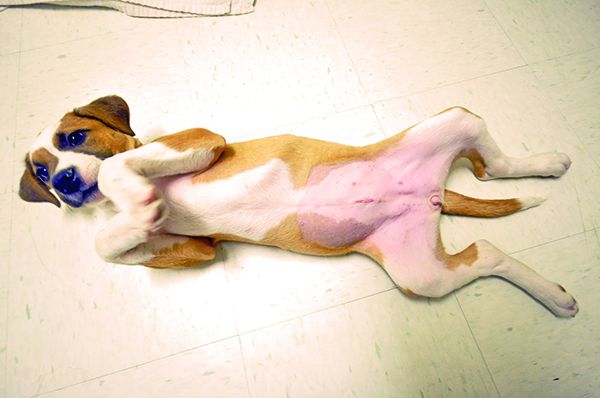
Dogs often lick their wounds to clean them. Too much licking can cause irritation or infection. Chewing the surgery site can open the wound. This slows healing and may need treatment. Use an e-collar if licking gets bad. Keep the area clean and dry to help healing.
Withdrawal Or Lethargy
Your dog may feel tired after surgery. Some rest is normal for a few days. Long periods of withdrawal or sleep are not normal. If your dog hides or avoids people, watch closely. These signs can mean pain or sadness. Contact your vet if lethargy lasts more than two days.
Changes In Appetite
Appetite may drop right after surgery. A small loss of hunger is common for 24 hours. If your dog refuses food for longer, this is a concern. Eating less can cause weakness and slow recovery. Offer small, tasty meals and fresh water. Contact your vet if appetite does not improve soon.
Supporting Your Dog Post-surgery
Supporting your dog after spaying is very important for her recovery. Careful attention helps her heal faster and feel safe. Dogs need gentle care and rest after surgery. Your role is to create a quiet, safe space and watch her behavior closely. This support reduces stress and helps avoid complications.
Creating A Calm Environment
Choose a quiet room for your dog to rest. Keep noise and visitors to a minimum. Soft bedding makes her comfortable. Avoid bright lights and loud sounds. This calm space helps your dog relax and heal. Keep her away from other pets that might bother her.
Monitoring Activity Levels
Limit your dog’s movements during the first days. No running, jumping, or playing. Short, slow walks are fine if your vet agrees. Watch for signs of tiredness or pain. Rest is key to healing the surgery site. Overactivity can cause bleeding or swelling. Follow your vet’s advice on exercise carefully.
When To Consult A Vet
Check for redness, swelling, or bad smell around the incision. Notice if your dog is very tired or not eating. Watch for vomiting, diarrhea, or unusual behavior. These signs need quick vet attention. Call your vet if you see bleeding or if stitches come loose. Early help prevents serious problems.

Credit: www.reddit.com
Long-term Behavior Benefits
Spaying can change a dog’s behavior in many positive ways. Over time, these changes help dogs live calmer, safer lives. Understanding the long-term benefits of spaying helps pet owners see why it matters.
Spayed dogs often show less stress and more stability in their daily actions. These benefits come from changes in hormones and instincts. Let’s explore some key behavior improvements after spaying.
Reduced Roaming Instincts
Spaying lowers the desire to roam, especially in female dogs. Without the urge to find a mate, dogs stay closer to home. This reduces the risk of accidents and getting lost. Owners notice their pets feel more settled and secure.
Lowered Risk Of Aggression
Spayed dogs usually show less aggressive behavior. The surgery reduces hormone levels that cause irritability. Dogs become calmer and more tolerant toward other animals and people. This creates a safer environment for everyone around them.
Improved Social Behavior
After spaying, dogs often become friendlier and more relaxed. They tend to enjoy social interactions without feeling the stress of mating drives. This helps them get along better with other pets and humans. Social life improves for both dogs and owners.

Credit: healthyandhappydog.com
Frequently Asked Questions
How Does Spaying Affect My Dog’s Behavior?
Spaying reduces hormone levels, often calming female dogs. It may decrease aggression and roaming tendencies. Some dogs become more affectionate and less anxious. Behavior changes vary by individual and age at spaying.
Will My Dog Become Less Active After Spaying?
Many dogs show a slight drop in energy post-spaying. Reduced hormones can lower activity levels temporarily. However, regular exercise keeps dogs healthy and active. Consult your vet for personalized advice on activity changes.
Can Spaying Cause Mood Swings In Dogs?
Mood swings are uncommon but possible due to hormonal shifts. Most dogs experience stable moods after recovery. Watch for signs of distress and consult a vet if mood changes persist.
How Soon After Spaying Will Behavior Change?
Behavior changes can appear within days to weeks after surgery. Calming effects may take a few weeks to stabilize. Patience and proper care support smooth behavioral adjustments.
Conclusion
Spaying can change your dog’s behavior in many ways. Some dogs become calmer and less aggressive. Others may eat more and gain weight. Watch your dog closely after surgery. Give her time to heal and adjust. Patience helps your dog feel safe and loved.
Always ask your vet if you notice unusual changes. Understanding these behaviors makes caring easier. Your dog will thrive with your support and care.


