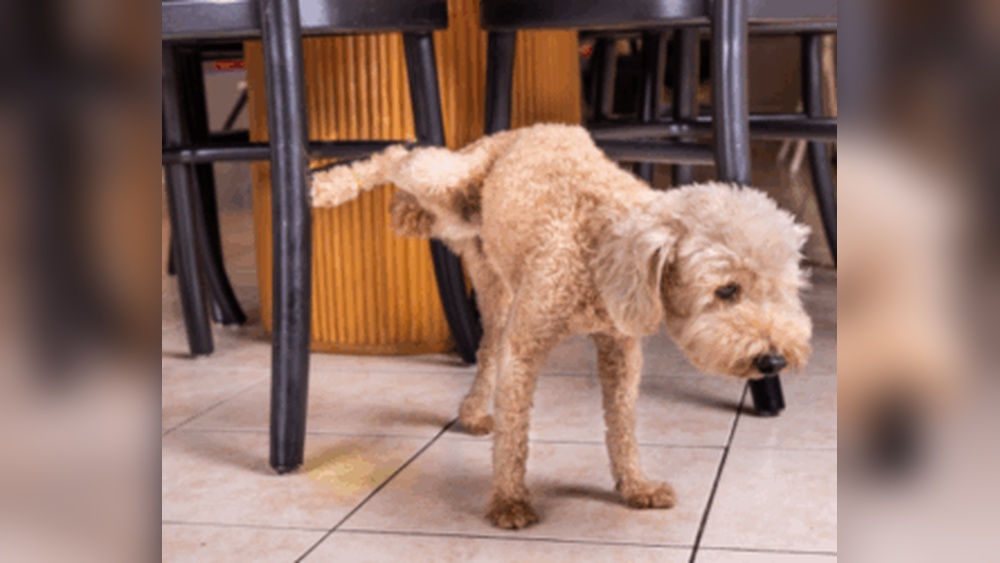
If you’re tired of guessing when your dog needs to go outside, teaching them to ring a bell is a game-changer. Imagine never having to deal with accidents inside again because your dog can simply tell you when they need a bathroom break.
It’s easier than you think, and with the right steps, your furry friend will be ringing that bell in no time. Keep reading, and you’ll discover a simple, effective way to train your dog to communicate with you clearly—making life easier for both of you.
Choosing The Right Bell
Choosing the right bell is an important first step in training your dog to ring it to go outside. The bell should be easy for your dog to use and hear. It must catch your dog’s attention and be safe to touch. Picking the right type and placing it correctly helps your dog learn faster and with less frustration.
Types Of Bells For Dogs
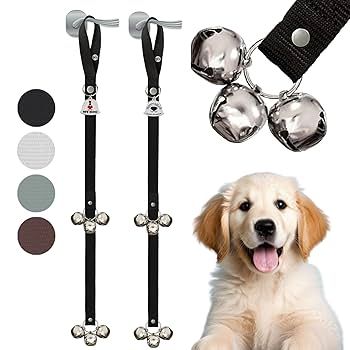
There are many bells made for dogs. Some bells hang on the door. Others come on a base or mat that sits on the floor. Bells that hang on the door usually have a rope or strap to pull. Floor mats may have several small bells attached.
Choose a bell that makes a clear sound. Too soft or too loud might confuse your dog. Metal bells often produce a sharp tone that travels well. Plastic bells can be quieter but may be easier for some dogs to ring.
Some bells come with a base to keep them steady. This can help dogs who like to nudge or paw at the bell. Test the bell before buying to make sure your dog can activate it easily.
Where To Place The Bell
Place the bell at a height your dog can reach comfortably. For small dogs, lower on the door or wall is best. Larger dogs can reach higher.
Put the bell near the door you use most to go outside. This helps your dog connect ringing the bell with going out.
Make sure the bell is visible. Your dog needs to see it clearly to learn. Avoid placing it too close to other noises or distractions.
Check the bell’s location daily. If your dog has trouble reaching it, try a different spot. The right place helps your dog ring the bell with ease.

Credit: www.amazon.com
Introducing Your Dog To The Bell
Introducing your dog to the bell is the first step in teaching them to ring it. This step helps your dog understand the bell is important. It creates a clear signal for going outside. Start slow and gentle to build positive feelings about the bell.
Familiarizing The Dog With The Bell
Place the bell where your dog can see and reach it. Let your dog sniff and touch the bell. Do not force interaction. Let your dog explore at their own pace. Repeat this daily to make the bell a normal object. Watch for signs of curiosity or interest.
Using Treats To Encourage Interaction
Hold a treat near the bell to catch your dog’s attention. Reward your dog when they touch the bell with their nose or paw. Use a happy voice to praise your dog. This helps your dog link the bell with good things. Keep treats small and easy to eat. Repeat until your dog touches the bell without hesitation.
Teaching The Bell-ringing Action
Teaching your dog to ring a bell takes patience and clear steps. This action helps your dog communicate when it needs to go outside. Start by showing your dog how to touch the bell with its paw. Practice this step until your dog begins to understand the task.
Guiding Your Dog’s Paw To The Bell
Hold your dog’s paw gently. Move it toward the bell hanging on the door. Let the paw touch the bell so it makes a sound. Praise your dog softly right after the bell rings. Repeat this several times to build a connection. The dog learns that touching the bell causes a sound.
Reinforcing The Behavior With Rewards
Give your dog a treat after it rings the bell. Use a happy tone to praise the dog. Repeat this every time your dog touches the bell. Soon, your dog will want to ring the bell for a treat. This makes the dog eager to use the bell to go outside.

Credit: www.amazon.com
Linking The Bell To Going Outside
Linking the bell to going outside is a key step in teaching your dog to communicate. Your dog needs to understand that ringing the bell means it is time to go out. This connection helps your dog ask to go outside without barking or scratching the door.
At first, your dog may ring the bell by chance. Your job is to make sure the dog knows that ringing means a walk or bathroom break. Consistency and clear actions from you build this link fast.
Consistent Timing For Bell Use
Always use the bell at regular bathroom times. Ring the bell yourself before opening the door. This shows your dog that the bell means going outside.
Try to keep bathroom times consistent. Dogs learn best with routine. The bell becomes a signal that matches these times. Avoid using the bell for other reasons to prevent confusion.
Responding Promptly When The Bell Rings
Answer your dog’s bell ring quickly. Take your dog outside right away. This teaches the dog that ringing leads to an immediate reward.
Delays may confuse your dog. It might stop using the bell or ring for other reasons. Being fast shows your dog you listen and care.
Troubleshooting Common Issues
Training your dog to ring a bell to go outside can sometimes face hurdles. These common issues may slow down progress. Patience and simple fixes help your dog learn better.
Understanding these problems lets you guide your dog more clearly. Watch your dog’s behavior closely to spot these signs early.
Ignoring The Bell
Some dogs do not respond to the bell at first. They may not know it means going outside. Try showing the bell and ringing it yourself. Praise your dog each time you ring it. Use treats to link the bell with going outside. Repeat gently to build the habit. Keep training sessions short and fun.
Overusing The Bell
Dogs might ring the bell too often. They may want attention or just play with it. Limit your dog’s bell access when not training. Only open the door after a real bell ring. Teach your dog that ringing means a real need. Ignore the bell if it is just for fun. This stops the habit of overusing the bell.
Bell Ringing Without Need
Sometimes dogs ring the bell without needing to go out. They may want food, play, or to get your attention. Watch for patterns in this behavior. Give your dog other ways to ask for attention. Do not reward bell ringing unless it means going out. Calmly guide your dog to use the bell correctly. Consistency helps your dog understand the right time to ring.
Tips For Long-term Success
Training your dog to ring a bell to go outside is just the start. Keeping this behavior strong takes ongoing effort. Follow these tips for long-term success. They help your dog learn well and keep the habit for life.
Maintaining Consistency
Consistency is key for your dog’s learning. Use the bell every time your dog wants to go out. Make sure all family members follow the same rules. This avoids confusing your dog. Always respond quickly when your dog rings the bell. It builds trust and clear communication.
Gradually Reducing Treats
At first, give treats each time your dog uses the bell. This rewards good behavior. Slowly cut back on treats after your dog learns the task well. Replace treats with praise and petting. This makes your dog want to ring the bell without expecting food. It keeps the behavior natural and steady.
Celebrating Small Wins
Notice and praise every small step your dog makes. Even a slight touch on the bell deserves encouragement. Positive feedback motivates your dog to keep trying. Celebrate progress, no matter how small. This builds confidence and makes training fun for your dog and you.
Credit: www.amazon.com
Frequently Asked Questions
How Long Does It Take To Train A Dog To Ring Bell?
Training usually takes 1 to 2 weeks with consistent practice. Patience and repetition help your dog learn the bell-ringing cue effectively.
What Type Of Bell Is Best For Dog Training?
Choose a loud, easy-to-ring bell like a doorbell or a hanging bell. It should be durable and accessible for your dog to reach.
How Do I Encourage My Dog To Use The Bell?
Reward your dog with treats and praise each time they ring the bell. This positive reinforcement motivates them to repeat the behavior.
Can All Dog Breeds Learn To Ring A Bell?
Yes, all breeds can learn with proper training. Intelligence and motivation levels may affect training speed, but success is achievable for most dogs.
Conclusion
Teaching your dog to ring a bell helps clear communication. It reduces accidents inside the house. Training takes patience and consistent practice every day. Reward your dog with praise or treats for ringing. Soon, your dog will ask to go outside easily.
This simple skill makes life easier for both of you. Enjoy the process and celebrate small successes along the way. Your dog will feel more confident and happy too. Keep sessions short to maintain your dog’s interest. Start today and watch your dog learn this helpful trick.